Project Report
| Aug 30, 2011
Vocational Center Helps Local Community, Looks to Expand
By Christopher Buck | Project Leader
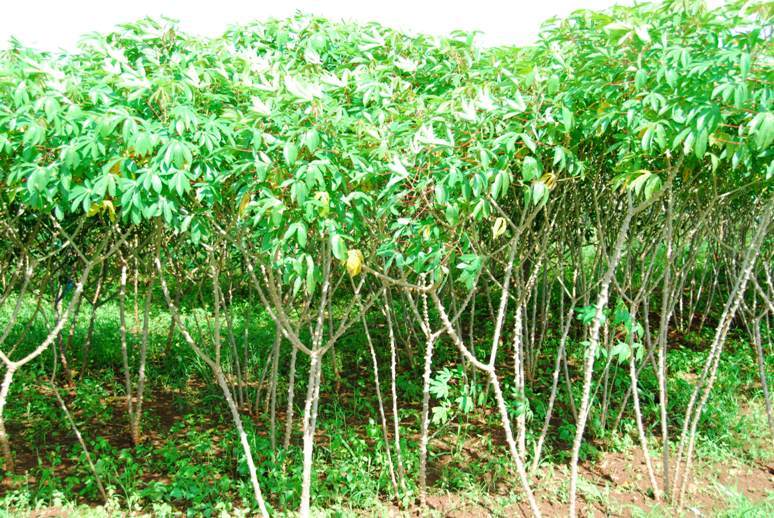
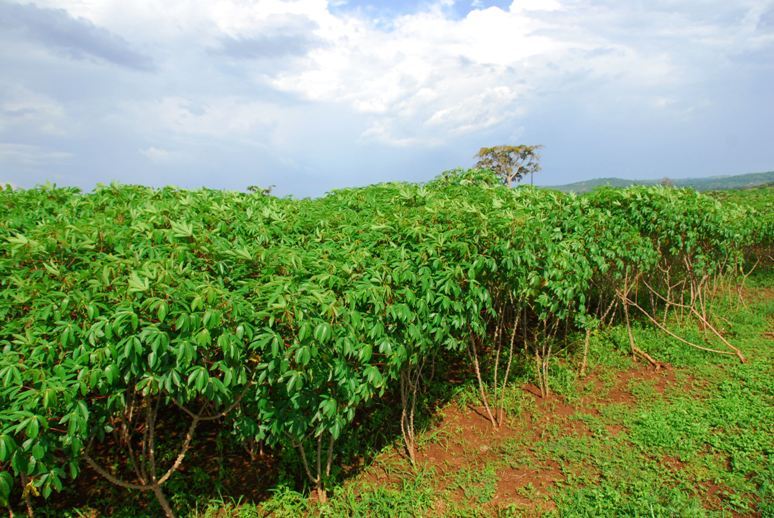
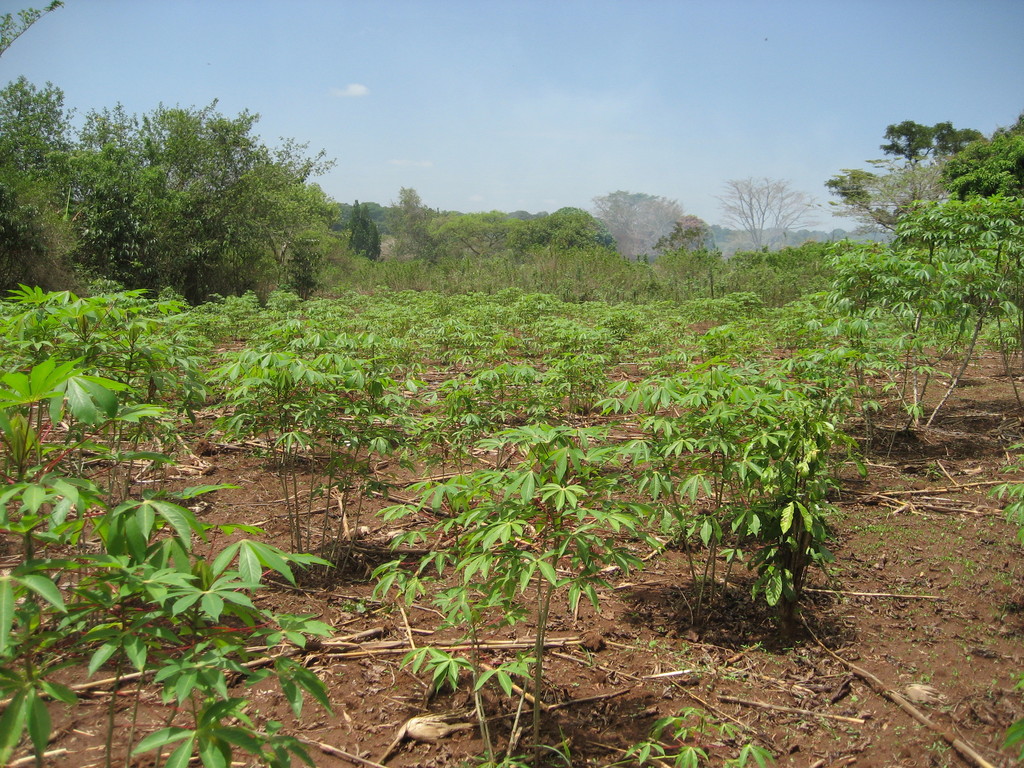
![Cassava at Model Farm]()
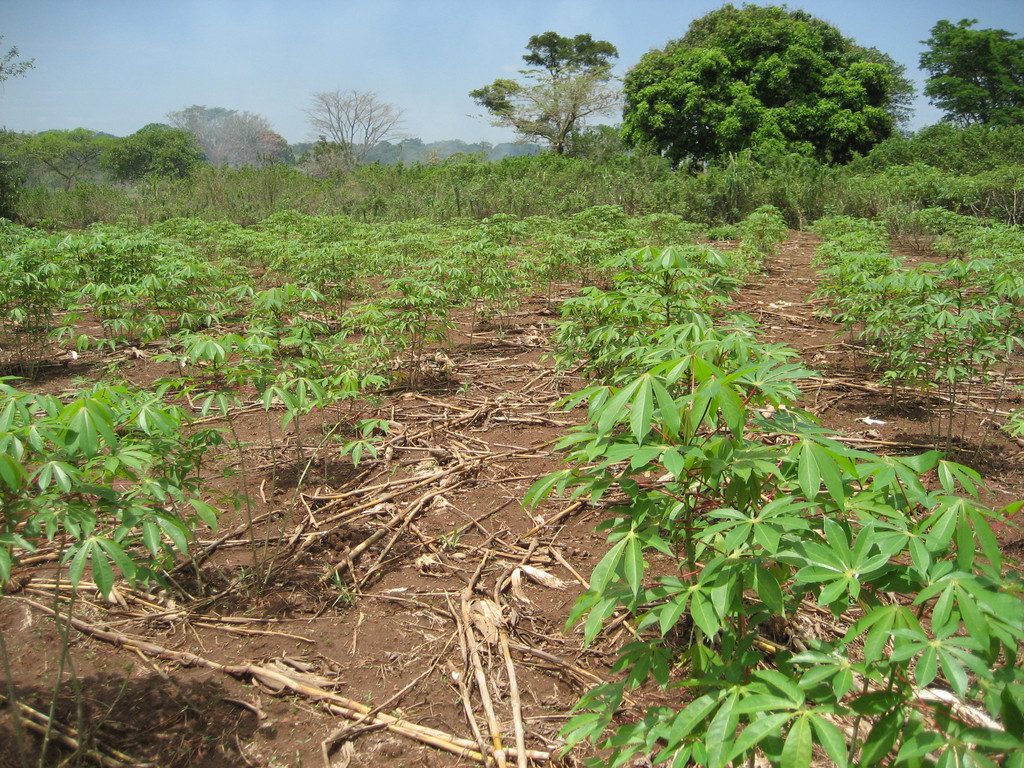
Cassava at Model Farm
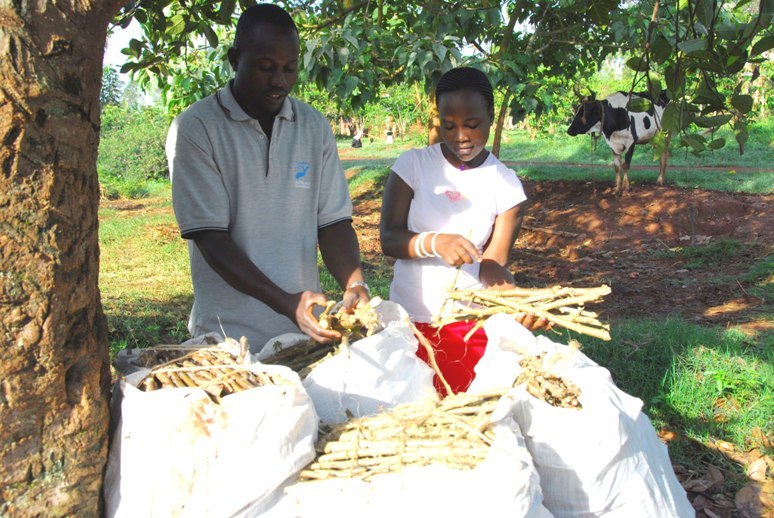
As has been reported in the news, Eastern Africa has been hit with a famine that was brought on by drought. The cassava that is being grown at the Vocational Training Center and Model Farm is a special drought resistant hybrid. We have been sharing cuttings from the cassava plants out to the local communities to help increase food security in the region. This strand of cassava was purchased through the generosity of the community on GlobalGiving.
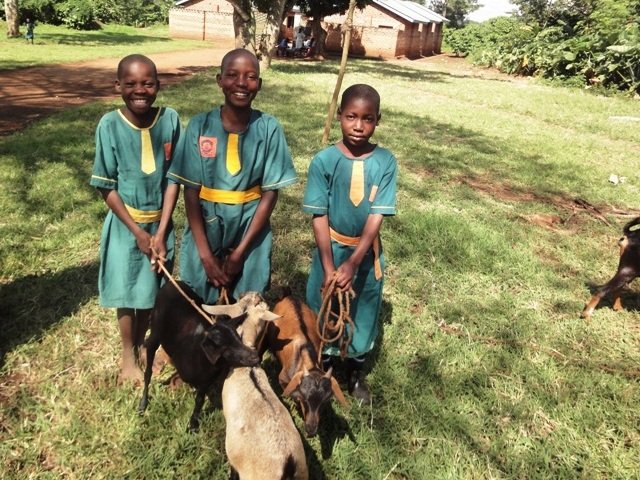
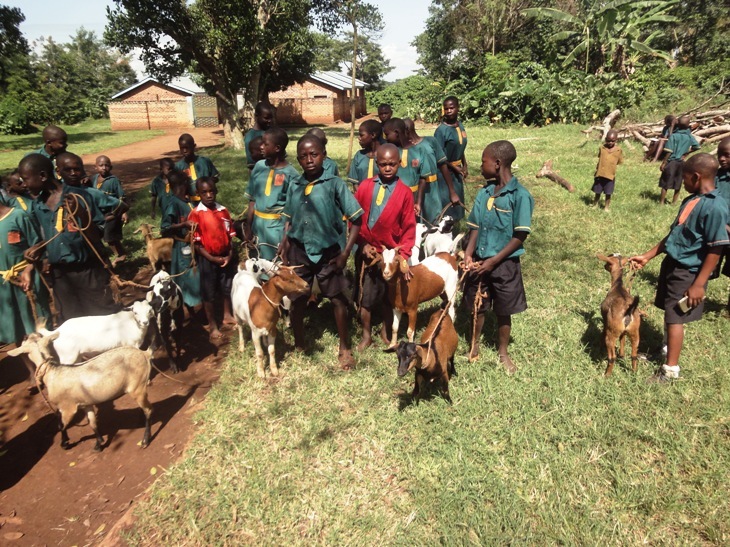
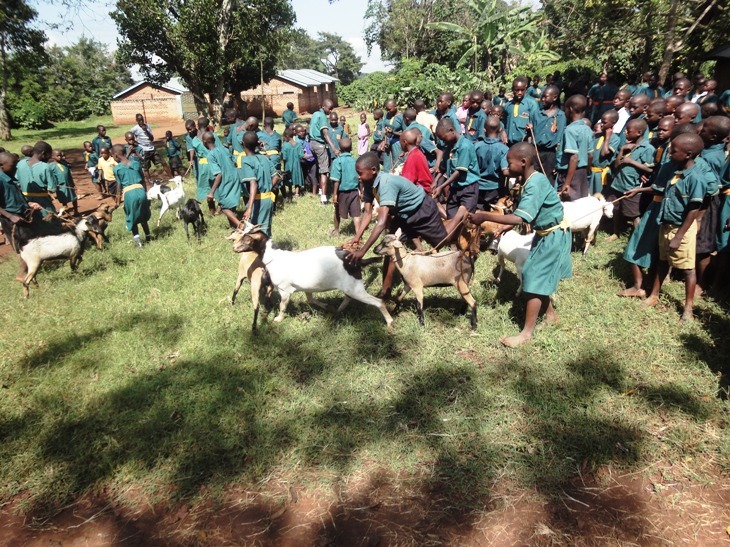
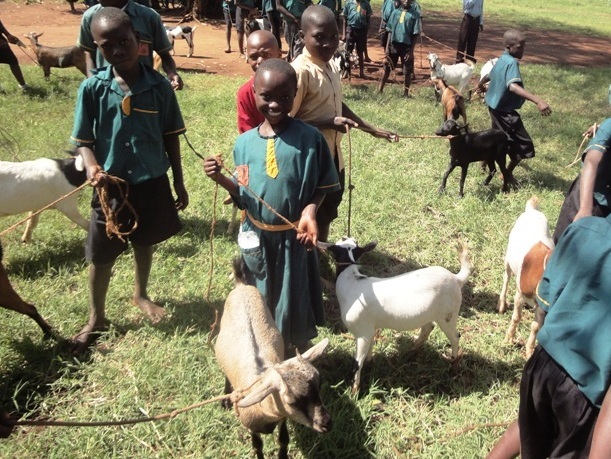
Our goat herd at the Vocational Training Center, located at Future Victory School, is growing. From an initial start of 30 goats, the herd is up to 40. We are currently looking to trade/sell some of the goats to purchase some cows which can be raised along with the goats. The cows we intend to raise are local but exotic by a percentage of 50%. These are resistant to the climatic conditions of Uganda and requirement a minimal veterinary expenditure compared to the 75% or 100% exotics. A young heifer of 5 months old costs about 500,000 Shillings (1.00 USD = 2,500.00 UGX) but since we were proposing to exchange with goats, we are yet to know the number of goats that they may need from us. The cows will be raised for milk.
Much Metta,
Christopher Buck
President
Humanity Healing International
![Cassava at Model Farm 2]()
Cassava at Model Farm 2
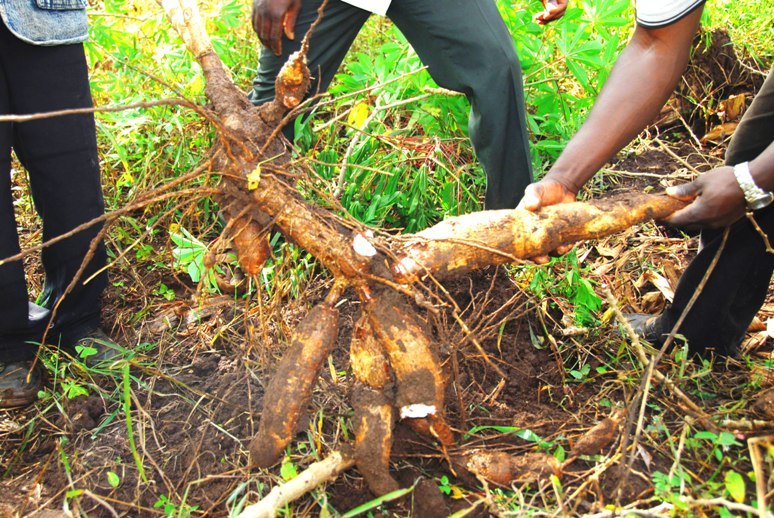
![Cassava roots]()
Cassava roots
![Cassava Root close-up]()
Cassava Root close-up
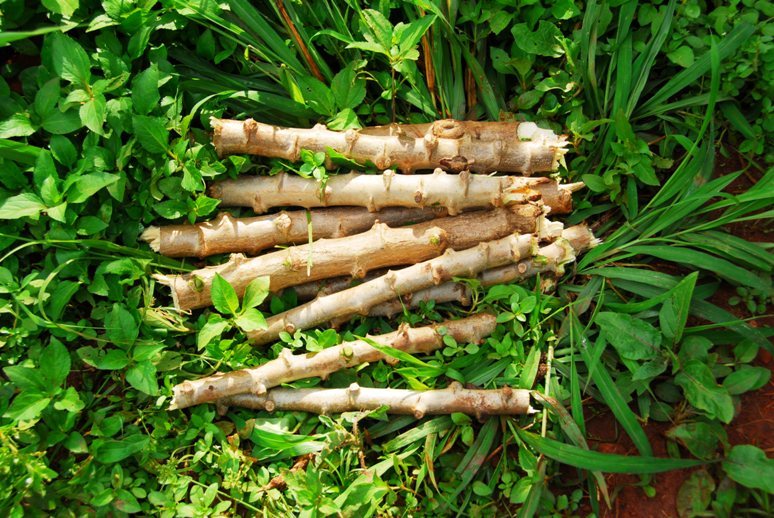
![Cassava cuttings ready to replant]()
Cassava cuttings ready to replant
![Cassava cuttings ready to share with community]()
Cassava cuttings ready to share with community
Links:
![Share on Twitter]()
![Share on Facebook]()
May 4, 2011
Vocational Center selected by Uganda Government
By Christopher Buck | Project Leader
![Goats at the School]()
Goats at the School
The following report is from the Administrative Directory at the school where the Vocational Program is located.
Today, we have already increased the number of goats from 33-35 and we are hoping the number to increase as the years goes by. The Village has also benefited a lot since our exotic he Goats are used for
cross-breeding and we are charging a little fee for this service as to maintain and expand our project. As I talk now, we have so far provided cross-breeding services to the local community for 67 female goats. This has helped us earn 134,000 Shillings (approximately $67 USD) which will be used to buy salt and other needs of the farm.
The National Agricultural Advisory Services (NAADS) selected our Goat Project and Cassava Farm for the demonstration and alliance with the Uganda Government, Ministry of Agriculture and Animal Husbandry. This will help us to win local financial support from NAADS offices in Kamuli District offices.
Below are the few principles that we are going to deliver to the whole community in partnership with NAADS offices:
- Empowerment of farmers and building their capacity to demand appropriate technologies and agricultural advisory services.
- Targeting agricultural advisory services to the poor farmers especially women who constitute the major farming population.
- Mainstreaming of gender issues into the policy framework and integration of gender concerns into implementation plans.
- Deepening decentralization to enable farmers to own and control agricultural services.
- Increased commercialization – including intensification of productivity and specialization.
- Use of participatory processes in planning, contracting, monitoring and evaluation.
- Ensure sustainable management of natural resource productivity.
- Increasing institutional efficiency in providing agricultural advisory services through contracting out of services.
- Creation of better linkages between research, advisors and farmers.
- Harmonisation of externally supported projects with PMA principles. PMA means, Plan for Modernization of Agriculture.
The reason that has made our projects more special is due to the fact that they target and empower the children with skills which in the same sense increase their learning abilities in Science and Environmental studies that are now integrated in the Main stream of the curriculum. I know, most schools lack what we have. During our last meeting, one member of our staff suggested that we at least start donating 2 exotic goats to every School per year which will at last empower every School and child like our Future Victory.
Yours Faithfully,
Wilson Ngobi,
Administrative Director
Future Victory School - Uganda
![Learning about Goats]()
Learning about Goats
![Cassava]()
Cassava
Links:
![Share on Twitter]()
![Share on Facebook]()
Jan 28, 2011
New Year, New Growth
By Christopher Buck | Project Leader
![Goats and more goats!]()
Goats and more goats!
The latest news from the Vocational Training Center is that our project is undergoing a little expansion: three of the goats have given birth and both mothers and kids are doing well. This caused considerable excitement among the children at Future Victory School, where the project is located. More importantly, it has given the children a chance to learn a different facet of animal husbandry and the responsibilities involved with it.
Over in the Community Farming section, the special hybrid cassava is into its second growth and with this harvest, we will be able to share cuttings with local communities in need. The special cassava is more drought and disease resistant with higher yields. The cycle for cassava is as follows:
- A field is planted with cuttings
- When the new plantings have matured, the plant is made into cuttings with the roots remaining in the ground for second growth and a second field is planted.
- When both fields mature, the first field is harvested for the cassava roots and replanted with cuttings from the second field.
With the hybrid cassava, we are able to generate an increasing stockpile of cuttings. These are used to help expand food security in communities that are struggling. One of the foundations of the program is community service and helping others. The goal of our program is not only to teach life skills to children to supplement their formal education, but also to foster in them a sense of community and a mindset of service to others; so that when they are adults, they can pay it forward by helping others.
![Cassava growing]()
Cassava growing
![Share on Twitter]()
![Share on Facebook]()