By Prama Verma | mothers2mothers
It’s hard to believe that just over a year has passed since South Africa, mothers2mothers’ (m2m) headquarters, implemented strict lockdown measures as COVID-19 spread across the globe, disrupting our lives in unimaginable ways.
Today, while our “new normal” no longer feels “new,” there still is nothing “normal” about it. That is certainly the case in sub-Saharan Africa, which for the last several months has experienced an increase in COVID-19 cases and deaths, fueled by a new variant of the virus, reportedly 50% more contagious.
The 1,700 women employed by m2m as frontline health workers are more determined than ever to keep women and families safe and healthy in the face of this recent surge, but it is not easy. Their clients are both tired of the virus and incredibly scared—making them reluctant to follow safety protocols or too frightened to go to the health center for services and treatment. Many families are struggling just to survive in the face of soaring unemployment.
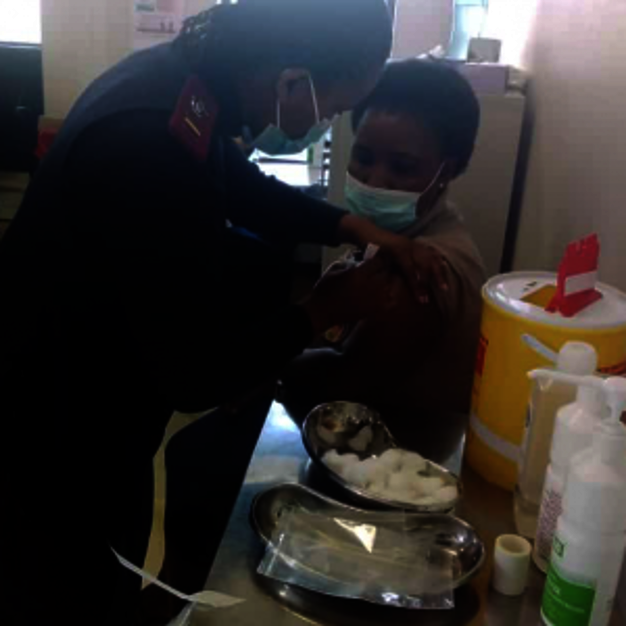
Exacerbating these challenges is the fact that relief has been slow in coming. While millions of people across North America and Europe have been vaccinated, fewer than two-thirds of African countries have received small quantities of vaccine and even fewer have begun administering them. While we are happy to report that ~1/3 of our frontline staff have been among those vaccinated by now, we are frustrated at this slow pace of progress. According to The People’s Vaccine lobby group, 9 out of 10 people in the poorest countries will not receive a COVID-19 vaccine this year.
View from the frontlines
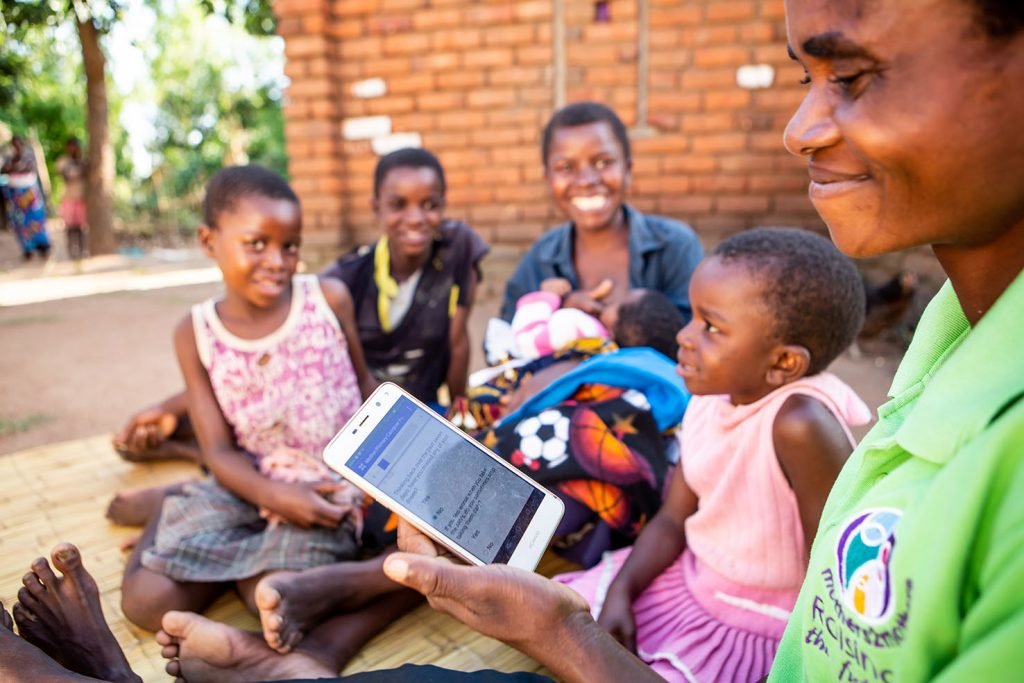
We asked several Mentor Mothers to share what they are seeing on the frontlines and what keeps them going. As you’ll see in their stories below—not only are the health services and support Mentor Mothers provide their clients more critical and urgent than ever, so is getting access to the vaccine. The rapid spread of COVID-19 around the globe last year showed just how interconnected we are. It will not be possible to contain the virus and return to some semblance of the “old normal” we all long for until everyone—even in the most vulnerable and marginalized communities—is vaccinated. No one is safe until we are all safe.
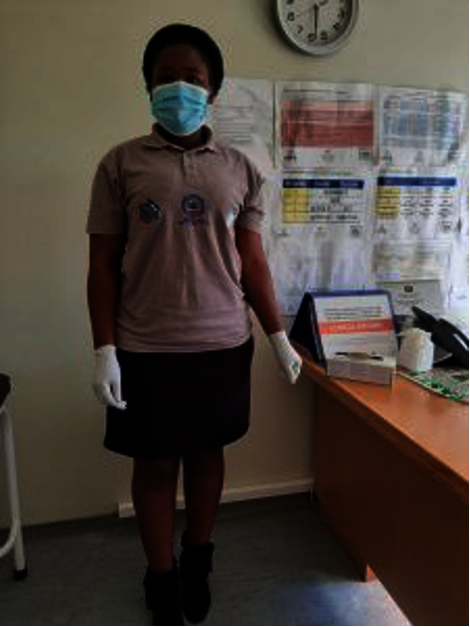
“The first wave of COVID-19 had little negative impact in Lesotho, but the second wave has hit home really hard. We have lost many people to the virus. With all of the personal losses, Mentor Mothers still need to bravely face the invisible enemy on the frontlines. What gives me hope is the support that Mentor Mothers have at mothers2mothers. We feel so valuable. While other NGOs have been forced to close down or reduce salaries, m2m is still helping us put food on the table for our families, even in this hardest of times. So that keeps us going and gives us the strength to go forward.” – Relebohile, Site Coordinator, Lesotho
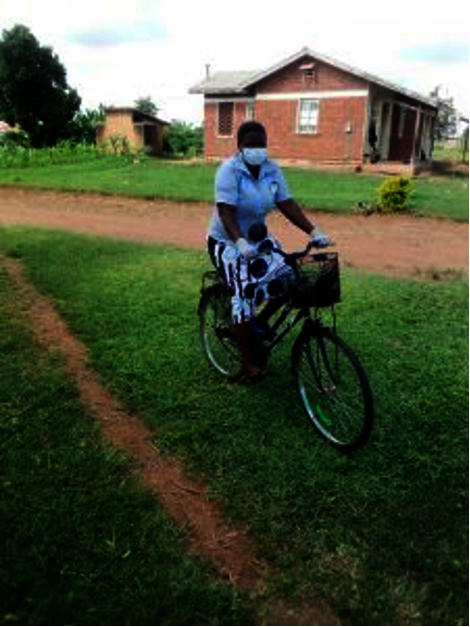
“The second wave of COVID-19 has been so difficult for us in the rural villages. Villagers are scared and are starting to lose hope. Everyone has been affected, even students are not allowed to go to school until the vaccines are introduced and the wait for the vaccines is long. Also, not helpful to the situation is the lack of access to educational information regarding COVID-19 in rural areas. However, as Mentor Mothers, we live in the same communities and play a role in bridging that gap, and support and educate our clients to get the health services they need.” – Teddy, Site Coordinator, Uganda
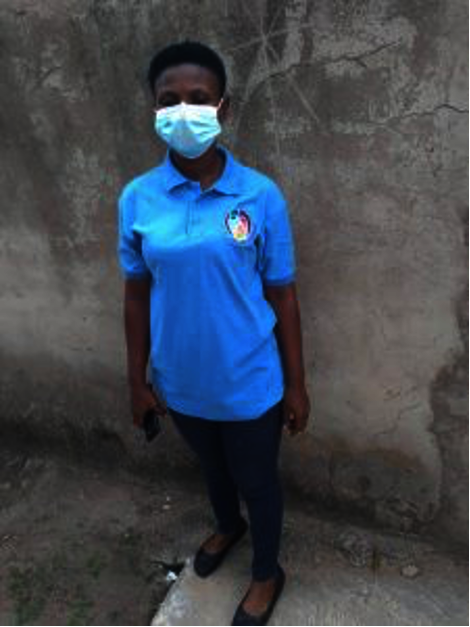
“My biggest challenge is that people in the community are fatigued and exhausted. Some are even saying that they are tired of this COVID-19 and are discouraged to comply with the health protocols. But we as Mentor Mothers are there to encourage them and tell them that tomorrow will be better than today. I am proud that my clients continue to adhere to their HIV treatment with our support and encouragement.” – Juliana, Community Site Coordinator, Ghana
By Melissa Marrocco | Institutional Giving Officer
Project reports on GlobalGiving are posted directly to globalgiving.org by Project Leaders as they are completed, generally every 3-4 months. To protect the integrity of these documents, GlobalGiving does not alter them; therefore you may find some language or formatting issues.
If you donate to this project or have donated to this project, you can receive an email when this project posts a report. You can also subscribe for reports without donating.