By Tsegay Wolde-Georgis | Project Manager
Dear supporters,
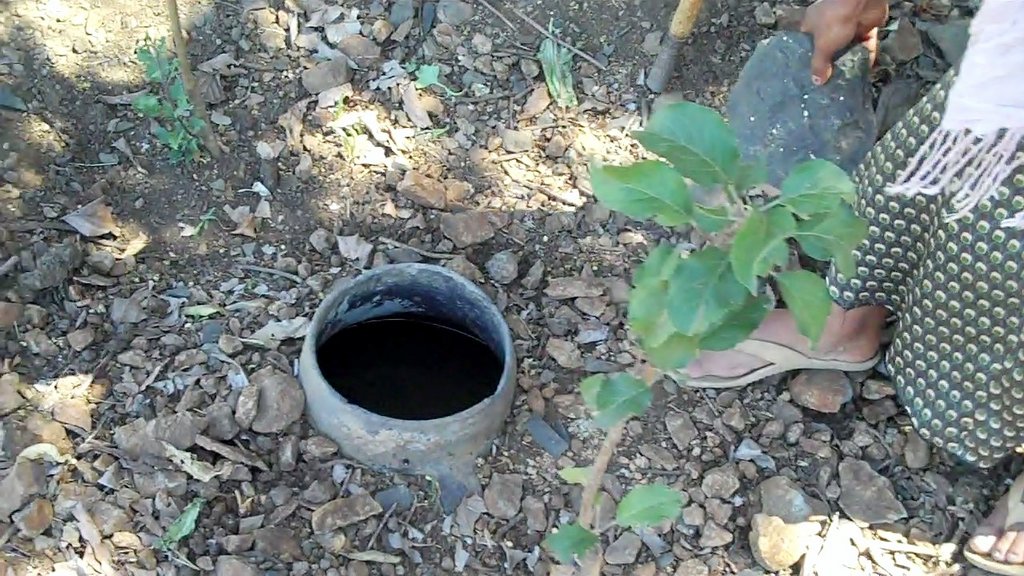
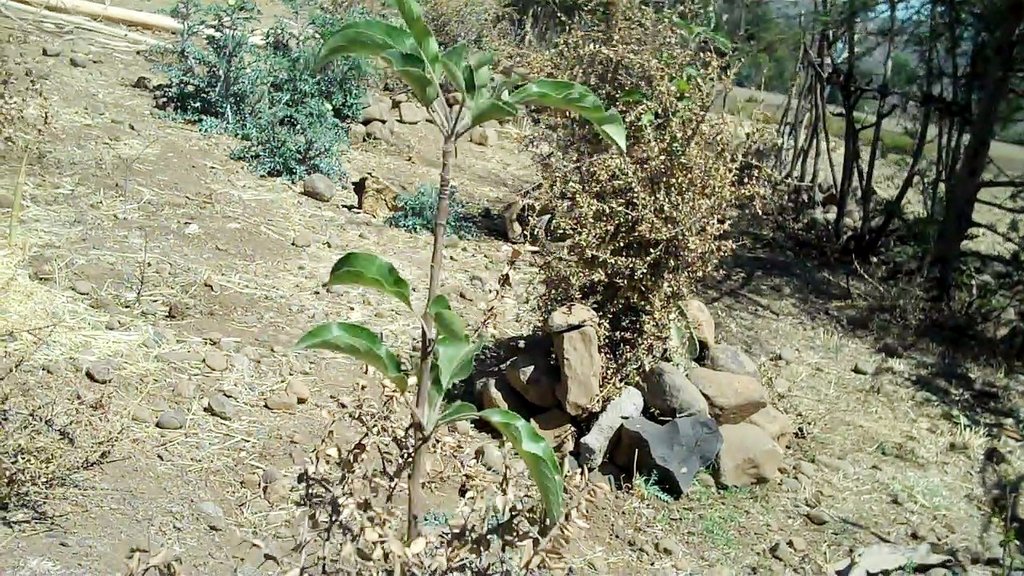
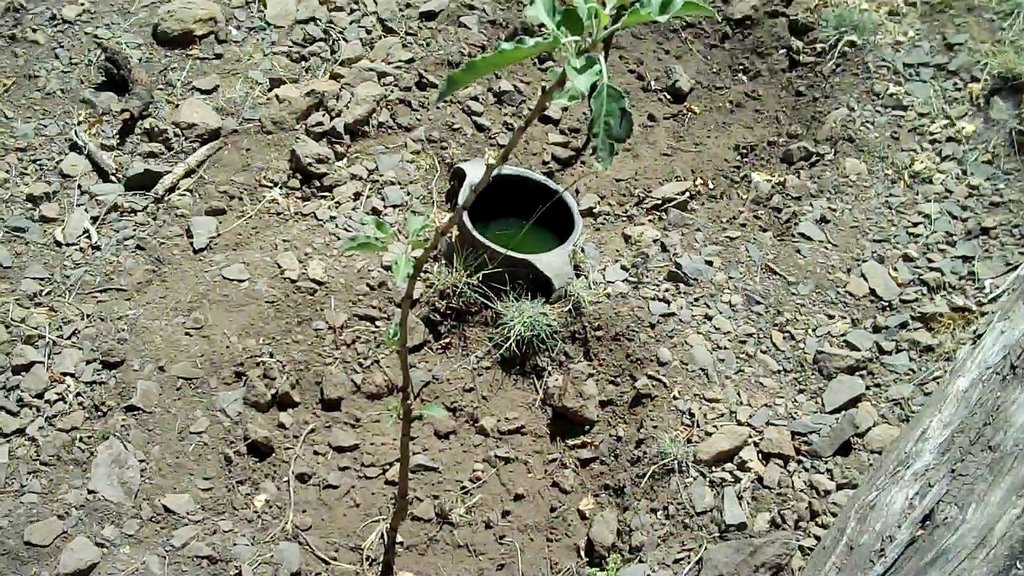
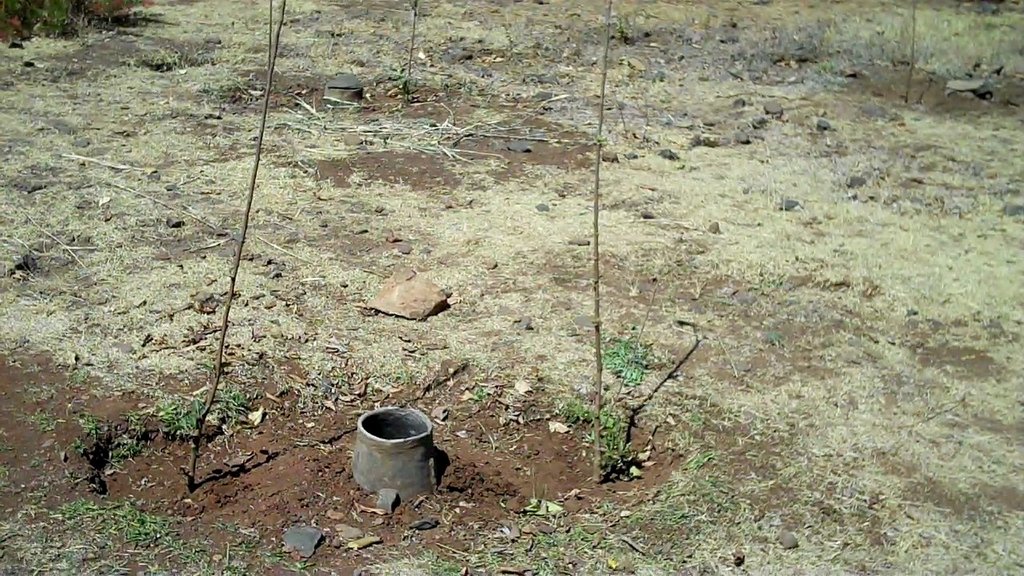
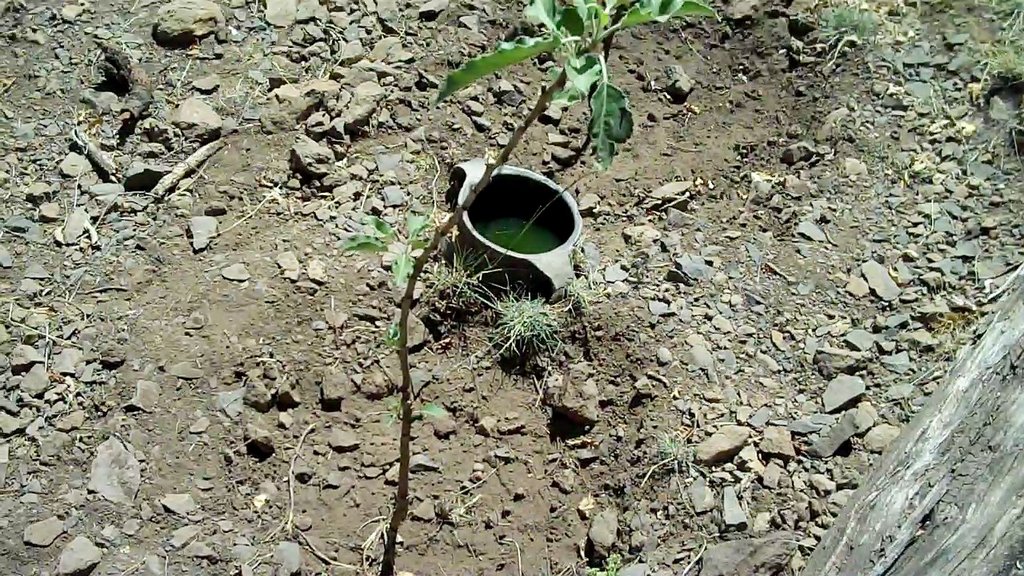
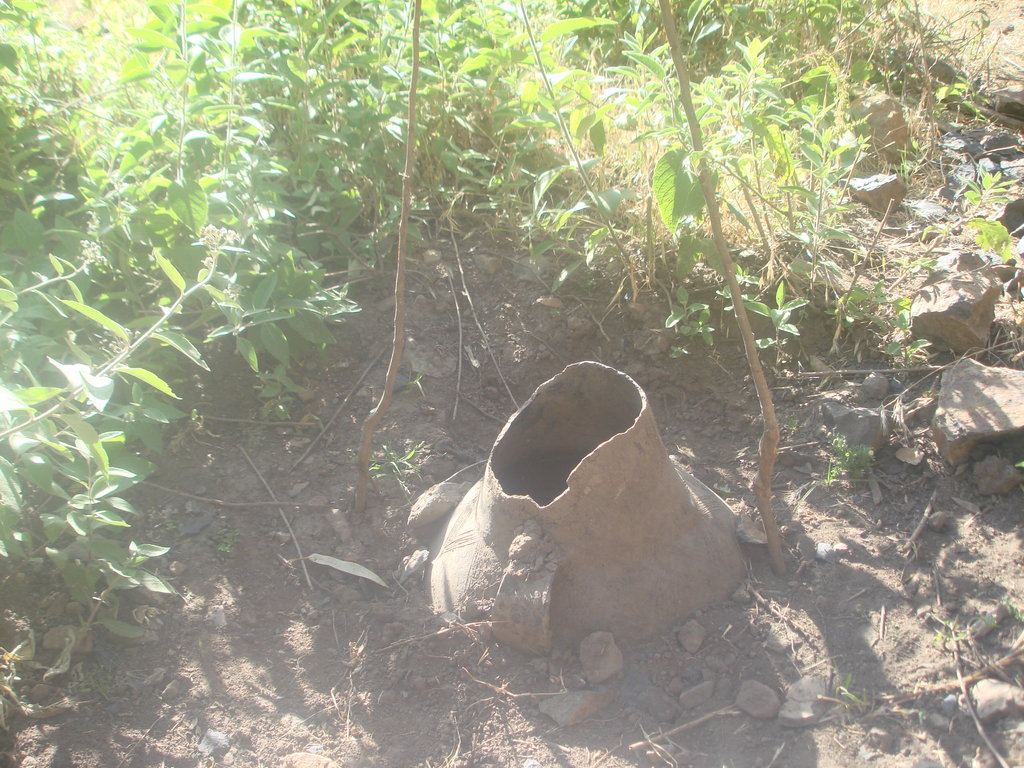
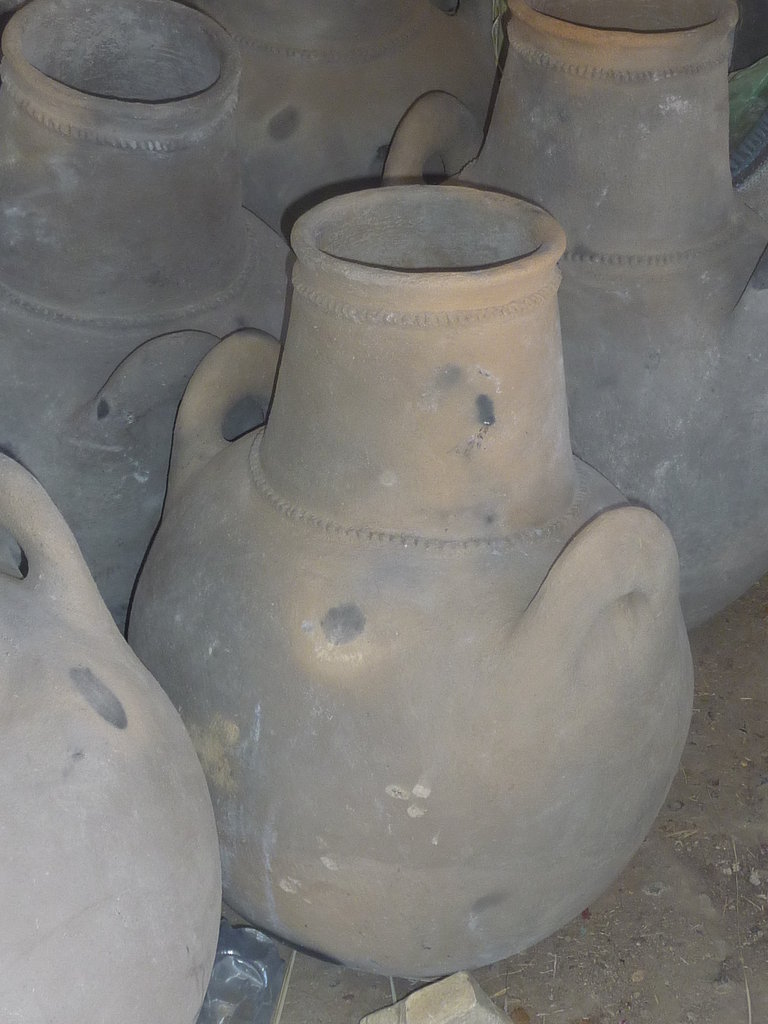
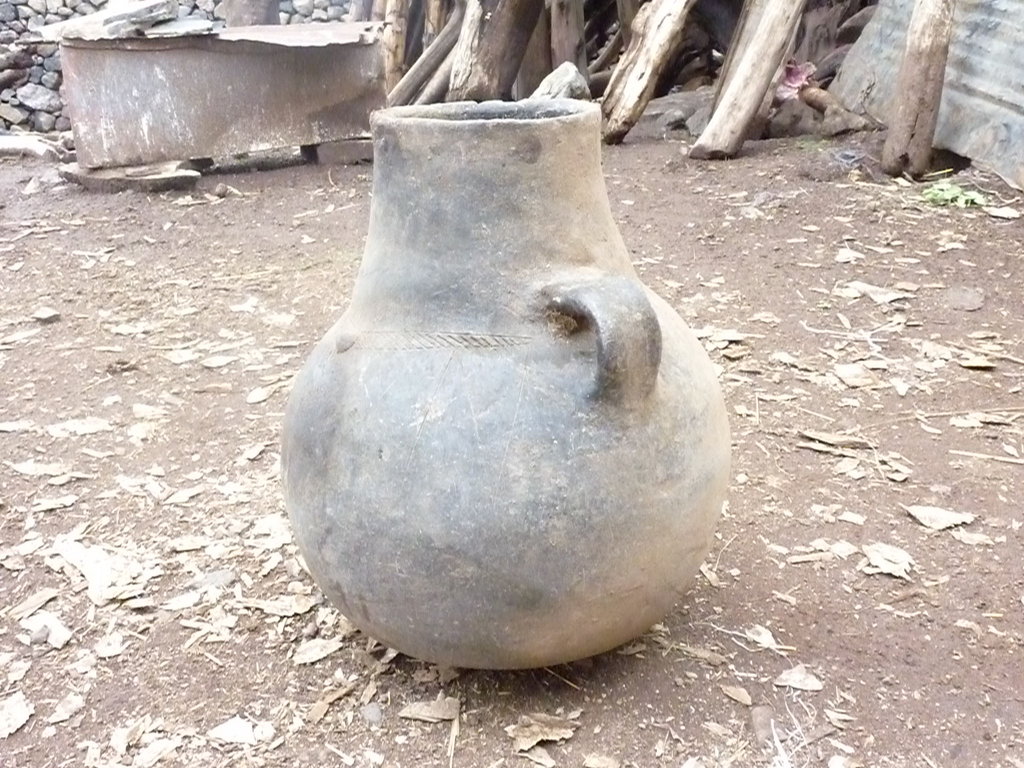
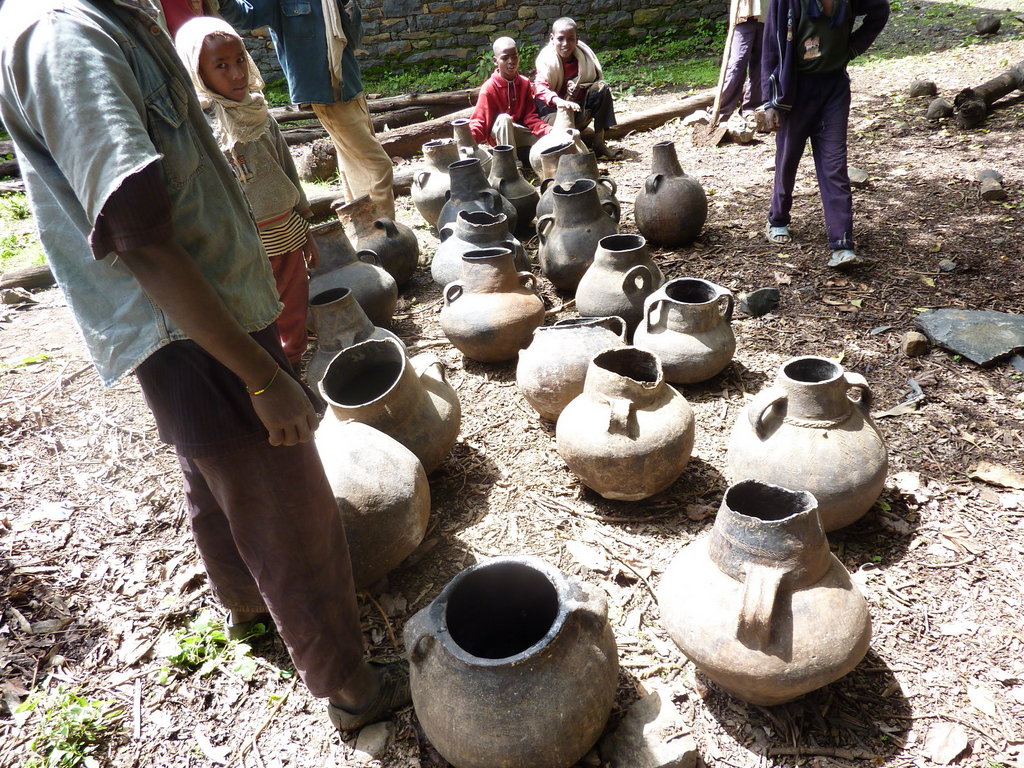
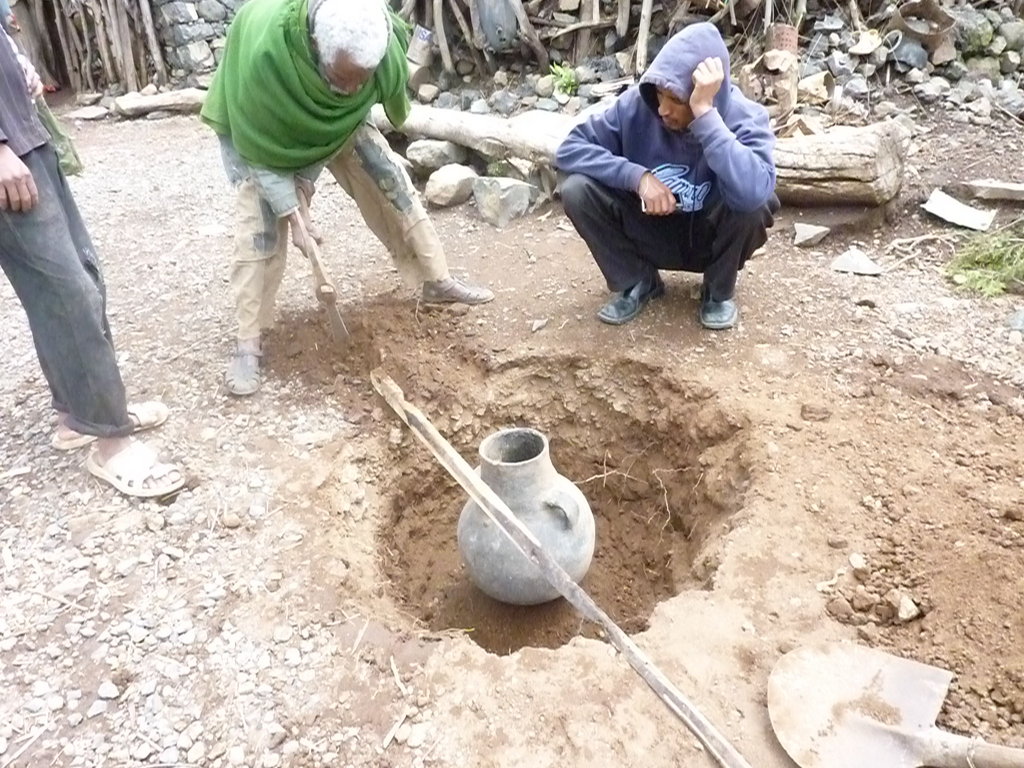
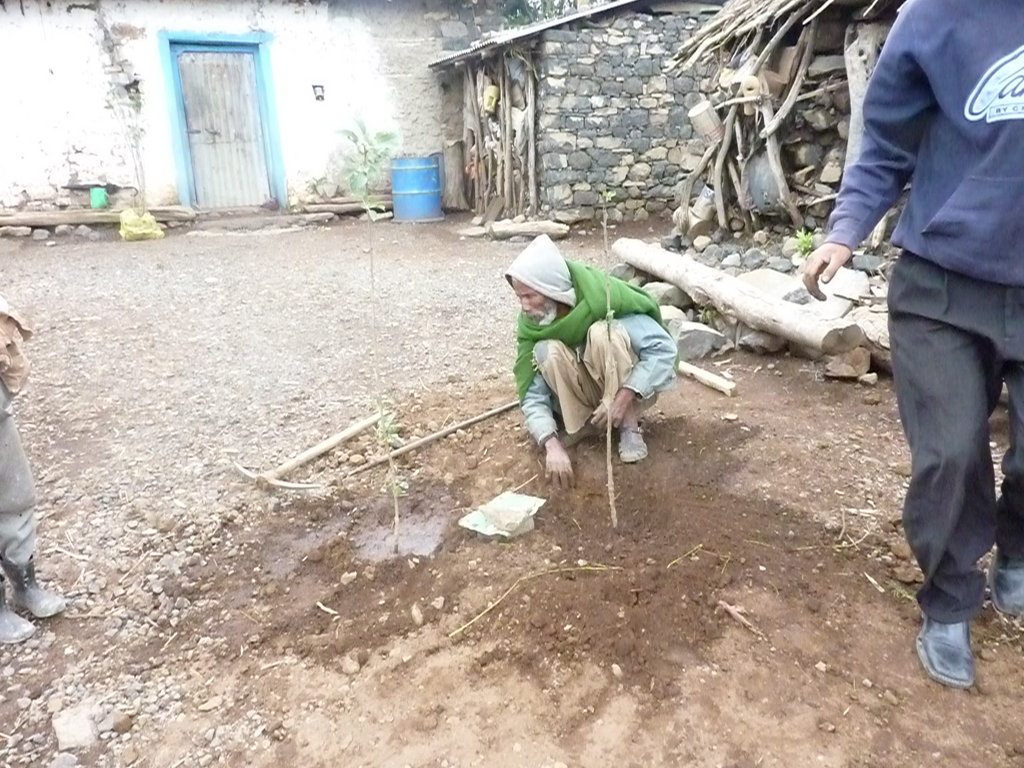
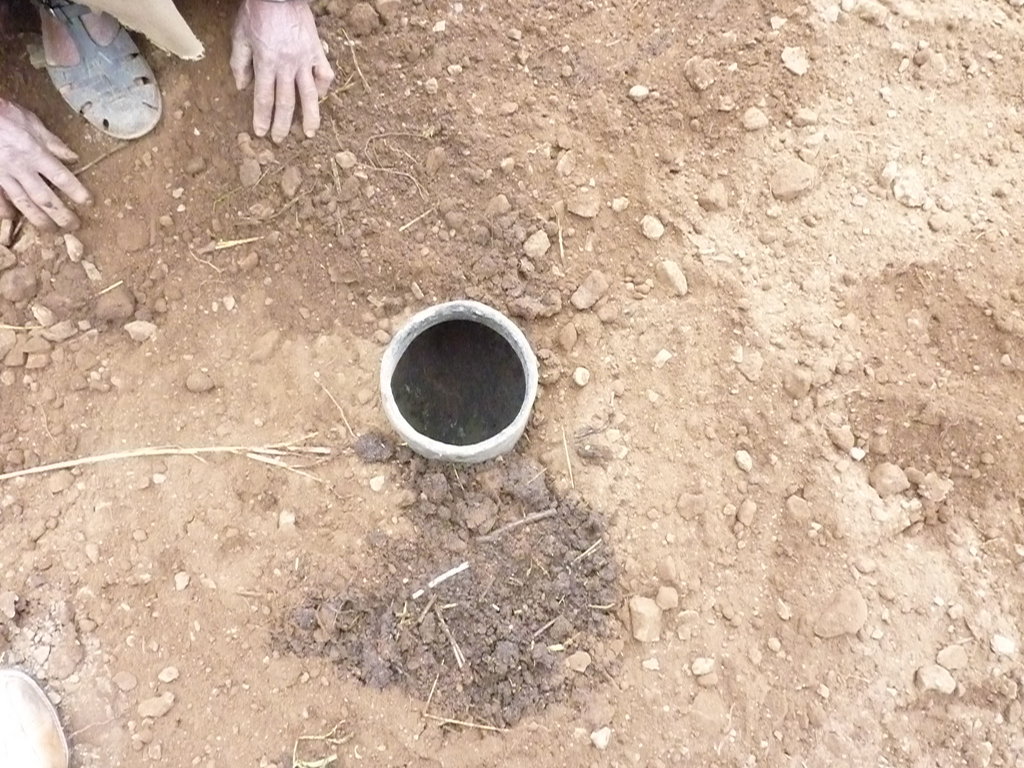
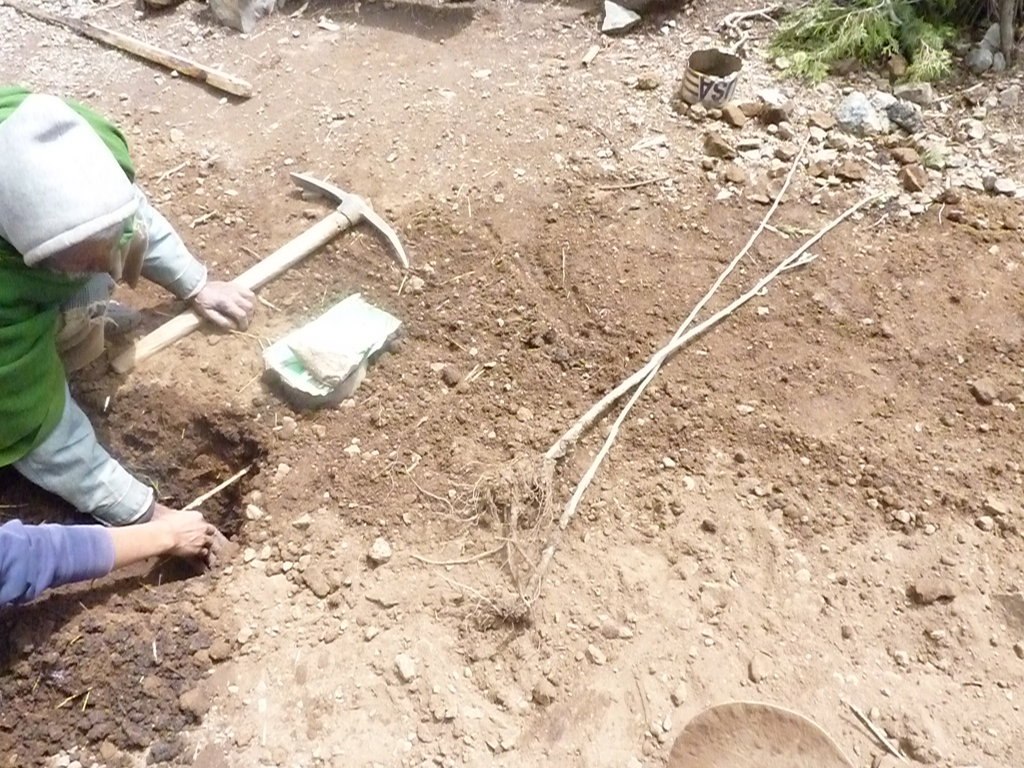
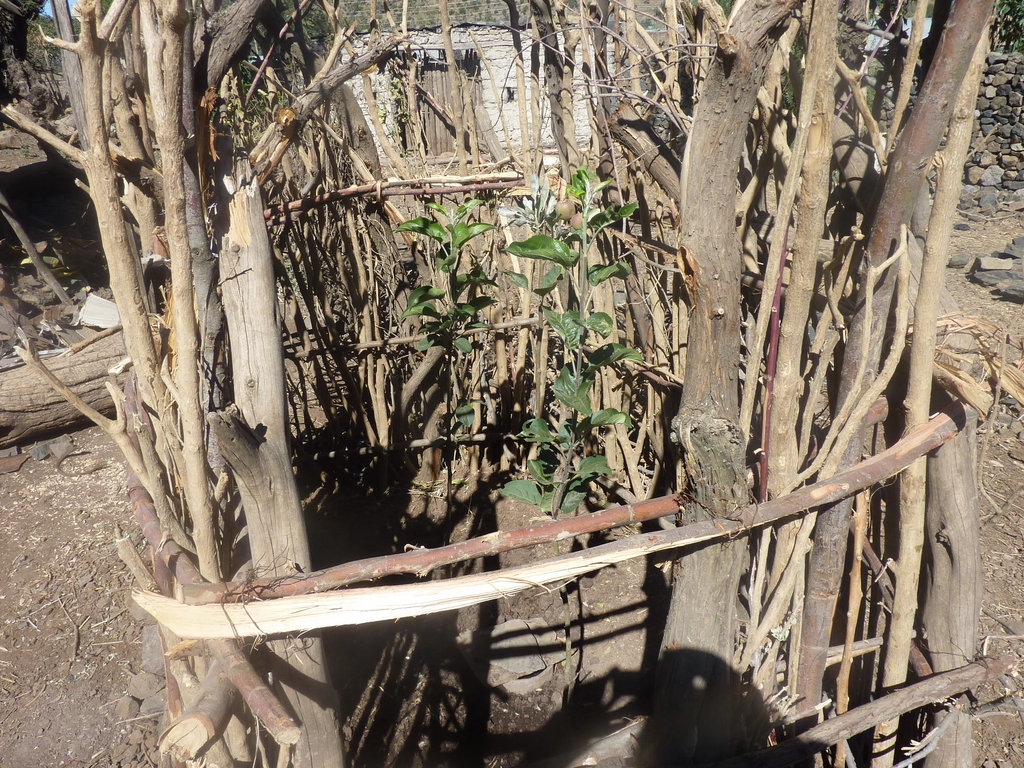
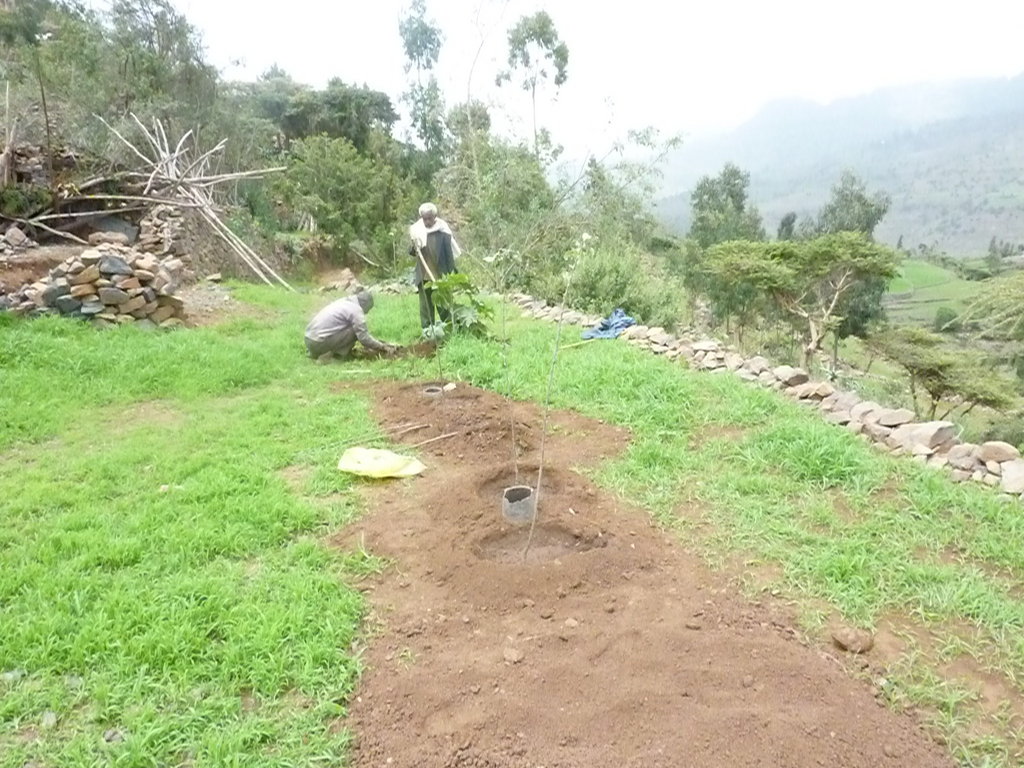
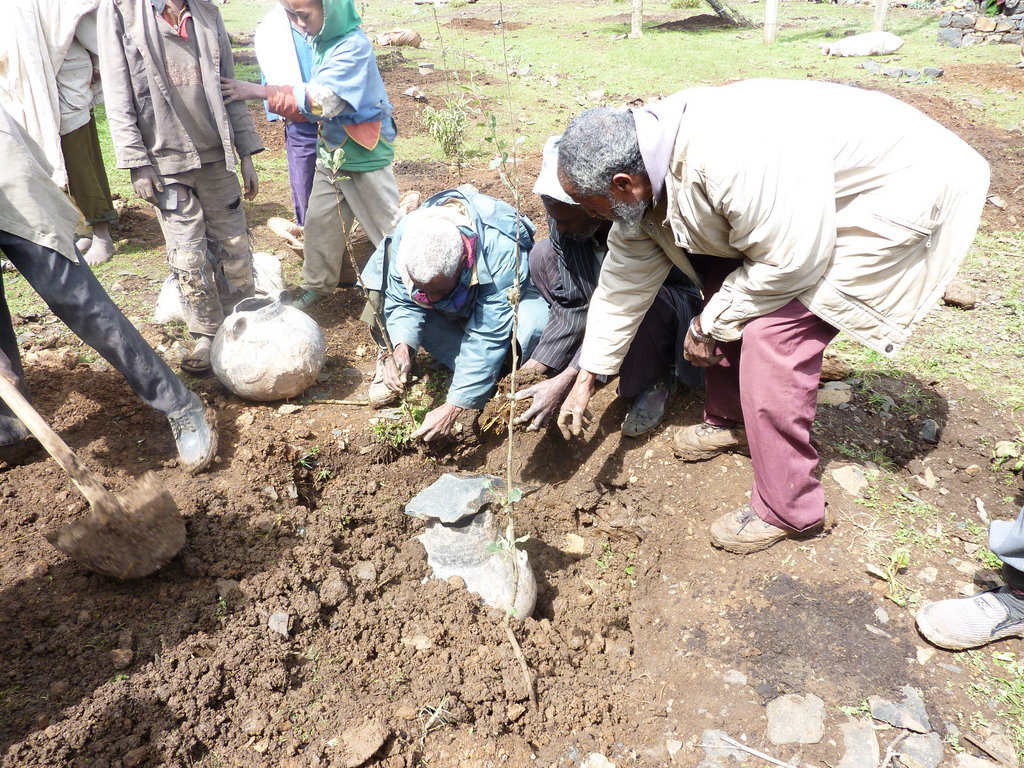
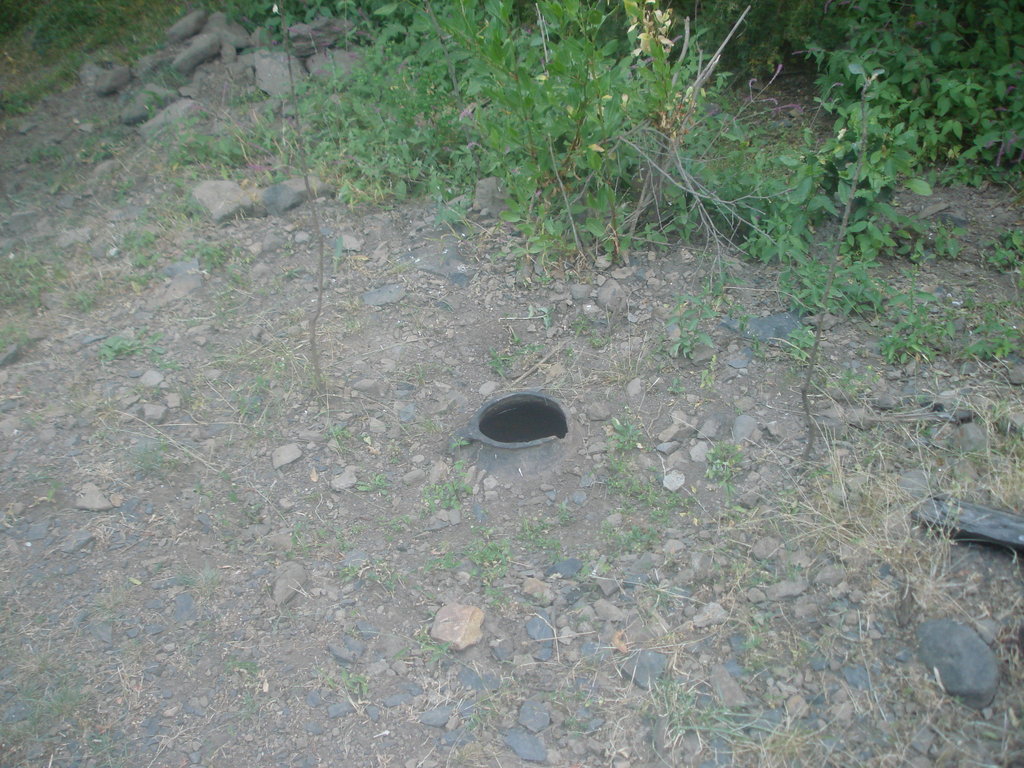
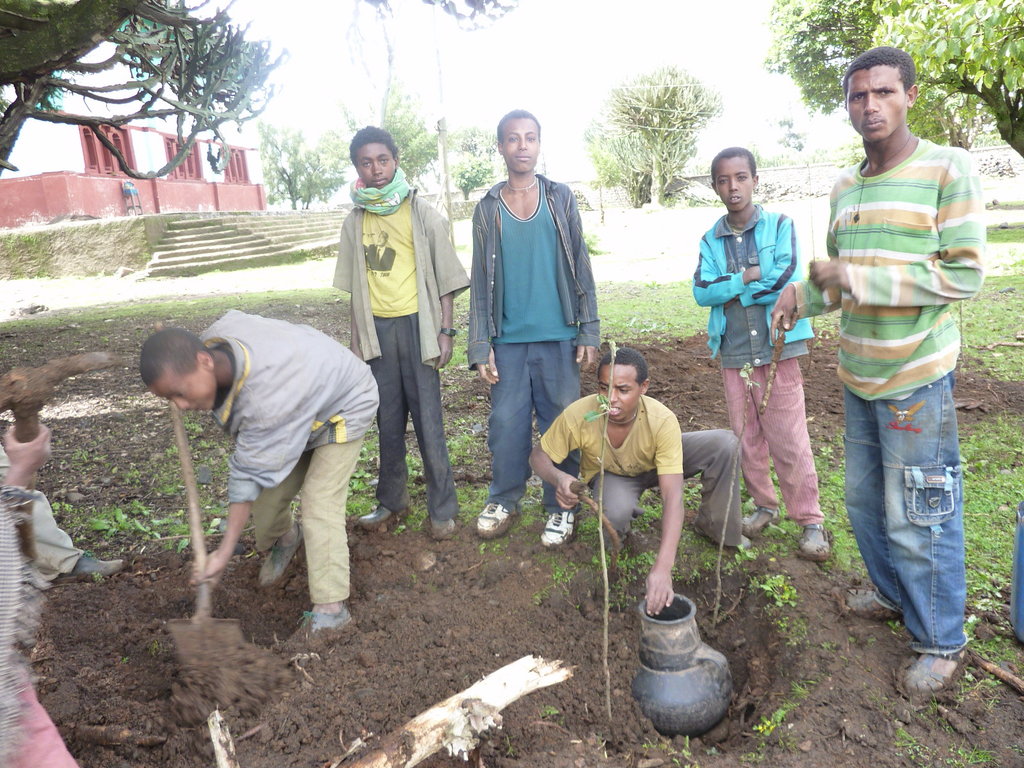
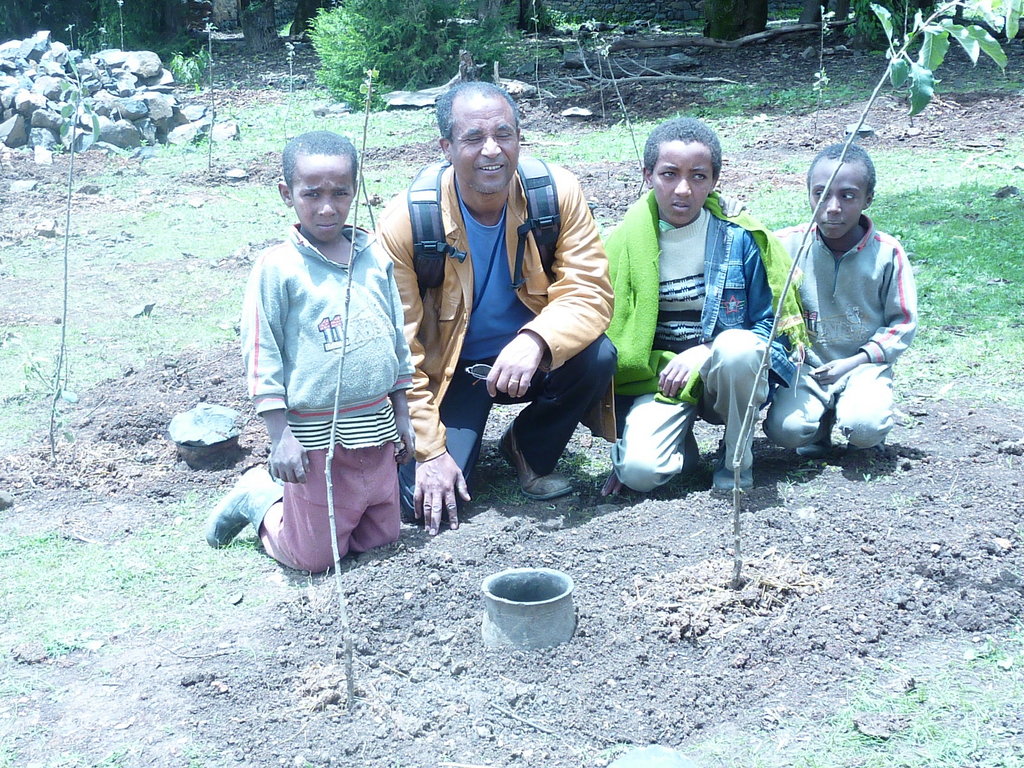
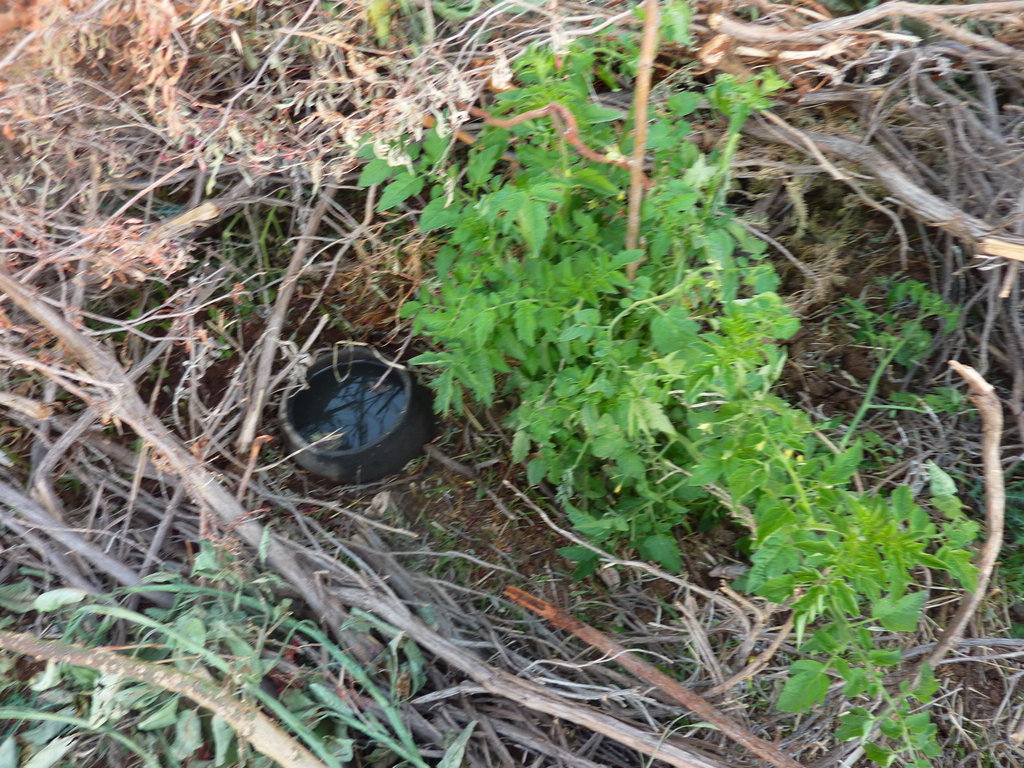
One of the key technologies for our gardens project in dry areas has been the use of clay pots for sub-surface irrigation. Our volunteer, Amanuel Gebru decided to pursue his MSc studies at the University of Mekelle's Ethiopian Institute for Climate and Society* and his project was to find evidence on the use of clay pots on water prudcitvity. He designed an improved clay pot with a traditional potter and the results are published in an international refereed journal.
The title of the the publication which is based on Amanuel Gebru's tMA hesis is "Evaluating water productivity of tomato, pepper and Swiss chard under clay pot and furrow irrigation technologies in semi-arid areas of northern Ethiopia" Below is the summary of the findings as written in the abstract at the International Journal of Water:
" Managing irrigation water is among the critical issues to address food insecurity under climate change and variability conditions. Irrigation is suggested as one of the adaptation practices commonly implemented to reduce climate related risks. However, there is scarcity of water in many drylands and identifying an efficient and effective irrigation system is crucial. A comparative study was undertaken between bar-shaped clay pot and furrow irrigation on tomato, pepper and Swiss chard crops in northern Ethiopia during the cropping season of 2014/2015. Results were compared on the basis of yield, water productivity and economic performance. The yields of Swiss chard, tomato and pepper were increased by up to 51, 32 and 30%, respectively, in bar-shaped clay pot irrigation system as compared to the control. Water saving was also considerably increased by 40.6, 41.2 and 41.7% for the respective crops as compared to the control. Similarly, the water productivities of Swiss chard, tomato and pepper were 10.9, 4.2, and 1.8 kg m–3, respectively. Further research on the suitability of bar-shaped clay pot irrigation on various soils and crops is recommended."
This is an important finding as projects of gardening can be implemented for climate change adaptation in the dry lands. I would also like to thank our volunteer amanuel Gebru for completing his graduate degree and for publishing his thesis on an international journal. Please find a copy of the publication attached.
Thank you for your ongoing support.
*The Ethiopian Institute for Climate and Society was established through a technical collaboration between the University of Colorado's Consortiuem for Capacity Building (CCB)/INSTAAR and Mekelle University with seed money from the Open Society Institute for its Capacity Building of African Universities in climate change adaptation.
Project reports on GlobalGiving are posted directly to globalgiving.org by Project Leaders as they are completed, generally every 3-4 months. To protect the integrity of these documents, GlobalGiving does not alter them; therefore you may find some language or formatting issues.
If you donate to this project or have donated to this project, you can receive an email when this project posts a report. You can also subscribe for reports without donating.