By Dr. Gladys Kalema-Zikusoka | Founder and CEO
This report covers Conservation Through Public Health’s (CTPH) GlobalGiving project, “Urgent Action to Curb COVID-19 in People and Gorillas.” The last report was shared in March 2026, when the campaign had received 239 donations totaling $30,871.18 toward our $35,000 fundraising goal. To date, the project has received 247 donations totaling $30,969.
What We Have Done
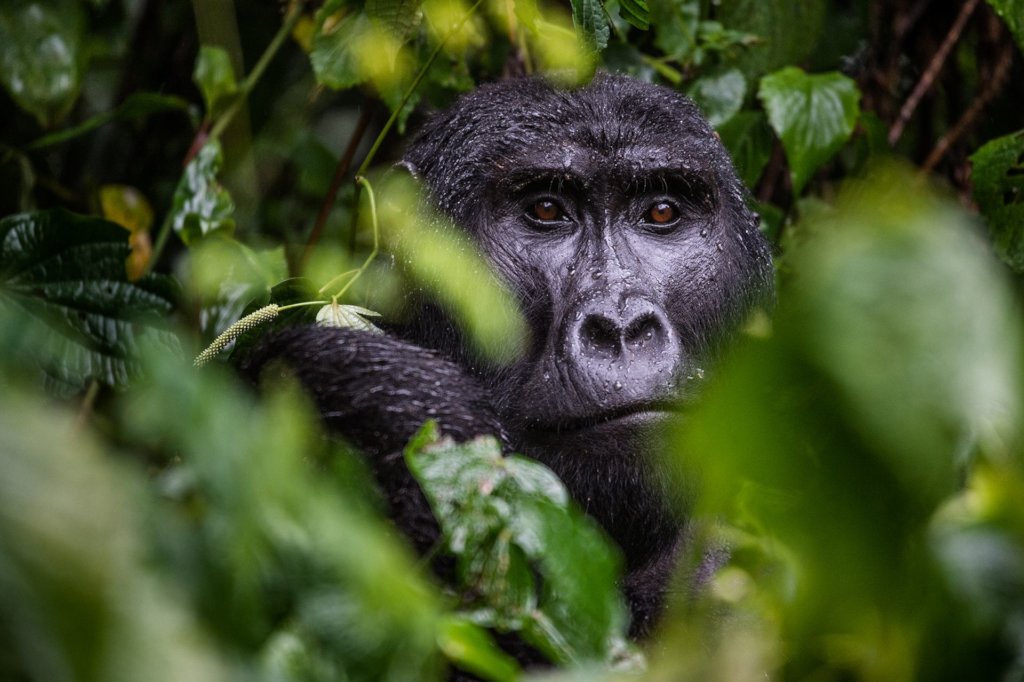
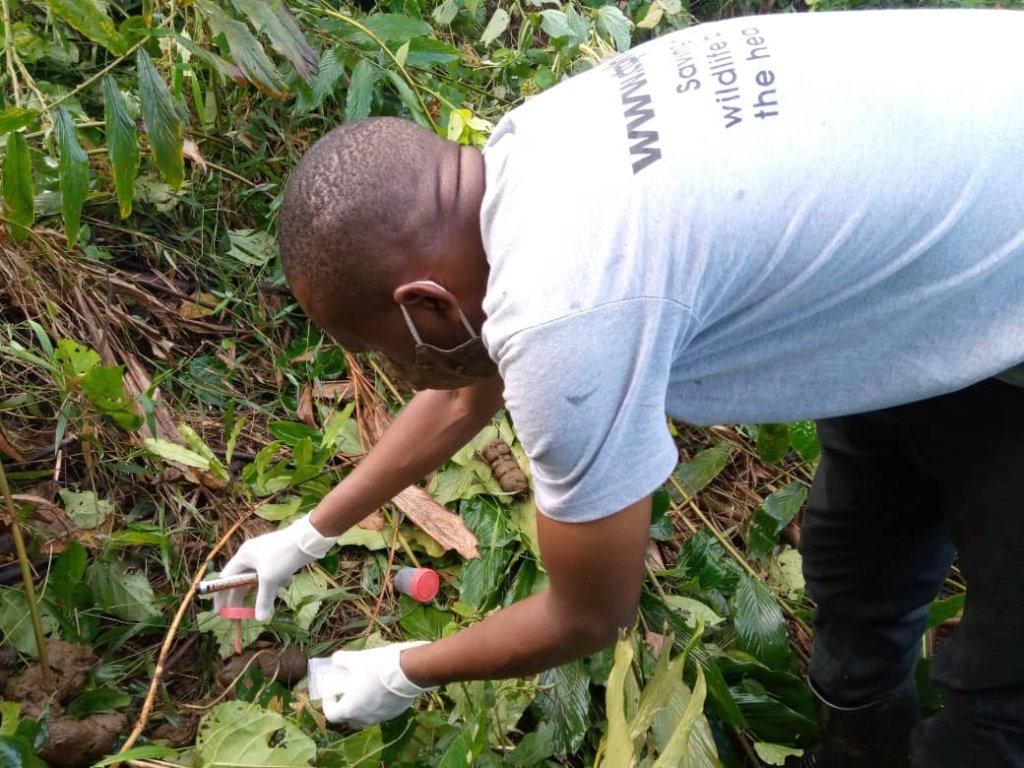
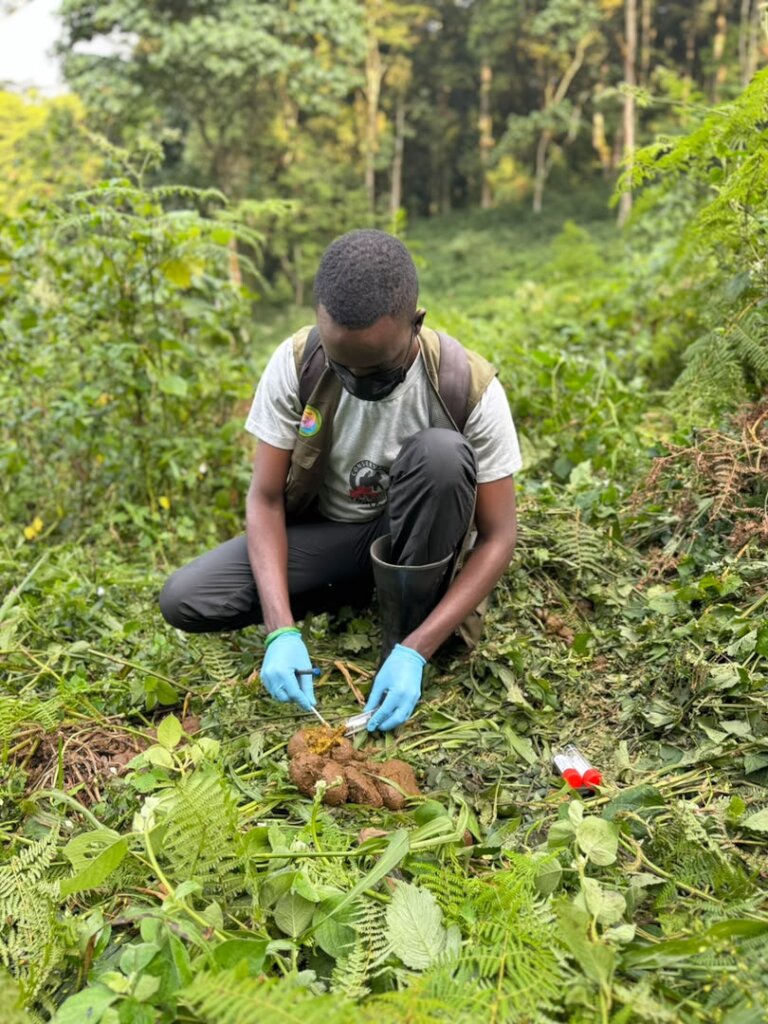
Our team continued to strengthen gorilla health monitoring efforts in collaboration with Uganda Wildlife Authority (UWA) rangers and Gorilla Guardians. Routine health monitoring continued across all 28 habituated gorilla families in Bwindi and Mgahinga Conservation Area (BMCA). Our team collected a total of 608 faecal samples from gorilla night nests. These samples were analysed at the CTPH Gorilla Health and Community Conservation Centre (GHCCC) field laboratory to check for parasites and other diseases that gorillas could share with neighbouring people and livestock, with selected samples preserved for future viral testing.
To continue enhancing zoonotic disease surveillance among humans, gorillas, and livestock, 117 goats and 62 cows in Nyamishamba and Byumba villages around Bwindi were dewormed. This intervention was prioritized because of frequent interaction between local communities, livestock, and the Habinyanja and Binyindo gorilla groups.
Gorilla Births
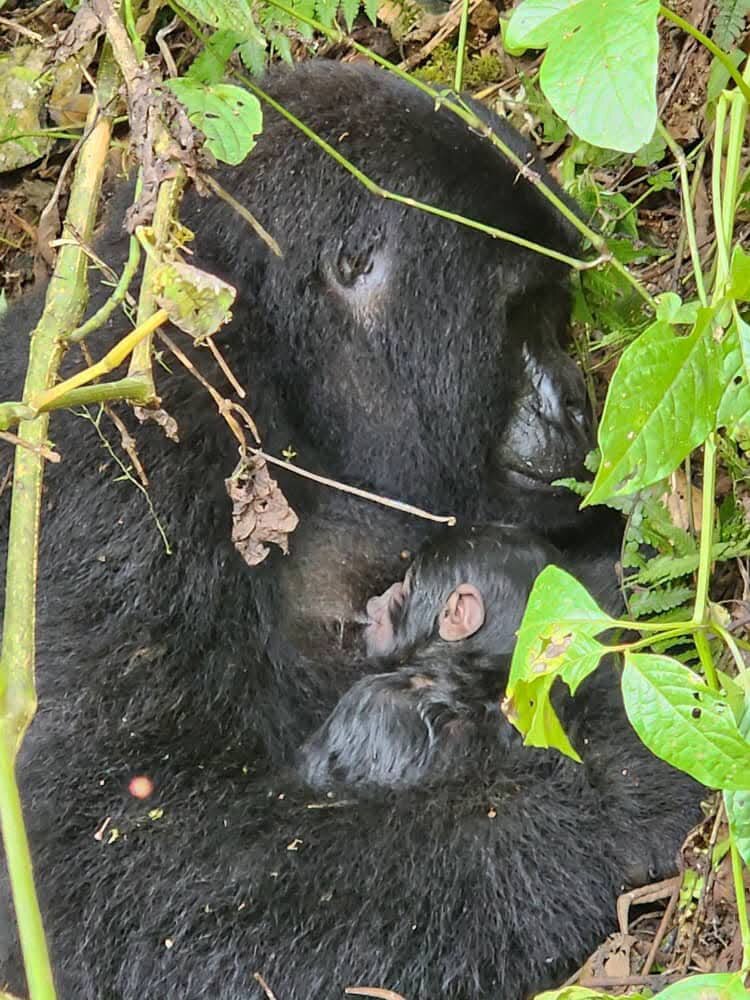
We are pleased to share good news from the Bitukura gorilla family, located in the Eastern Sector of Bwindi Impenetrable National Park. Adult female Kanohiri gave birth on 8 May 2026, increasing the family size to 15 members.
We are also pleased to report good news from the Nkuringo gorilla family. Adult female Nderema gave birth on 30 June 2026. The infant was not immediately accessible because the mother was very protective and kept the baby hidden, making it difficult to confirm the infant’s sex.
The infant was born near River Ivi, bringing the group’s total to 15 individuals:
* 2 silverbacks
* 6 adult females
* 2 sub-adults
* 1 juvenile
* 4 infants
The proposed name is “Ivi,” as the infant was born near River Ivi. The sex of the infant is not yet known.
These births are positive milestones for mountain gorilla conservation and highlight the continued importance of protecting gorilla health and strengthening disease prevention efforts in Bwindi and Mgahinga Conservation Area.
Ebola Disease Preparedness Support
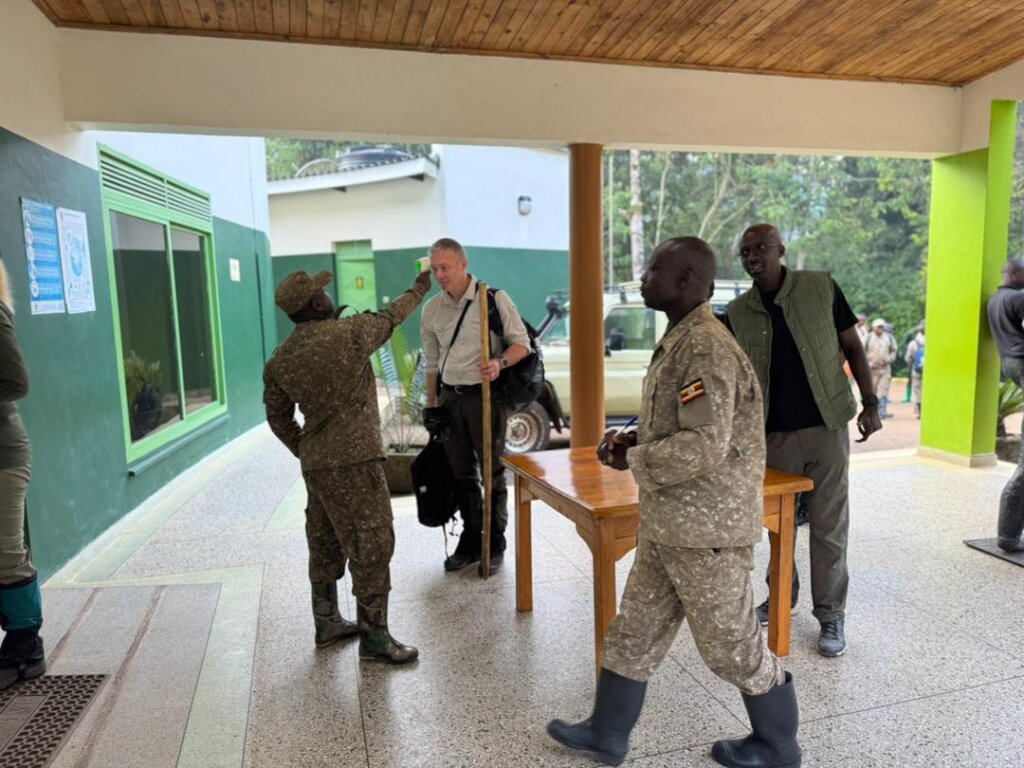
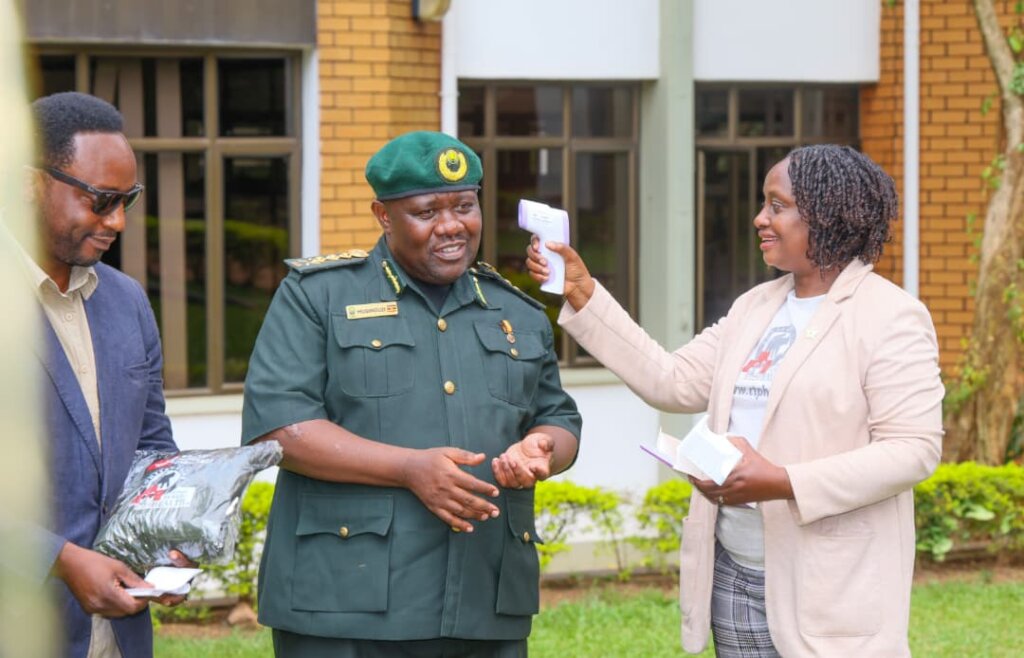
As part of ongoing efforts to strengthen Ebola disease preparedness in Uganda, CTPH donated 25 infrared thermometers to the Uganda Wildlife Authority (UWA) to support health screening at gorilla tourism sites in Bwindi and Mgahinga Conservation Area (BMCA).
The thermometers are being used to screen all people before they embark on gorilla trekking. This helps identify individuals with elevated body temperatures and reduces the risk of disease transmission to endangered mountain gorillas from park staff, tourists, and surrounding communities
This initiative reflects the power of the One Health approach, which recognizes that the health of people, wildlife, and ecosystems is interconnected.
Recent Ebola Disease Outbreak Preparedness
Following the recent Ebola disease outbreak in Uganda and the Democratic Republic of Congo (DRC), CTPH is strengthening preparedness efforts to protect public health and endangered mountain gorillas in Bwindi and Mgahinga Conservation Area.
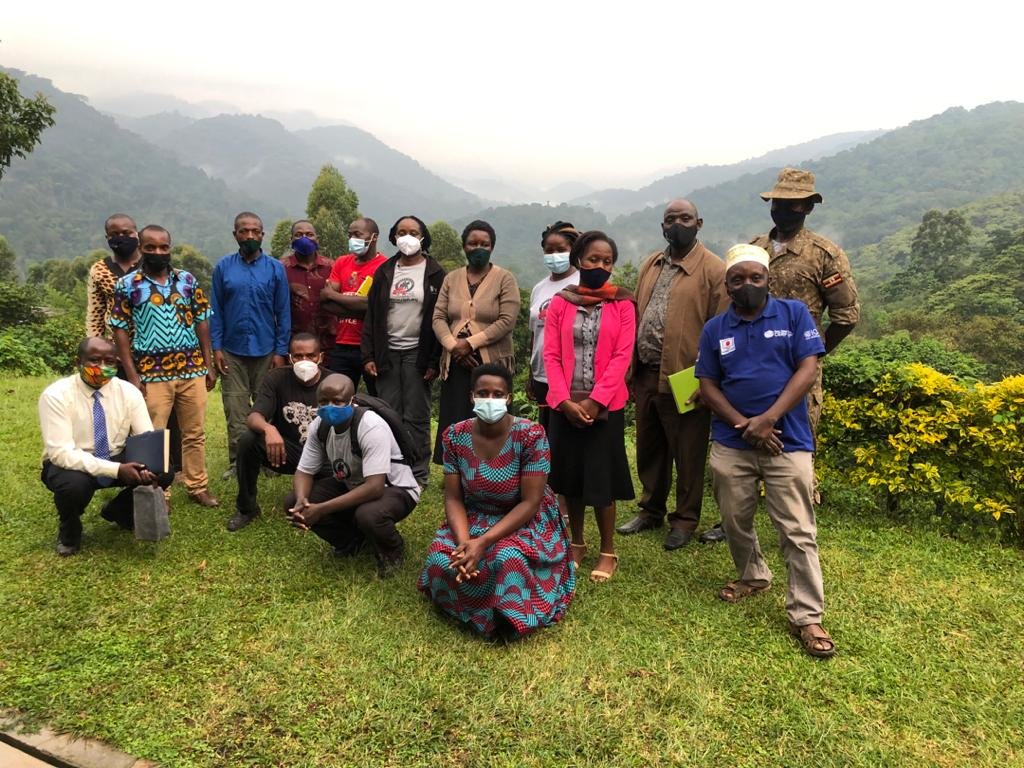
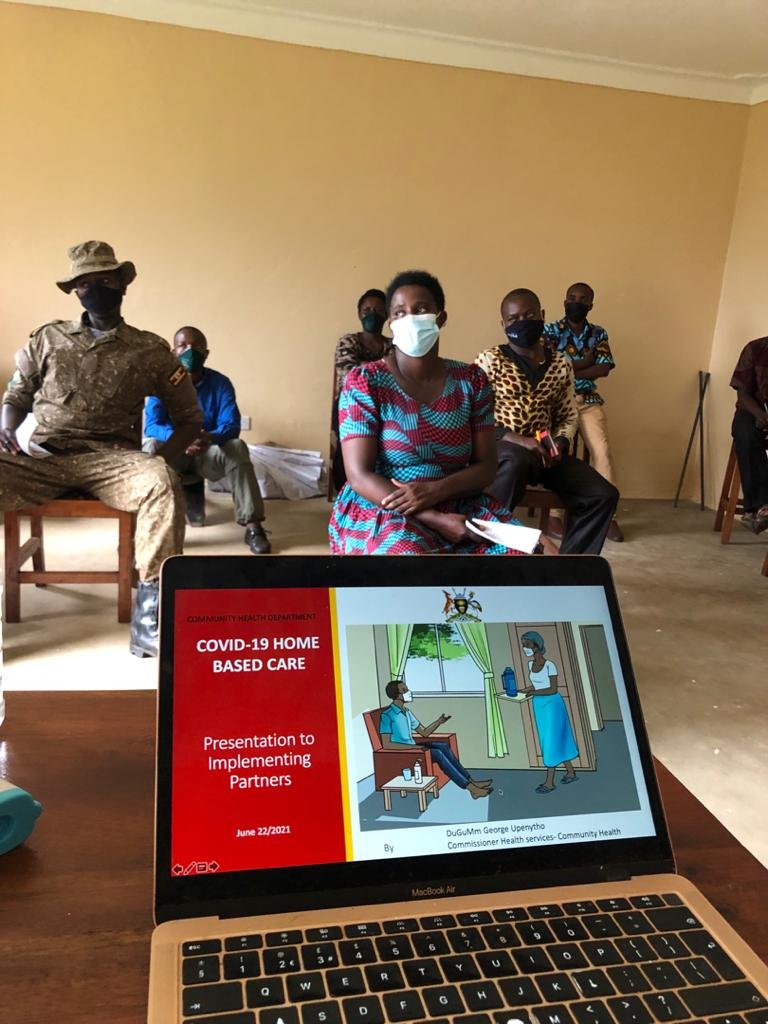
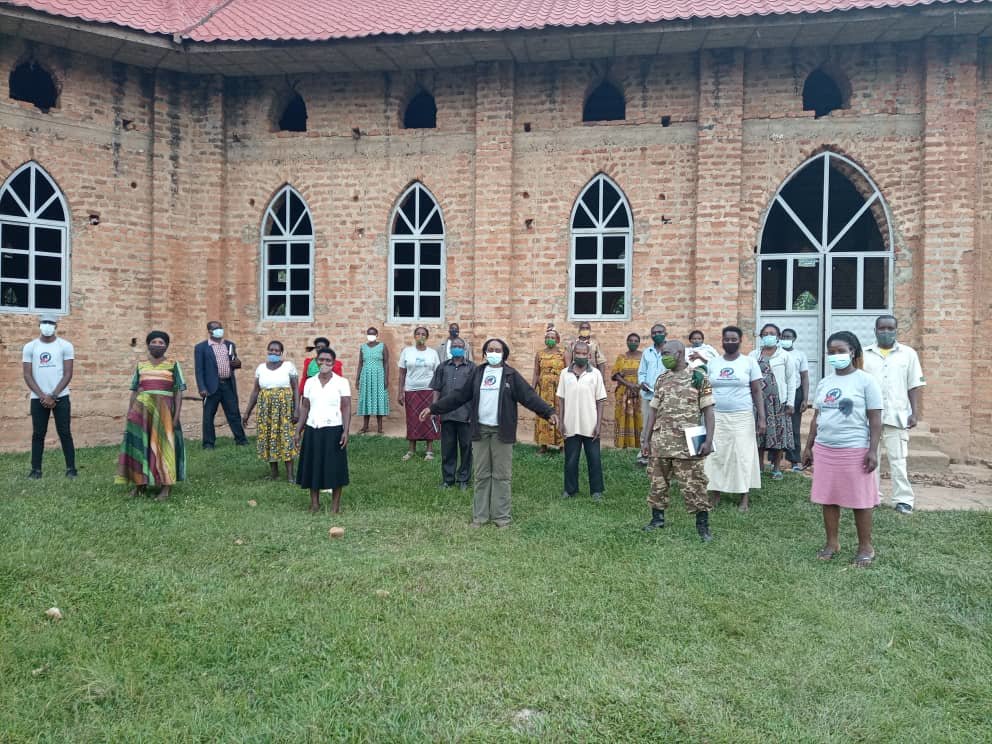
CTPH is preparing to conduct specialized training across all sectors of Bwindi and Mgahinga Conservation Area for Uganda Wildlife Authority (UWA) rangers, Community Conservation Animal Health Workers (CCAHWs), Human and Gorilla Conflict Resolution Teams (HUGOs), and Village Health and Conservation Teams (VHCTs). The training will build field-level readiness and strengthen coordinated response capacity across community and conservation platforms.
The planned sessions will cover Ebola Virus Disease preparedness, infection prevention and control (IPC), and emerging and re-emerging infectious diseases within a One Health framework. Training will also emphasize effective management of tourists and visitor movements to help reduce health risks while maintaining strong conservation protection measures.
Through this coordinated response, CTPH aims to reduce the risk of disease transmission in communities where people, wildlife, and livestock interact closely, while safeguarding gorilla populations and supporting the health and safety of communities living around protected areas. The preparedness effort also reinforces the long-term resilience of tourism, conservation, and community health during periods of heightened disease risk.
We extend our sincere gratitude to your generosity which is making our work possible. Your support is helping protect frontline conservation efforts, safeguard public health, and ensure a safer future for endangered mountain gorillas.
Links:
Project reports on GlobalGiving are posted directly to globalgiving.org by Project Leaders as they are completed, generally every 3-4 months. To protect the integrity of these documents, GlobalGiving does not alter them; therefore you may find some language or formatting issues.
If you donate to this project or have donated to this project, you can receive an email when this project posts a report. You can also subscribe for reports without donating.



Support this important cause by creating a personalized fundraising page.
Start a Fundraiser