By Dr. Gladys Kalema-Zikusoka | Founder and CEO
This report covers the Conservation Through Public Health (CTPH) project on GlobalGiving Urgent Action to curb COVID to people and gorillas. The last report was shared in November 2025, when the campaign received 232 donations amounting to $30,783.38 out of our $35,000 fundraising goal. To date, the project has received 239 donations amounting to $30,871.18 out of our $35000 fundraising goal.
During this quarter, we have managed to carry out the following activities;
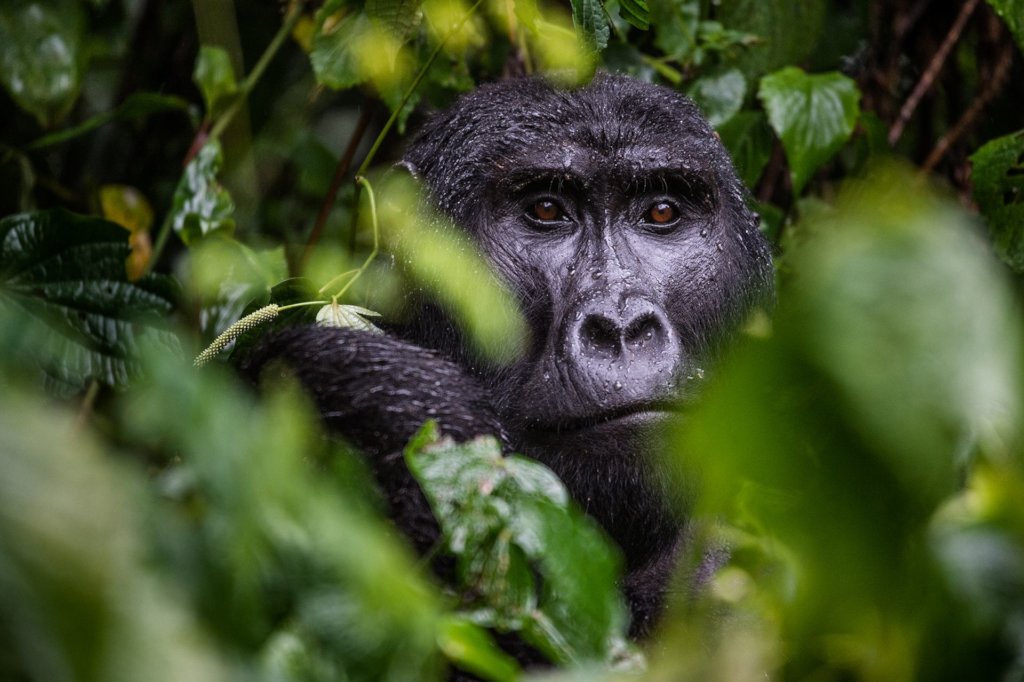
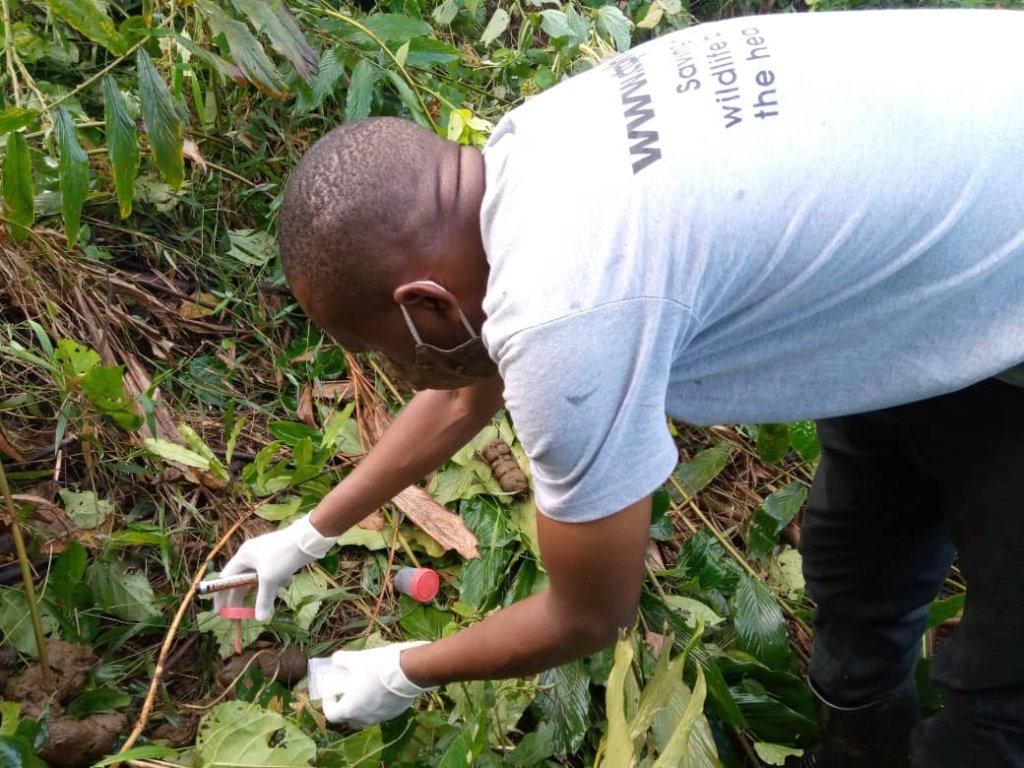
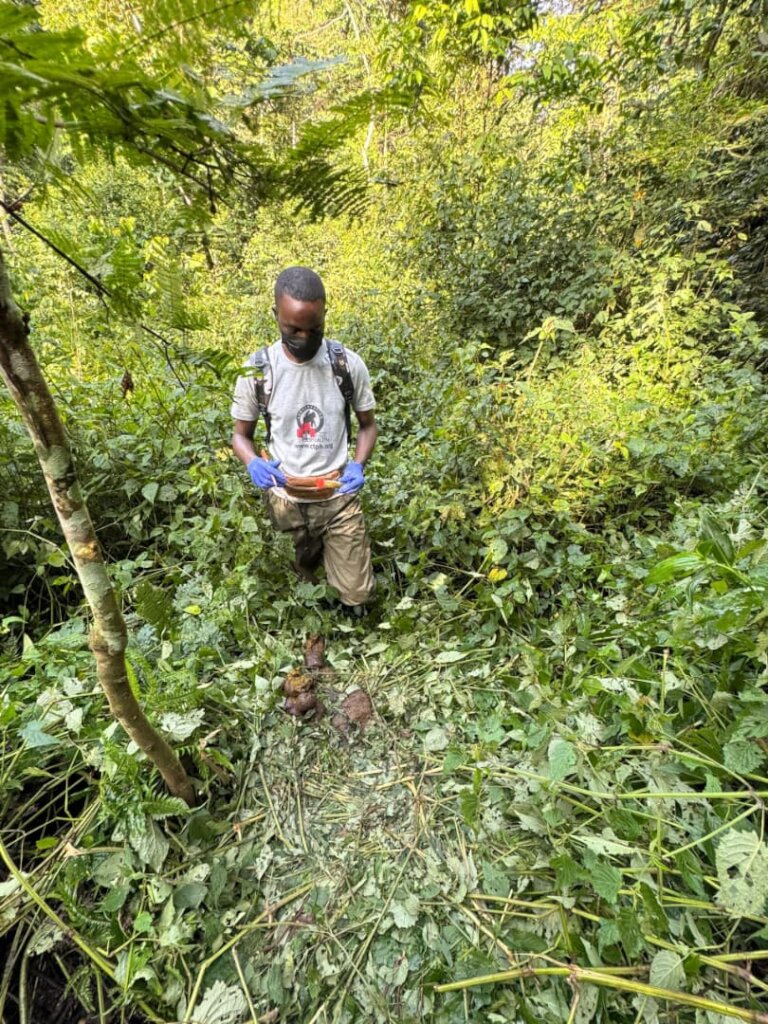
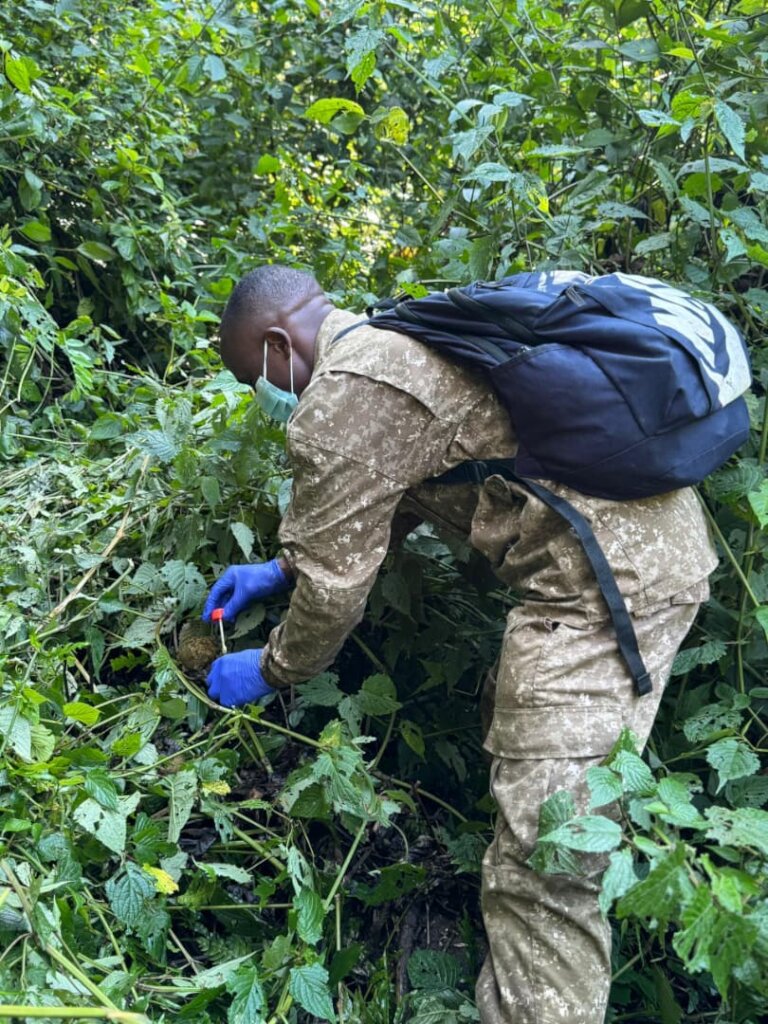
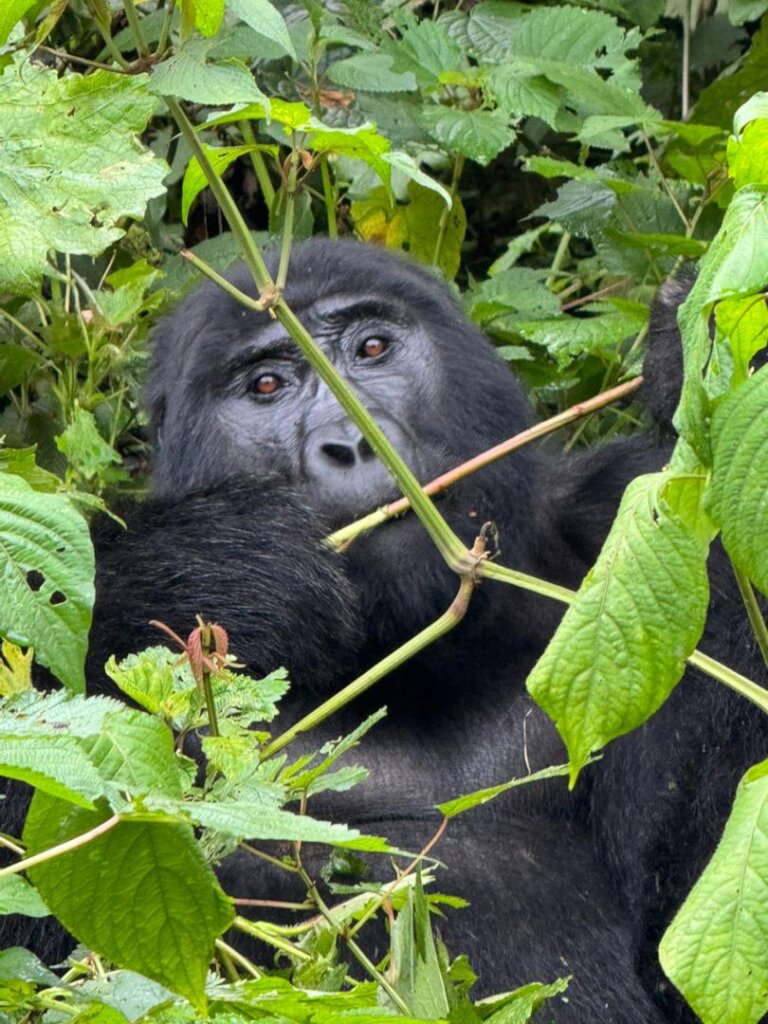
Our team continued to strengthen Gorilla Health Monitoring efforts in collaboration with the Uganda Wildlife Authority (UWA) rangers and the Gorilla Guardians, routine health monitoring continued across all 28 habituated gorilla families in Bwindi and Mgahinga Conservation Area (BMCA). Our team was able to collect a total of 608 faecal samples from the gorilla night nest. These samples were analysed at the CTPH Gorilla Health and Community Conservation Centre (GHCCC) field laboratory to check for parasites and other diseases which gorillas could be sharing with neighbouring people and livestock, with selected samples preserved for future viral testing.
To enhance disease surveillance among humans, mountain gorillas, and livestock, CTPH conducted a comprehensive comparative analysis using an intestinal parasite, Ascaris spp, as an indicator. This activity was followed by mass deworming of both humans and livestock that were sampled. Ascaris spp. is of zoonotic importance since it affects all three species, and therefore, determining and identifying the dynamics of its infection among these species informs us about the rate of cross-transmission of diseases among them. This activity was done in conjunction with the local government (sub-county Vet), CCAHWs, VHCTs, and Health workers from the health center around.
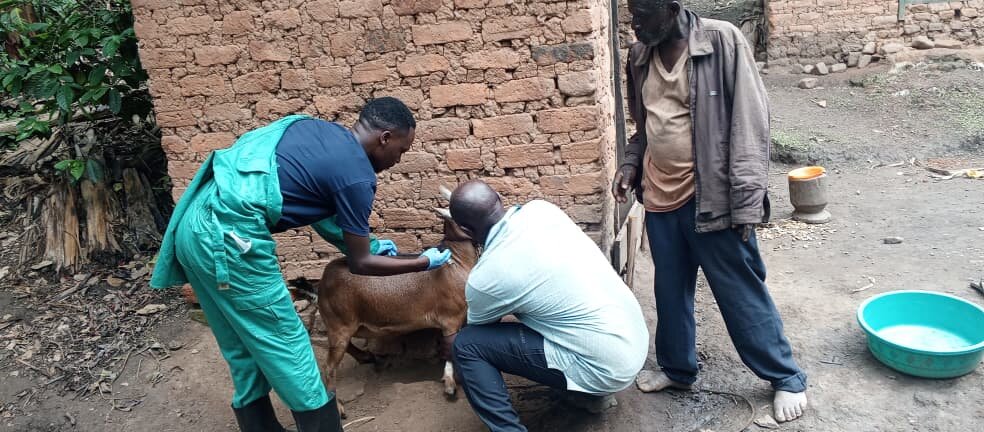
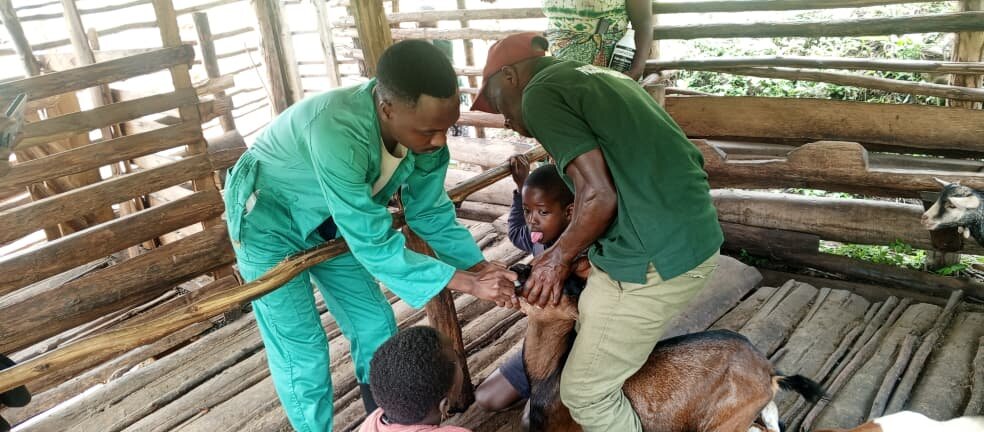
In February 2026, villages around Bwindi Impenetrable National Park experienced an outbreak of Peste des Petits Ruminants (PPR), also known as goat plague. This highly contagious disease severely affected these communities, as many goats died. To support communities, the CTPH Veterinary team reached out and did interventions for the mildly infected goats since the disease has no specific treatment. In addition to this intervention, farmers were also trained in basic biosecurity and biosafety measures to prevent further spreading of the disease. Although this disease is not of zoonotic importance, the impacts of the outbreak inform us about the critical need for early warning and detection systems in case there is an equivalent outbreak among the endangered mountain gorillas.
Links:
Project reports on GlobalGiving are posted directly to globalgiving.org by Project Leaders as they are completed, generally every 3-4 months. To protect the integrity of these documents, GlobalGiving does not alter them; therefore you may find some language or formatting issues.
If you donate to this project or have donated to this project, you can receive an email when this project posts a report. You can also subscribe for reports without donating.



Support this important cause by creating a personalized fundraising page.
Start a Fundraiser