By Dr. Gladys Kalema-Zikusoka | Founder and CEO
This report is an update on Conservation Through Public Health’s (CTPH) project (#52950) on GlobalGiving, “Urgent Action to Curb COVID to People and Gorillas.” The previous report was provided in July 2024. By this time, the project had 197 donations amounting to $30,237.25, which is 86% of the fundraising goal. To date, the project has 207 donations amounting to $30,329.86 of its $ 35,000 fundraising goal.
Background
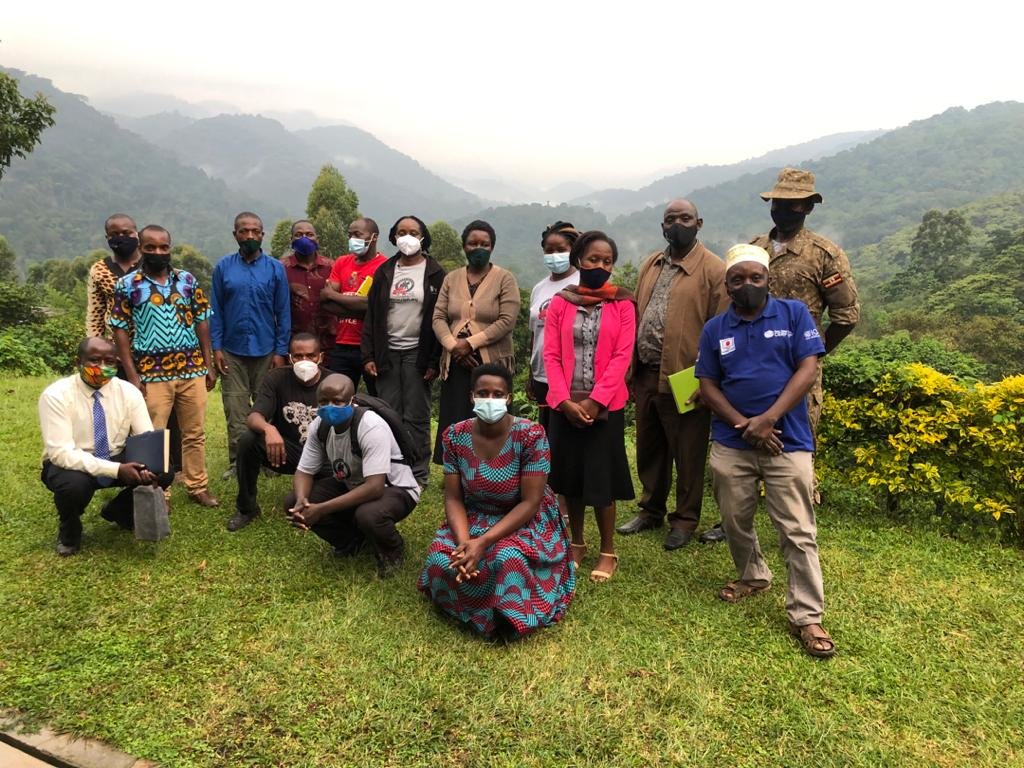
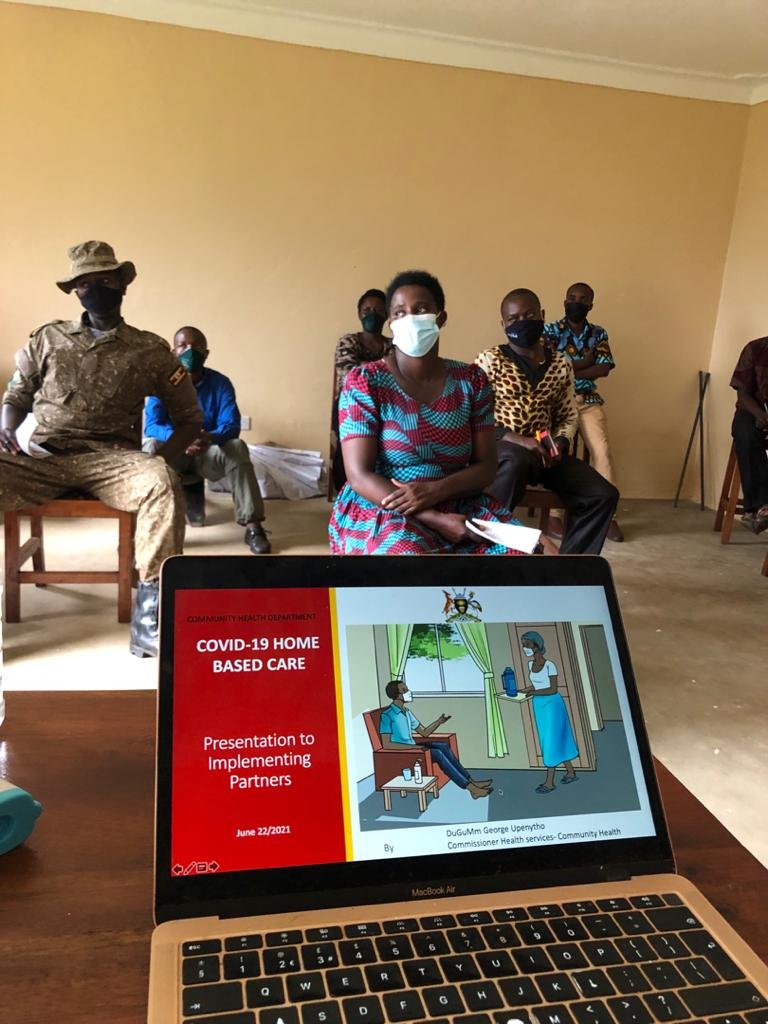
In 2020, the Ministry of Health introduced a Community Engagement Strategy for creating Village COVID-19 Taskforces (VCTFs) when the country was in Phase IV of the pandemic, with widespread community transmission and a lack of hospital beds. The strategy sought to engage communities, beginning with individuals at the household level, to take action in the fight against the pandemic. CTPH collaborated with Uganda Wildlife Authority (UWA), health and conservation partners, local leaders, schools, and religious institutions to set up 59 Village COVID-19 Taskforces (VCTFs) around Bwindi. The main aim of this was to support community surveillance, contact tracing, isolation, shielding of vulnerable individuals, management of home-based care cases, and raising awareness about prevention and vaccination through peer communication. The VCTFs have continued to be instrumental in sensitizing the community about emerging and reemerging diseases in their respective villages.
ACTIVITIES
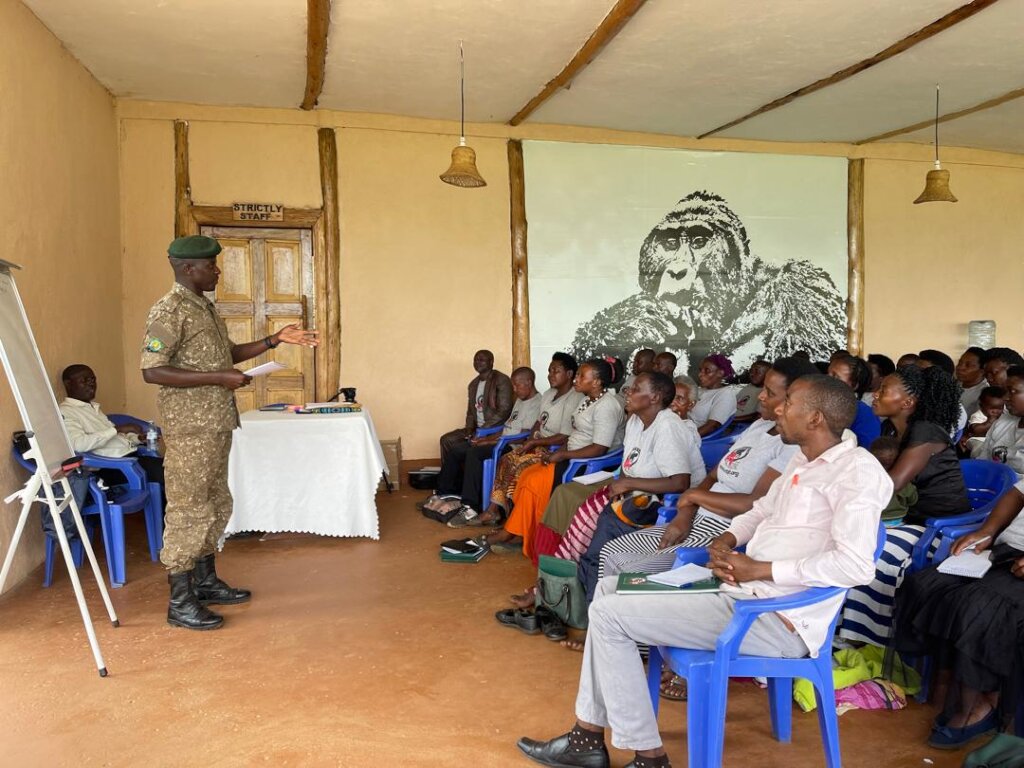
VHCT refresher training
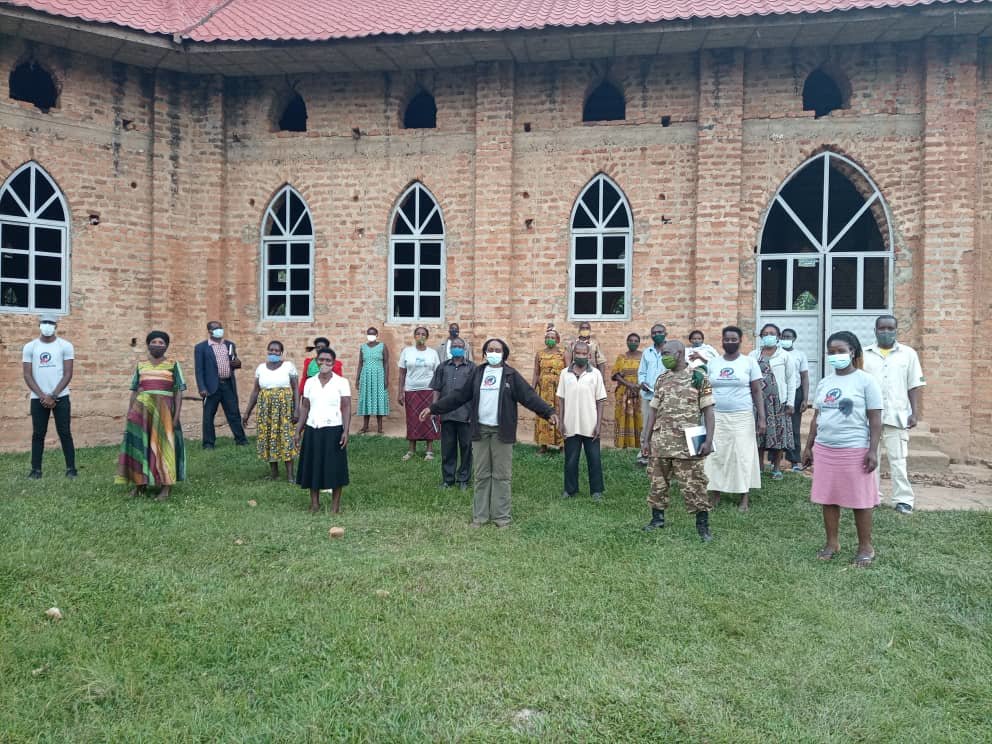
During this quarter, CTPH held a refresher training session for a total of 429 Village Health and Conservation Teams (VHCTs), where 51% of the participants were women. The training aimed to reinforce efforts to ensure that at least 50% of the households surrounding Bwindi Impenetrable National Park (BINP) achieve the status of Model Households. These households demonstrate positive behaviors such as sustainable agriculture, alternative livelihoods, reproductive health and family planning, proper sanitation and hygiene, and a commitment to wildlife conservation. This comprehensive training included several key components including Data Validation and Formative Evaluation Feedback helping to refine and improve strategies, discussions on the progress of the model household approach, with a focus on best practices and success stories, strategies to address lagging indicators, with emphasis on overcoming key challenges and focusing on areas that required improvement, Information, Education, and Communication (IEC) materials specifically developed for the VHCTs were tested and revised to ensure their effectiveness in conveying key messages, progress of all Village Savings and Loan Associations (VSLA) groups was reviewed, highlighting successes and any areas for improvement, Challenges faced by VHCTs during household outreaches and data collection were identified and addressed, ensuring that the teams are better equipped to manage field challenges.
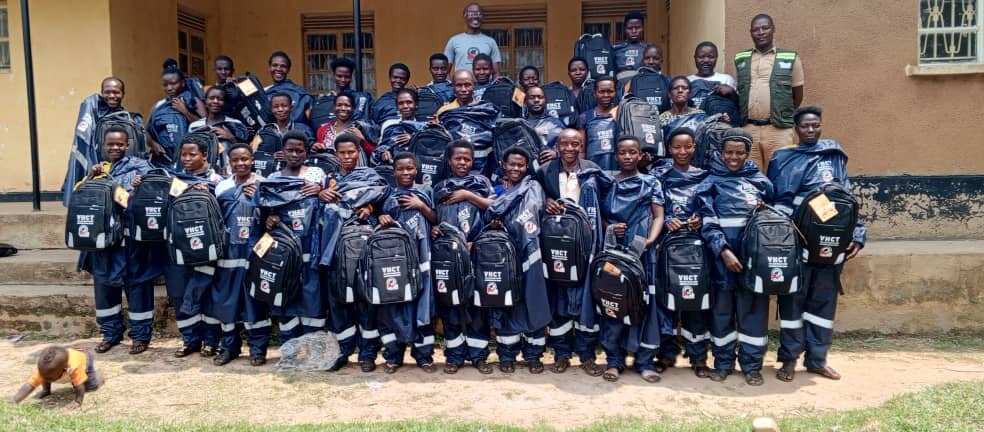
CTPH equipped 194 VHCTs with Personal Protective Equipment (PPE), including rain suits and waterproof bags, to aid their household outreach activities. This preparation ensures they are better equipped to work in challenging weather and terrain conditions. The training reinforced the VHCTs' roles in promoting public health, conservation, and sustainable livelihoods while addressing specific challenges they encounter.
VHCTs are fundamental members of VCTFs and play a crucial role in identifying cases within their villages.
Gorilla Health Monitoring
Our gorilla health monitoring team continued their routine gorilla health monitoring activity in collaboration with Uganda Wildlife Authority (UWA) rangers and Gorilla Guardians of Bwindi and Mgahinga Conservation Area (BMCA).
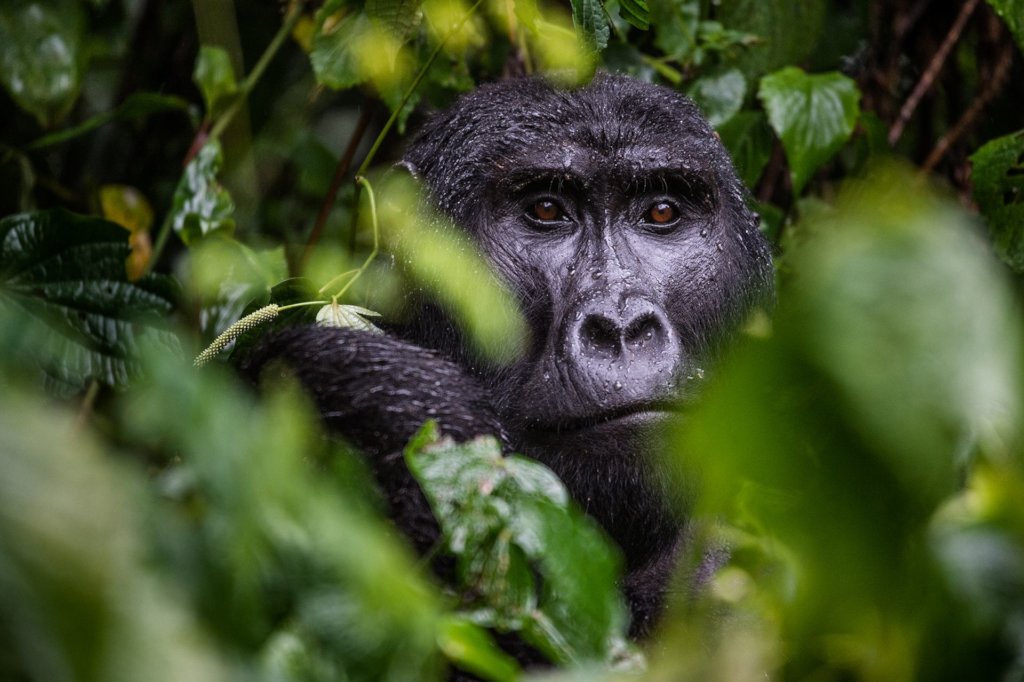
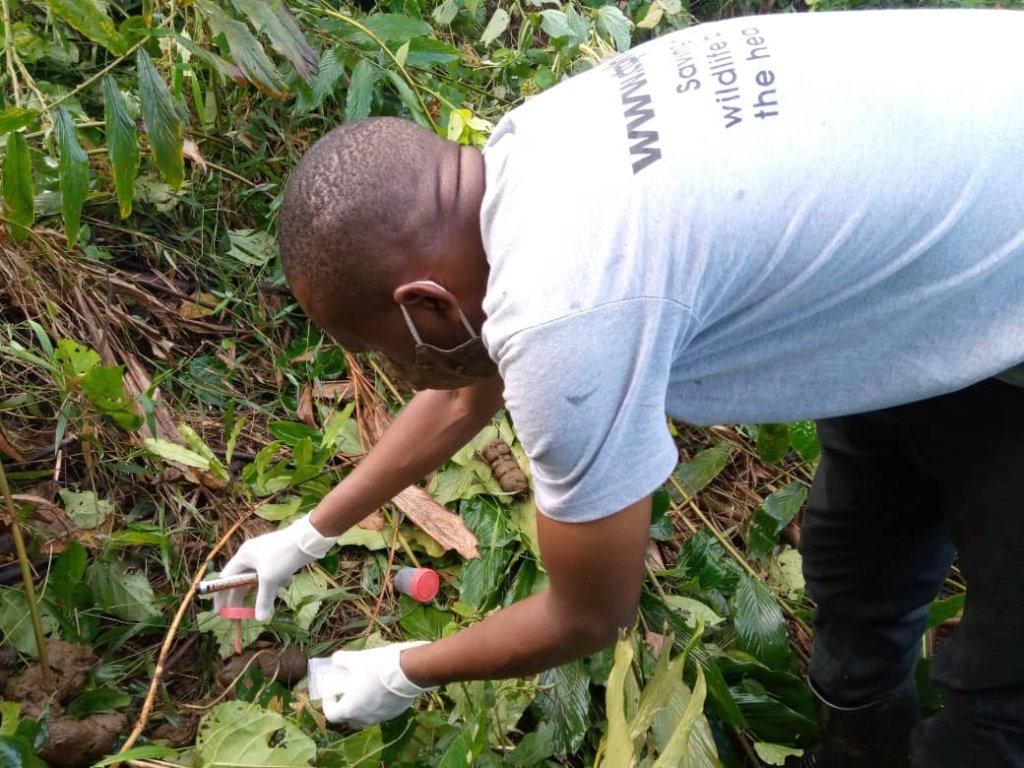
In this quarter, 616 gorilla fecal samples were collected from all 27 habituated groups using non-invasive methods where fecal samples are collected from Gorilla night nests. All the samples were analyzed at the Gorilla Health and Community Conservation Centre’s (GHCCC) field laboratory in Bwindi to check for intestinal helminth parasites and other pathogens. This enables us to create an early warning system for early detection, reporting of, and response to threats that might be a risk to the endangered mountain gorillas through local partnerships. Some of these samples are preserved for further tests for other respiratory illnesses including SARS-CoV-2 that causes coronavirus disease.
Gorilla births
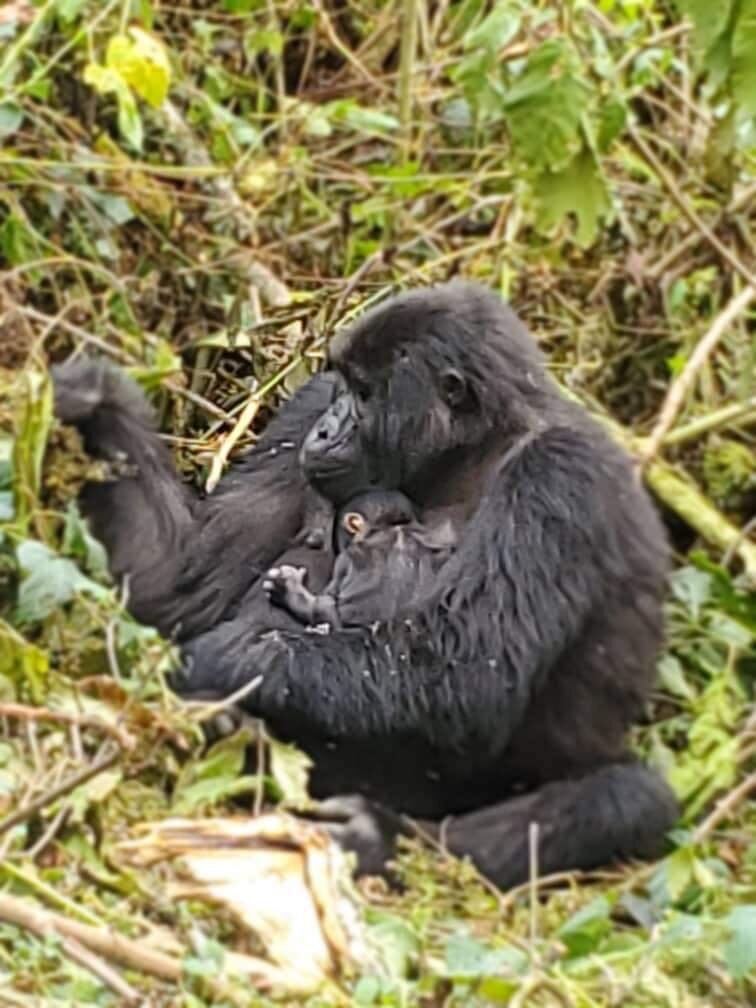
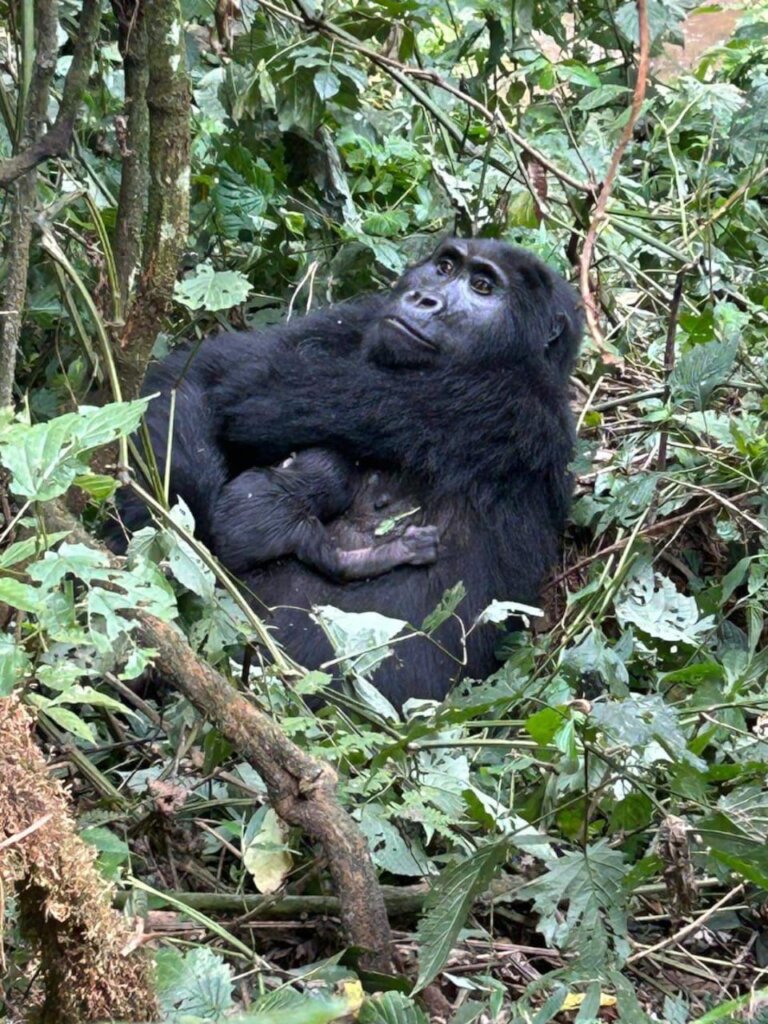
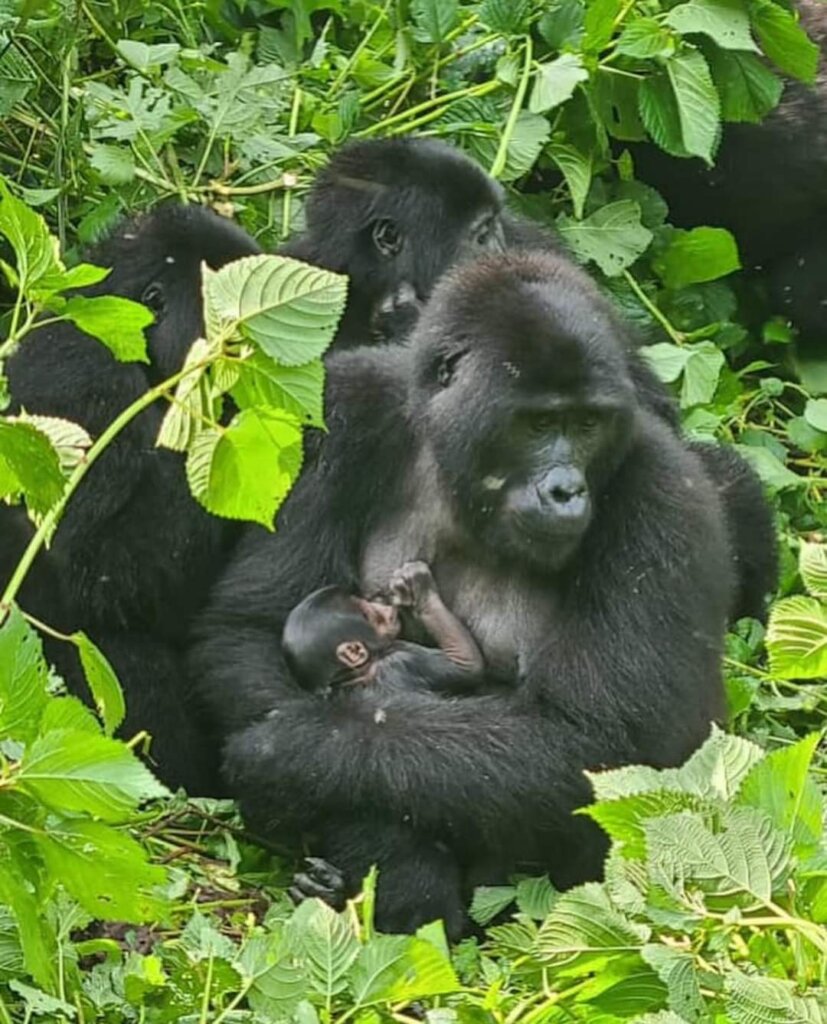
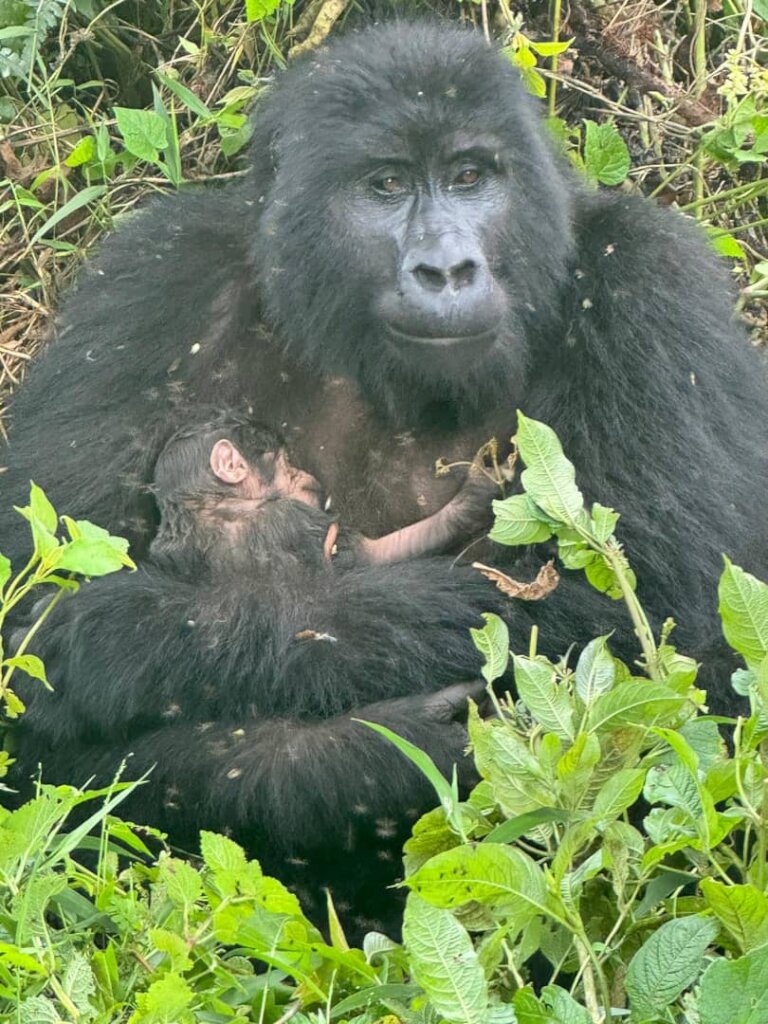
We are excited to announce the births of new gorilla babies this quarter.
In July 2024, adult female Mukidebe from the Kahungye gorilla family gave birth, bringing the group's population to 16 members. They continue to inhabit the forested hills of the Rushaga sector in eastern Bwindi, under the leadership of Silverback Kasigazi.
In August 2024, another baby mountain gorilla was born to adult female Munini in the Nshongi gorilla family, located in the southern part of Bwindi Impenetrable National Park. This new addition increases the total number of individuals in this family to 14, led by Silverback Bweza. This is Munini's fourth baby; she previously gave birth to Raha in 2012, who is now a handsome blackback, as well as Bayenza and Kijumwa in 2017 and 2021, respectively.
In October 2024, two more baby gorillas were born: one to adult female Kabagyenyi from the Nshongi Mountain Gorilla family and another to adult female Migogo of the Mucunguzi Gorilla family. Both mothers and their babies, along with the family leaders, Silverbacks Bweza and Mucunguzi, are in good health.
These births highlight the transformative conservation efforts we are undertaking, helping this once critically endangered species move further from the brink of extinction.
We congratulate the parents of the new babies and thank you for your continued support to Conservation Through Public Health.
Links:
Project reports on GlobalGiving are posted directly to globalgiving.org by Project Leaders as they are completed, generally every 3-4 months. To protect the integrity of these documents, GlobalGiving does not alter them; therefore you may find some language or formatting issues.
If you donate to this project or have donated to this project, you can receive an email when this project posts a report. You can also subscribe for reports without donating.



Support this important cause by creating a personalized fundraising page.
Start a Fundraiser