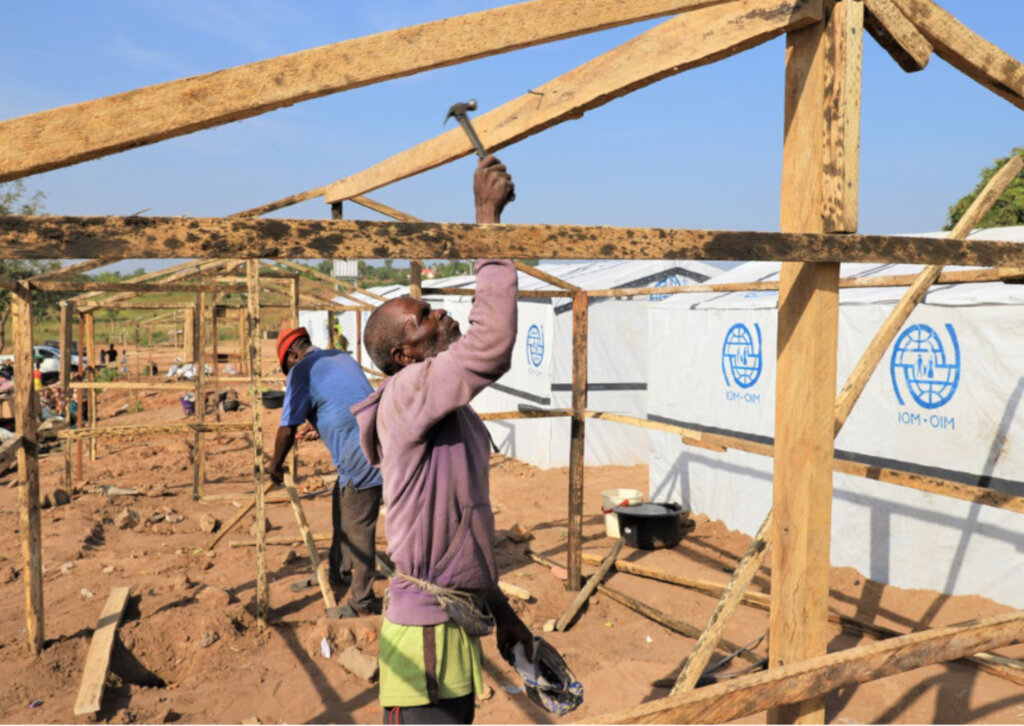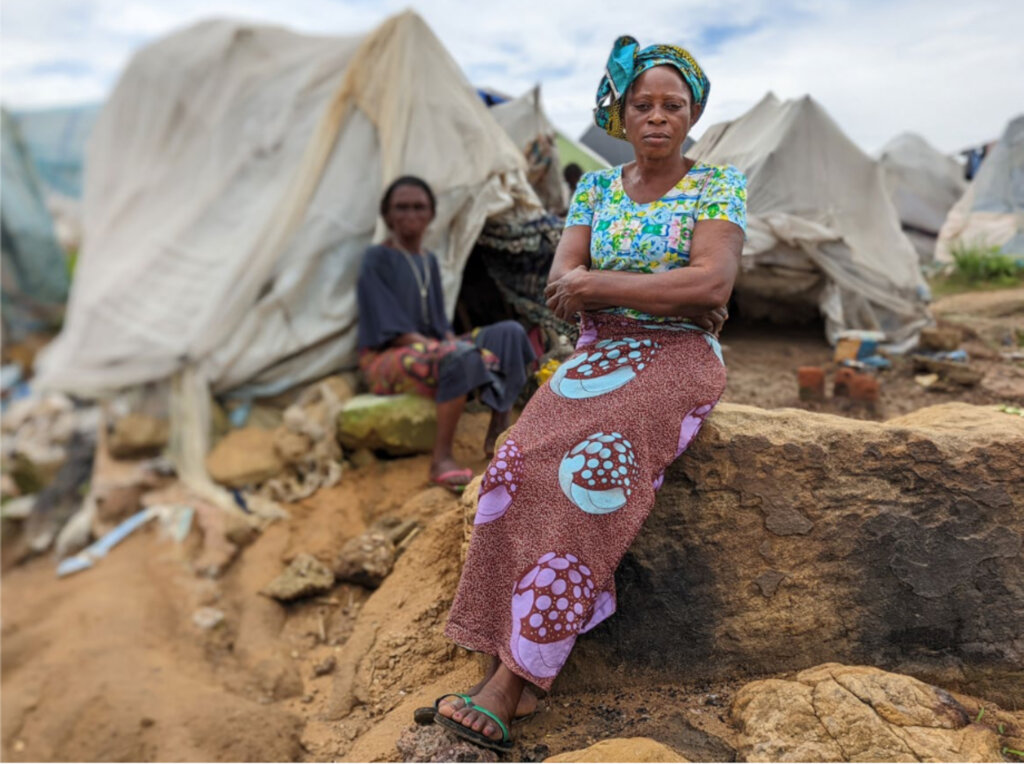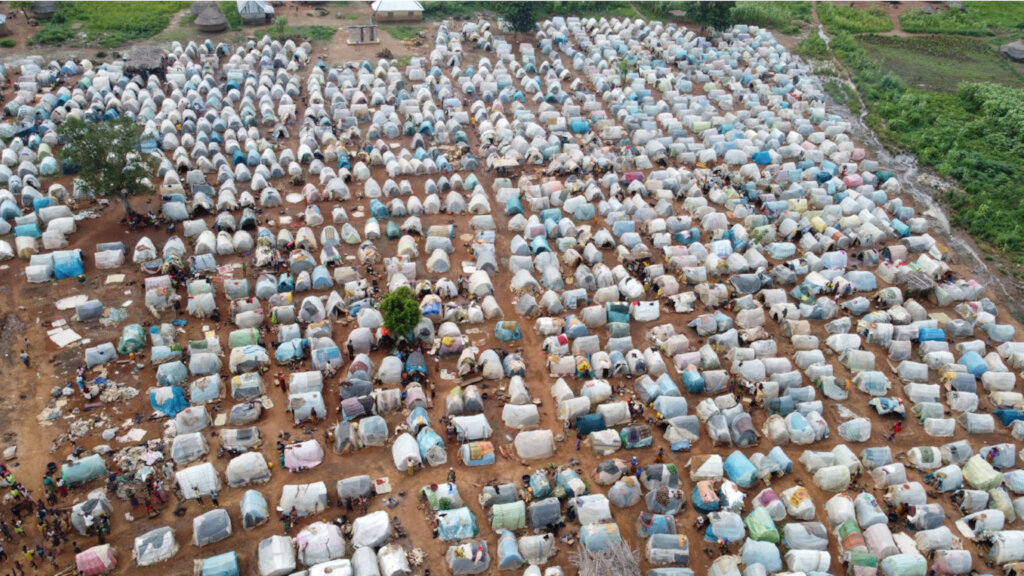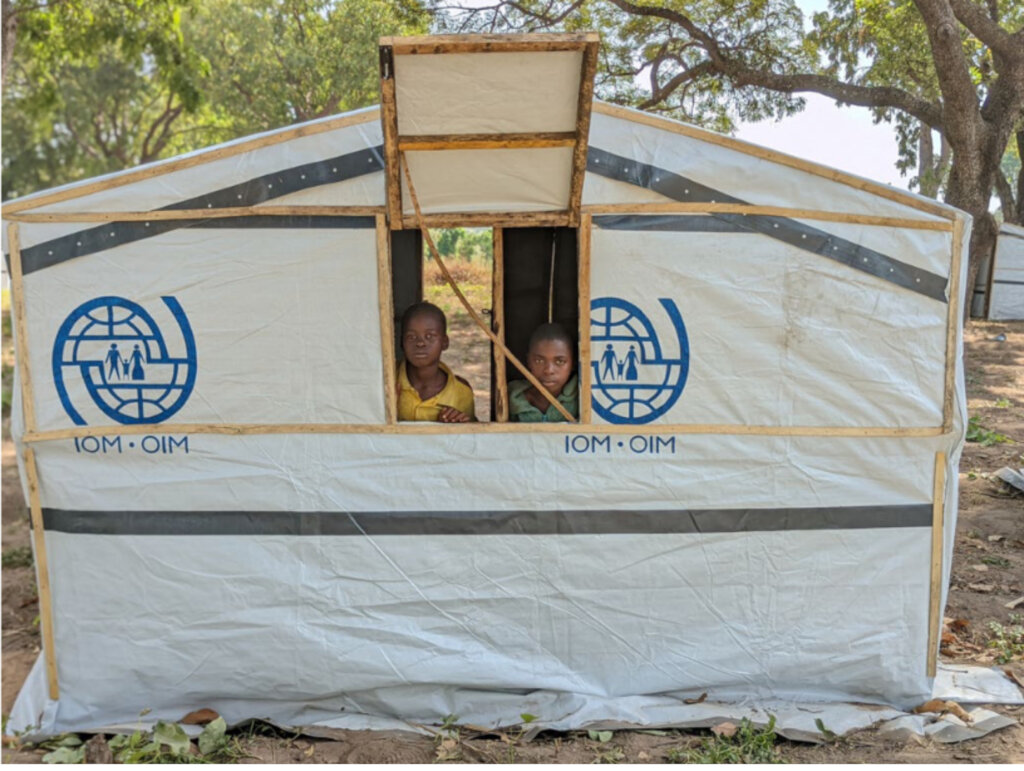
Ebola has entered Nigeria on 20/10/2026. Overcrowded displacement camps in Nigeria leave vulnerable families facing serious health risks. Ebola spread through direct contact or bodily fluids of an infected person including saliva and sneezing. An outbreak in these camps could put many lives at risk. This project will help protect internally displaced persons (IDPs) through Ebola awareness, infection prevention, hygiene supplies, early detection, and referral of suspected cases for medical care.
Thousands of internally displaced persons (IDPs) in Nigeria live in overcrowded camps with limited access to clean water, sanitation, hygiene supplies, and healthcare. These conditions make it difficult to prevent and control infectious diseases. Ebola spreads through direct contact with infected bodily fluids, putting families at risk if an infected person enters a camp. Without urgent prevention measures, early detection, and medical referrals, an outbreak could threaten many lives.
This project will help prevent Ebola outbreaks in Nigeria's IDP camps through health education, distribution of hygiene kits, installation of handwashing stations, and infection prevention training. Trained health workers will educate displaced families on Ebola symptoms, safe hygiene practices, and how to report suspected cases. The project will also support early identification and referral of suspected cases to designated health facilities for testing and medical care.
This project will help protect displaced families from Ebola and other infectious diseases through improved hygiene, health education, and early detection of suspected cases. Access to handwashing facilities, hygiene supplies, and trained community health workers will strengthen disease prevention in IDP camps. In the long term, displaced families will be better prepared to recognise health threats, seek medical care early, and reduce the risk of future disease outbreaks.


Support this important cause by creating a personalized fundraising page.
Start a Fundraiser