By Ma. Grazen Acerit | OISCA Japan Staff
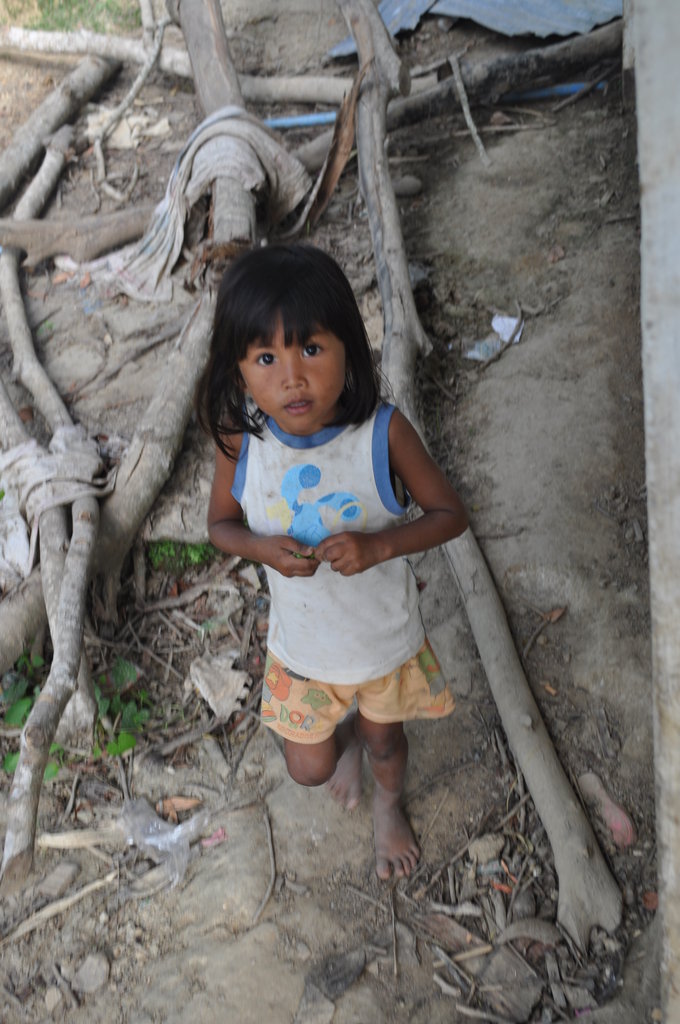
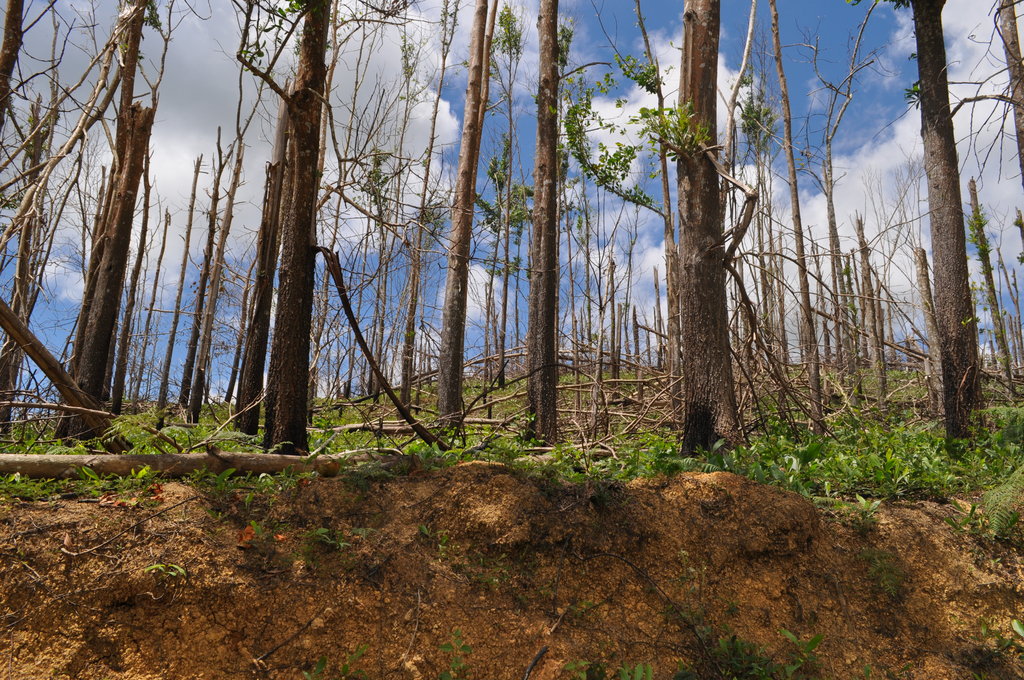
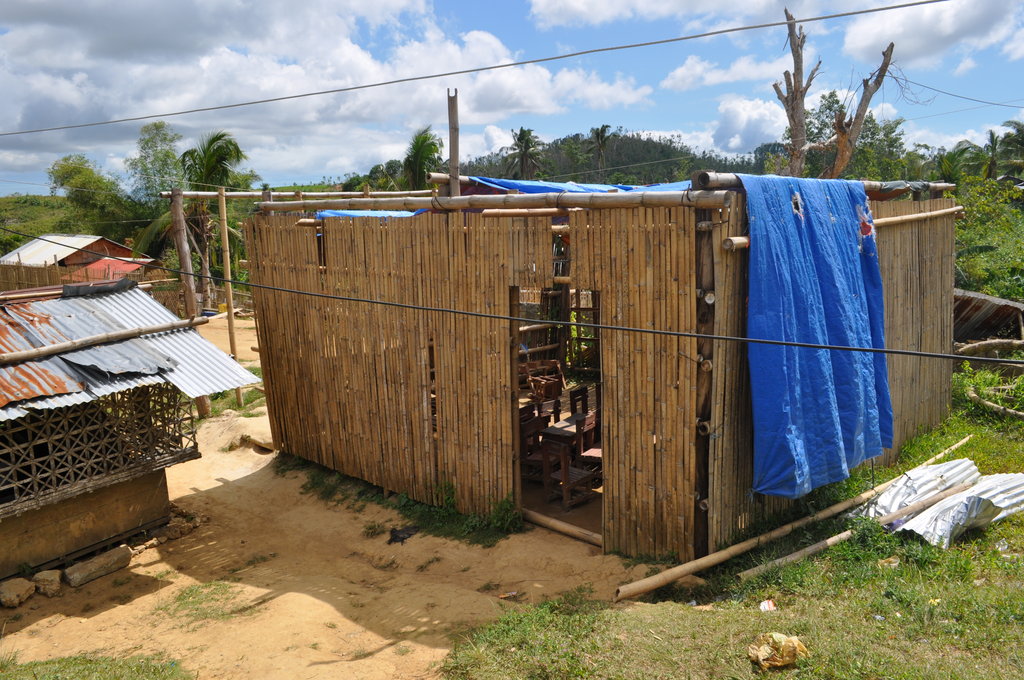
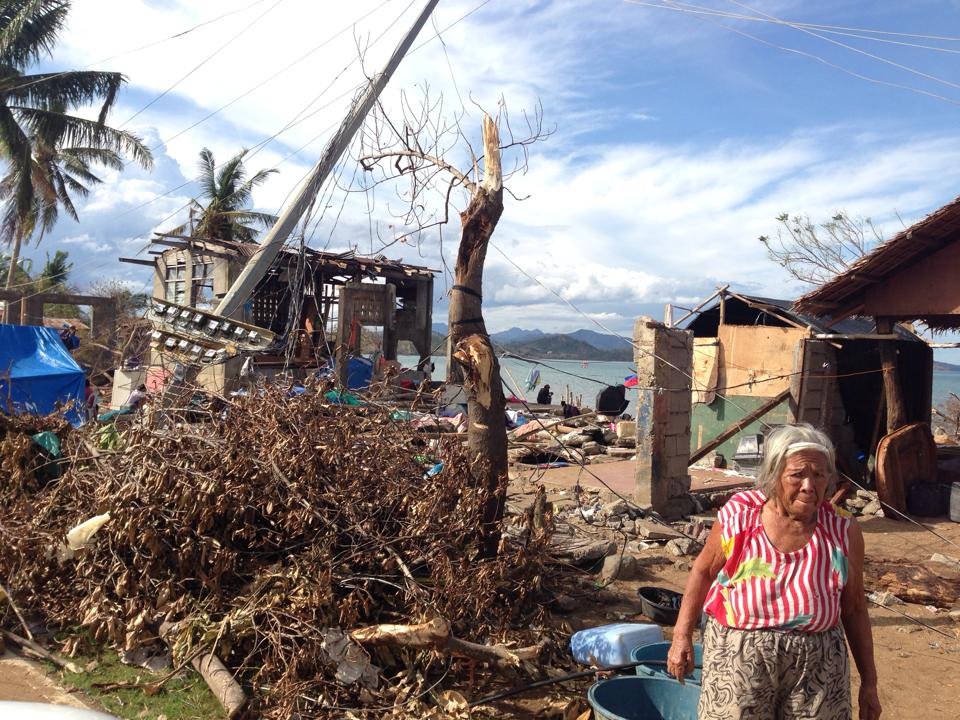
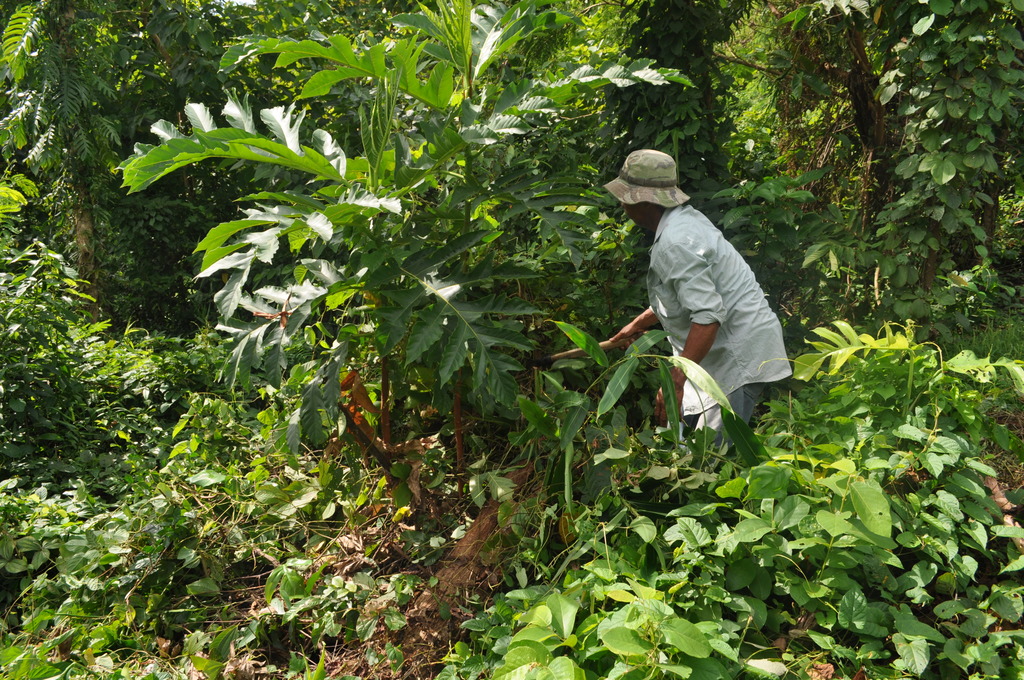
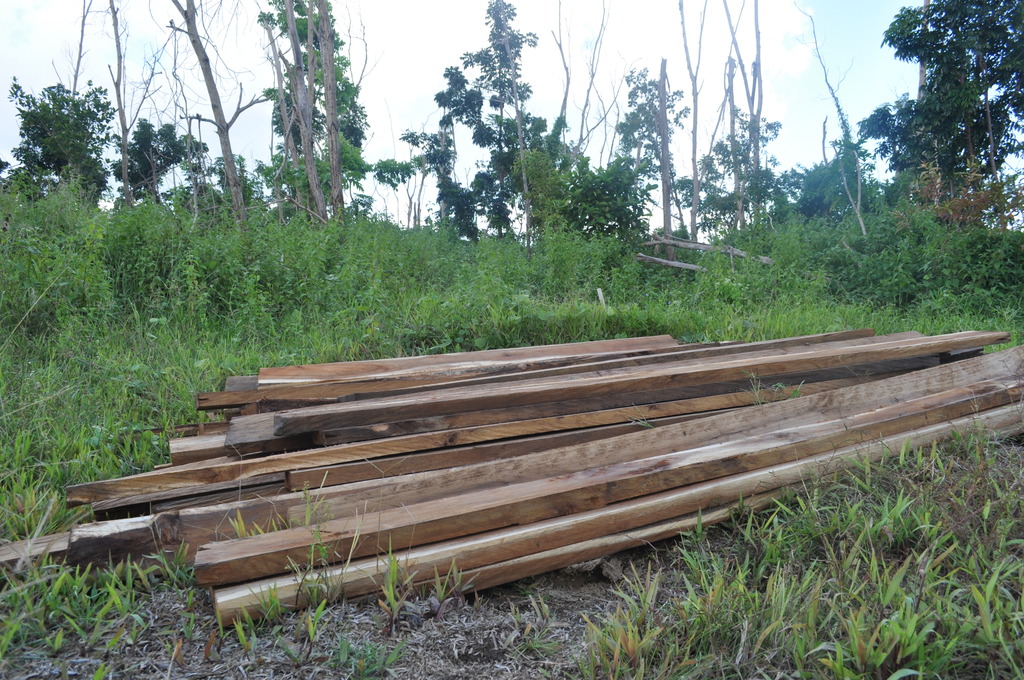
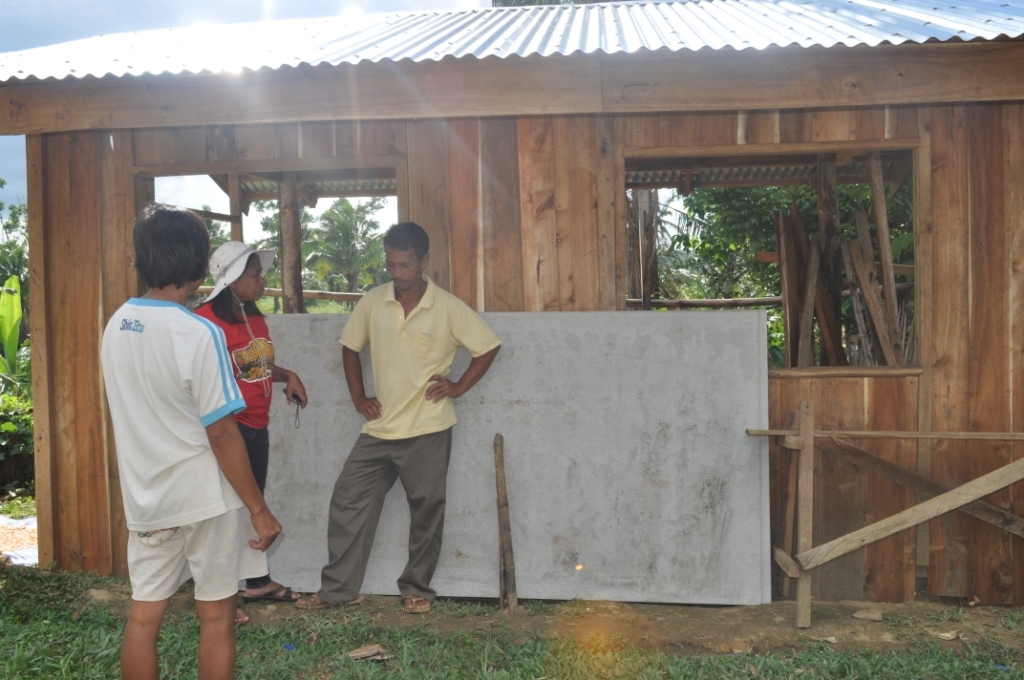
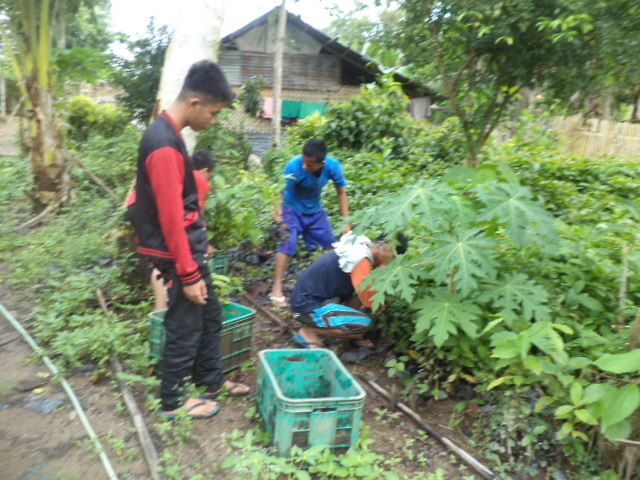
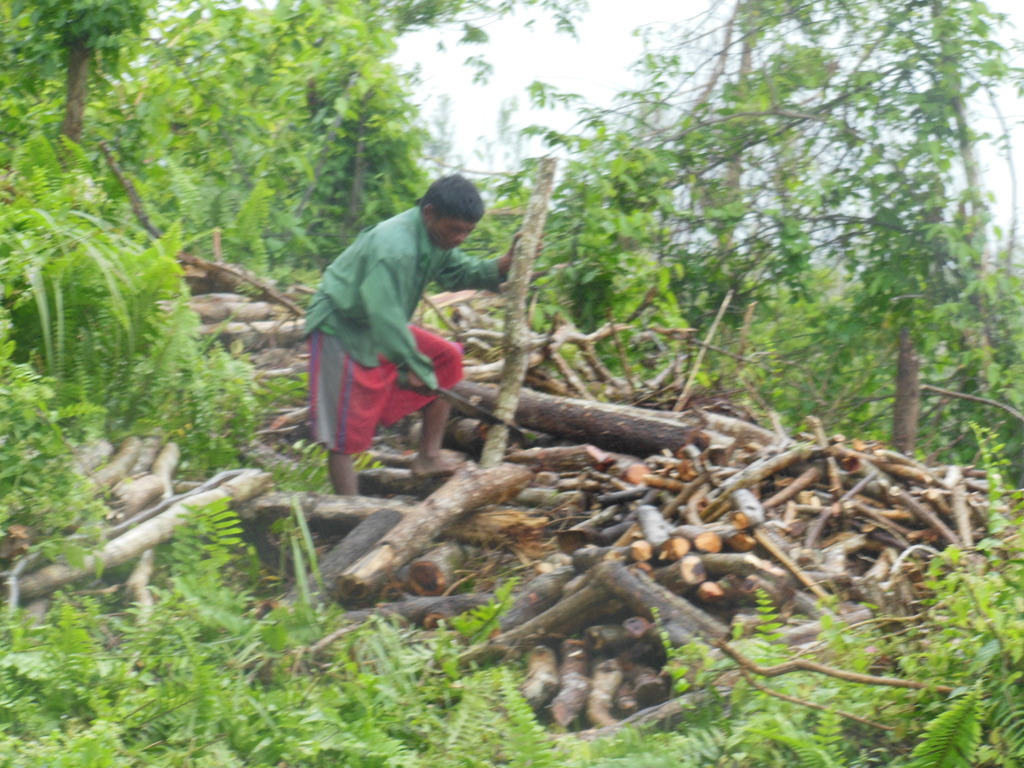
OISCA distributed free lumbers gathered from the cleared portion of the 1,000 hectares reforestation site devastated by typhoon Haiyan. The lumbers were used in the reconstruction and rebuilding of the damaged houses of the 30 households in the upland communities of Agbobolo and Badiangan, Municipality of Ajuy in Iloilo Province.
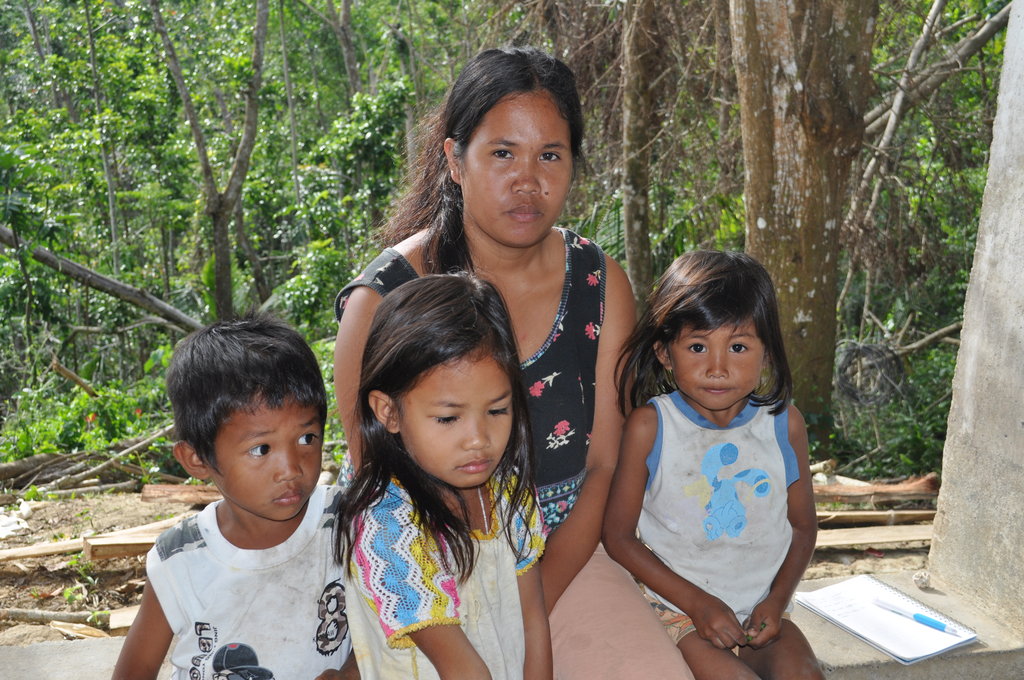
Since Ajuy was one of the areas badly hit by the typhoon, several international organizations have been working with the local organizations and the local government to help improve the living conditions of the disaster victims. However, compared to the residents of the lowland and coastal communities of Ajuy, people living in the upland communities have difficulty accessing these programs because of the poor road condition and the remoteness of these areas from the center.
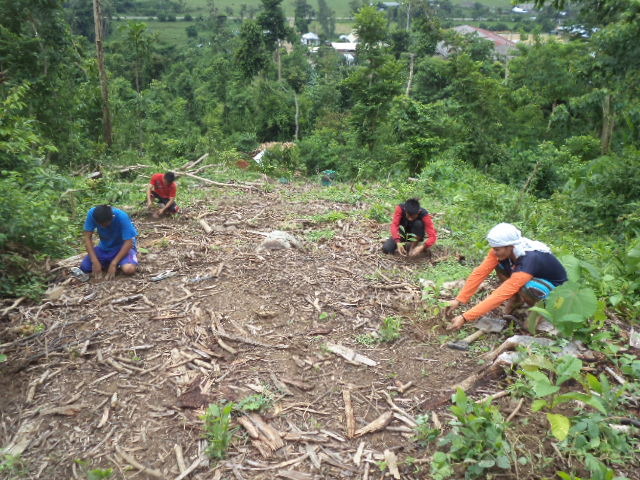
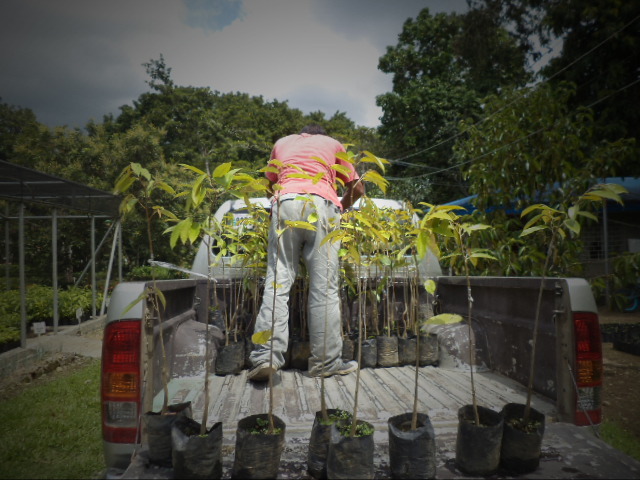
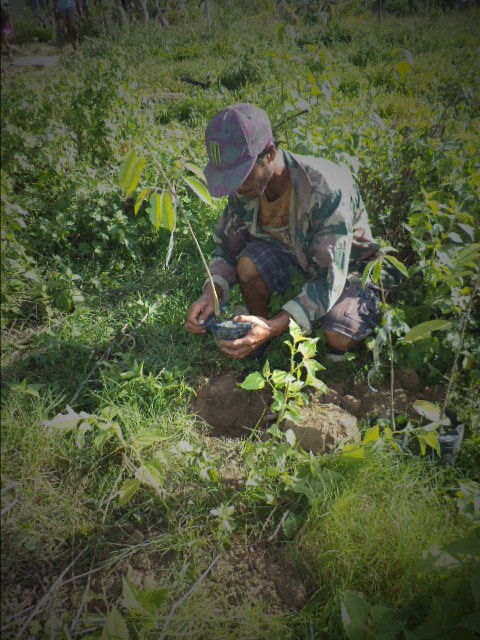
John Juanico (40) and a victim of the typhoon received lumbers enough for the rebuilding of his house. John and the rest of the residents of the upland communities pledged to plant 700 seedlings and help in the maintenance of the OISCA project site. Lumbers were also donated for the reconstruction of the church in Badiangan.
For many years, before typhoon Haiyan made landfall in Ajuy, the locals have been enjoying several benefits of having a forest including a good water source for their agricultural production and natural shields against natural disasters. Without the trees, the local farmers are now having difficulty producing good quality of crops due to a lack of water for agricultural production. Moreover, the locals who are once enjoying a comfortable temperature because of the existence of tree vegetations are now exposed to extreme hot temperatures especially during summer.
It might take again another two to three decades before the Ajuy forest will be fully restored. The success of the Upland Forest Rehabilitation Project now relies on the level of cooperation and commitment of the local residents as they involved themselves in the immediate recovery of their forest.
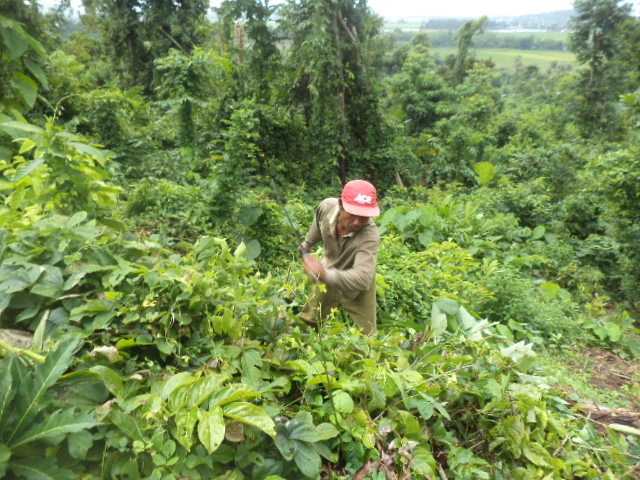
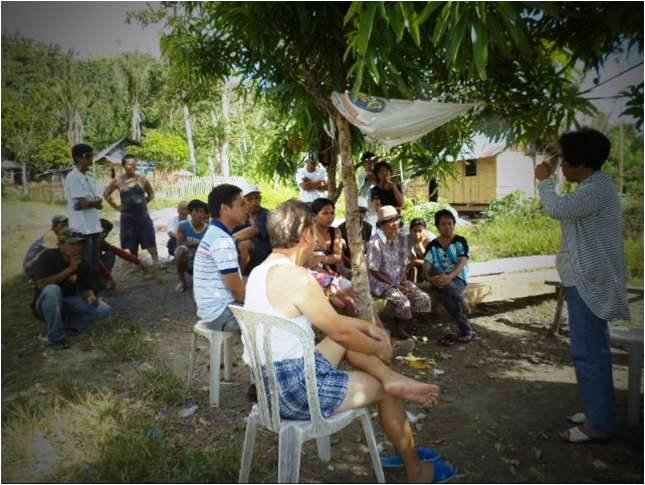
So far, through the community organizing held prior to the actual tree planting activities, regular meetings and constant involvement of the locals and mobilized volunteers in the maintenance of the planting site, the survival rate of the planted seedlings at the initial year of the project is 90%.
By Ma. Grazen Acerit | OISCA Japan Staff
By Ma. Grazen Acerit | OISCA Japan Staff
Project reports on GlobalGiving are posted directly to globalgiving.org by Project Leaders as they are completed, generally every 3-4 months. To protect the integrity of these documents, GlobalGiving does not alter them; therefore you may find some language or formatting issues.
If you donate to this project or have donated to this project, you can receive an email when this project posts a report. You can also subscribe for reports without donating.


Support this important cause by creating a personalized fundraising page.
Start a Fundraiser