By Sarah Neff | Umoja Project Field Intern
A Saturday of GET UP with former intern Sarah Neff
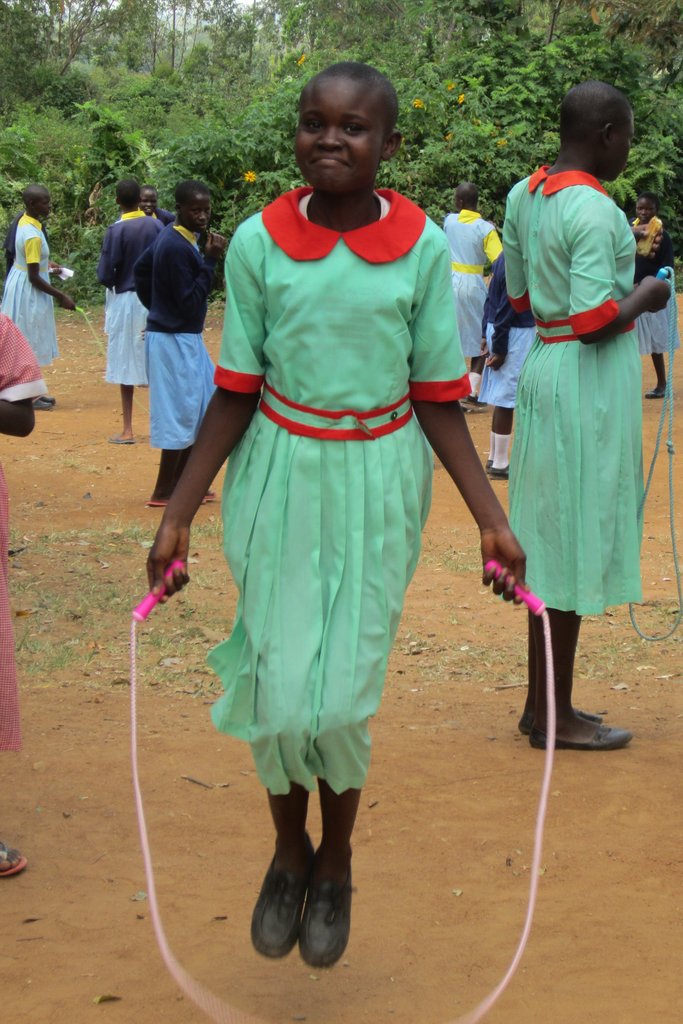
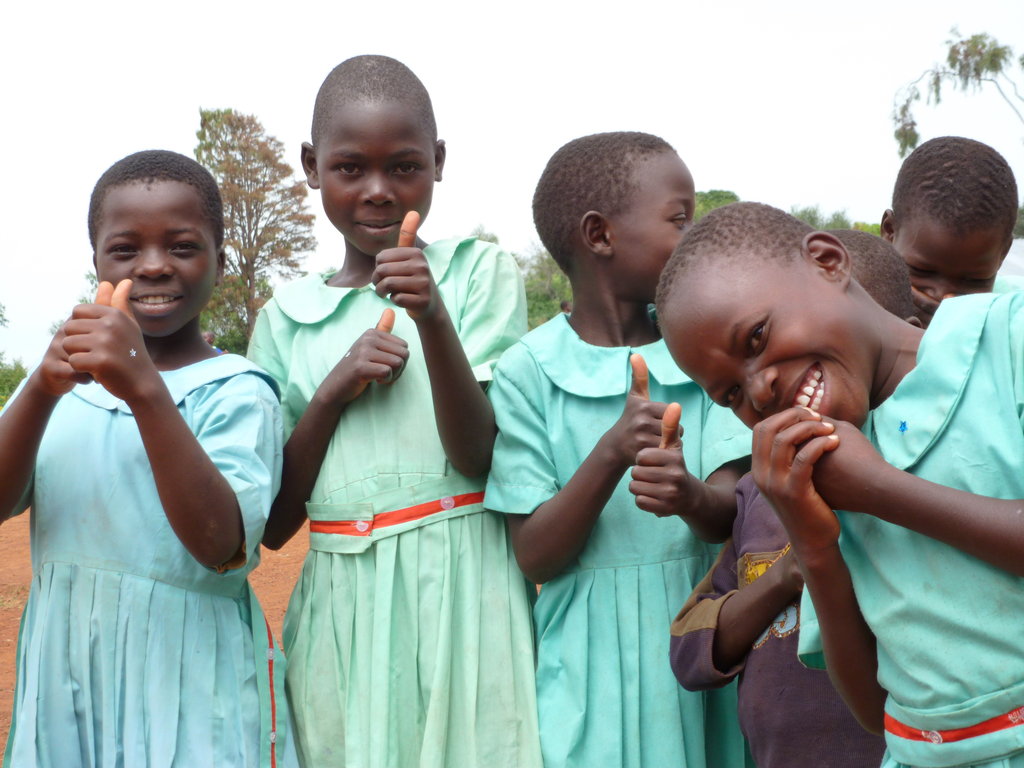
In the face of all of this that is so despairing to report, I also am here to bear witness to incredible hope. I think my favorite image of hope is of something, some scrappy, green plant, coming up through the sidewalk. Girls, in Kenya, in the Chulaimbo region, are coming up through their circumstances and blooming.
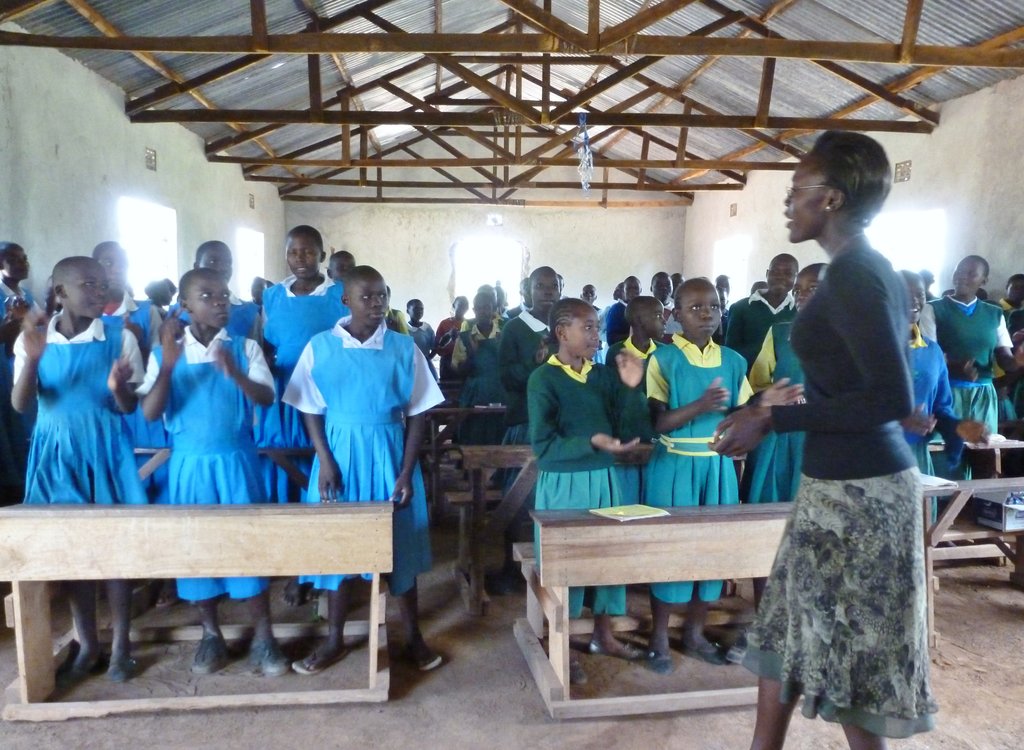
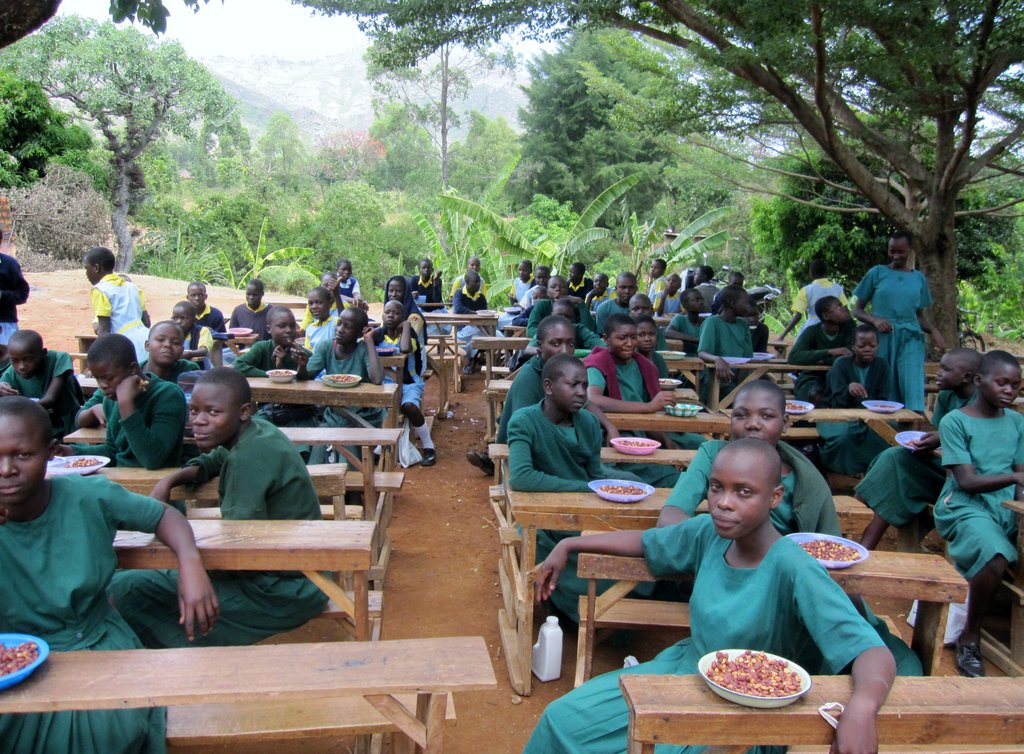
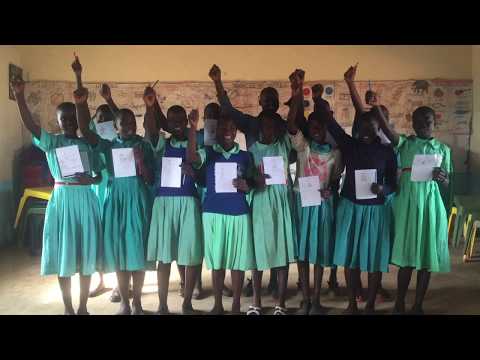
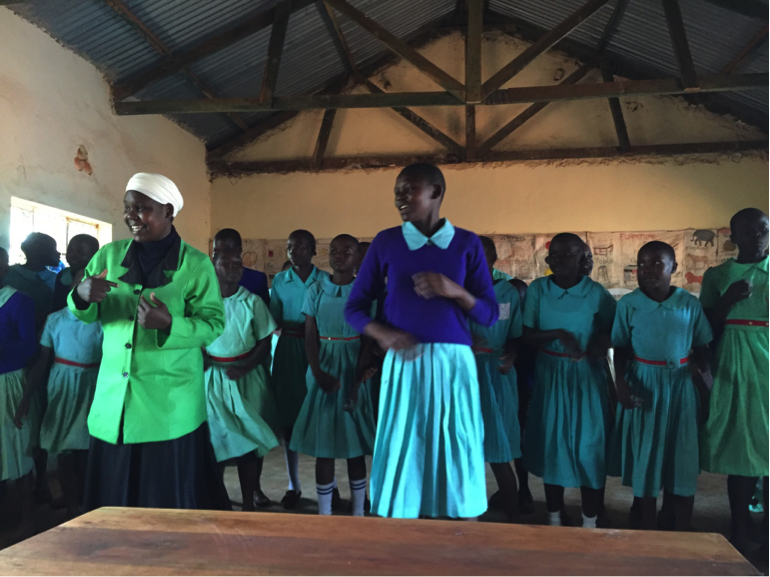
The image I want to share is of a dimly lit primary school classroom on a Saturday morning. Girls file in, sitting four to a desk. Their energy is infectious: the room is humming with whispers, giggles, rustling of notebooks. The room fills, and we all rise to sing—call and response—about the mercy of God (although to be honest, I might have misunderstood the Swahili).
As the song fades, the GETUP facilitators, Grace and Monica, stand and run the introductions. The focus of the day is on emotions—what emotions are, and how to cope with them. The facilitators talk about words like anxiety and shame. They describe the way a girl walks when she was experiencing success: “Success makes you walk this way,” said Monica, shaking her hips as she walked the aisle. The girls giggle.
What is extraordinary about the lesson is the way these mentors relate to the everyday lives of these girls, giving them the language and tools they need to face challenges confidently. Later, the facilitators tell the girls that it’s ok to cry, that crying is a natural way for us to release the pressure inside us when sad things happen. They give examples from real life—like when a parent dies, or a boy pressures you into a relationship. They tell the girls that it’s important to have self-confidence and high self-esteem so that they can stick to their convictions and dreams.
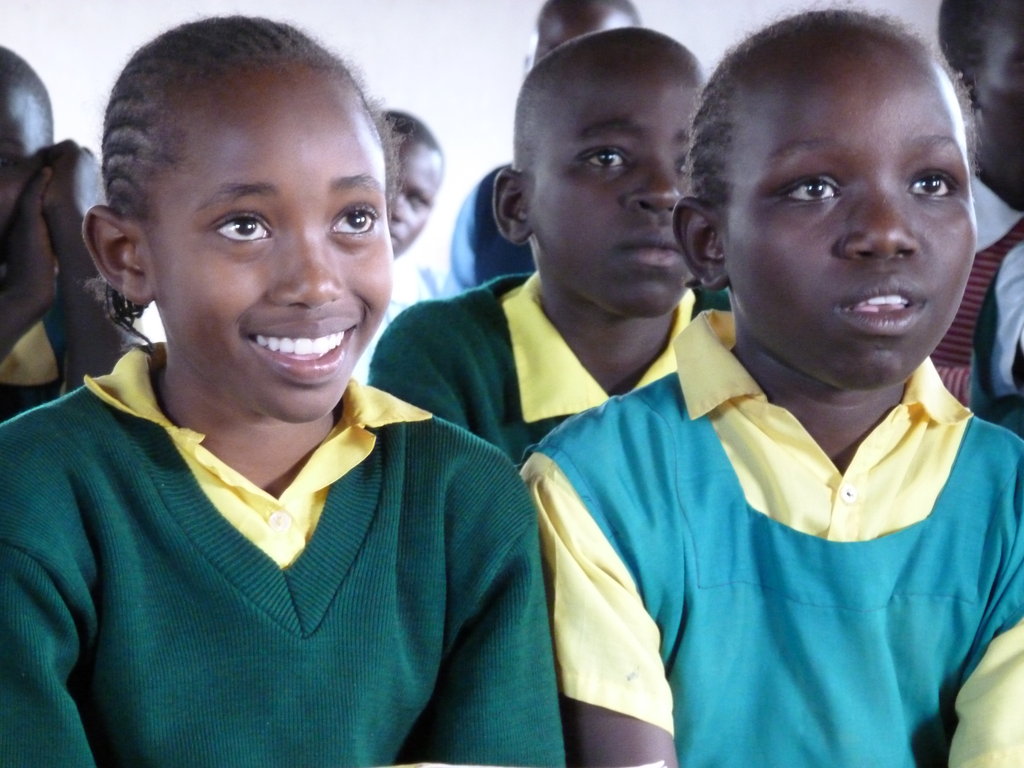
The girls listen attentively, raising their hand to volunteer scenarios from their experience. As I sit in the corner and listen, I can’t help but notice there is something, especially in Kenya, about a room in which there are only girls—I think because men are seen as authoritative, the second girls are alone in the room there is a tangible release, a concrete freeness of breath. I wish the morning wouldn’t end, that these girls and I could bask in the dusky sunlit safety of that room forever.
But that moment does end—and the girls go back into their daily rhythms. At first, I wasn’t sure what effect these few hours on Saturday mornings could possibly have on the girls’ ability to navigate their lives with resiliency and courage. But the more I saw, the more I understood. For a girl to be educated, said Mwalimu Jen Atieno from Bar Union, changes the way her whole village will see her. For these girls, receiving extra lessons and care is not merely equipping them, it is a symbol of their value in society: by teaching girls, we are telling them that they are worth pouring into, worth care, worth investment. Jen says that ignorance is what allows the girls to be taken advantage of, and even the simple lesson— that each girl has the power to say NO, to assert her choice over her circumstances—is making a profound difference.
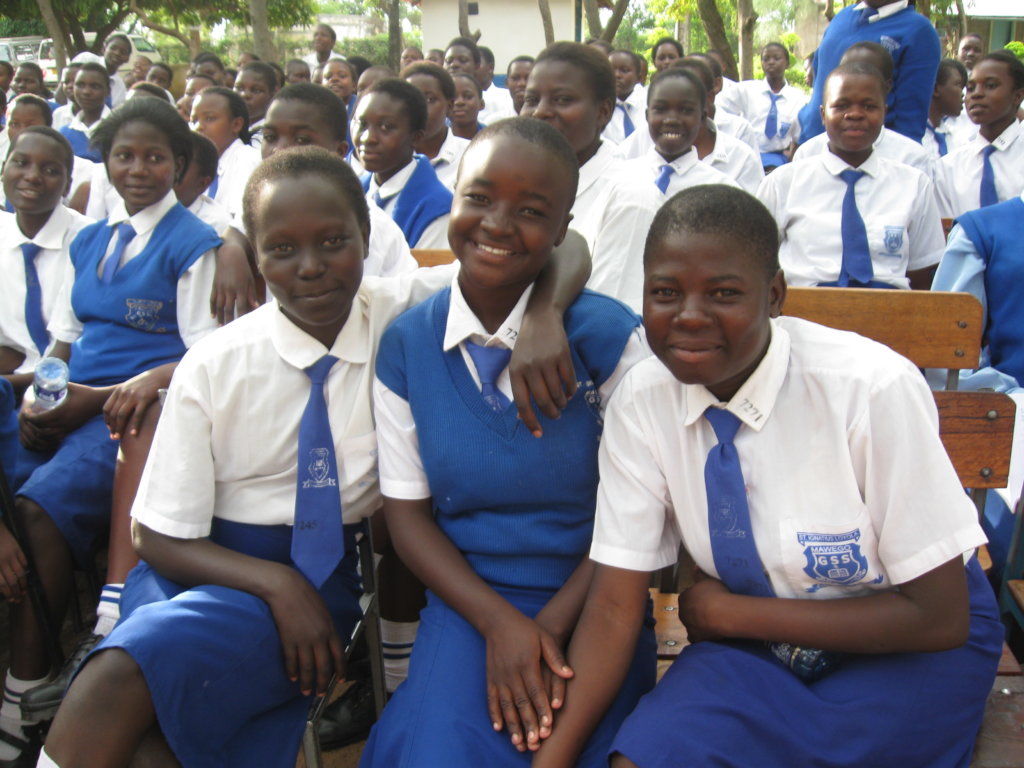
Jen’s sentiment was echoed, over eight weeks, all over the Umoja catchment. Head teachers, LINK teacher, guardians, mentors—over and over we heard that girls are starting to succeed more and more, oftentimes becoming the top achievers in their class.
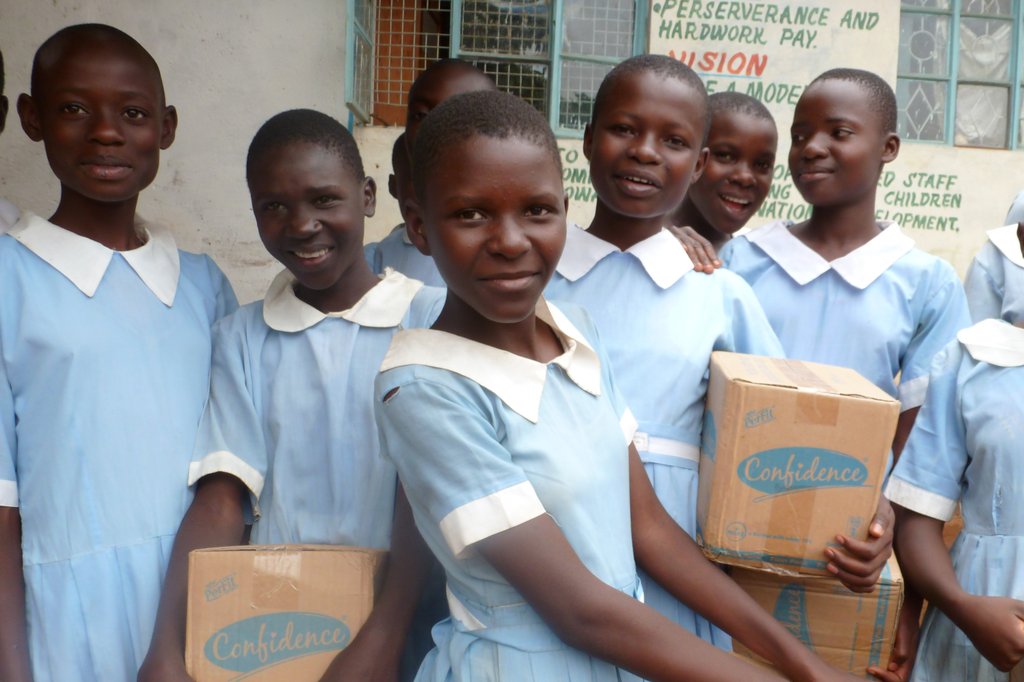
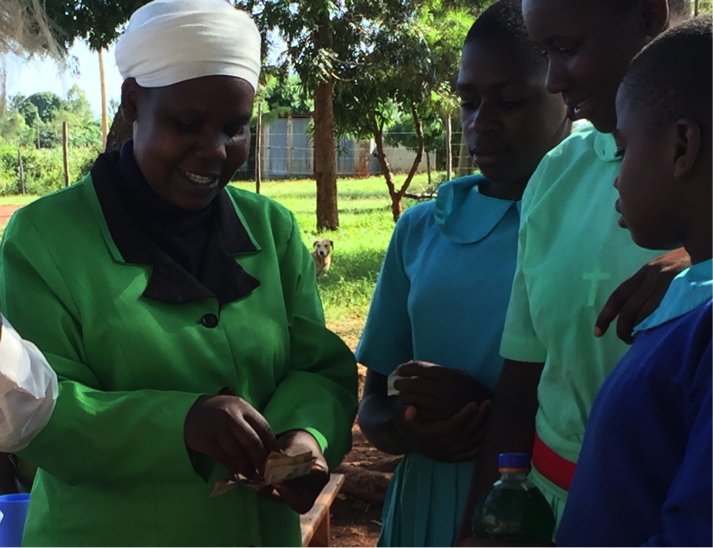
The GETUP lessons—the Saturday mornings, the retreats, the mentorship—are incredibly important for the future of these girl. Even more importantly, these lessons are paired with real resources: without the school fees, uniforms, lunch, and sanitary pads also provided by Umoja, many girls would be unable to remain in school. Without the teaching, the girls would not be gaining the knowledge and courage to continue advocating for themselves. But without practical necessities, these girls can easily be swept back down into the cycles of dependency that keep them from school. What we saw this summer was the efficacy of the two parts of the program working together: we can’t tell a girl she can succeed, and then neglect to help feed and clothe her. The successes we are seeing is the result of practical provision and empowerment coming together in the same girl.
By Ashley Boaeuf | GIP 2016 Field Intern
By Callie Daniels-Howell | Program Manager
Project reports on GlobalGiving are posted directly to globalgiving.org by Project Leaders as they are completed, generally every 3-4 months. To protect the integrity of these documents, GlobalGiving does not alter them; therefore you may find some language or formatting issues.
If you donate to this project or have donated to this project, you can receive an email when this project posts a report. You can also subscribe for reports without donating.



Support this important cause by creating a personalized fundraising page.
Start a Fundraiser