By Ranjana Srivastava | Associate Director
“Children thrive best in safe and nurturing families, but a prerequisite for this is that families and communities are adequately supported and followed through”
-FiTProjectCommunityAmbassador
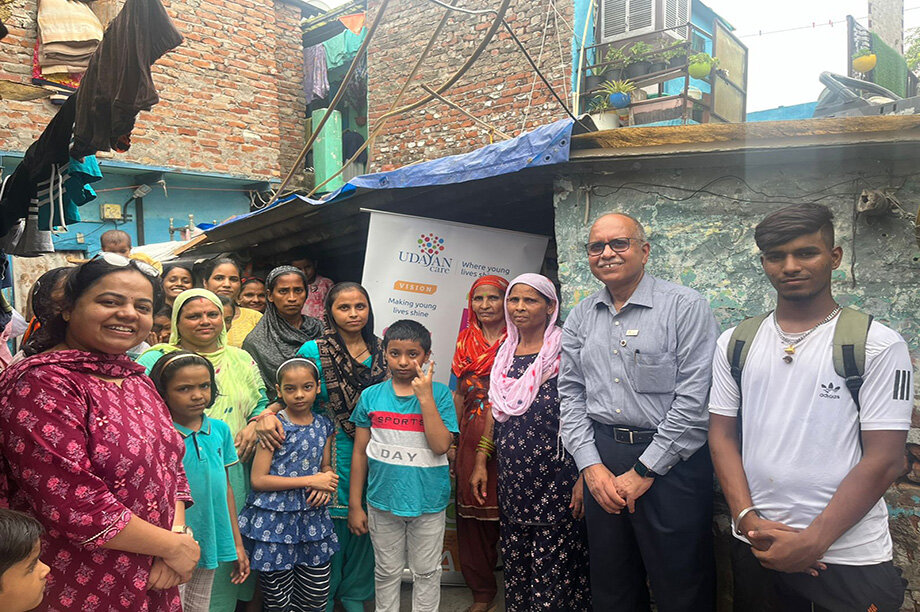
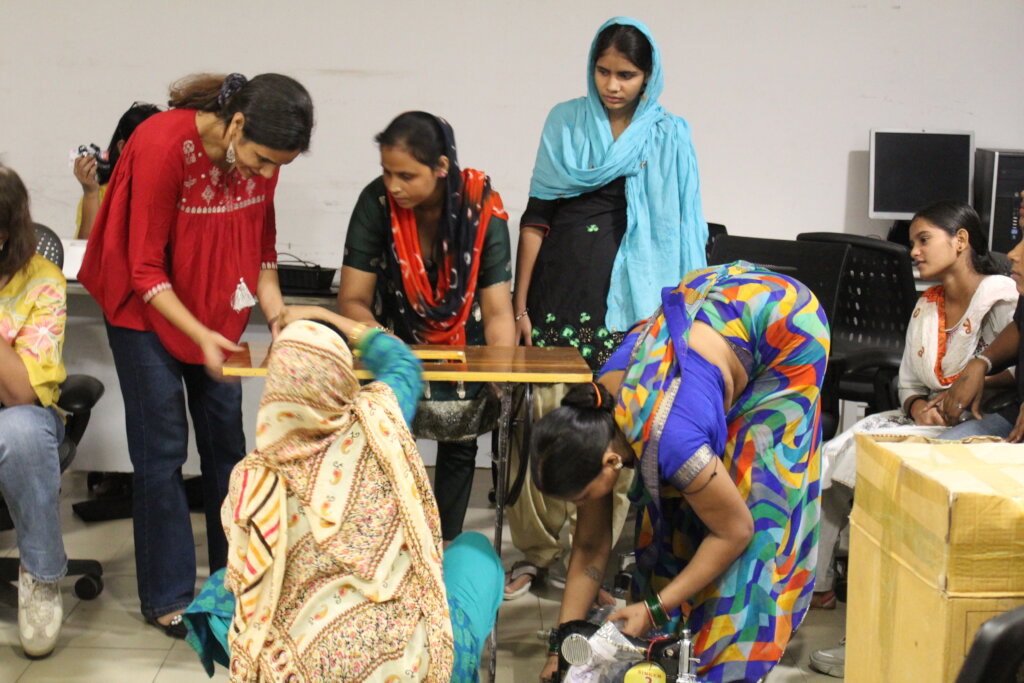
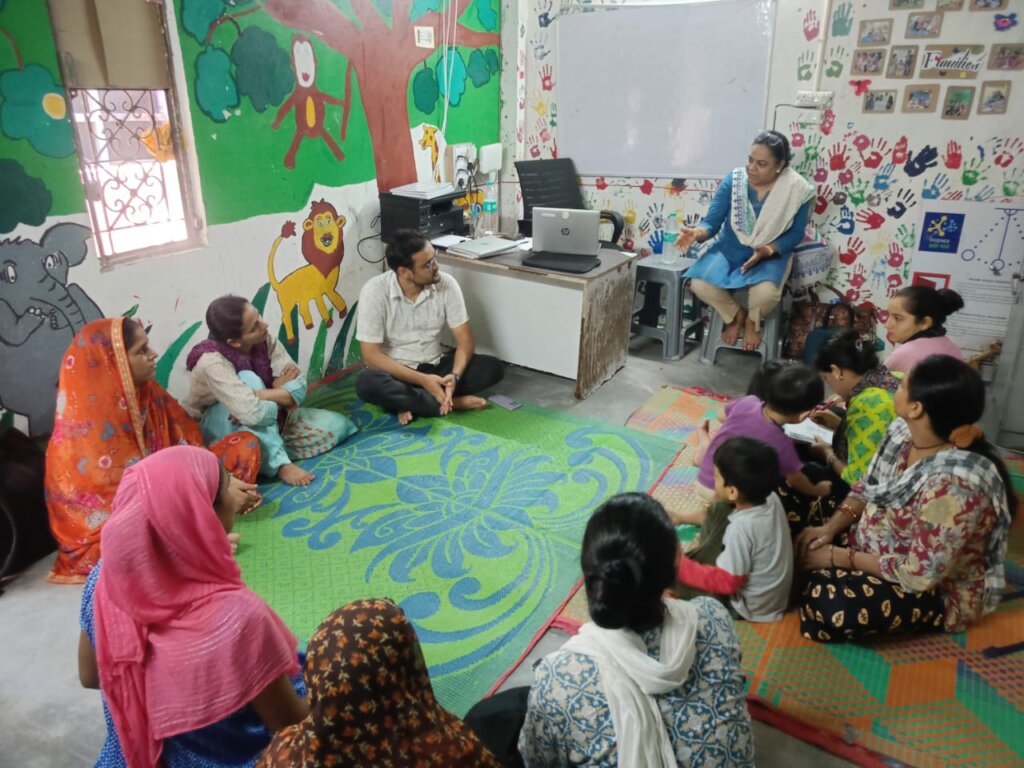
Udayan Care’s ‘FiT Families Together (FiT)’ project has a specific focus on reintegrating children into their families and working on preventive measures of family strengthening in 3 districts of Delhi. It builds on the concept of ‘family as the essential unit of care’ for a child, and the institution as the ‘last resort of care’. Thus, it prevents separation of the child from one’s family by strengthening and supporting the family and enabling them to keep their children and not give them up to institutionalisation. The project provides close and intensive assistance to families and the local community across an indigenous developed framework called the “Circle of Care and Protection” with 10 thematic domains, viz. Basic Need & Safety, Household Finances, Physical Health, Mental Health, Education and Vocation, Child Self-Awareness, Community and Social Connections, Legal Entitlements, Positive Parenting and Hope & Faith. Since October 2021, the FiT project has been extending support to 90 families, over 500 children, and nearly 5,000 community members across 3 districts of Delhi. Guided by a preventive, family-strengthening approach, the project works to ensure children remain within nurturing family environments while reducing reliance on institutional care.
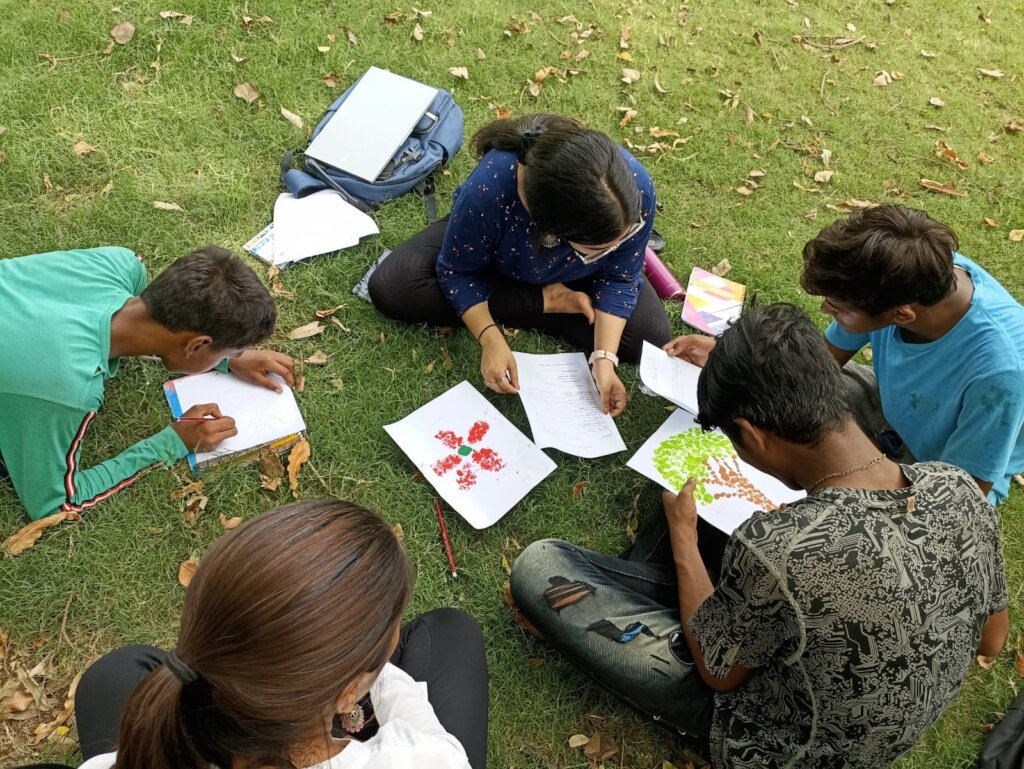
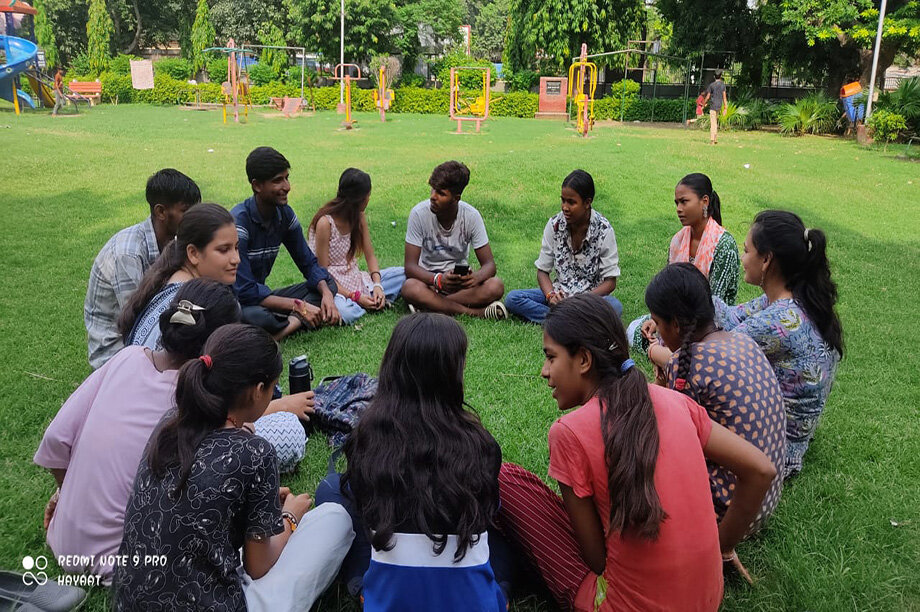
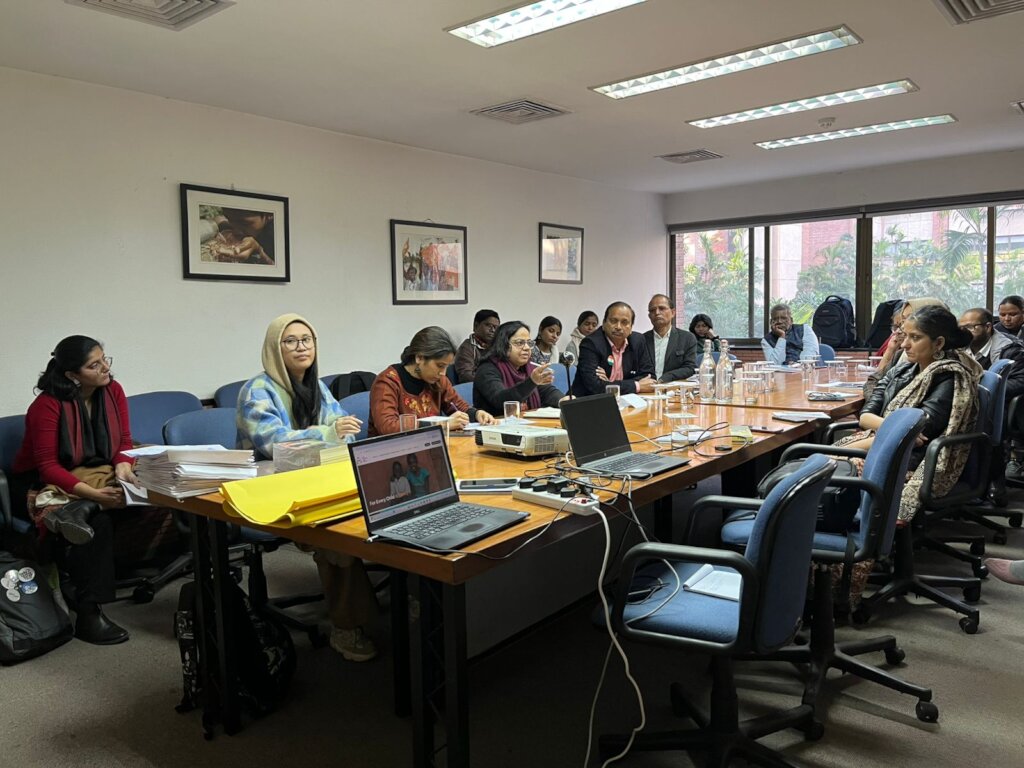
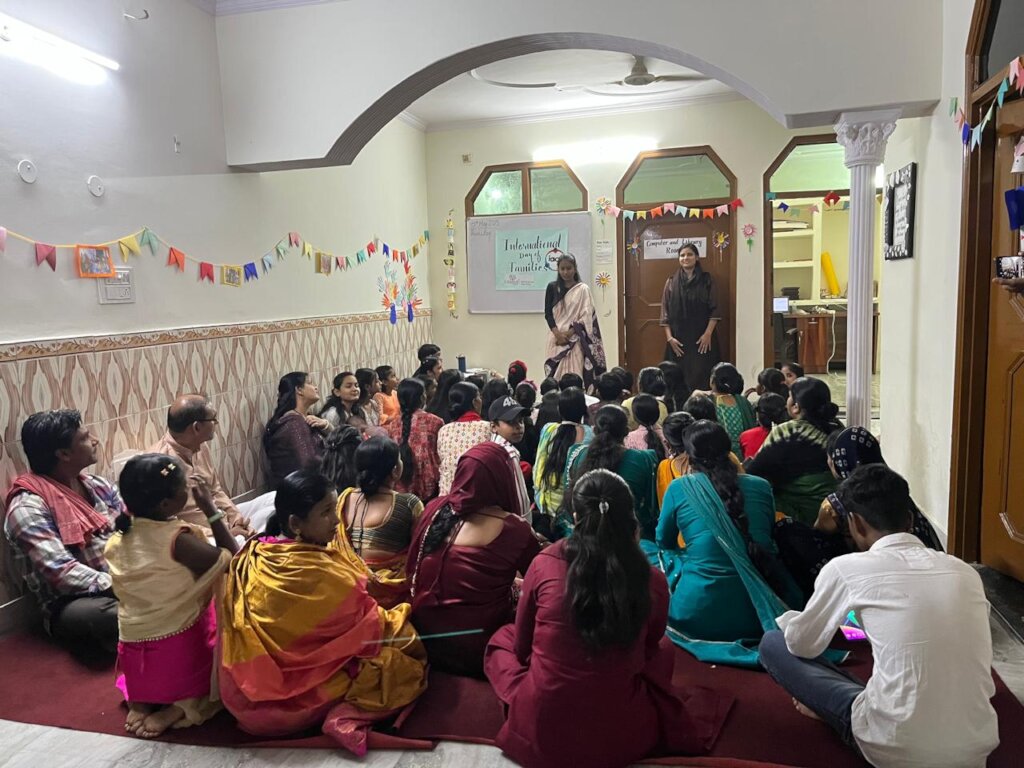
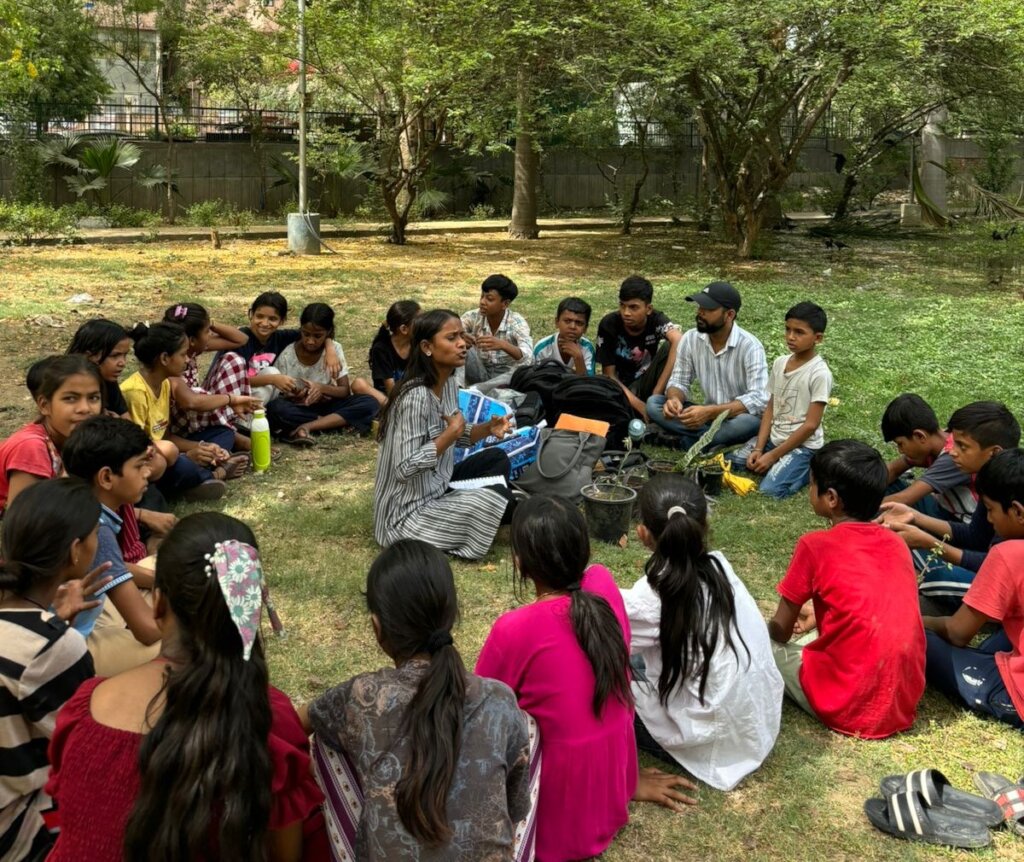
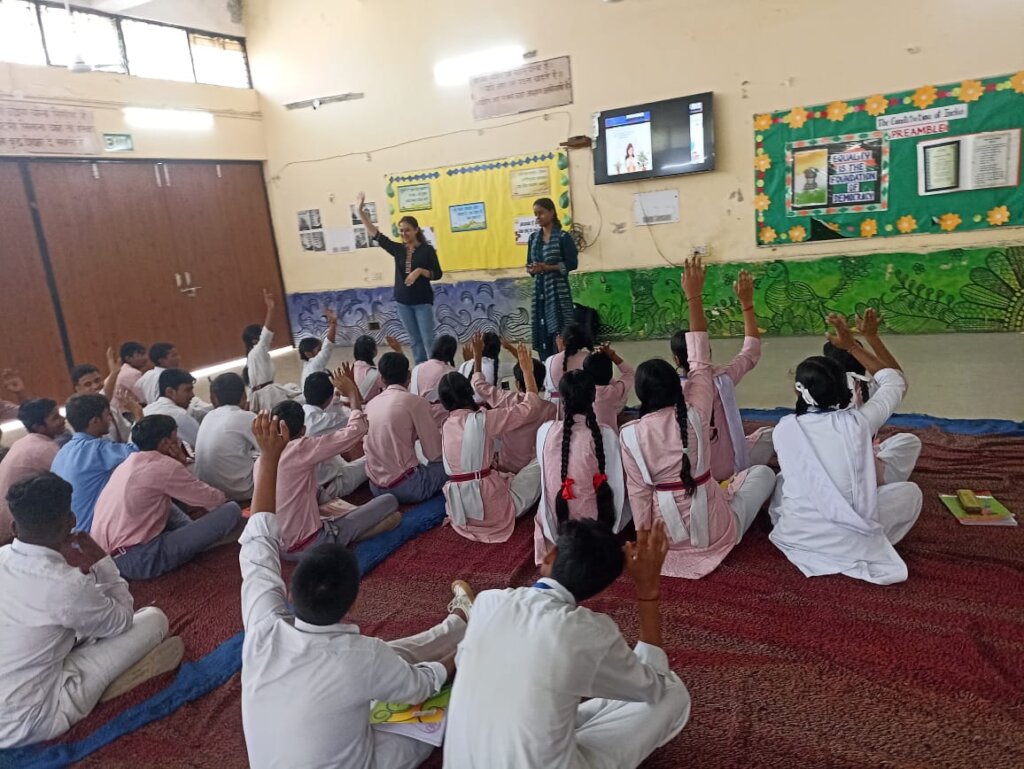
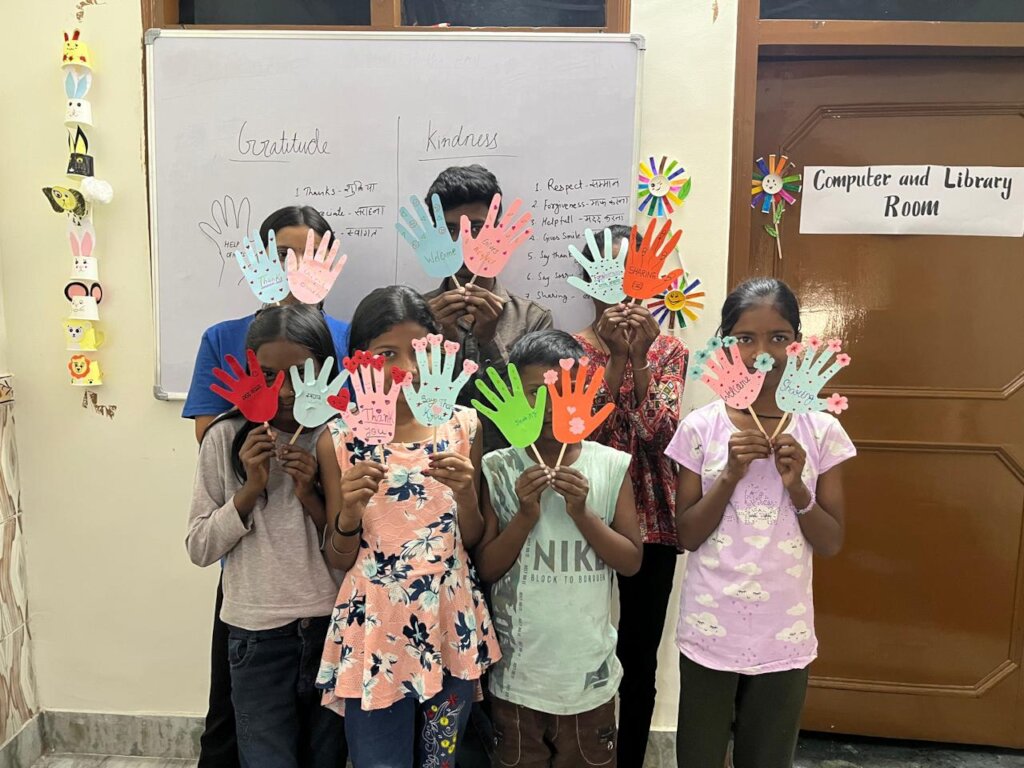
Between April and August 2025, the Child Welfare Committee referred 10 complex cases to FiT, acknowledging the project’s approach in mental health services and as a trusted partner in child protection. Interventions during this period included counselling and psychoeducation for children and parents, school workshops on resilience and emotional well-being, and daily remedial classes for more than 60 children alongside exposure visits to institutions like UNICEF to broaden their aspirations. A free legal aid desk was set up at the Family Resource Centre in collaboration with the District Legal Services Authority to address documentation gaps, custody issues, and legal entitlements. At the same time, partnerships with NIEPID enabled early assessments for children with intellectual and developmental challenges. The project also invested in strengthening its own capacity through trauma-informed training for staff and launched a digital application for case tracking and data management. Sustainable mechanisms such as Children’s Groups, Community Ambassadors, and stakeholder meetings continue to foster stronger referral systems and resource mobilisation. Community awareness programs on mental health, menstrual hygiene, positive parenting, health, and identity documentation have created inclusive spaces for dialogue and reduced stigma. Through continuous family support, especially post-restoration, the project has highlighted to the child protection system the importance of ongoing engagement in effectively phasing out institutional care.
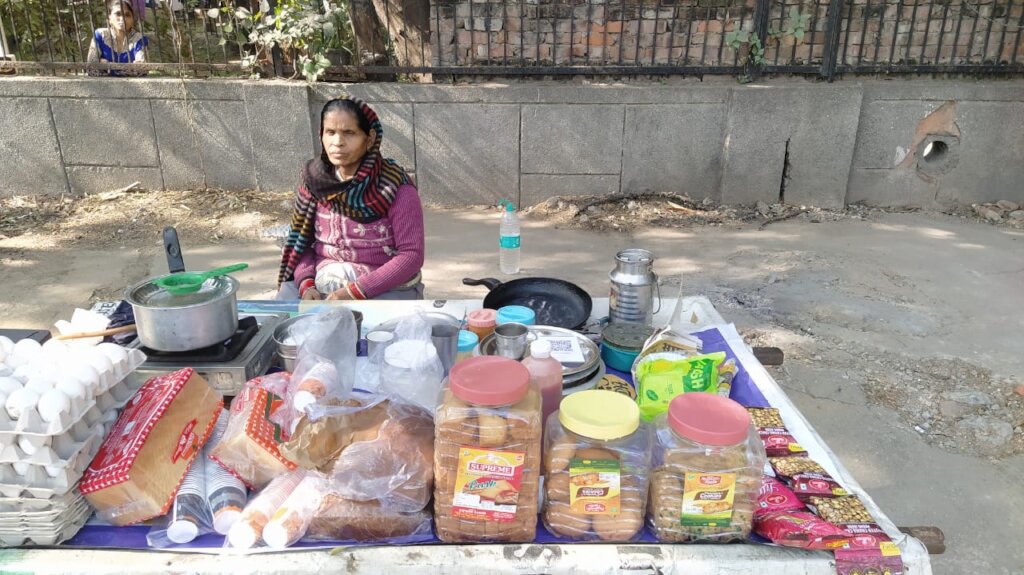
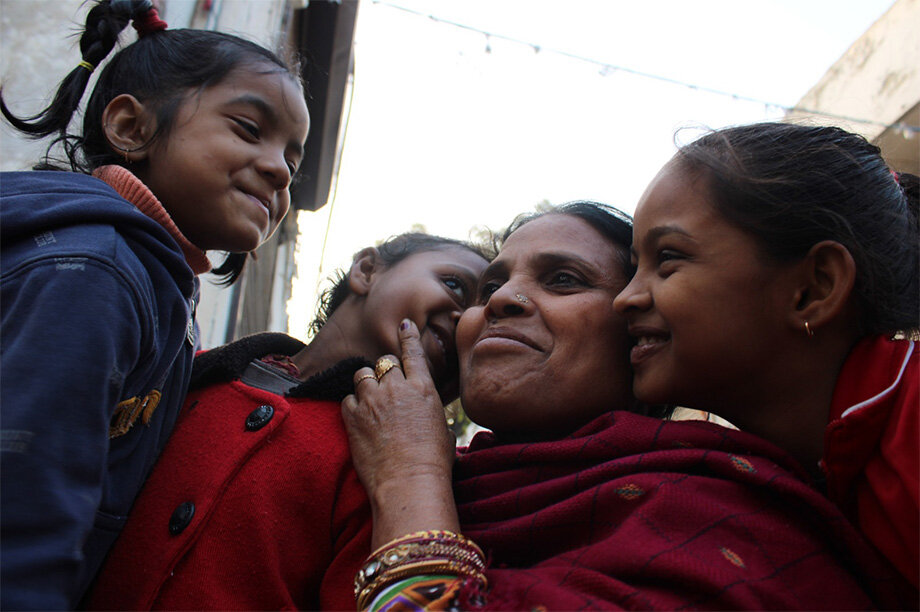
Radha (name changed), lives with her grandmother after being abandoned by both parents at a very young age. With no steady income and increasing expenses, her grandmother struggled even to provide food. She considered placing Radha and her siblings in a Child Care Institution, believing it would secure their future. At this critical stage, the FiT project stepped in. Through counselling and regular home visits, the grandmother was encouraged to explore alternatives to institutional care. The project facilitated livelihood support, enabling her to start a small tea shop that provided a stable source of income. With financial security and emotional support, Radha and her siblings continued their education and began participating in activities at the community centre. Today, Radha is not only excelling in school but also motivates her peers to study and dream of a better future. “I never thought I could raise my grandchildren on my own, but with the support I received, I now feel strong and capable. My grandchildren are happy at home, and I want them to grow up with me, not in an institution,” says Radha’s grandmother.
In another story, we have Leela (name changed), struggling with repeated academic failures. These setbacks left her disheartened, and her mother began losing faith in her education. Feeling isolated and restricted at home, Leela’s confidence deteriorated, and her risk of dropping out became very real. The FiT project intervened at this vulnerable point, providing counselling sessions that helped Leela regain self-belief and emotional strength. The team also assisted in updating her essential documents, which allowed her to continue her schooling. In parallel, her mother was engaged in positive parenting sessions that shifted her outlook, enabling her to encourage Leela rather than hold her back. Over time, their relationship improved, creating a healthier family environment. With renewed determination, Leela re-enrolled in school, is actively pursuing her studies, and has also emerged as a role model within her community.
Links:
Project reports on GlobalGiving are posted directly to globalgiving.org by Project Leaders as they are completed, generally every 3-4 months. To protect the integrity of these documents, GlobalGiving does not alter them; therefore you may find some language or formatting issues.
If you donate to this project or have donated to this project, you can receive an email when this project posts a report. You can also subscribe for reports without donating.



Support this important cause by creating a personalized fundraising page.
Start a Fundraiser