By Robin Van Loon | Executive Director
There are reasons to be really scared of climate change and its effects. And there are reasons to be hopeful. There are practically insurmountable challenges to a permanent, sustainable way of life for humans and other biological communities. And there are remarkable people and strategies challenging the challenges, pushing what’s possible, creating something new.
For many, the question of life on Earth as we know it boils down to something that we can call the carbon balance. More carbon in the atmosphere means trouble. More of it pulled from the air and held in stable form marks one hopeful way forward. Forests play their part – we know that plants absorb carbon and hold it in, at least for as long as the plants’ bodies (wood, etc.) doesn’t rot, re-releasing the stored carbon.
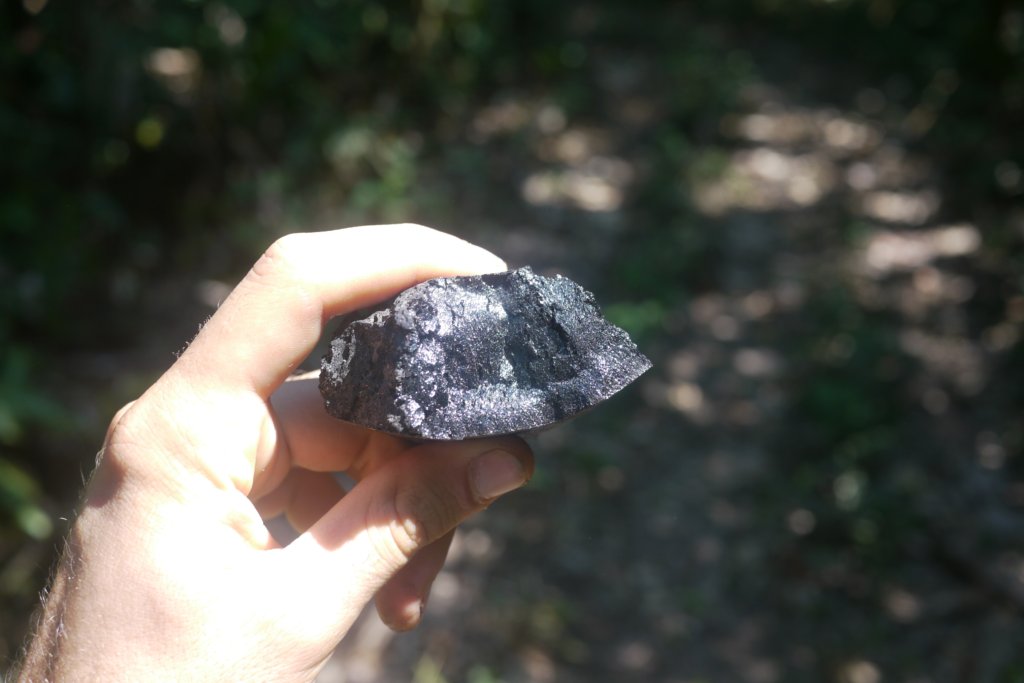
Just one tiny shard of hope – an ancient technology. Prehistoric Amazonian Indians used charcoal as a way to improve soil on their farms. Charcoal is charred organic matter, the accumulated bodies of plants. More recently, many centuries after the Amazonians invented what we call “black earth” (terra preta), researchers realized that charcoal represents a singular proposition for carbon sequestration – the honeycomb-like composition of charcoal keeps carbon trapped in, for as much as thousands of years. Planting this charcoal in the soil means a carbon sink of amazing efficacy. Used as an agricultural input, it’s called bio-char.
Drawing from this body of ancient knowledge, our small organization Camino Verde has complimented our tree planting efforts with a drive to implement biochar in the Amazon once more, as was the case centuries or even millennia ago, but with an impact that’s purely 21st century. If you’ve followed our reports, you know that we’ve sought to identify the best appropriate technologies to produce and introduce bio-char as part of our lasting impact strategy.
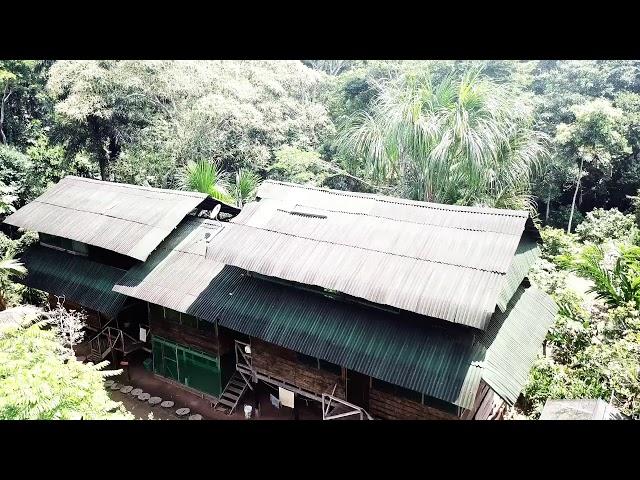
It hasn’t always been easy. Examples of the right way forward have been few and hard to find. But this year was a sea change. Bio-char has debuted in the dialogue of public and private institutions in Peru (including a conference in the capital of Lima) and we are breaking ground on our first bio-char production facilities in the Peruvian Amazon region of Madre de Dios. There are reasons to be hopeful. Renewable, fast-growing bamboo is an excellent candidate for heavy carbon sequestration. Our pilot site captures the energy of sunlight into hundreds of stalks of bamboo which are then dried and later charred, or pyrolized, locking in the carbon captured during the plants’ growth.
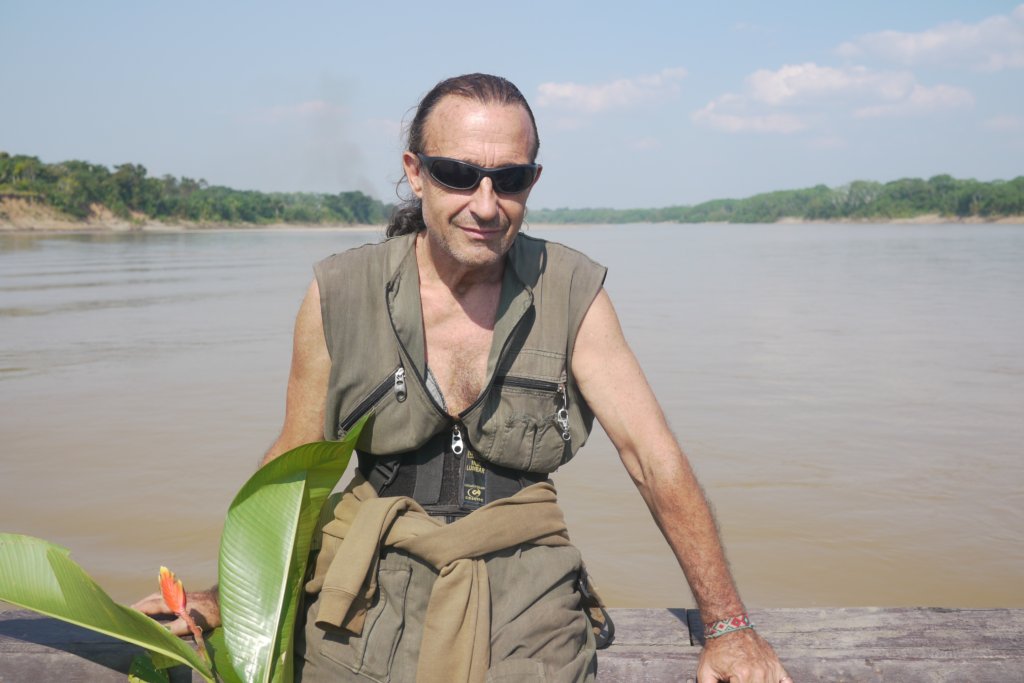
For Gorka Atxuara, a farmer and agricultural technician promoting biochar in the Peruvian Amazon, biochar is one important tool in a broader toolkit. “Not a panacea – as reforestation and reduction of emissions are still vital strategies – but used as part of an integrative approach, biochar can produce tangible, quantifiable carbon capture results, storing carbon for 150 to 2000 years.” Though not the only way forward in regard to climate change, biochar offers important additional benefits. “In oxisol soils in research plots in Colombia, a treatment with biochar offered a doubling of production for maize, compared to control plots. Biochar addresses climate change while improving livelihood for tropical farmers.”
This year Camino Verde will have a chance to test Gorka’s and others’ hypothesis: that biochar offers carbon credit-style climate change mitigation while improving tropical soils. We’re grateful for your help in making the dream of a sustainable Amazon – indeed, a sustainable planet – a reality for future generations. Thanks for helping us turn carbon footprints into healthy soils. We couldn’t do it without you.
Project reports on GlobalGiving are posted directly to globalgiving.org by Project Leaders as they are completed, generally every 3-4 months. To protect the integrity of these documents, GlobalGiving does not alter them; therefore you may find some language or formatting issues.
If you donate to this project or have donated to this project, you can receive an email when this project posts a report. You can also subscribe for reports without donating.