By Claire Palmer | Director of Philanthropy
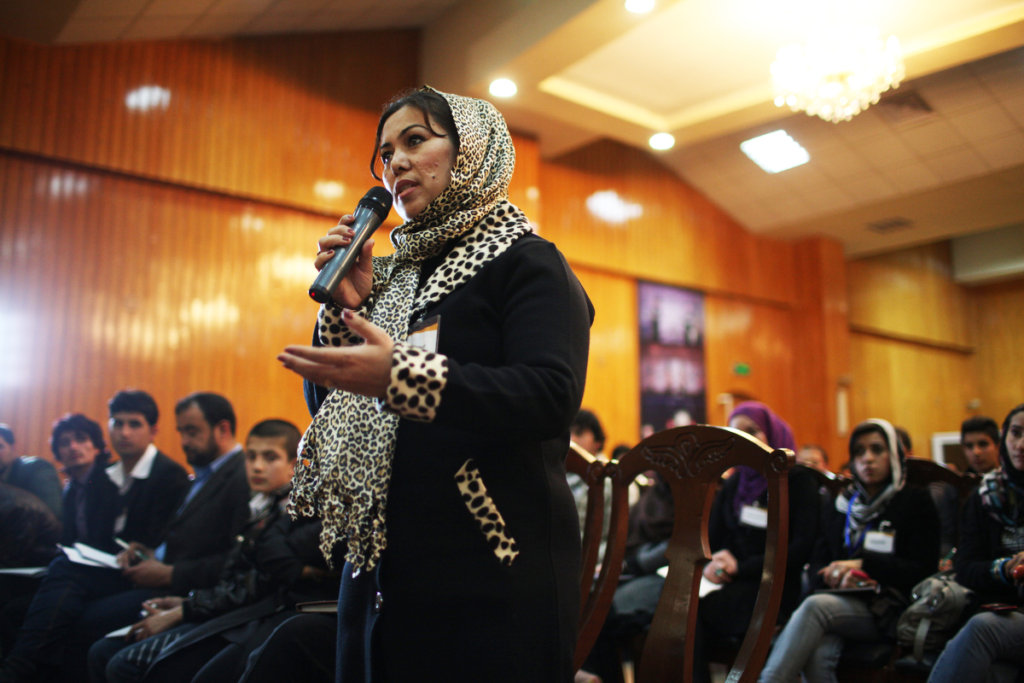
Trusted, high-quality news and information are critical to functional societies, political stability, and healthy local economies. They also serve as powerful counterweights to propaganda, misinformation and hate speech. The transition to digital and mobile platforms is hitting local media particularly hard, undermining the sustainable creation of quality news, increasing distrust in media, and exacerbating the “post-truth” environment, particularly in markets where news organisations are operating with low capacity or under threat. This is a shared, global crisis that will grow in magnitude as the next 3 billion people come online. We must work now to ensure that all communities are empowered with the capacity to produce and engage with quality, trusted and inclusive local media.
By addressing the most vital issues of the modern world, information saves lives. Today, when humanity is facing around 3°C of global warming in the near future as the catastrophic consequences of our own actions, accurate and trusted information about how we need to respond may be key to our survival.
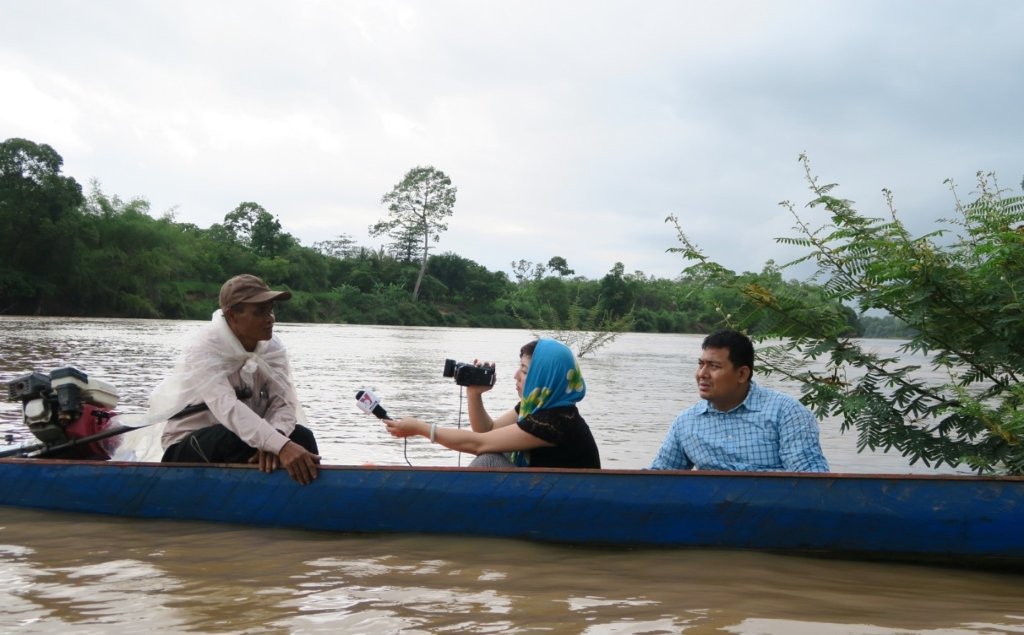
One of Internews’ ongoing success stories is the Earth Journalism Network (EJN) that was developed to empower local journalists covering environment related issues across the world. Under the EJN umbrella, more than 4,500 journalists from developing countries have been trained since 2004. Recently, EJN developed a long-term project to work with journalists in Asia and the Pacific region, a vulnerable area that is largely affected by the climate change. The broad range of activities include technology development and support in media production, grants for local organisations, training for journalists, and fellowships to international conferences.
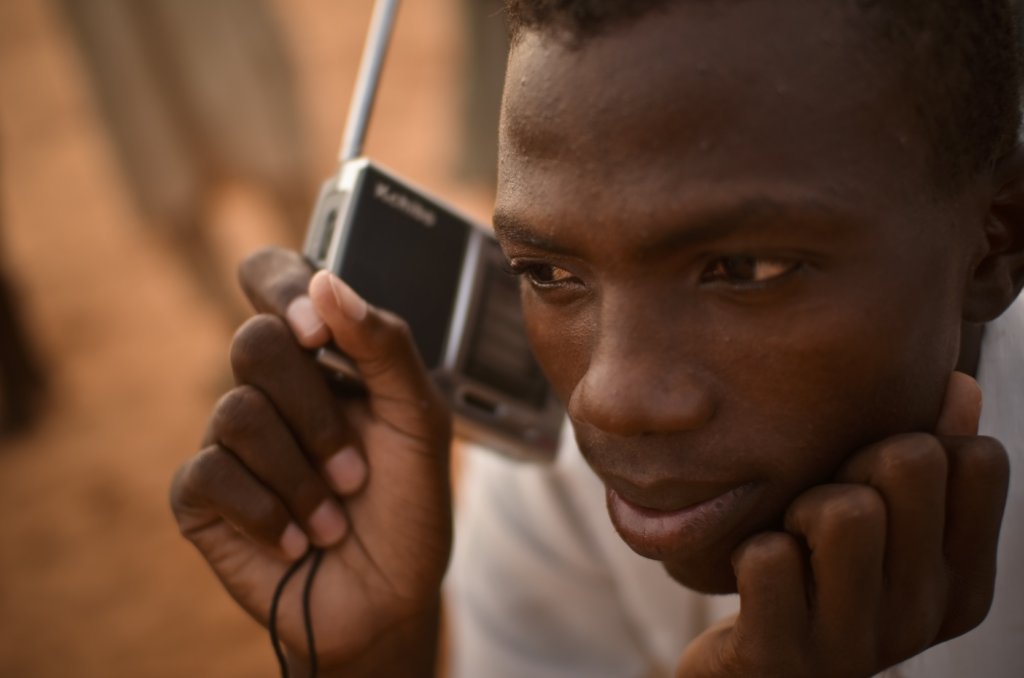
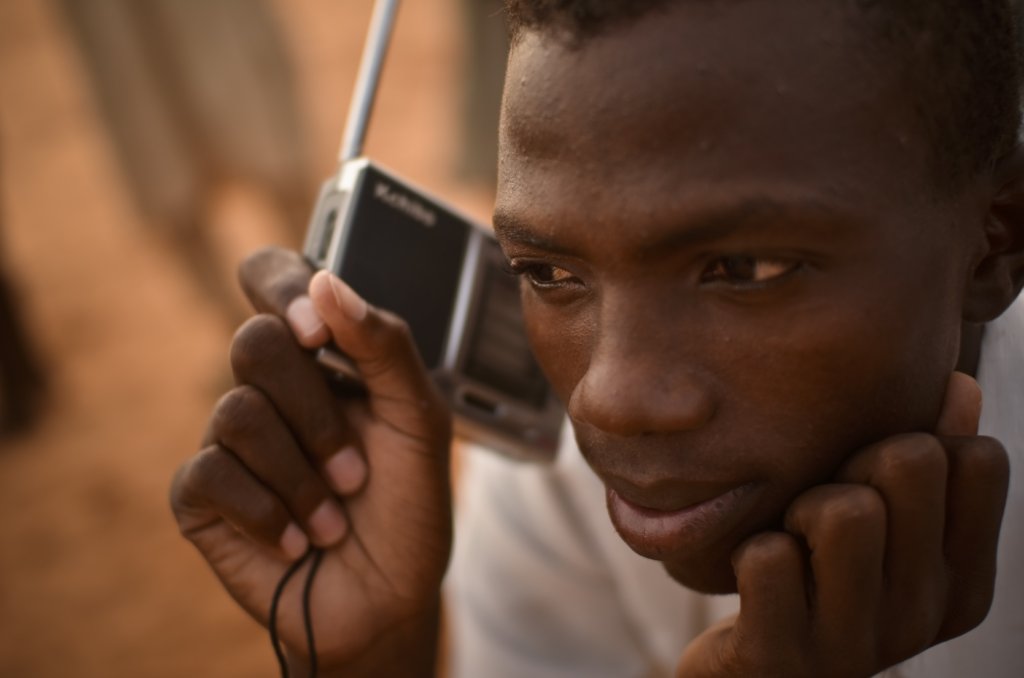
Looking to another part of the world, we can see how local journalists in Liberia tackled rumours and myths about the Ebola. Internews’ “Information saves lives” project was developed to train journalists to correct misinformation about Ebola and bring a more scientific approach. Radio is a primary source of information in rural developing countries and so training local people to answer difficult questions gave a trusted source for real-time updates to the community. Though the active virus transmission phase is over, the work of journalists covering the most challenging questions in rural Liberia is not. For example, Internews trained journalists and re-equipped the studio at Radio Harleygnee, one of the limited number of sources of information in Lofa County, in the run-up to the country’s presidential and lower house elections.
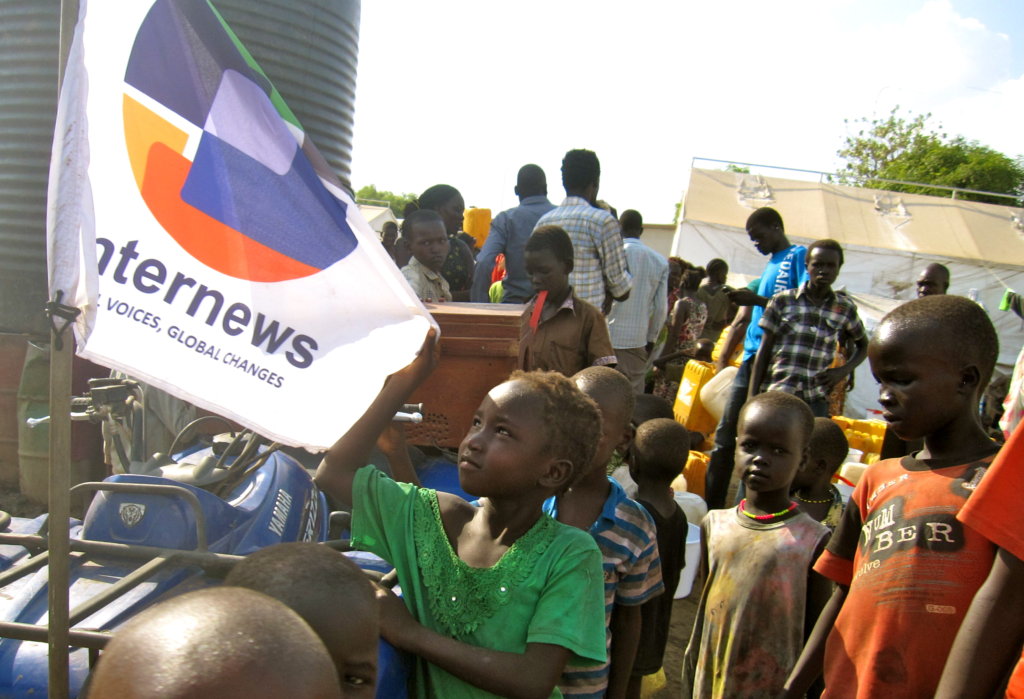
If you get the media right, every other development impact goes better. If people have the information they need and are able to engage with it then shelter, water and education programmes all work better. By acting now to ensure that Internews is here for another 35 years to ensure that people have “their media,” not “the media”. With your help we can develop more projects like these that provide local solutions to create global change.
Project reports on GlobalGiving are posted directly to globalgiving.org by Project Leaders as they are completed, generally every 3-4 months. To protect the integrity of these documents, GlobalGiving does not alter them; therefore you may find some language or formatting issues.
If you donate to this project or have donated to this project, you can receive an email when this project posts a report. You can also subscribe for reports without donating.