By Rashid Mukaire | Secretary General
A full-fledged participation plan to engage all stakeholders in a dialogue and provide them with
a platform for interaction, planning, and decision-making in view of tree planting and poverty in
the project areas was carried out through school mobilization and identification of
beneficiaries. An orientation session for all stakeholders including local council administration
was organized and provided them with a platform for interaction, planning, and decision- making in
the project area. The school pupils were actively involved in the implementation of project,
including through the school environment clubs, school teachers and religious leaders. The project
took into account of the gender considerations, including the special needs of women. The program
was aimed to boost environmental protection and conservation, general school cleanliness and
knowledge development.
Struggle Against Poverty (SAP) supported two primary schools to come up with two nursery beds with
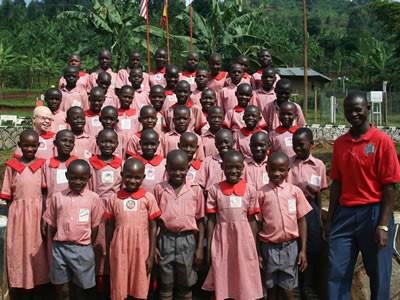
5,000 trees each respectively. A total of 800 pupils-450 girls and 350 boys in addition to 20
teachers. This was intended to save the environment and also create a conducive atmosphere for the
school pupils during the individual revision at the schools hence, preventing respiratory
difficulties and related effects. Sensitized and inspired pupils, teachers and parents with
increased knowledge, skills, positive attitude and enthusiasm to engage in tree growing and
planting. Increased school pupils, teachers and surrounding communities’ awareness and
understanding of the potential environmental risks
of tree/forest destruction and how to address them. Improved soil protection and soil fertility
management through sustainable farm practices reduced incidences of tree cutting and
forest destruction including runoff and the threat of floods. Establishment of school environmental
clubs was done which is going to continue as a structure in schools with the mandate of
spearheading tree planting campaign.
A participatory monitoring and reporting system was used to assess the progress and impact of the
project. The project beneficiaries were asked to provide feedback to the school environment club
regarding positive aspects and any shortcomings of the project implementation. Anecdotes from the
project beneficiaries about their experience in tree seedling development practices and overall
perceived benefits were compiled through informal interviews. The progress reports and feedback
received from the pupils, necessary adjustments to the project were identified and recommended to
the school environment clubs for consideration. The final evaluation of the project was undertaken
as a joint activity comprising of the school environment club, school teachers, struggle against
poverty staff and religious
leaders during the last four months of the tree planting campaign.
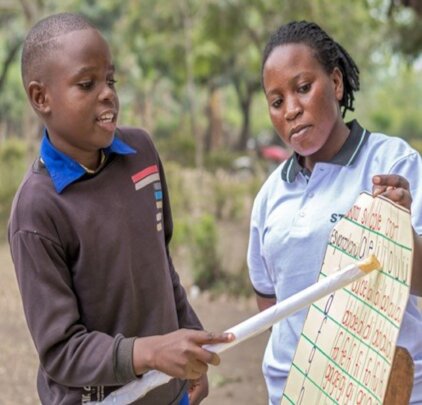
After the growth of the tree seedlings in the nursery beds, religious leaders were involved and
acted as examples in the tree planting campaign. The launch of the campaign demonstrated on how to
plant trees, importance of trees to the environment and how to sustain trees for better living.
Each school came up with 5 hectares of land to be in position to plant 2,500 tree seedlings
respectively. The generation of the tree seedlings was achieved because as a result of full
participation, quarterly support supervision and monthly coordination of community members,
teachers, school pupils and religious leaders. In her own words, the sister said, “We are looking
forward to see the launched tree planting campaign penetrate schools and begin planting trees that
are grown in the school nursery beds. The sister encouraged the school management, pupils to be
vigilant and take care of each tree planted to see that they survive. The project achieved
substantial social benefits with no adverse social impacts. It made important positive contribution
to community environmental conservation, development of nursery beds for tree seedlings and access
to other tree resources such as wood and fodder thus reducing the impact of the lack of and
adequate access to forestry resources on people’s livelihoods. The project made contributions to
providing incomes to beneficiaries as a poverty alleviation strategy and provide for an important
opportunity for the beneficiaries to gainfully participate in community and national development.
Struggle Against Poverty continues supporting these activities which are leading to better tree
seedling management, sustainability, and an improved cleanliness in the schools and around near
communities. Thanks for being a part of this campaign. The school management appreciated Struggle
Against Poverty!
The sustainability of the project rests upon several key factors. First, the project design placed
major emphasis on capacity building and process strengthening. Overall, the objective was to ensure
that at the end of the implementation period, all major project stakeholders including
beneficiaries and local council administrations have all increased their capacity to support tree
planting campaign as well as incorporating agroforestry practices. The project objectives rendered
the success of the project processes almost contributing to climate change mitigation. Secondly,
the project design included a project implementation strategy, for example: The school environment
clubs were formed and encouraged to provide opportunities to further manage and continue
implementing the development of nursery beds for tree seedling after the project official closure.
School pupils will be encouraged through the school environment clubs to participate in selecting
best kinds of trees to grow to ensure sustainability.
Thirdly, the potential for replication of the project is considered to be high. Due to the
innovative approach of using school pupils as school environment club members, multipurpose tree
growing was linked to current poverty levels, incomes and food security including environmental
conservation. The project demonstrated the tree planting campaign in two selected primary schools
of Bunyiiro Moslem primary school and Bubogo primary school in Iganga District. More fundraising
initiatives will be explored to ensure that more tree planting campaigns are replicated in other
schools of Iganga district.
Links:
Project reports on GlobalGiving are posted directly to globalgiving.org by Project Leaders as they are completed, generally every 3-4 months. To protect the integrity of these documents, GlobalGiving does not alter them; therefore you may find some language or formatting issues.
If you donate to this project or have donated to this project, you can receive an email when this project posts a report. You can also subscribe for reports without donating.