By Deanna Boulard | Project Contributor
Background
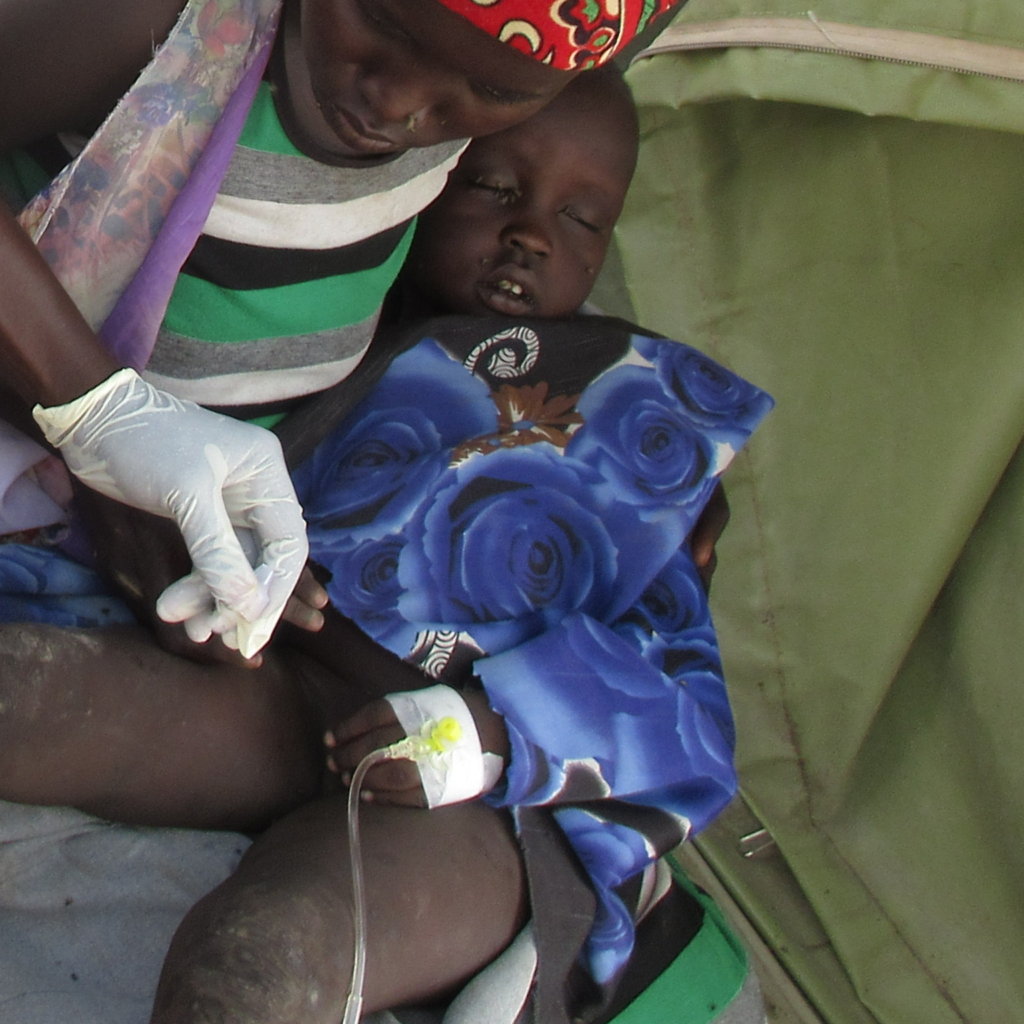
On February 7, 2017, South Sudan announced the end of its longest and deadliest cholera outbreak. According to the World Health Organization, there had been more than 21,000 cases of suspected cholera and 436 deaths reported since the outbreak was declared on June 18, 2016. In Ayod County—the envisioned location for this proposed project and the area where RMF is implementing a nutrition program supported by UNICEF and WFP— 3,856 cholera cases and 39 deaths were reported between June 2016 and November 2017 according to the OCHA. However, due to the armed conflict, lack of health infrastructure, and nomadic nature of the populations of concern, we believe the actual numbers of cholera cases and deaths are likely much higher.
In the fight against cholera in South Sudan, WHO reports that during 2017, over 885,000 higher-risk people received a first round of cholera immunization and almost 500,000 received a second round of the vaccine. These immunizations and the end of the outbreak are positive developments that must be built upon.
Situation Update
In their July 19, 2018 report, WHO acknowledges that cholera “continues to be a public health threat to children, women, and other vulnerable groups in South Sudan.” The organization acquired 562,000 oral cholera vaccine doses this year and has been implementing vaccination campaigns to lower the risk of another outbreak. UNICEF, likewise, continues to implement cholera vaccination campaigns, and as of September 30, 2018, observed that there have been no reported cases of cholera during the year. However, in many locations, including the remote villages where RMF works in Ayod County, the lack of health and WASH infrastructure means that populations remain highly vulnerable to cholera.
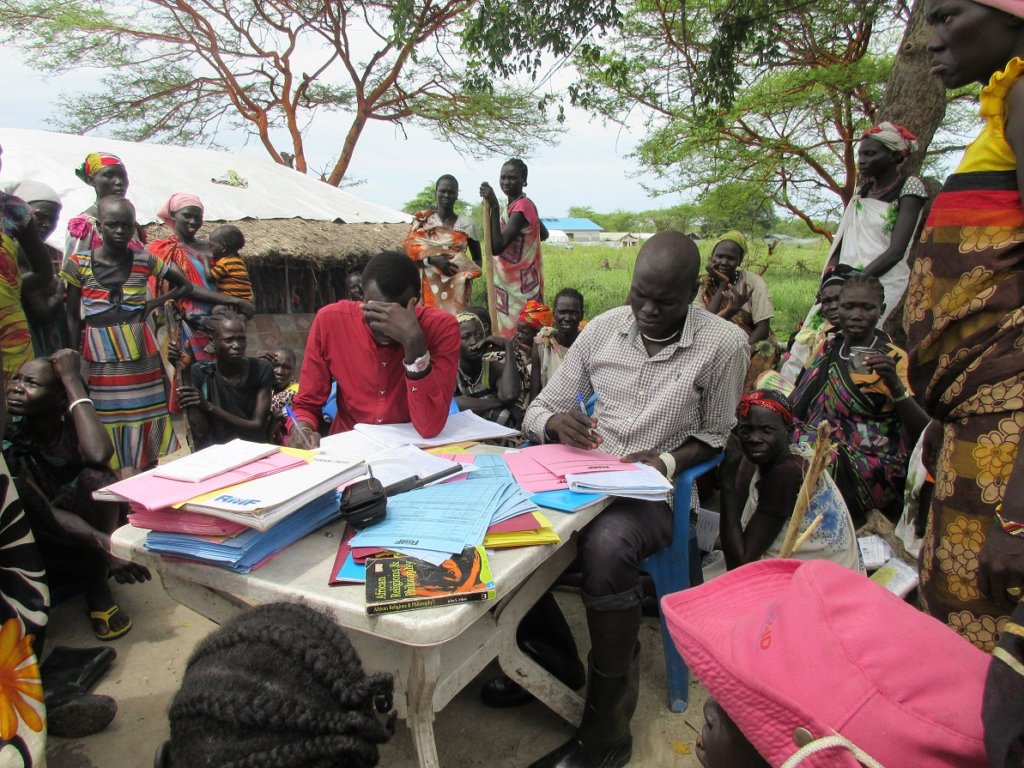
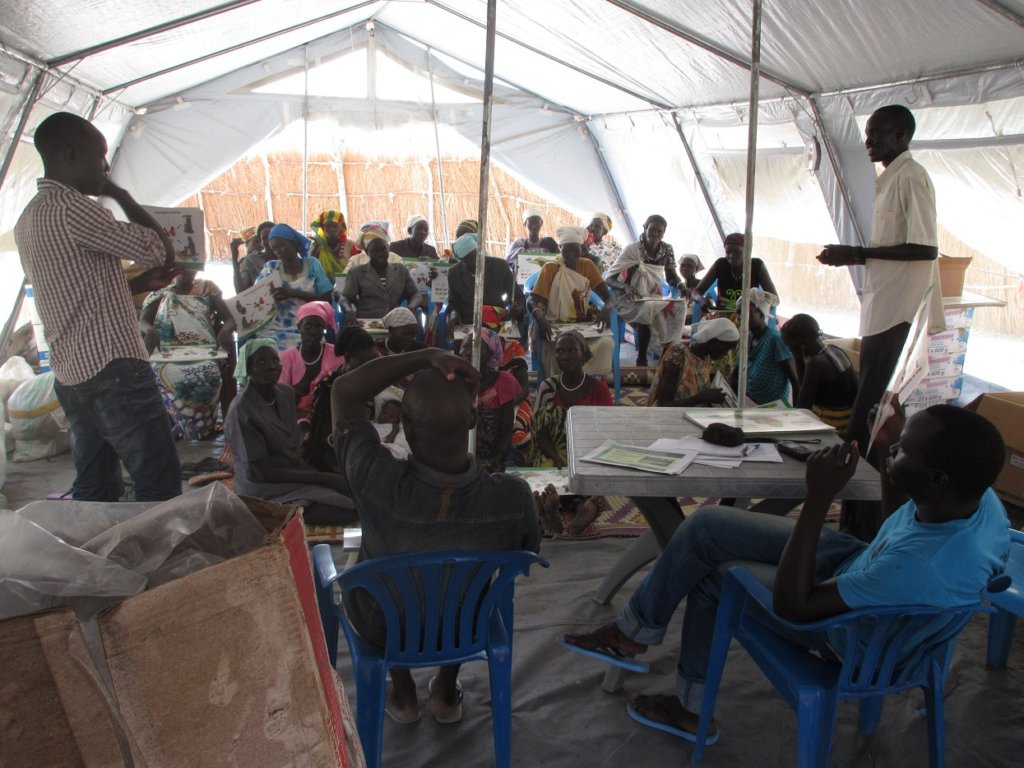
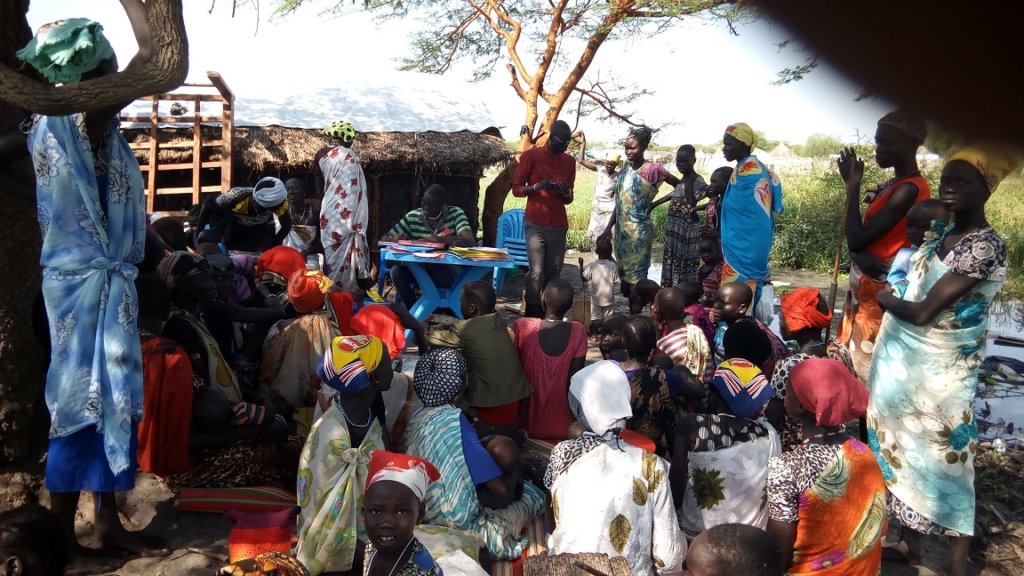
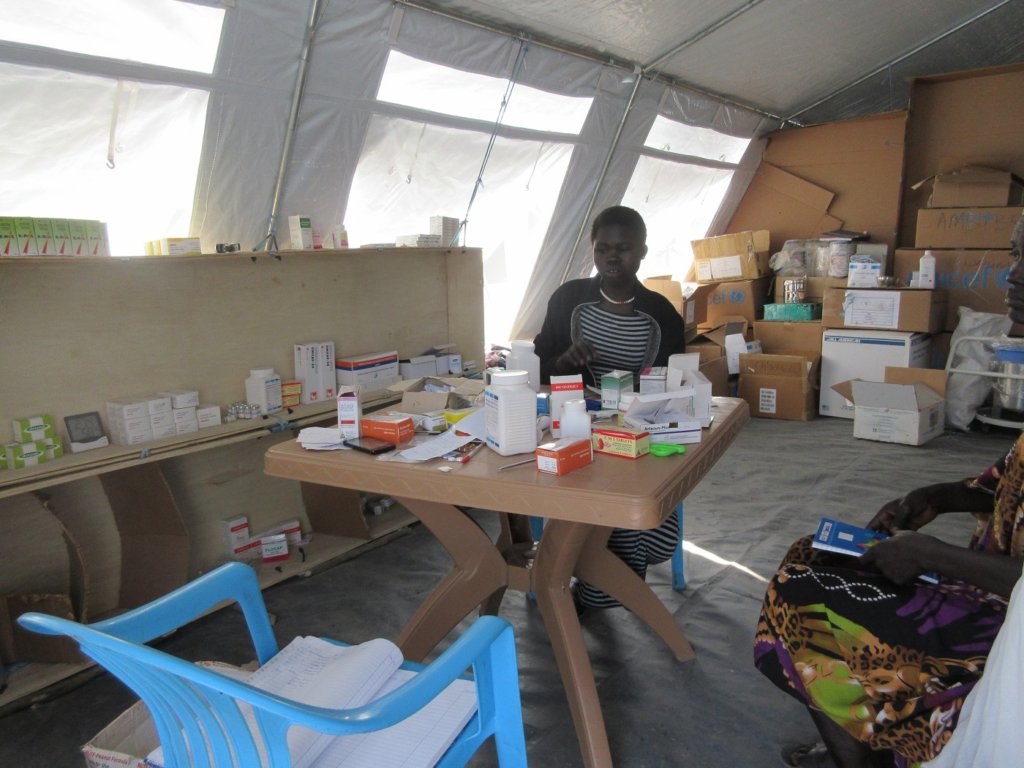
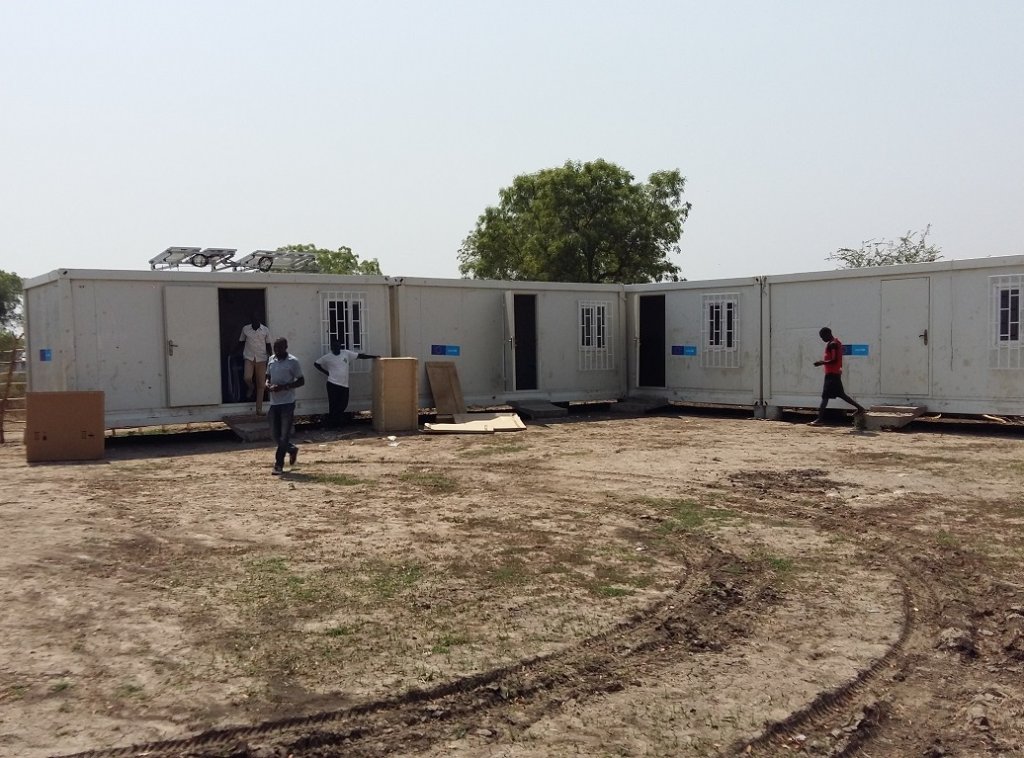
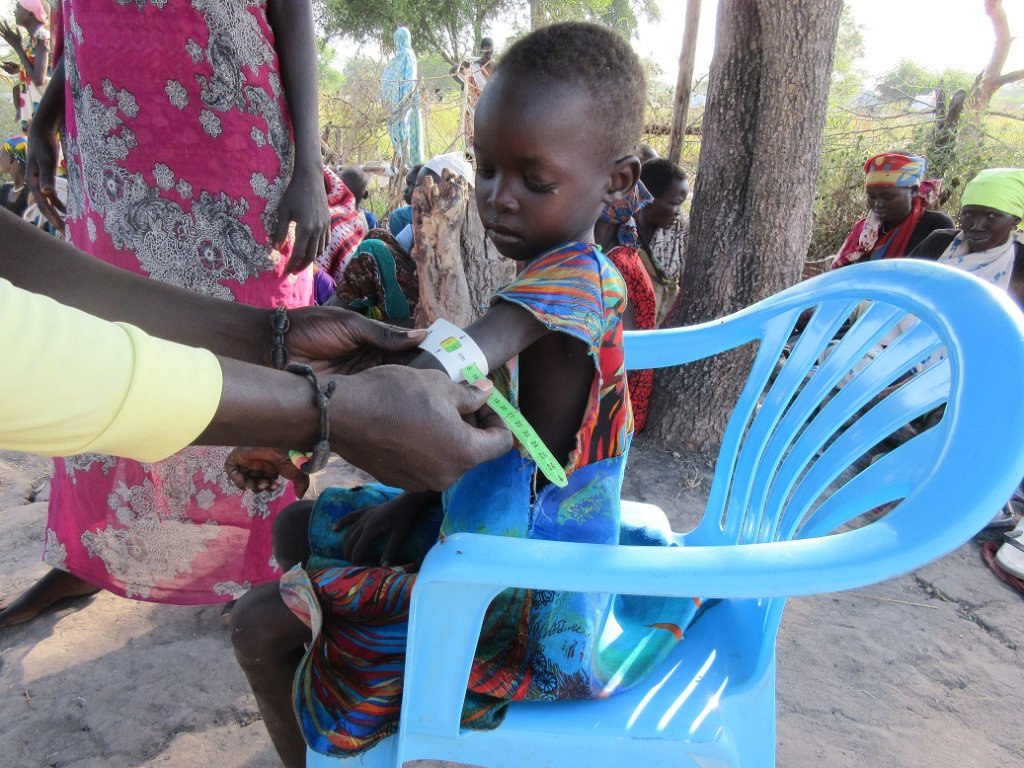
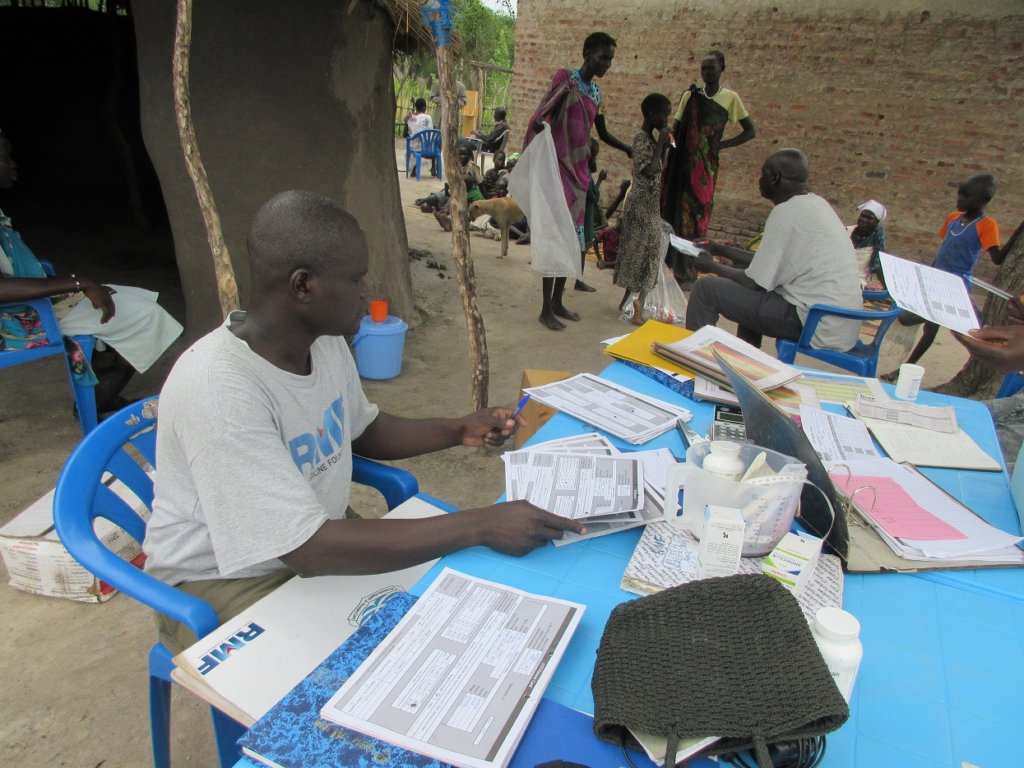
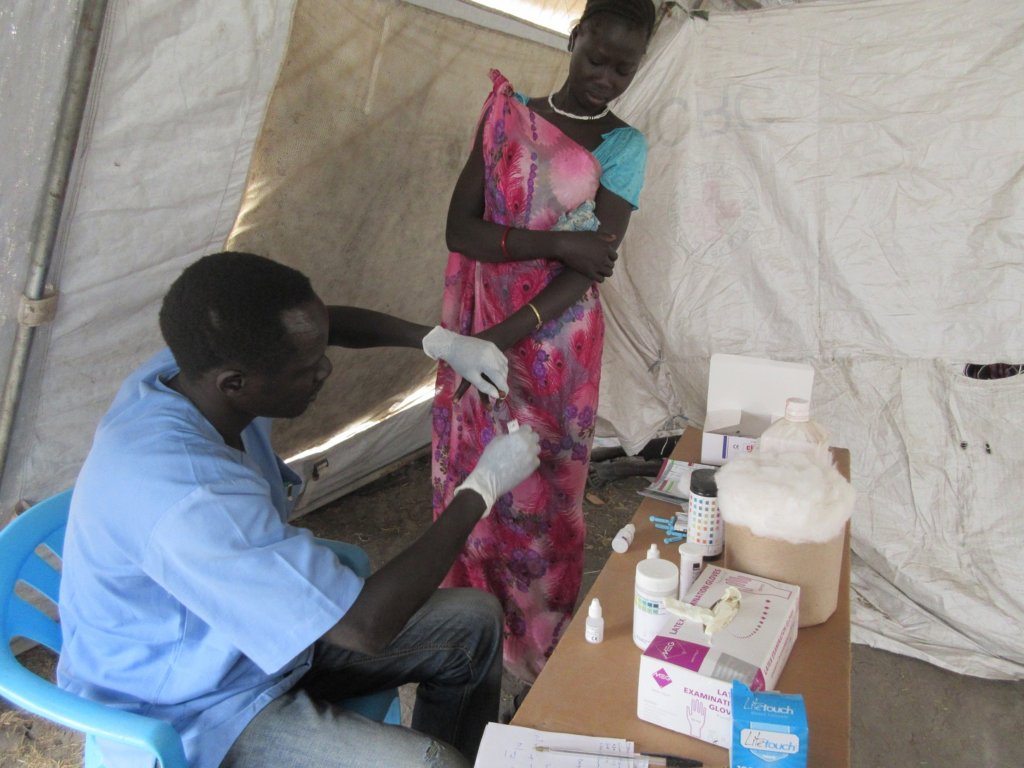
RMF remains vigilant and well positioned to implement a cholera prevention and treatment program in remote areas of Ayod County, where our national and local staff have earned the trust of communities and continue to work daily with malnourished children under 5 years of age and pregnant and lactating women. With funding, RMF will be able to quickly and effectively integrate cholera prevention, testing, and treatment measures into our existing facilities and programs.
Project reports on GlobalGiving are posted directly to globalgiving.org by Project Leaders as they are completed, generally every 3-4 months. To protect the integrity of these documents, GlobalGiving does not alter them; therefore you may find some language or formatting issues.
If you donate to this project or have donated to this project, you can receive an email when this project posts a report. You can also subscribe for reports without donating.