By MSF Staff | MSF-USA
Since the beginning of April , Simon, his wife, and their six children have been sleeping under a tree in a tiny village called Noon, 25 minutes away from the Nile river by foot. They spend the night on floor mats, among the few belongings they managed to save while fleeing Melut, the town on the other side of the river. Living outside is nothing new for 41-year-old Simon; he has had to move over and over again.
Since March 2014, this Shilluk family has been on the move, fleeing fighting and ethnic tensions in Upper Nile State, South Sudan. When the conflict erupted in December 2013, Simon was living in Panyikang County, in the southern part of Upper Nile State. He was the headmaster of Dolieb Hill Combine Primary School, where 1,200 children studied.
"When the war started, my family and I had to flee," said Simon. "We left everything behind us and walked for two months. At night, we would sleep under trees. If we came across a school, we would sneak in and sleep there. We survived on food given by NGOs, some relatives, and friends we met along the way. Sometimes, I caught some fish in the river. It took us two months to reach Melut [in the far north of Upper Nile state]."
In Melut, an hour’s drive from the oil fields of Upper Nile, Simon settled in a camp called Hai Soma, populated mostly by people from the Shilluk tribe. "I spent a lot of energy building a nice tukul [a traditional hut made of grass and mud]. We were planning to stay."
His plan was cut short in early April, when clashes erupted in Upper Nile. "People were carrying guns near our camp," he says. "We feared for our lives. Everybody in the camp started to flee to the other side of the Nile, to Shilluk territory. We could not stay in the camp alone, we had to move."
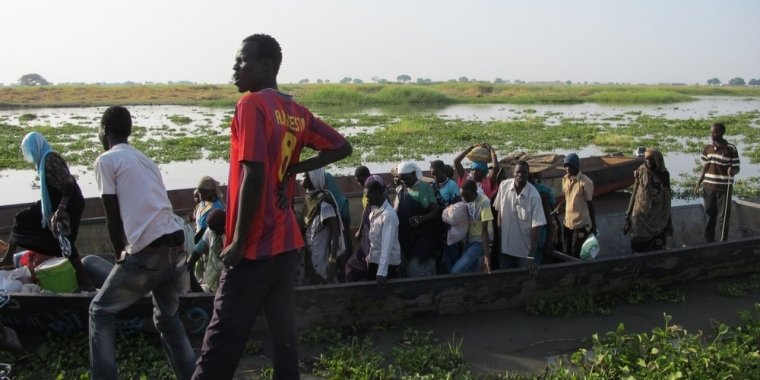
In this part of Upper Nile, the river is a natural border between traditional Shilluk land and Dinka land. There are now barely any Shilluk left in Melut. The few who remain live in fear of being attacked. Simon crossed the Nile in a traditional boat after paying three South Sudanese pounds for each of his seven family members and himself.
"We took some pots and rugs with us, and that was it, it was all we could carry." They then walked to Noon and chose a tree big enough to protect them from the sun during the harsh sunny days. About 1,600 other Shilluk families are living under trees, in the same dire conditions.
"We are going to run out of food very soon," Simon said. "I don't know what we are going to do. The other problem is water. We have to walk 25 minutes to fetch water from the Nile. Old people and the blind can't go. The water is not safe for drinking. The rainy season is coming. We don't have time to build a tukul. We need some wood, plastic sheets, and ropes to build shelters before the rain starts in May. We also don’t have enough blankets."
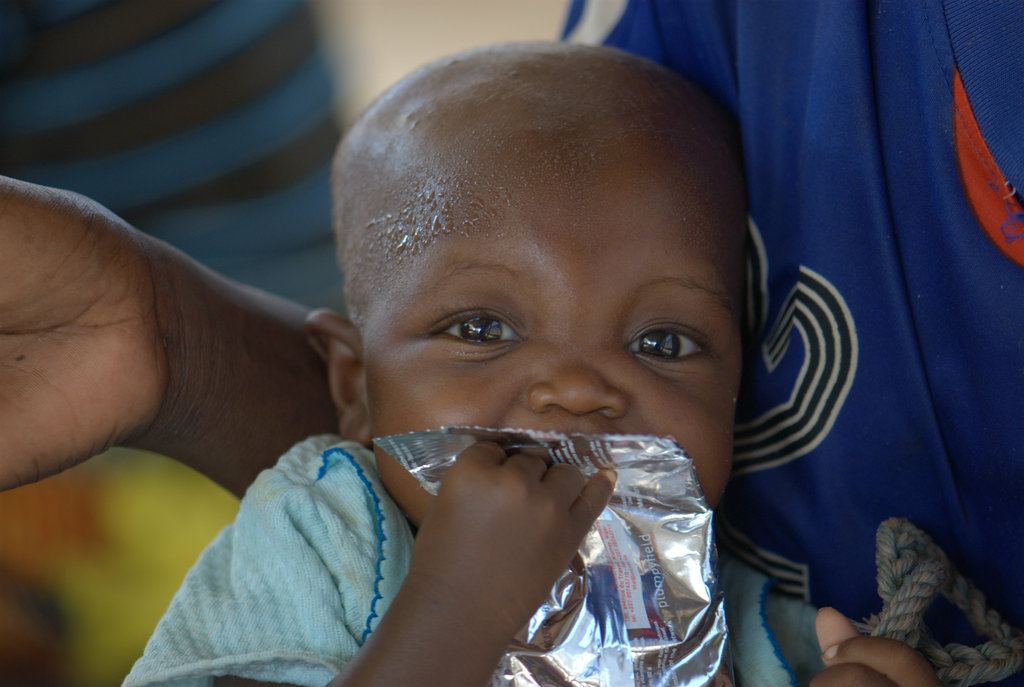
Last week, Doctors Without Borders/Médecins Sans Frontières (MSF) distributed 25 sachets of water purifiers and 30 sachets of therapeutic food per person. These supplies should help the displaced people for about 25 days, before the next distribution takes place.
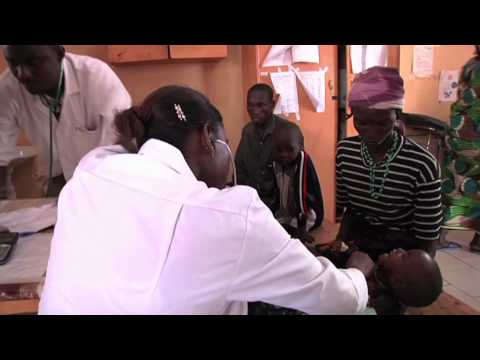
Simon is now working as a community health worker for MSF. But he wishes he could go back to his beloved job. "I miss teaching. I miss my colleagues. Some are dead, some are soldiers."
Life has taken a different turn than he expected. For now, Noon is his home but he cannot say about tomorrow, when he and his family might have to move once again.
Project reports on GlobalGiving are posted directly to globalgiving.org by Project Leaders as they are completed, generally every 3-4 months. To protect the integrity of these documents, GlobalGiving does not alter them; therefore you may find some language or formatting issues.
If you donate to this project or have donated to this project, you can receive an email when this project posts a report. You can also subscribe for reports without donating.