By MSF Staff | MSF-USA
Starting in February 2014, Doctors Without Borders/Médecins Sans Frontières (MSF) has been providing medical assistance to more than 30,000 South Sudanese refugees who fled their homes and sought sanctuary in Sudan’s White Nile state. Most came from Upper Nile state, which borders Sudan to the southeast, part of the large population of South Sudanese who’ve been displaced from their homes, fearing for their lives, since conflict erupted in their homeland in December 2013.
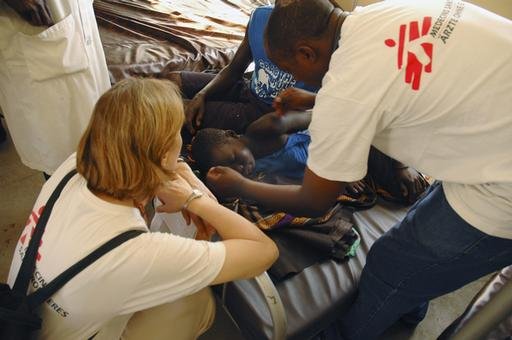
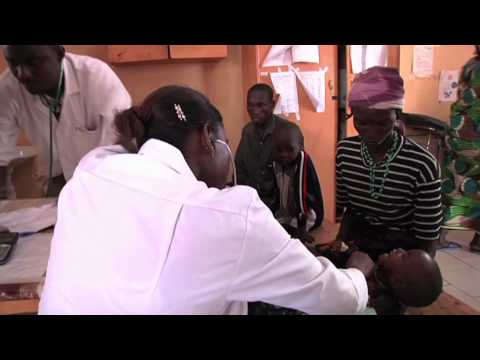
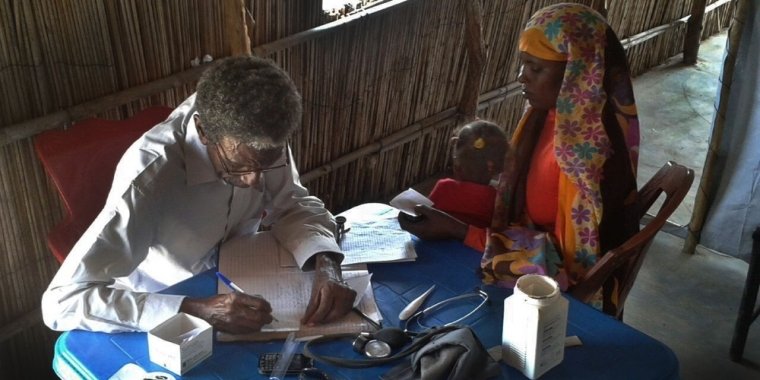
Working with Sudan’s Ministry of Health, MSF is providing medical care and nutritional support to refugees in White Nile State. To date, teams have conducted more than 36,174 consultations and vaccinated 2,333 children under 5 years old for polio and 8,566 children under 15 for measles (following a positive diagnosis). This preventive care approach has helped curb disease outbreaks in the area.
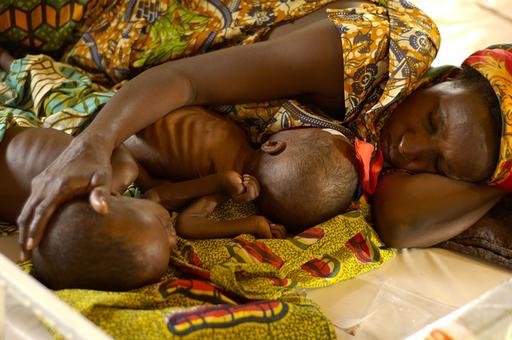
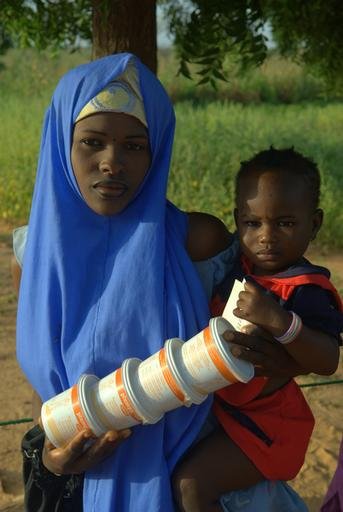
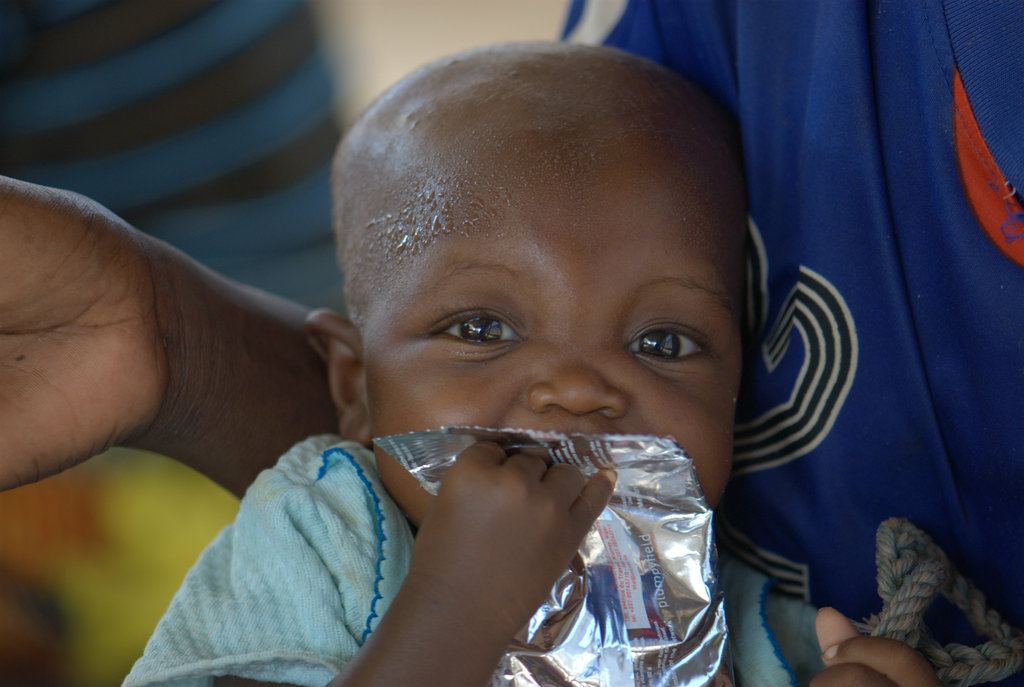
“Most of those arriving are women, children and the elderly,” says Dr. Amir Osman, MSF medical team leader in White Nile State. “They are coming on foot or by public transport. Since some of them are in poor health and nutritional condition, we are conducting medical consultations and nutritional screening on arrival. Severely malnourished children are immediately enrolled into the therapeutic feeding program, while supplementary food is provided for those moderately malnourished.”
Currently, there are 3,230 people enrolled in MSF’s therapeutic feeding program. They receive regular medical check-ups and supplementary food, particular attention is paid to malnourished pregnant and lactating women. Thus far, MSF has conducted 2,111 antenatal care consultations and assisted 152 safe deliveries.
Most of those in White Nile come from the towns of Waddakona, Kaka, Al-Renk, Malakal. All left due to insecurity. Some managed to salvage a few of their possessions while others left with nothing. “I walked for three days from Waddakona, Upper Nile State to North Kweik, in Sudan, where I had to sell my cows, sheep and goats to get money for other necessities,” says one woman. “I used to be a government employee and self-dependent, now I’m in another country and dependent on aid.”
Most people entered Sudan through the western area of the Nile and settled around Um Jalala, an area commonly known as “Kilo 10.” They’ve since been relocated to three transitional areas, namely Jorai, El Kashafa and El Rades. Others entered from the eastern side of the Nile settled in an area called Al-Alagaya.
These areas are near the Nile, which facilitates water transportation, which is crucial during the rainy season when roads become impassable and only boats can be used to transport patients with complicated medical cases to hospitals in Kosti. In the El Kashafa area, MSF has constructed a 20-bed clinic to be able to respond rapidly to critical cases while using mobile clinics to reach those in the two other transitional areas in the vicinity.
The medical needs of the population are apparent; on average, MSF conducts some 4,300 consultations per month and refers about 15 cases to Kosti. Moreover, living conditions are very congested, with six or seven people living in Tukuls (huts) meant for three or fewer. The congestion increases the spread of communicable diseases—respiratory tract disease, in particular—one of the main illnesses that MSF teams in White Nile are treating. To prevent the spread of communicable diseases and diseases associated with water, hygiene and sanitation, MSF has identified groups of community health workers to carry out health education activities.
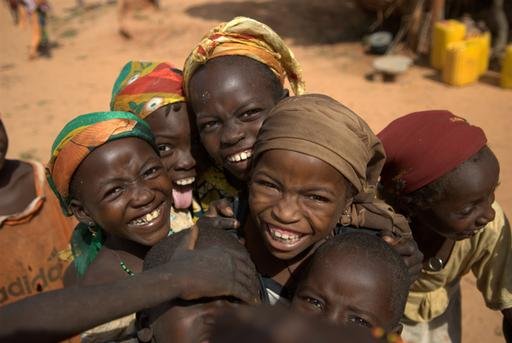
Heavy rains have likely prevented some people from coming into Sudan, as most people cannot cross the river when it floods. However, whenever renewed violence erupts in parts of South Sudan bordering Sudan, numbers automatically go up. Despite the border that divides them, the commonalities and mutual relations between those arriving and the host communities have allowed the two populations to coexist peacefully.
Project reports on GlobalGiving are posted directly to globalgiving.org by Project Leaders as they are completed, generally every 3-4 months. To protect the integrity of these documents, GlobalGiving does not alter them; therefore you may find some language or formatting issues.
If you donate to this project or have donated to this project, you can receive an email when this project posts a report. You can also subscribe for reports without donating.