By MSF Staff | MSF-USA
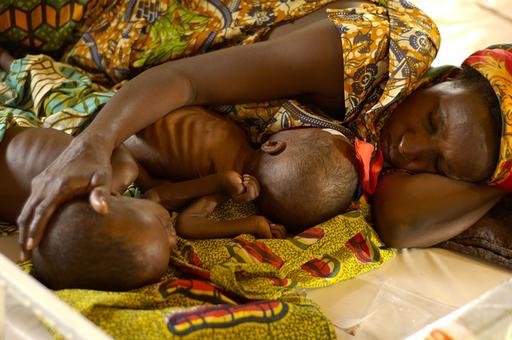
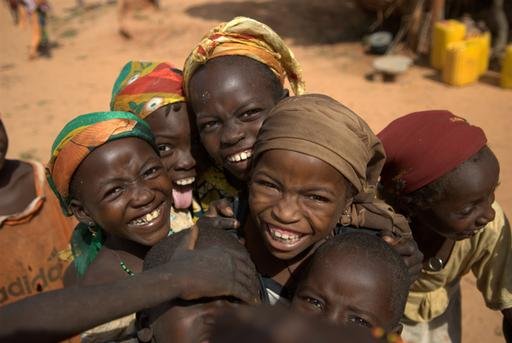
Your support of MSF helps fund projects like our medical-nutritional program in the West African nation of Mali, which is one of the poorest countries in the world and a place where one in five children do not reach their fifth birthday. In 2013, MSF teams in Mali treated over 7,200 severely malnourished children, supported the care of 83,000 children with other illnesses at public health clinics, and hospitalized 5,300 children with serious illnesses in MSF’s pediatric unit.
Nutritional and Medical Treatment:
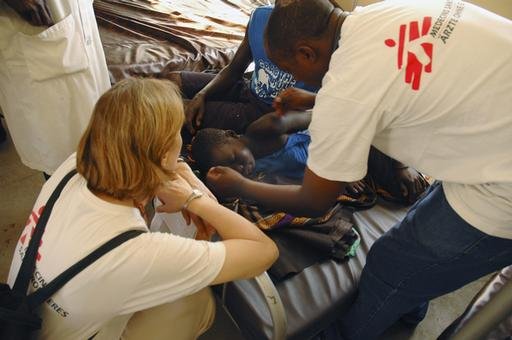
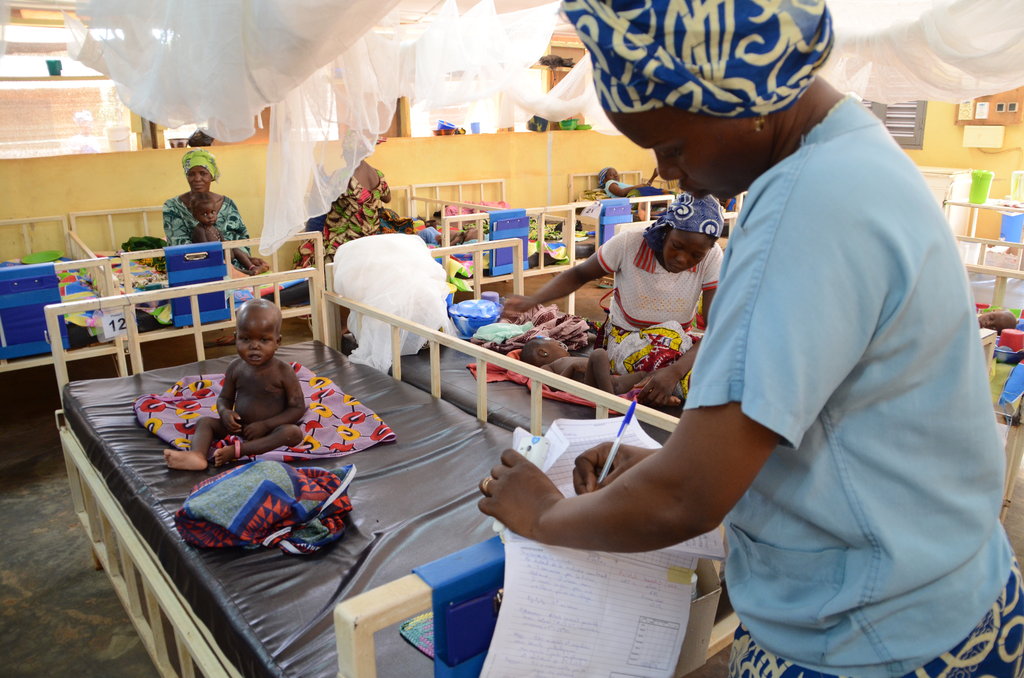
In 2014, MSF teams—made up of 12 international staff and about 252 locally-hired staff—are running the program, in collaboration with the Malian Ministry of Health, at five public health centers and the district hospital in Koutiala. Severely malnourished children are treated as outpatients unless they have other illnesses. The children requiring hospitalization are transferred to Koutiala hospital where MSF runs a 300-bed pediatric unit that includes an in-patient therapeutic feeding center for severely malnourished children with complications and a pediatric ward for other sick children. The remaining children are treated entirely as outpatients at five outpatient feeding centers located at public health centers in Koutiala and Konséguéla, the largest rural health zone in Koutiala district.
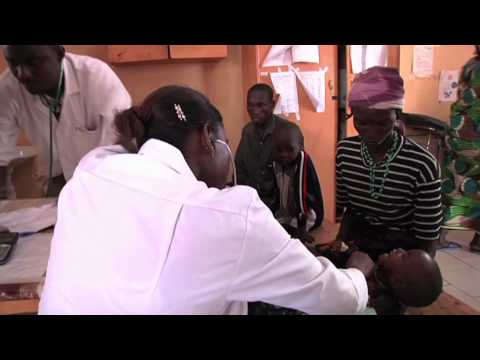
Children with malaria, pneumonia, diarrhea, and other illnesses are treated at the health centers unless they require hospitalization. The health centers are trained to refer severe cases of any of these illnesses to the hospital where MSF’s pediatric ward is located. This year, MSF logisticians are building permanent facilities for the pediatric ward, replacing the temporary structures on the grounds of the hospital. The new structure will provide 205 beds and will be completed by the end of the year. The team is also working to implement a system of early detection of pediatric complications, increase training of hospital staff, and reorganize the supervision structure in the pediatric department to improve the quality of care. MSF will also expand its activities at the hospital to include neonatal care.
Malaria Prevention:
Malaria, a parasitic disease transmitted by mosquitoes, is still the leading cause of child mortality in Mali and one of the main reasons for hospitalization of malnourished children. This year, MSF is running its third and final year of its malaria prevention pilot program in the Koutiala district. The 2014 program is targeting the entire population of 170,000 children between three months and five years of age in the Koutiala District and helping them stay healthy during the three-month malaria season.
Early Intervention:
MSF is expanding its successful pilot project that promotes early intervention activities to help children lead healthier lives. This project incorporates prevention into a comprehensive health care program targeting the main causes of child mortality.
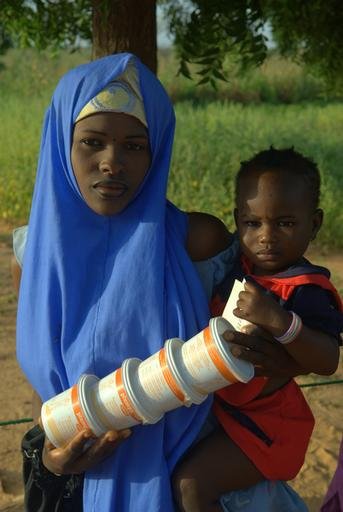
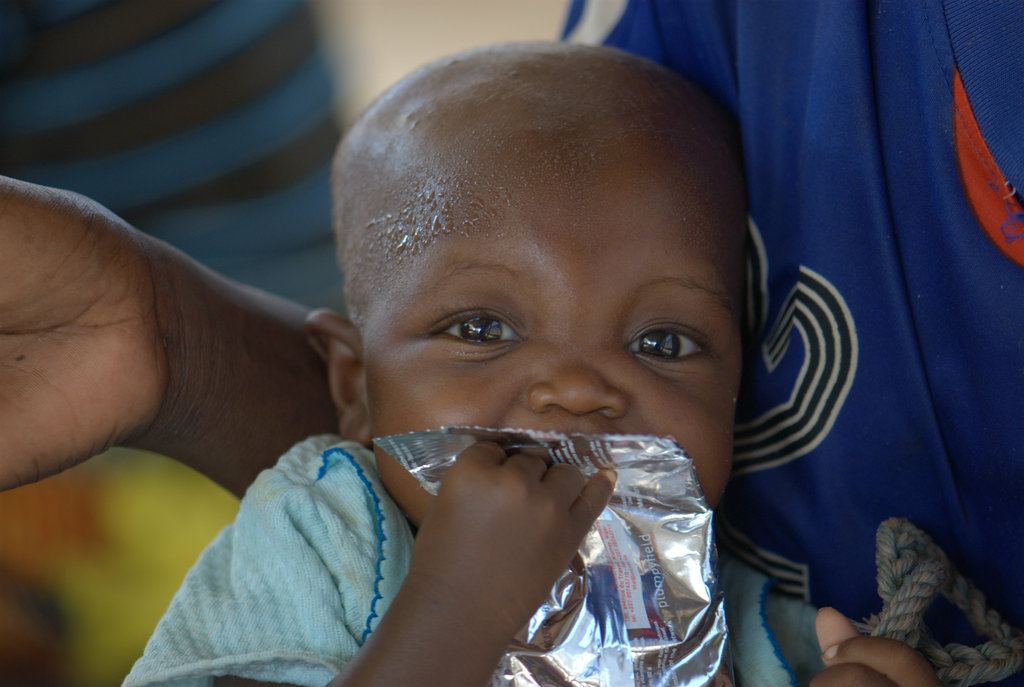
Initially implemented in Konséguela from 2010-2013, the program is being rolled out to the entire district from 2014-2017 in partnership with the Malian Ministry of Health. This program is designed to offer a complete package of free preventative care for every child that starts soon after birth and continues until they reach age two. Teams vaccinate all infants and children under age two according to the approved vaccination calendar in Mali, including new additions of PCV 13 (pneumonia closely follows malaria as the second leading killer of children in Mali) and rotavirus vaccine once approved by the Ministry of Health. Healthy infants and toddlers will be examined at regularly scheduled “well baby check-ups” with their growth closely monitored. These children will also receive SMC, insecticide-treatedmosquito nets to help prevent malaria transmission, and highly nutritiousfood supplements to prevent malnutrition.
Participation in the early intervention program has been extremely high in Konséguela and has had excellent results: the prevalence of severe acute malnutrition was reduced by 69 percent among 12-23-month-olds (1.7% vs. 5.4% in the rest of Koutiala District), stunting was reduced by 34 percent at age two, and 97.2% of children had received all vaccinations at age two (compared with 50% in Koutiala). We expect to achieve similar results in other parts of Koutiala District.
By expanding early intervention activities to the entire district, MSF seeks to save more children’s lives while demonstrating that preventative care can be implemented effectively and affordably on a large scale in a resource-poor rural area like Koutiala district.
Project reports on GlobalGiving are posted directly to globalgiving.org by Project Leaders as they are completed, generally every 3-4 months. To protect the integrity of these documents, GlobalGiving does not alter them; therefore you may find some language or formatting issues.
If you donate to this project or have donated to this project, you can receive an email when this project posts a report. You can also subscribe for reports without donating.