By MSF Staff | MSF-USA
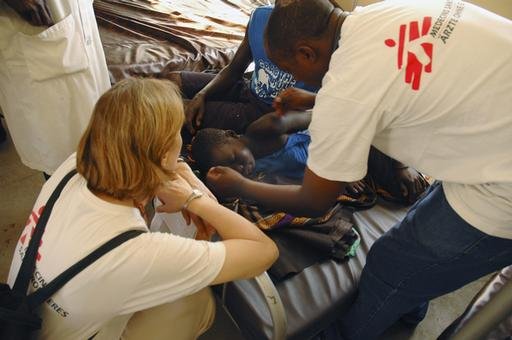
MSF’s innovative program in the Sikasso region of Mali seeks to prevent and treat illness and malnutrition among children with the ultimate goal of reducing child mortality. The project was launched in 2009 in collaboration with the Malian Ministry of Health and will be run by MSF through 2017. It aims to simultaneously build the capacity of the local health system while providing high quality services.
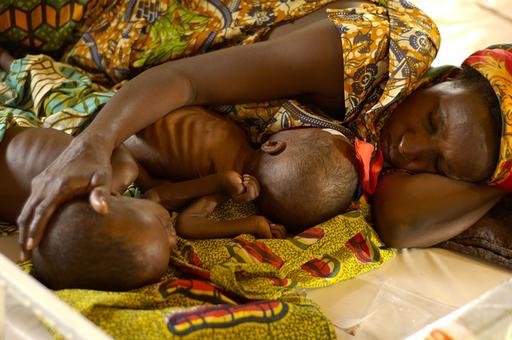
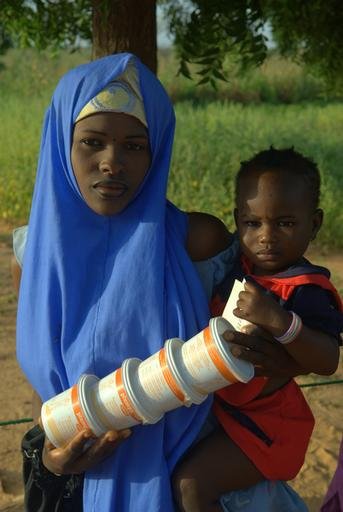
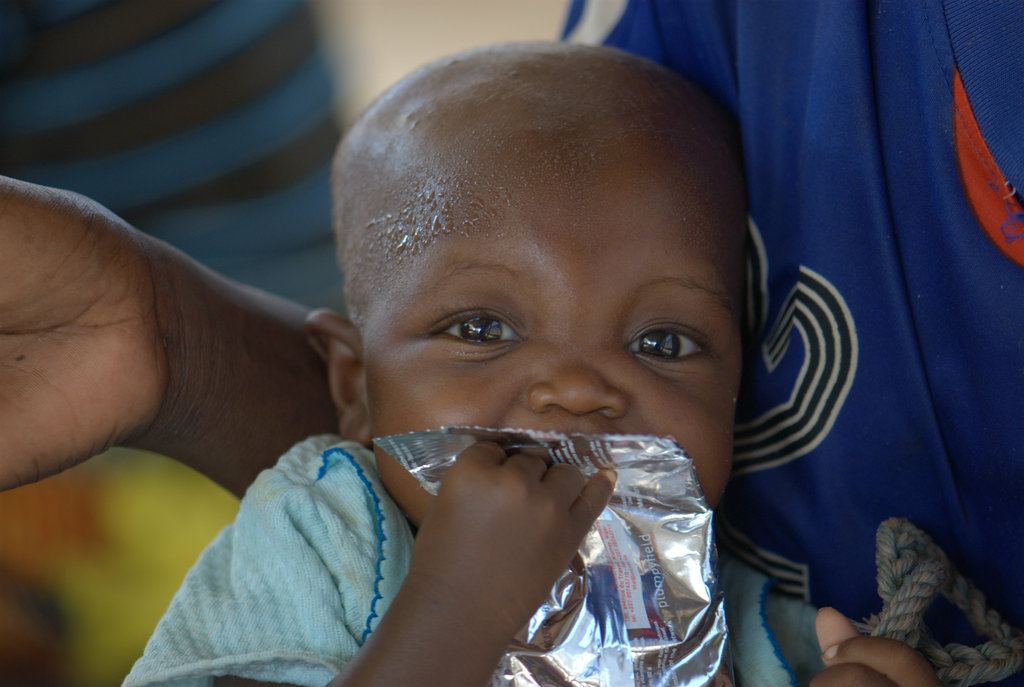
The program has a major nutritional component in which most malnourished children can be treated as outpatients at the public health centers. The program uses weekly outpatient visits to monitor patient progress and a take-home nutritional product called therapeutic ready-to-use food (RUF), a peanut butter-like paste made with milk and other important nutrients. Severely malnourished children who have complications, such as severe malaria or measles, continue to be referred to Koutiala hospital’s inpatient feeding center. But with the outpatient approach, the majority of children can be treated at home with their families
At the project in the Konséguéla health zone, in addition to services described above, MSF provides extensive preventative care soon after birth. These comprehensive early intervention activities are structured to give children living in this remote area a better chance at survival.
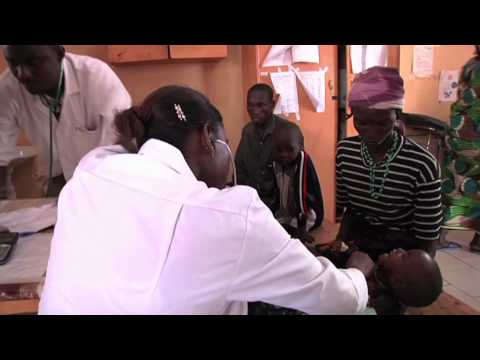
Begun as a pilot project in 2010, healthy children up to age two are examined frequently at scheduled “well baby check-ups” and their growth is closely monitored. These children also receive ready-to-use food supplements to prevent malnutrition and insecticide-treated mosquito nets to help prevent malaria transmission. MSF trains lay community members from each of the 17 villages in the area to test for and treat simple malaria, and to vaccinate infants according to the approved vaccination calendar in Mali. Because pneumonia follows malaria as the second leading killer of children in Mali, all children are being vaccinated with PCV, a pneumococcal vaccine. Children with malnutrition or more serious cases of malaria and other illnesses are referred to the health centers for follow-up care. The family participation rate in this program is 95 percent and more than 5,600 children have completed it. The project’s success is clear: only five percent of children have an episode of severe acute malnutrition per year and 97 percent of children have received their vaccinations. Furthermore, results indicate that stunting was reduced by 34% at 2 years of age.
Project reports on GlobalGiving are posted directly to globalgiving.org by Project Leaders as they are completed, generally every 3-4 months. To protect the integrity of these documents, GlobalGiving does not alter them; therefore you may find some language or formatting issues.
If you donate to this project or have donated to this project, you can receive an email when this project posts a report. You can also subscribe for reports without donating.