By Mayank Sharma | Head Resources
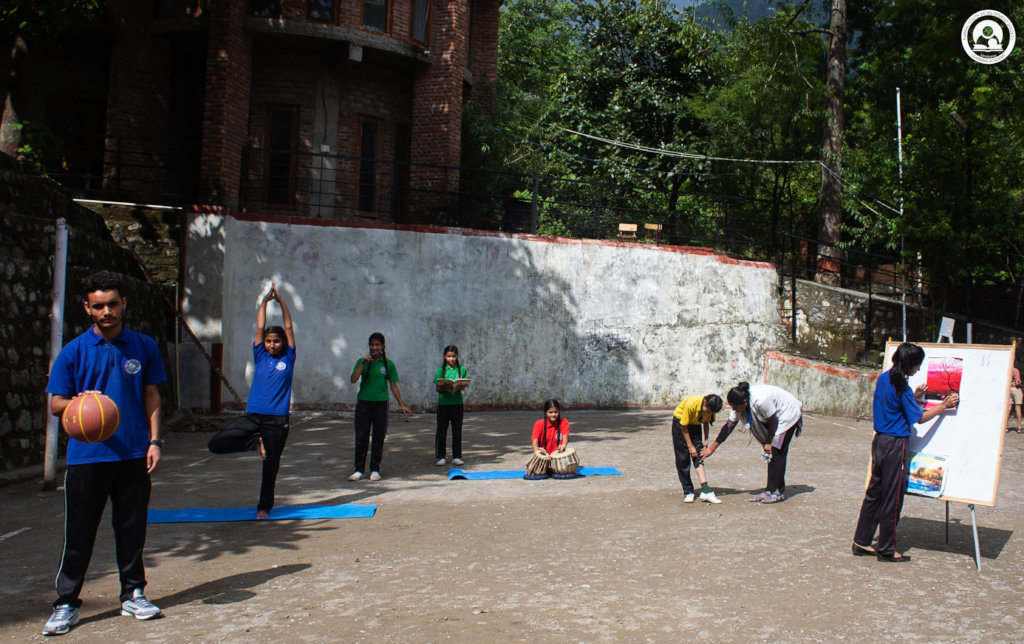
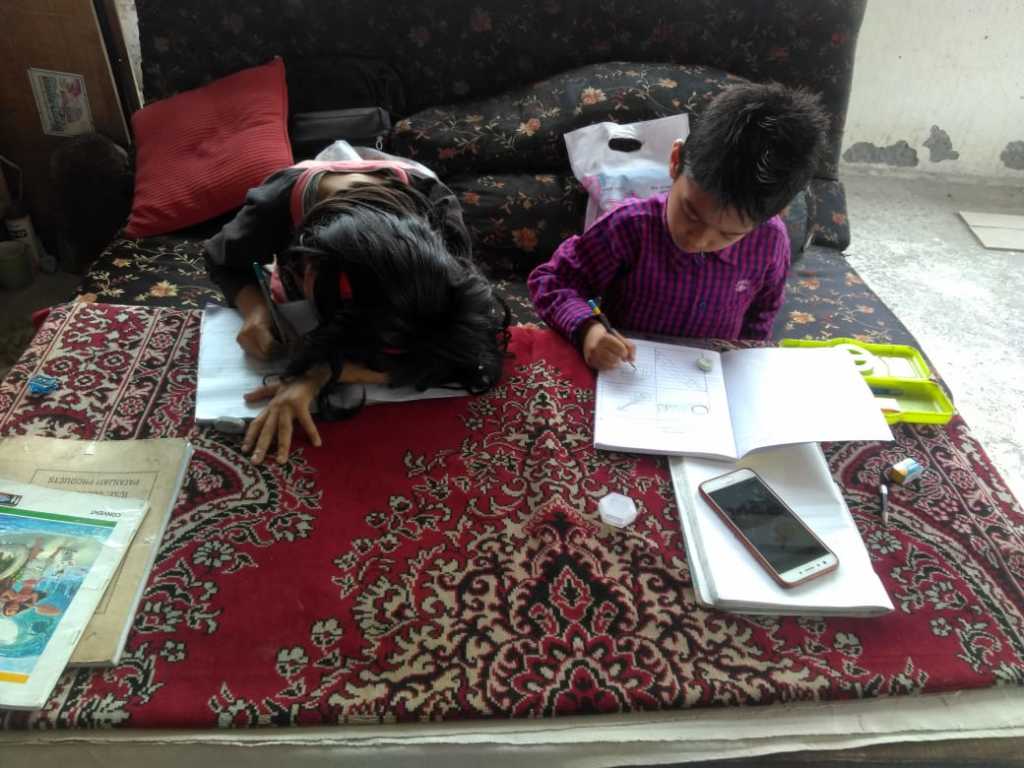
PYDS adapted swiftly to the consequences of the COVID-19 pandemic. With the enforcement of the lockdown, schools all over the country started conducting online classes in the best manner possible. It took our efforts, which began on April 12, some time to gain traction as our children have virtually no access to computers and internet at their homes. In order to facilitate remote teaching, our teachers took up the challenge of reaching the students with the help of mobile phones. Even though teachers encountered daunting challenges with this as well they and the students rose to the occasion and succeeded in carrying on the learning/teaching process remotely in the best possible way. A timetable for remote teaching was specially designed and lesson plans realigned. Learning was imparted using resources like videos, worksheets, virtual flowcharts, URLs, YouTube videos etc.
The lockdown helped elicit the hidden potential, talents and creativity of both our teachers and students. There has been a lot of reflection and experimentation by both, to devise such ways and means of learning/teaching processes that could leave an enduring impression on our students.
LEARNINGS
The lockdown helped elicit the hidden potential, talents and creativity of both our teachers and students. There has been a lot of reflection and experimentation by both, helping to devise newer methods of learning/teaching processes that will leave an enduring impression on our students.
TEACHERS
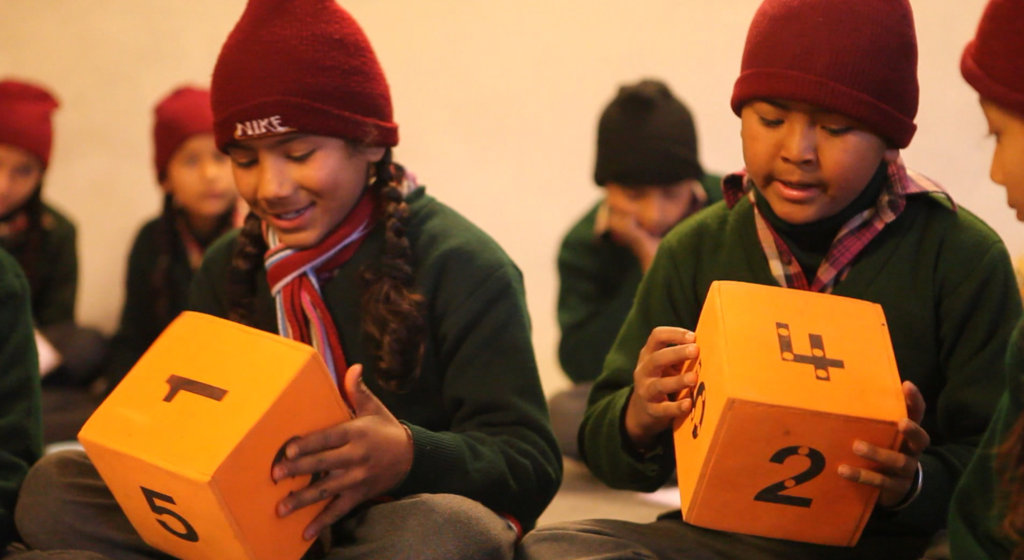
1. Teachers have acknowledged that apart from the conventional ‘chalk and talk’ method of teaching, there are methods which transfer the control of teaching from teachers to students, thus promoting lifelong learning. They have incorporated some of these methods and are determined to continue using them once the school reopens.
2. Teachers got a chance to interact with students on a one-on-one basis. They discovered that each student is unique and has a different way of learning. Equipped with different teaching methods, they are now aware that there is sufficient scope to address these by using customized teaching methods in parallel.
3. Encouraged by the above, teachers have also learnt that it is imperative to keep modifying and upgrading their lesson plans. While using different teaching methods, there have been ‘eureka’ moments which they immediately captured in their lesson plans, improving their quality of teaching-learning.
4. Teachers have become proficient in utilizing modern technology. Earlier they used to utilize it only for general purposes like data entry, preparing lesson plans and question banks. Now they are using technology as an active pedagogical tool and to procure learning resources.
5. Intra-department teamwork was present and has now extended to inter-department teamwork. Teachers have shared their best practices and guided each other to overcome their common challenges.
STUDENTS
1. Students have become self-reliant and independent learners. They carry out self-study through research and experiment. This has also led them to extended learning and become aware of the value of an inter-disciplinary approach to education. This novel approach is being supported and encouraged by their teachers.
2. The above learning has ignited their higher-order thinking skills (HOTS) which, in due course of time, will enable them to apply the knowledge gained to real-life situations.
3. Since our students have limited access to the digital world and other similar tools of learning, their young minds have devised ways and means to overcome this limitation, thus honing their problem-solving skills.
4. Learnings from 3 above have led to a lot of team-work and sharing of best practices among students.
Climbing Learning Ladders
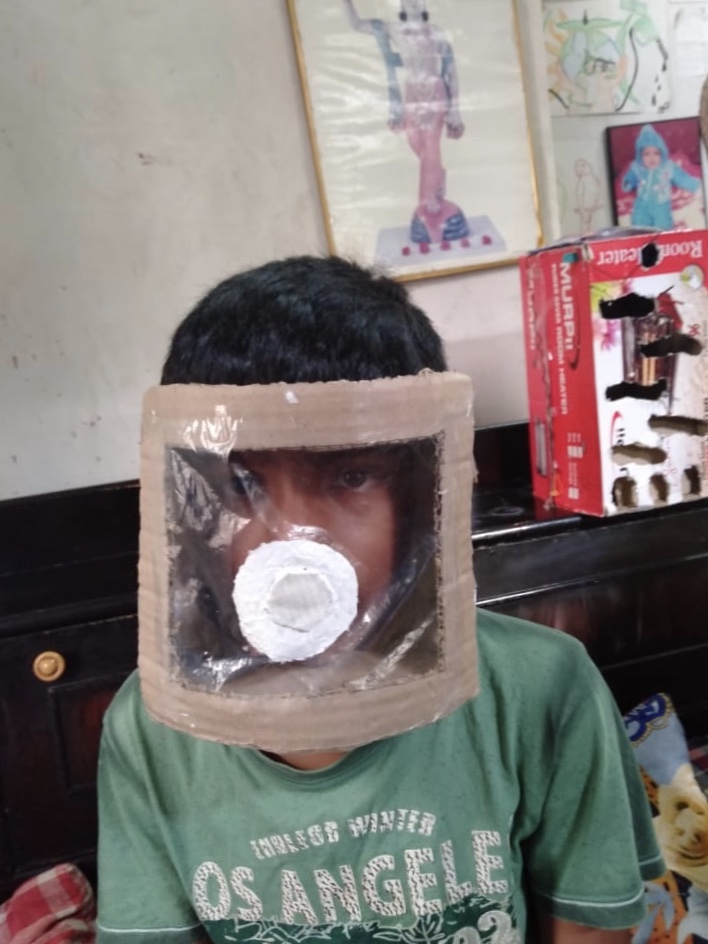
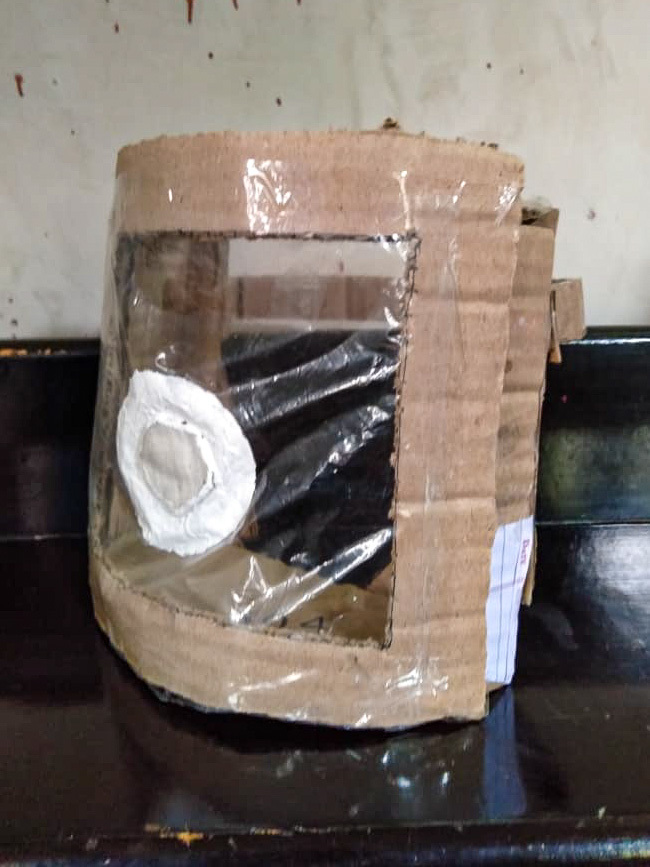
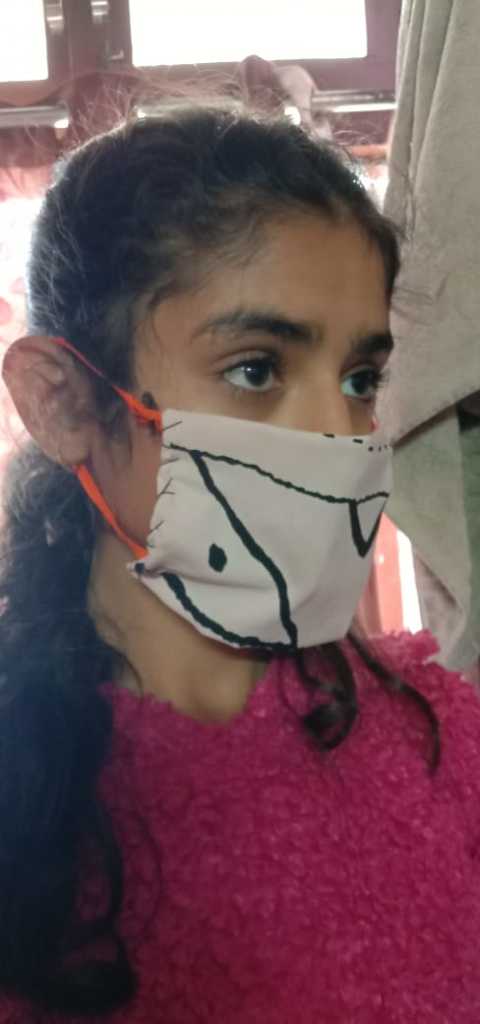
For students who are not academically inclined, we take them in our National Institute of Open Schooling(NIOS) Department/Vocational Education Program, where the focus is to develop their inherent skillset for a suitable career in future. Amidst the lockdown, several of our students have enhanced their talents and used them for the betterment of their surroundings.
Anjali helped her family to build a kitchen using brick and cement. Here is a link that shows the final result of her hard work. We, at PYDS, guide students to be empathetic towards others and come up with new ideas in order to lend them a helping hand.
Following her passion, Shweta, an avid reader has been tutoring the little minds in her neighbourhood since the past 3 months. She makes use of the teaching techniques practised such as ‘Think, Pair, Share’ and uses her earnings from these classes in buying more books of her choice. Her quest seems endless. Attached below is the picture catching a glimpse of her tuition.
With the aim to brush up the writing skills of our students amidst the lockdown where most of the study is being done through audio and video calls and writing has taken a backseat, we conducted both, English and Hindi Writing Competitions for classes IV to XII. Here is a link, showing a few of the narrations written by students. The competition helped them restore their writing habits as well as encouraged them to open up their minds to pen down unheard and unique write-ups.
Our main target is to make these students capable enough to lead a life of their dreams. We achieve this by analyzing each student’s strengths and building upon them.
Our Young Tinkers
We emphasise the practical application of the theories learnt in classrooms so that students can grasp the actual utility of concepts rather than just memorising them. The resources and tools in our Tinkering Lab are a result of the generous donations given to us by several philanthropists over the years. We hope to add to them in the future with your support.
Collecting Flags of Achievements
We feel proud to raise students which fulfil the ultimate mission of our organisation: grow the underprivileged children of Uttarakhand into sensitive, healthy, intelligent and contributing members of society.
We thank you for the wonderful support that you are providing to our cause.
Project reports on GlobalGiving are posted directly to globalgiving.org by Project Leaders as they are completed, generally every 3-4 months. To protect the integrity of these documents, GlobalGiving does not alter them; therefore you may find some language or formatting issues.
If you donate to this project or have donated to this project, you can receive an email when this project posts a report. You can also subscribe for reports without donating.