By Zuhra Dadgar Shafiq | Program Director
In the remote villages of Afghanistan, where mountains, poor roads and harsh winters often separate families from essential services, access to skilled maternal healthcare can mean the difference between life and death.
For many women, that lifeline is a trained midwife.
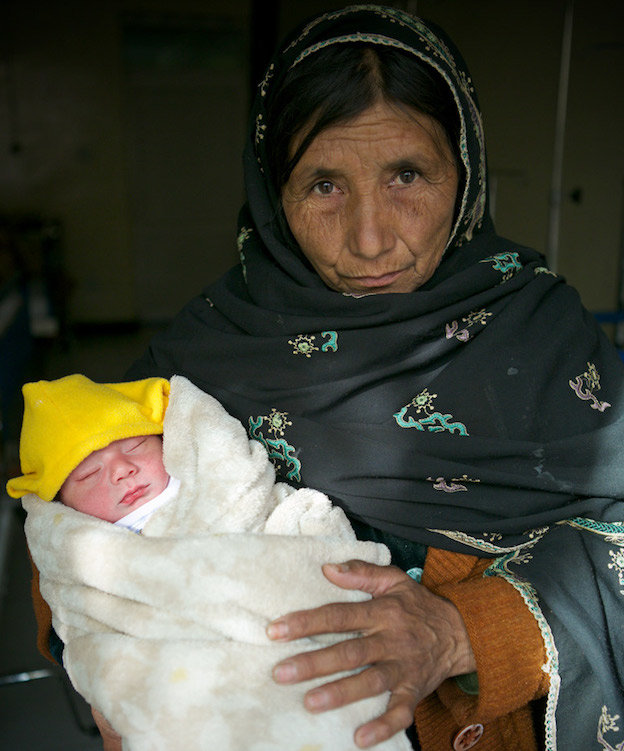
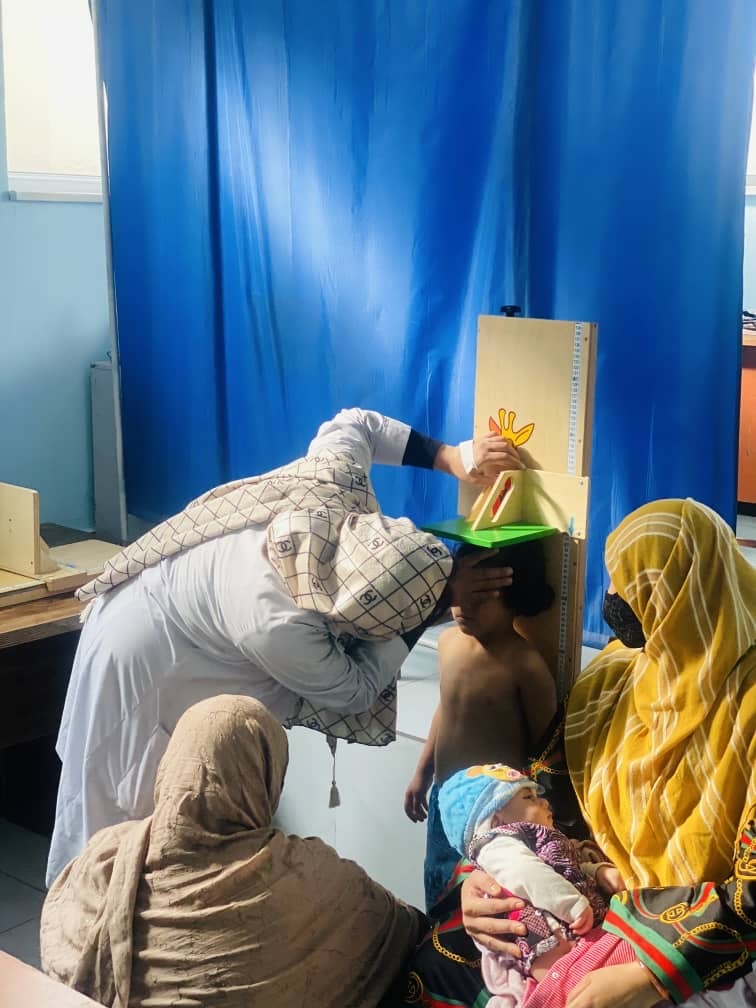
Among them is Farzana (pseudonym) who completed her midwifery training through a programme supported by the Action for Development. Today, she serves women in her community - in Takhar, providing antenatal care, safe delivery services and postnatal support to mothers and newborns who would otherwise have little or no access to healthcare.
“Many women arrive after travelling for hours, often in difficult conditions,” she says. “Some are experiencing complications, while others have never seen a health professional during their pregnancy. Being there for them at such a critical moment is both a responsibility and a privilege.”
Since beginning her work, Farzana has assisted hundreds of births and has become a trusted source of care and guidance for women and their families. Her presence has helped increase the number of women seeking skilled attendance during childbirth, contributing to safer deliveries and healthier outcomes for mothers and newborns.
How we can help bridging a gap?
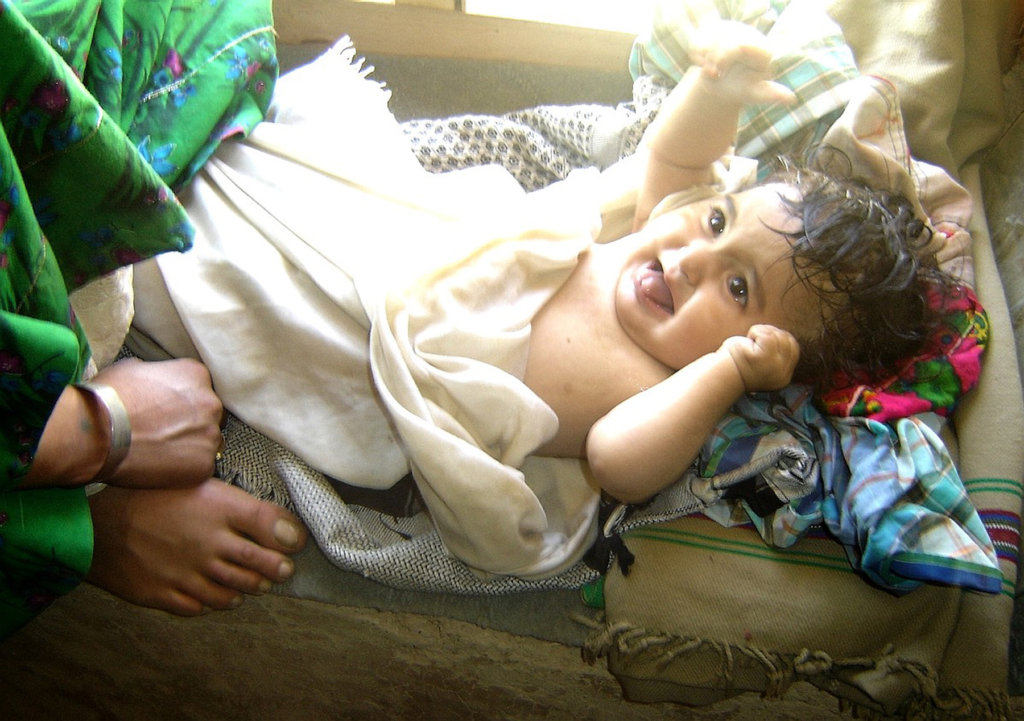
Afghanistan continues to face significant challenges in maternal and newborn health. Geographic isolation, shortages of female health workers and economic hardship often prevent women from accessing timely medical care.
In many rural communities, trained midwives are the primary providers of reproductive, maternal and newborn health services. They offer not only delivery care, but also family planning counselling, antenatal check-ups, health education and referrals for emergency obstetric care when needed.
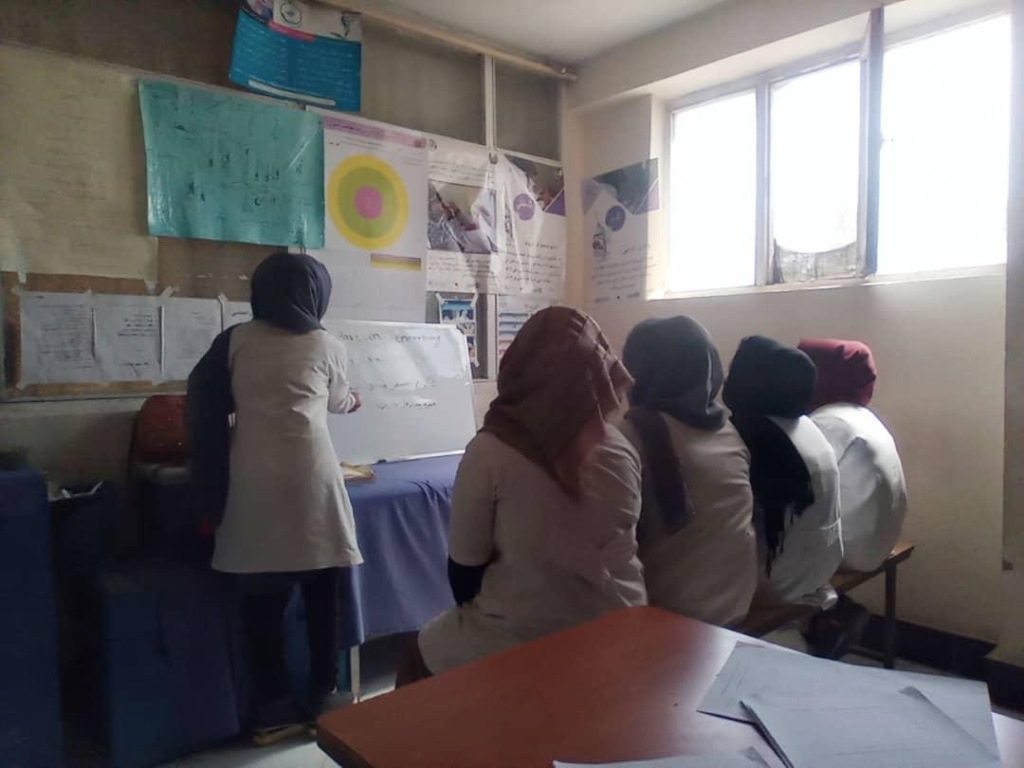
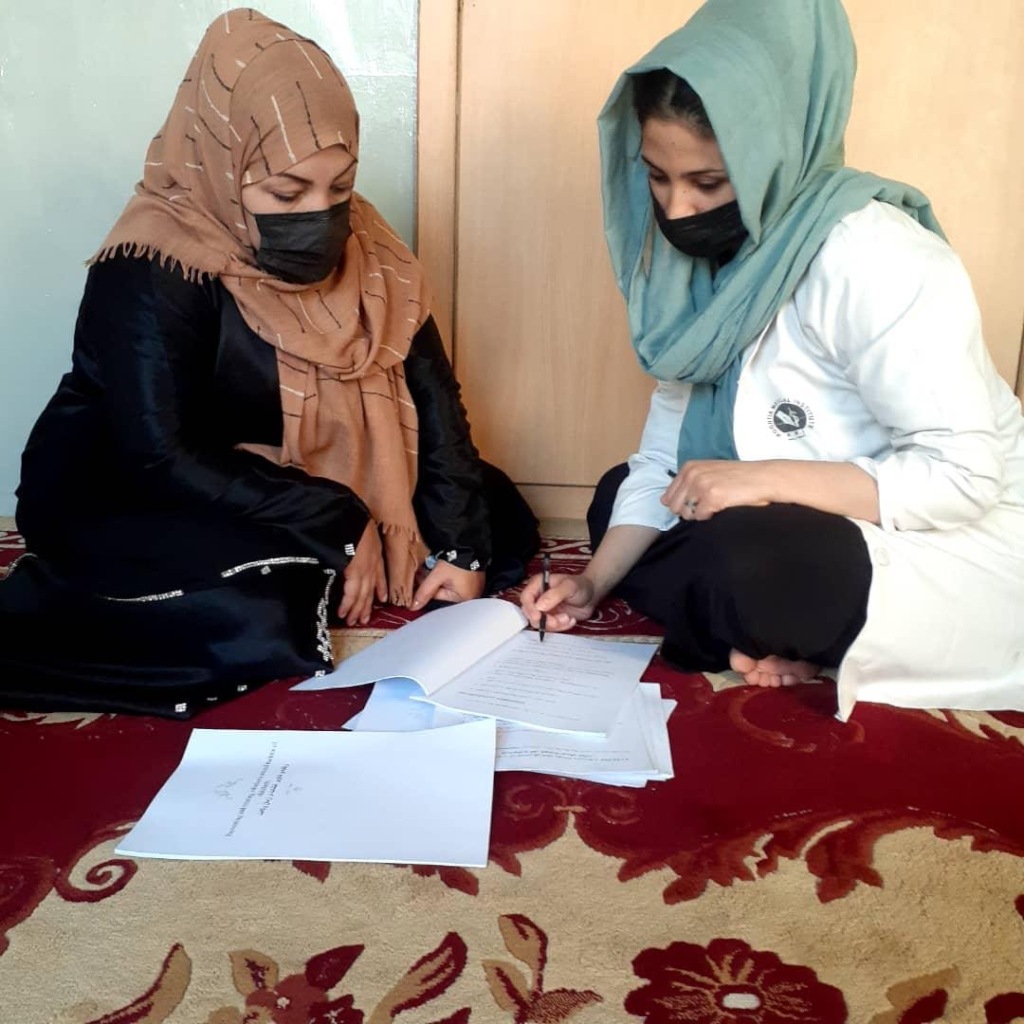
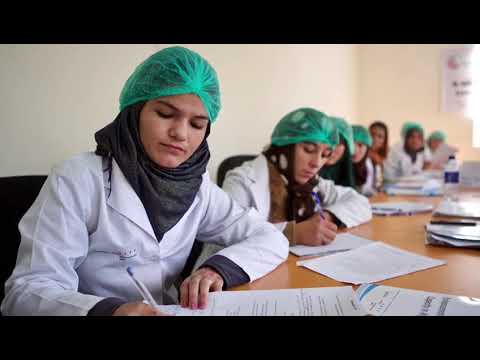
The training provided to the midwives was designed to strengthen this vital workforce by equipping women with the skills and knowledge required to provide quality care in underserved areas. The trainees are selected from villages where they return to upon accomplishment of training, where they serve communities that previously lacked access to qualified maternal health professionals.
Your donations and contributions to this project ensures that we continue provision of training to midwives, which in turn saves lives.
Project reports on GlobalGiving are posted directly to globalgiving.org by Project Leaders as they are completed, generally every 3-4 months. To protect the integrity of these documents, GlobalGiving does not alter them; therefore you may find some language or formatting issues.
If you donate to this project or have donated to this project, you can receive an email when this project posts a report. You can also subscribe for reports without donating.



Support this important cause by creating a personalized fundraising page.
Start a Fundraiser