By Lisa Mangiapani | Development Officer
In Mombasa County, Kenya, cultural practices, religion, and other factors often stand in the way of women making choices about their reproductive lives. The dominant ethnic group, the Mijikenda, tend to marry girls at an early age and believe in large families. Cultural illiteracy and poverty are both common, particularly among women.
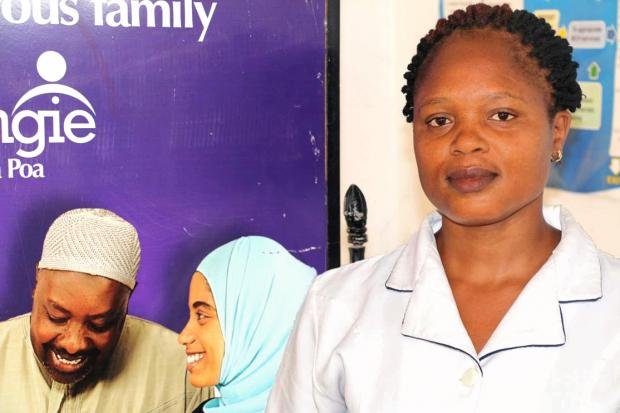
Linnet, a nurse at Mbuta Model Health Centre in Mombasa County, located ten kilometers from the nearest major hospital, did not have the proper training to consult and provide women with necessary contraceptive technology. Though she was able to administer contraceptive injections and pills, these forms of birth control are highly technical in practice, and many women who are illiterate cannot use them properly. Other birth control options were not available at Mbuta Model Health Centre.
“In 2012 there was a woman who wanted an implant,” Linnet says. “But when I referred her to Mombasa, she did not make the trip because she lacked money for transport. After three months, she came back and wanted to have the injection. But when I ran a pregnancy test, she was already one month pregnant.”
During a training course in contraceptive technology use, Linnet learned how to provide and use methods such as intrauterine devices, implants, and injectables. She was also equipped with counselling skills to help women make important decisions about reproduction. This training was funded by the Afya Elimu Fund, which allowed Linnet to expand her knowledge about women’s reproductive health and empower the women in her community to make informed choices.
Throughout Kenya, 17% of pregnancies are unwanted and 26% are mistimed. In 2013, 6,300 women died due to pregnancy-related causes. Women in rural and impoverished areas face particularly high risks, especially when—like the woman Linnet saw—they’re unable to access the care they need.
Thanks to the training that Linnet and her peers received, health workers at Mbuta Model Health Centre now have the necessary background to support women and allow them to make informed reproductive decisions. This training would not be possible without the Afya Elimu Fund, which provided Linnet with the necessary financial support to attend.
Project reports on GlobalGiving are posted directly to globalgiving.org by Project Leaders as they are completed, generally every 3-4 months. To protect the integrity of these documents, GlobalGiving does not alter them; therefore you may find some language or formatting issues.
If you donate to this project or have donated to this project, you can receive an email when this project posts a report. You can also subscribe for reports without donating.