By Taher AL-Hatef | Secretary General of the Organization
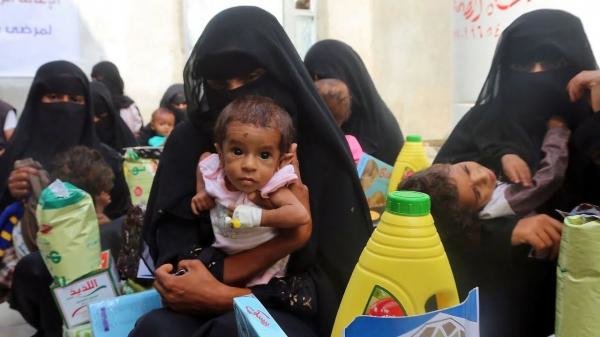
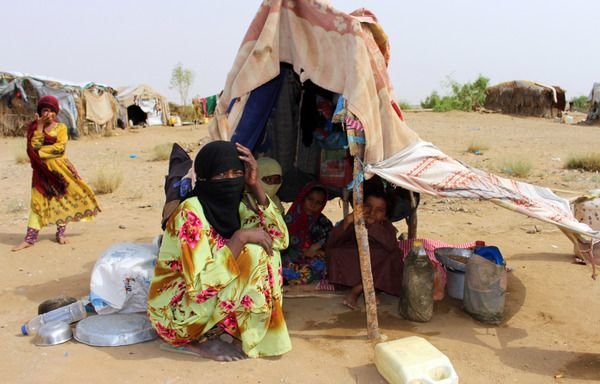
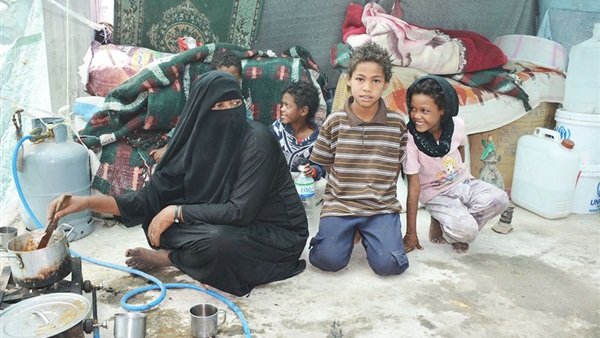
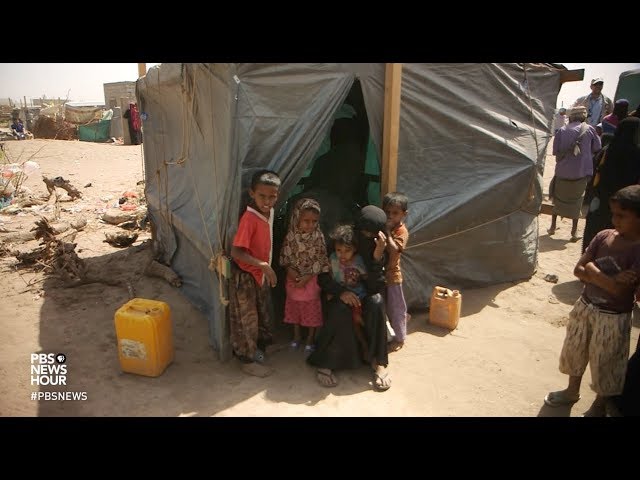
During recent months, the Hope Fund in Crisis team approved the final report on the grant provided to the project, through which 50 displaced families in Yemen were rehabilitated and empowered to work and produce, which is considered a success for the project team and for our organization.
The project was implemented in two phases:
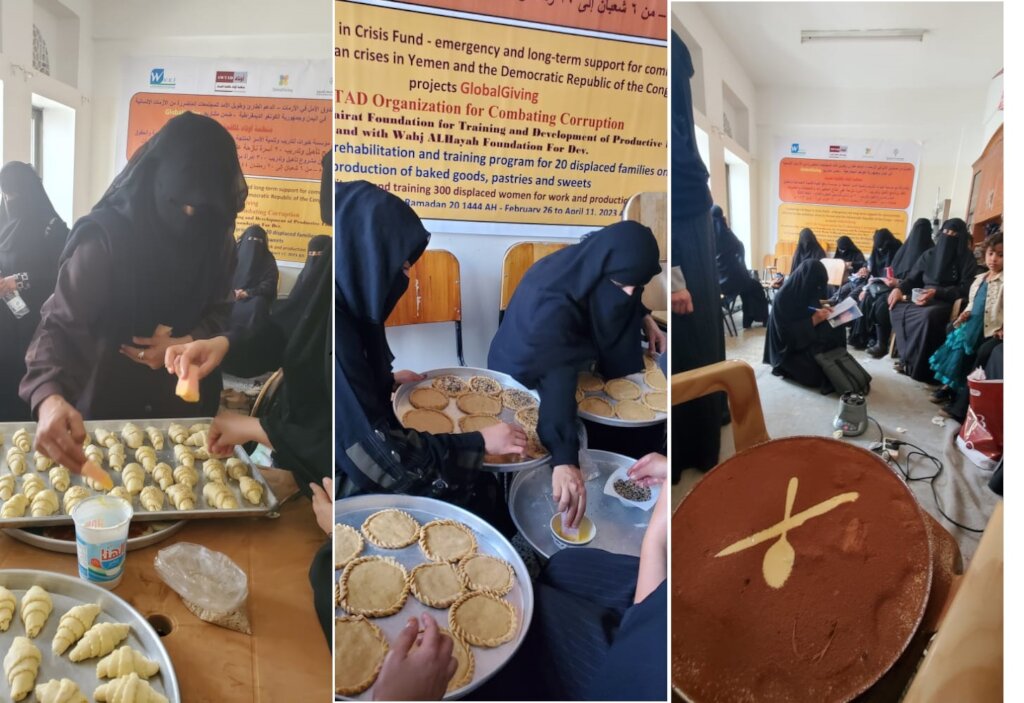
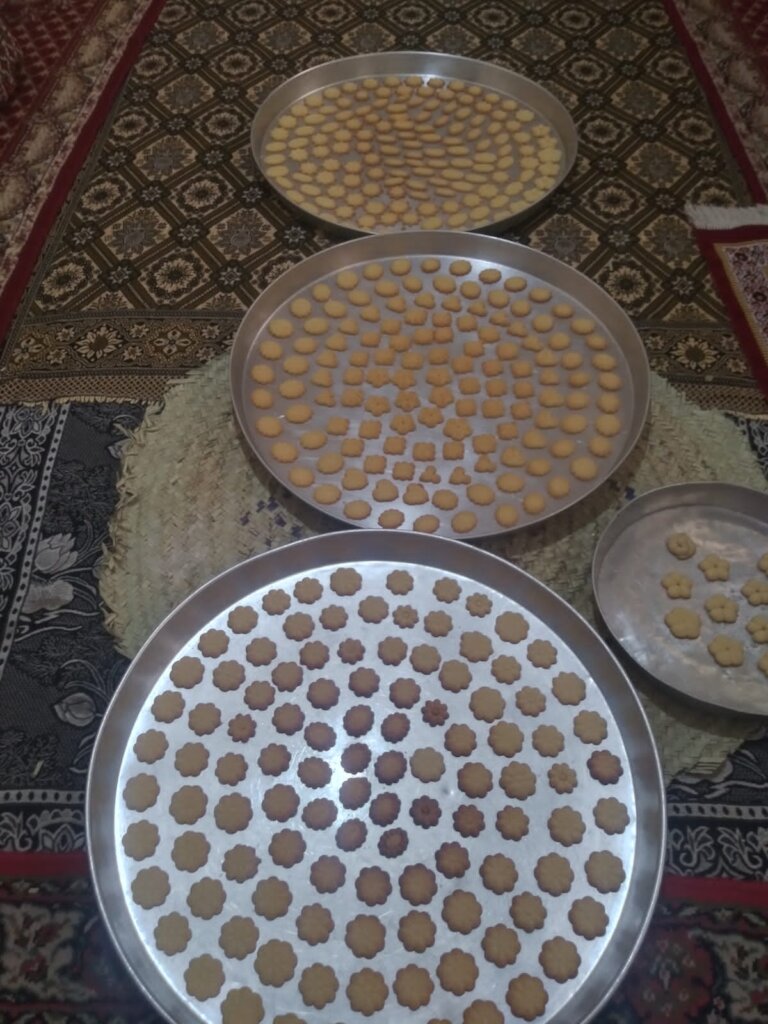
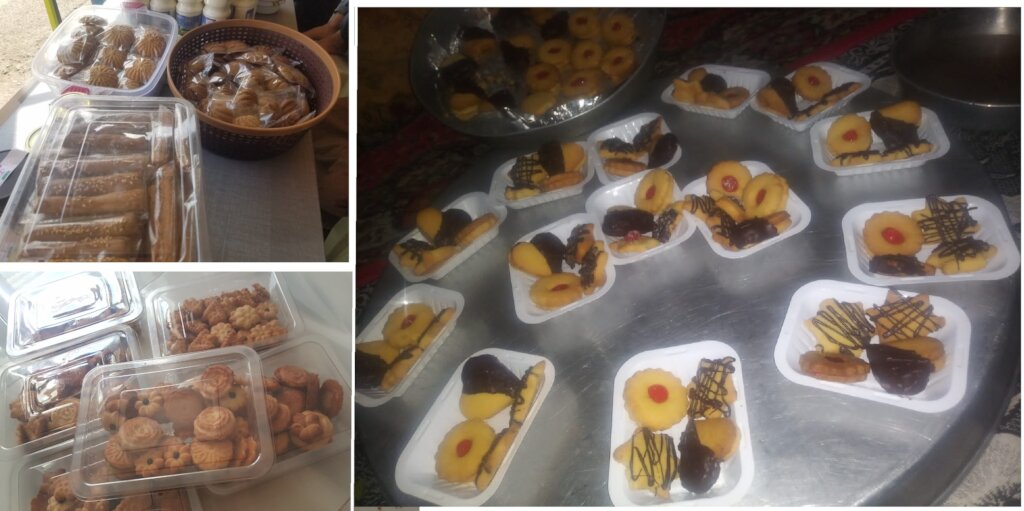
The first in Sanaa: 20 displaced women were trained and trained in the field of making pastries and sweets
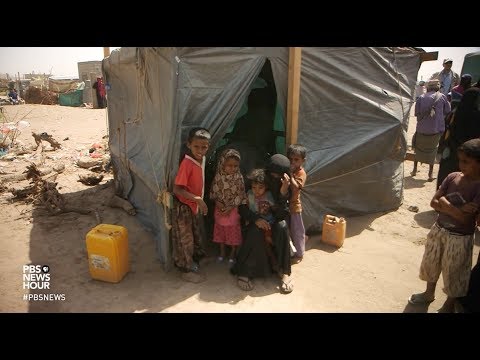
The second phase in the city of Ma’rib: during which 30 displaced women were trained and qualified in the fields of sewing, embroidery, and popular mat making.
Despite the many difficulties and high risks faced by non-governmental organizations in Yemen, the organization’s team was able to complete all stages successfully.
During the month of last June (coinciding with the blessed religious Eid al-Adha and the wedding season after Eid), the project team continued to follow up on the displaced women who had been rehabilitated and assisted via mobile phones and social media in order to verify the continuity of production and marketing of the small projects that had been established and supported.
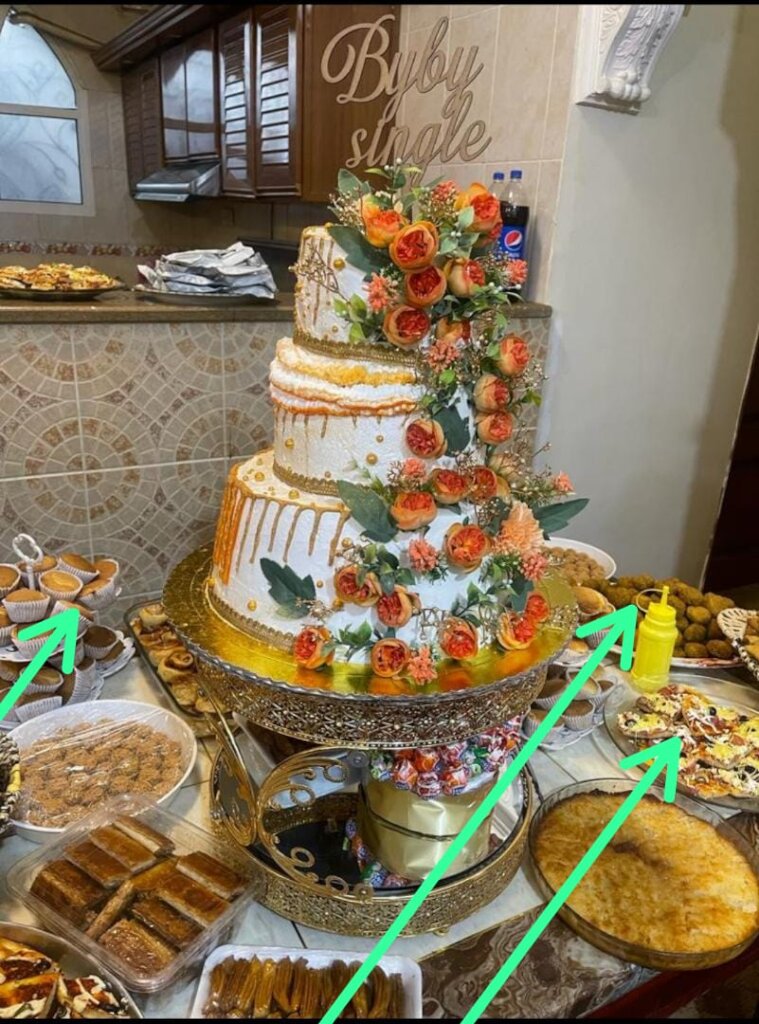
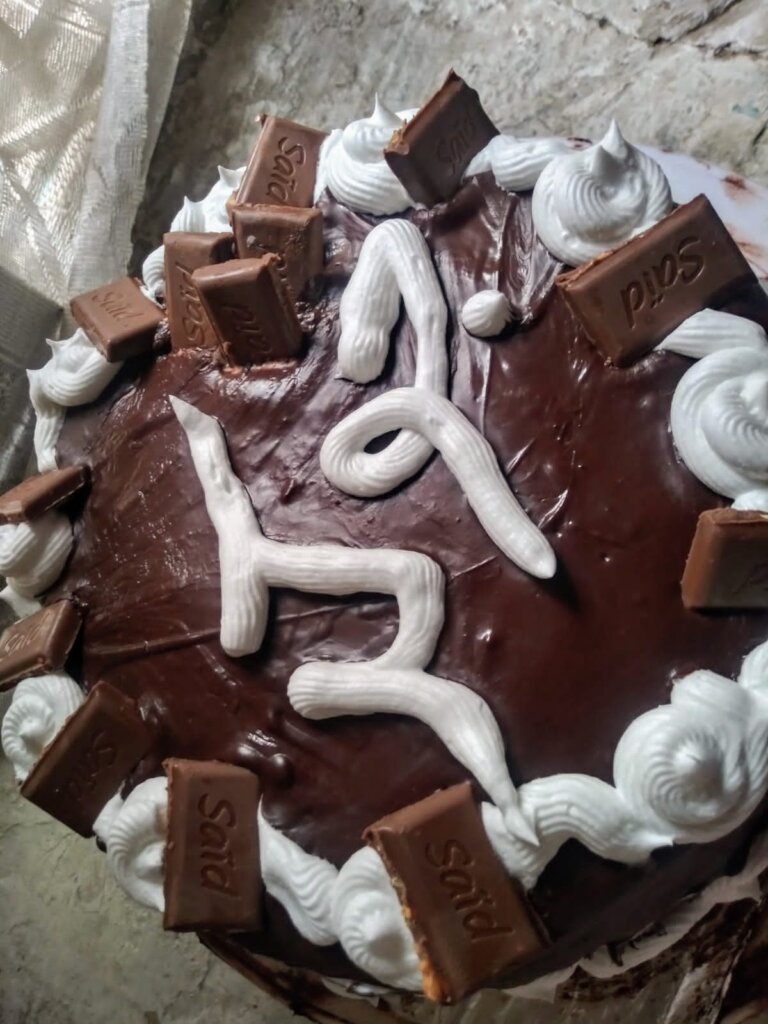
The demand for these products increases greatly during religious holidays and wedding parties, and the results have been comfortable
The displaced woman, “Wafiya,” who participated in the sweets and pastries program, received many requests to prepare sweets for weddings and engagement parties. Her work schedule was very busy, and she sent us pictures of some of those products.
The displaced woman, “Firdaus,” now has a special pavilion to sell her products in the weekly Thursday market for productive families, and she achieved good sales and profits during the Eid al-Adha season.
Through follow-up and evaluation, the group of displaced women who were trained and supported in Sana’a (in the first third of the year 2023) and at the end of the year there were 16 successful production projects out of 20 (80%). There was sufficient time to evaluate the level of success.
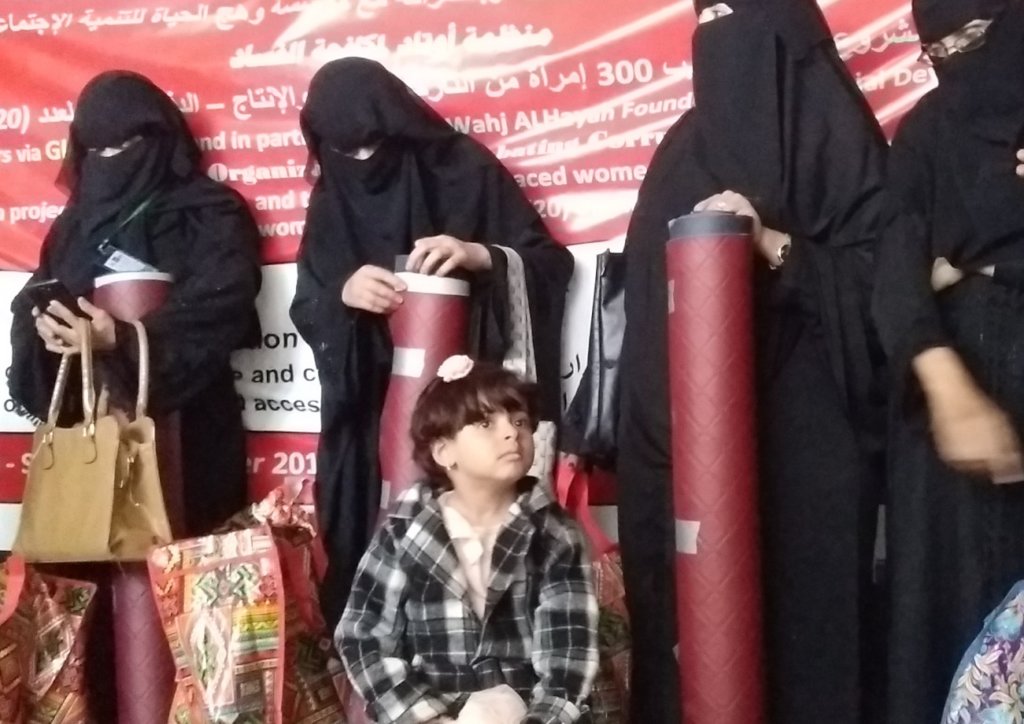
As for Marib, all stages were implemented in the last third of the year 2023, and in November all the trainees began home production, and an exhibition was held to market and promote their products. There is not enough time to verify the number of projects that will be able to continue and succeed, but through our communication Continuing with displaced women, the results are comfortable.
We do not believe that there are similar projects that can achieve their goals 100%, especially in communities that suffer from difficult and dangerous conditions.
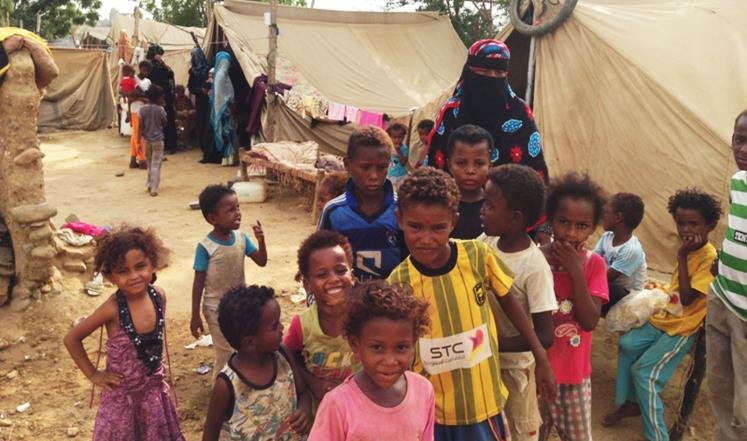
In the future, we plan to implement all humanitarian and development projects in areas under the control of the legitimate government, where the largest number of displaced people are located in Yemen, and in camps designated for the displaced.
We want to move towards training and qualifying displaced women in the field of communications, Internet and technology services (such as maintenance and programming of mobile and computer devices for women, and sales of mobile phone packages, spare parts and accessories),
We hope to implement this for a larger number of displaced women and for 90 women in: Ma’rib, Taiz, and Sayun.
We have submitted proposals for projects in this field to some international donors, and we are awaiting their response
Project reports on GlobalGiving are posted directly to globalgiving.org by Project Leaders as they are completed, generally every 3-4 months. To protect the integrity of these documents, GlobalGiving does not alter them; therefore you may find some language or formatting issues.
If you donate to this project or have donated to this project, you can receive an email when this project posts a report. You can also subscribe for reports without donating.