By Taher Omar Alhatif | Secretary General of the Organization
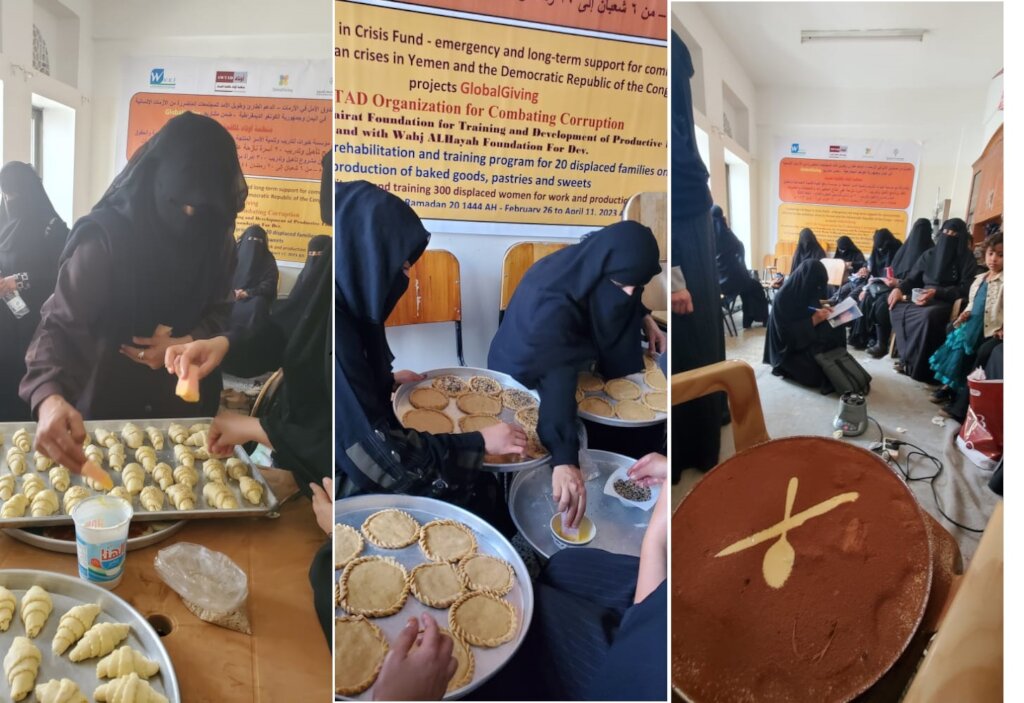
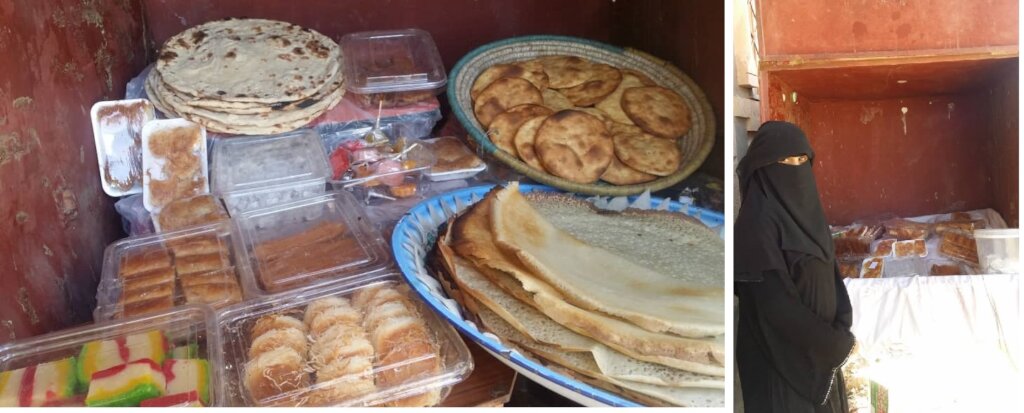
First: Completing the two phases of monitoring and evaluation, and marketing the products for the first group (20 displaced women), which we implemented in the capital, Sana’a, in the field of manufacturing pastries, baked goods, and sweets.
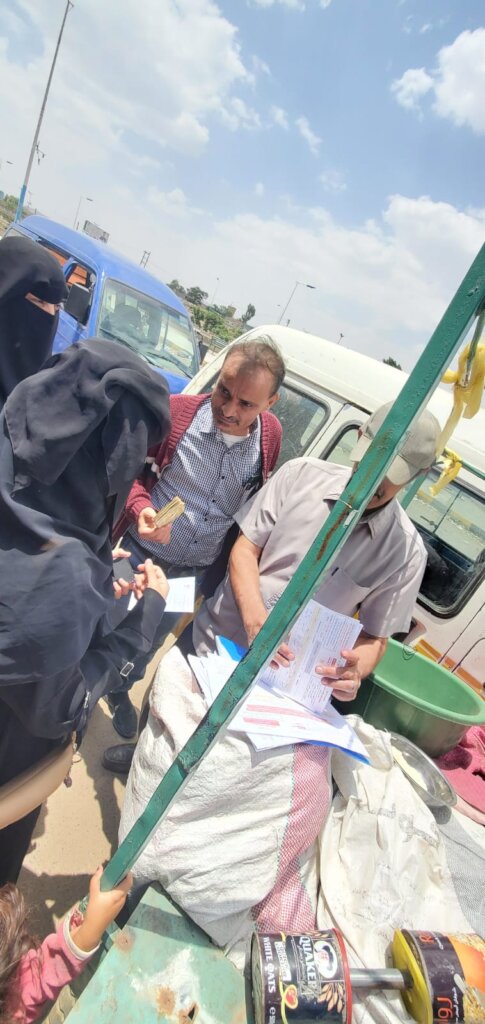
The monitoring and evaluation team, with the participation of the project management, made a field trip to the displaced women on September 16, and was informed of the level of work and production of the displaced families who were trained, qualified and supported, and the difficulties they face.
Financial assistance was provided to home projects facing some difficulties, and some female trainees were also supported to open small shops to sell products.
We now have four displaced women who own small shops that sell products, two of them in government schools for girls.
There was a distinctive case, which was the displaced person, Yusra, who left the displacement and returned to her country, where she took her home project with her, and opened a small store inside a girls’ secondary school. The project helped her by sending her a financial transfer to buy furniture for the store, and she was very happy. With her success in opening her small business.
As for the faltering home projects or those that need help to develop their work, we were able to find a solution for them, through a program to help emerging home projects, which is a program implemented in partnership between the Direct Aid Foundation, the Hope Fund, and the Social Fund for Development, where we contacted them and registered 3 displaced women in the program.
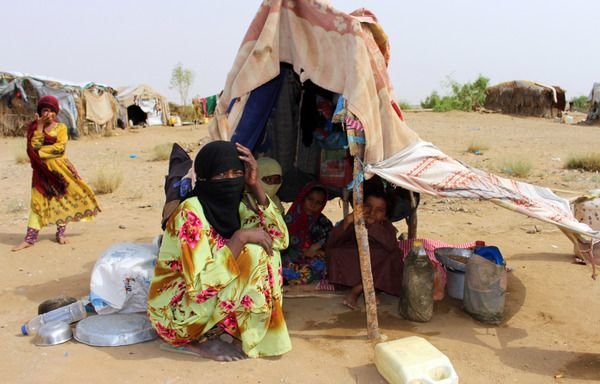
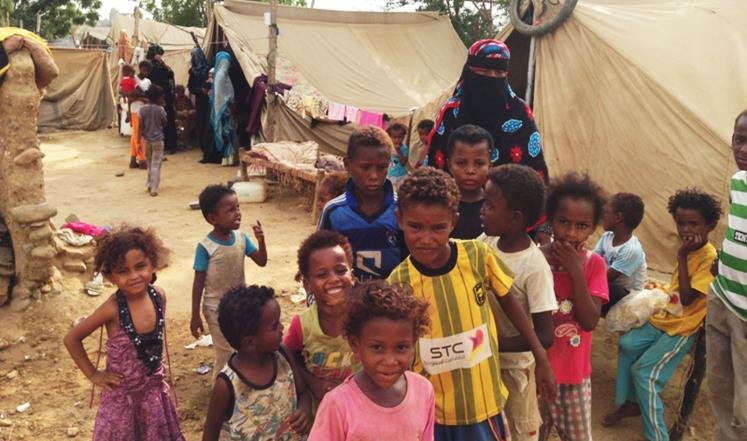
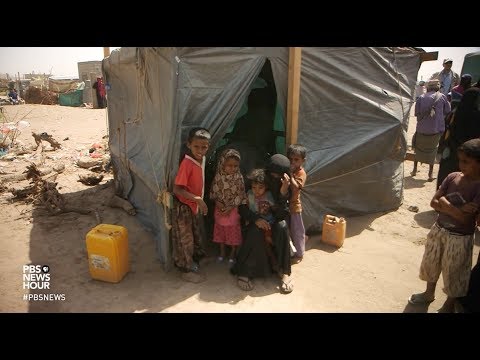
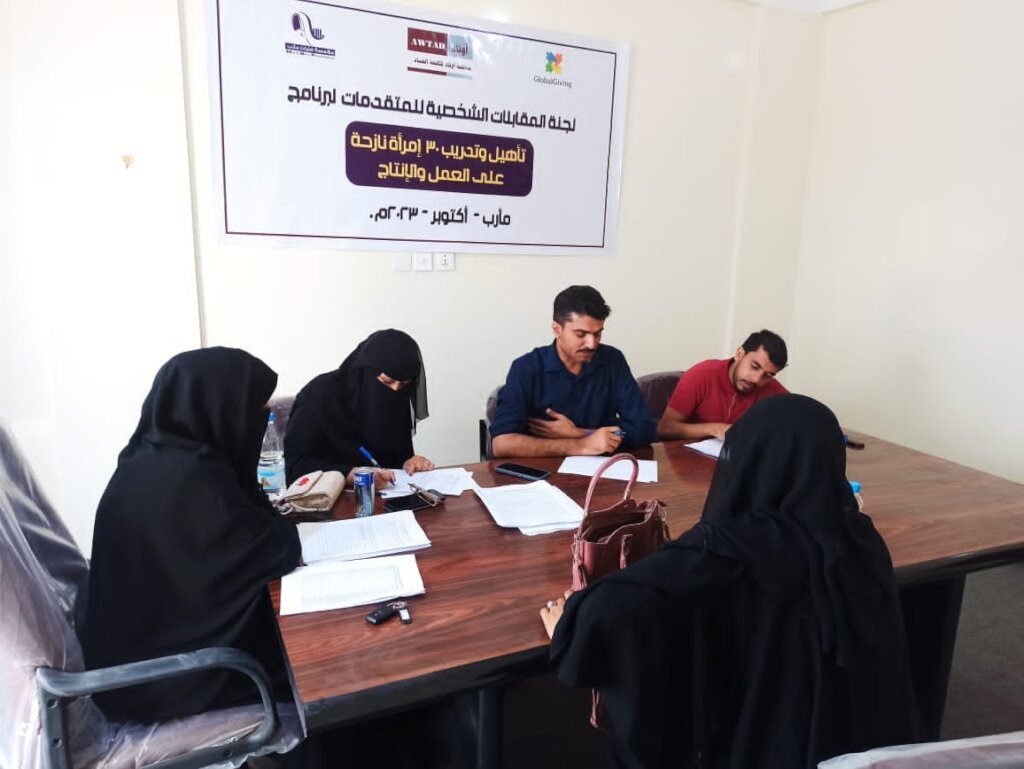
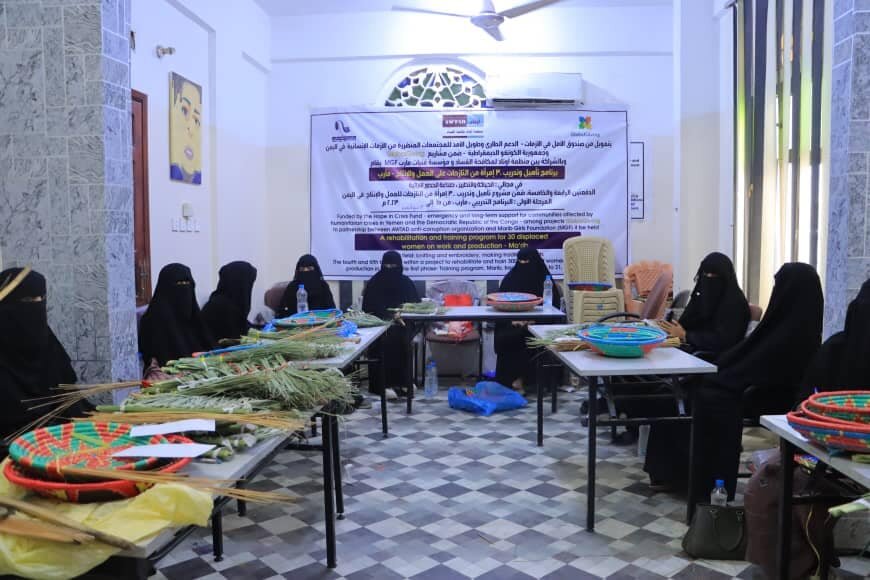
Second: Launching the fourth and fifth batches of the project in the city of Ma’rib: After following up with government agencies for several months to obtain government permits, we faced many difficulties, but we were able to overcome them, and we began training and qualifying another 30 displaced women in the city of Ma’rib (where the largest camps for displaced people in Yemen are located).
We first searched for a local organization to partner with, and we signed a partnership agreement with the Ma’rib Girls Foundation, which has good experience and has a special program for the economic empowerment of displaced families in Ma’rib Governorate, and is run by a female leadership known in Yemen for its efficiency and integrity, and they cooperated with us wonderfully.
On October 15, the implementation of the first phase began, and the fourth and fifth installments of the project were launched as follows:
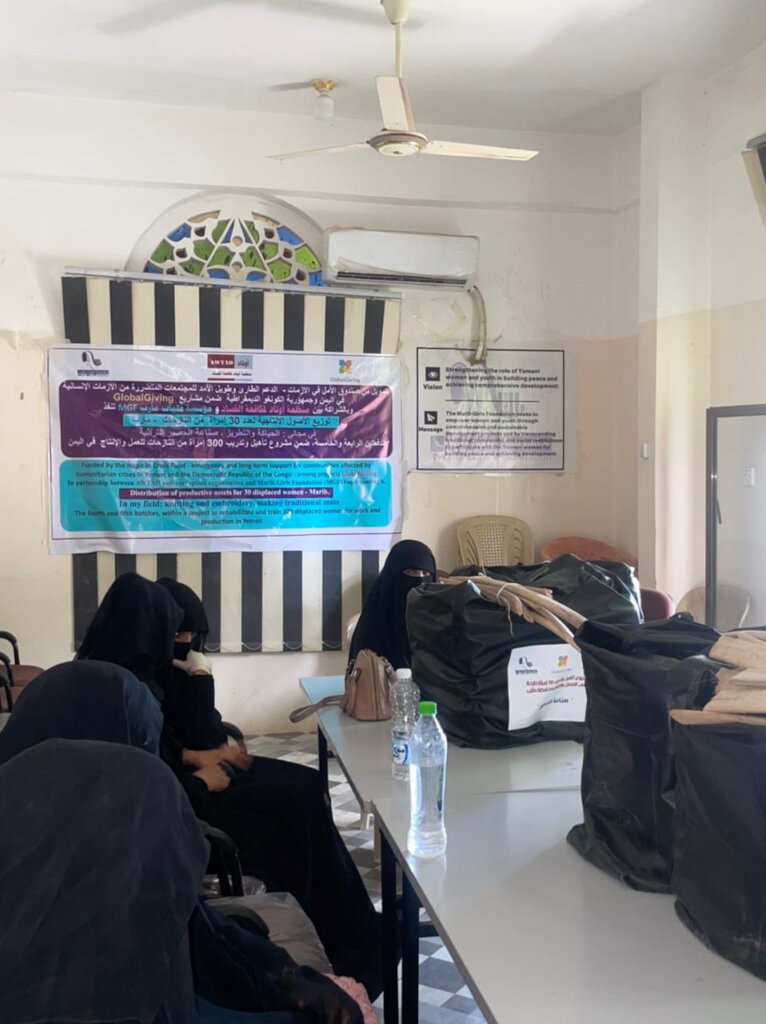
The fourth batch: in the field of knitting and embroidery for 12 displaced women
The fifth batch: in the field of manufacturing traditional handmade mat products for 18 displaced women
The first phase (the training program) was supposed to end on October 31, but we added two additional days (at the request of one of the trainers) and we finished the training on Thursday, November 2. We were able to implement the training successfully.
We faced the problem of a significant decline in the exchange rates of the national currency in Yemen, as the exchange rate of the Yemeni riyal declined against foreign currencies, and since the beginning of the year the exchange rate of the national currency has been declining continuously.
The exchange rate suddenly declined in a rapid and unprecedented manner during the months of October and November, by approximately 15%, causing an increase in the prices of goods, services, and transportation costs in Yemen. This caused an increase in the costs of training courses, greater than what was planned in the project budget.
We were able to confront this problem by redistributing the operating budget, and we reduced salaries and indirect expenses in order to cover the increase in training expenses and some other expenses (such as taxes, government fees, and miscellaneous expenses) and transportation expenses during the evaluation and follow-up stage.
Last week, we began implementing the stage of establishing home projects for the trainees.
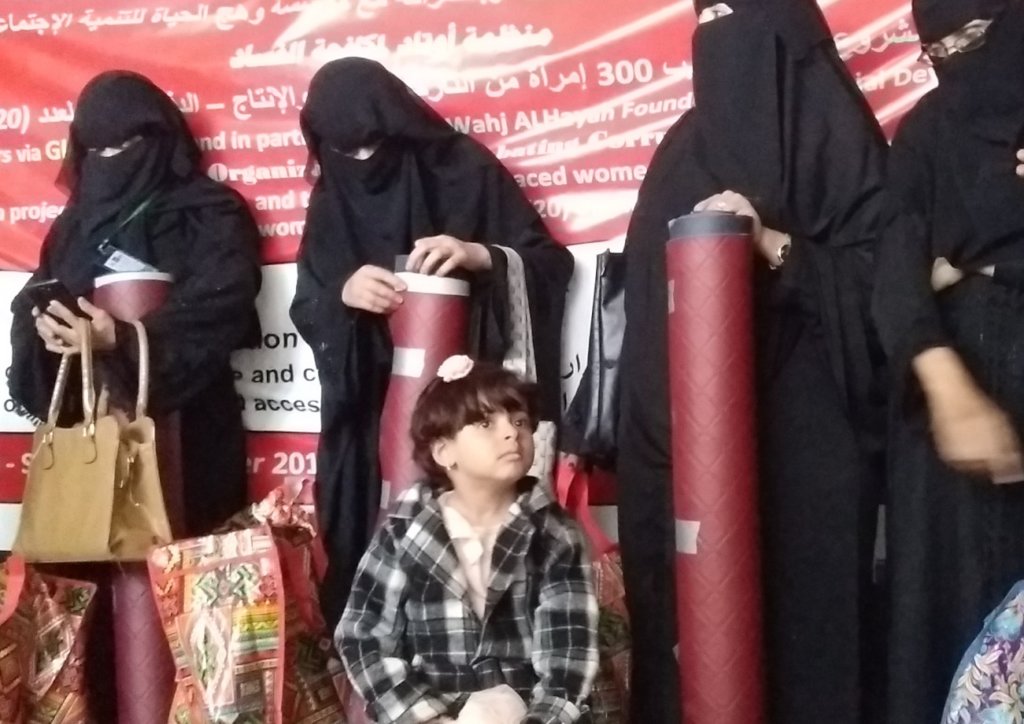
The tools and raw materials necessary to establish home projects were purchased for 30 displaced women, and distributed to all trainees, in order to begin the home production stage.
We are currently preparing to hold an exhibition to promote and market the products of displaced families, as part of a marketing program for the project that aims to help displaced families in marketing and developing their home projects.
Links:
Project reports on GlobalGiving are posted directly to globalgiving.org by Project Leaders as they are completed, generally every 3-4 months. To protect the integrity of these documents, GlobalGiving does not alter them; therefore you may find some language or formatting issues.
If you donate to this project or have donated to this project, you can receive an email when this project posts a report. You can also subscribe for reports without donating.