By Taher Omar Alhatif | Project Executive Director
During the last quarter of last year 2020, the project received donations of only $ 825, but a part of it was deducted by foreign banks in exchange for bank transfer commissions of $ 175, in addition to a financial grant to help the organization face the repercussions of the Covid-19 pandemic of $ 1000.
The second batch of the project was supposed to be implemented in the year 2020, but the organization had to postpone it to 2021 due to the scarcity of donations on the one hand and the quarantine to confront the Corona virus on the other hand.
Because of the Covid-19 pandemic and the resulting losses, the organization was forced to disburse financial donations made to the project in the year 2020 to help displaced women who graduated from the first batch (for more information, review the previous report), leaving only 7850 Yemeni riyals ($ 13.08), which were deposited into the organization's account. In the bank in Yemeni riyals.
The project team then followed up on the displaced women who had graduated from the first batch and evaluated the results
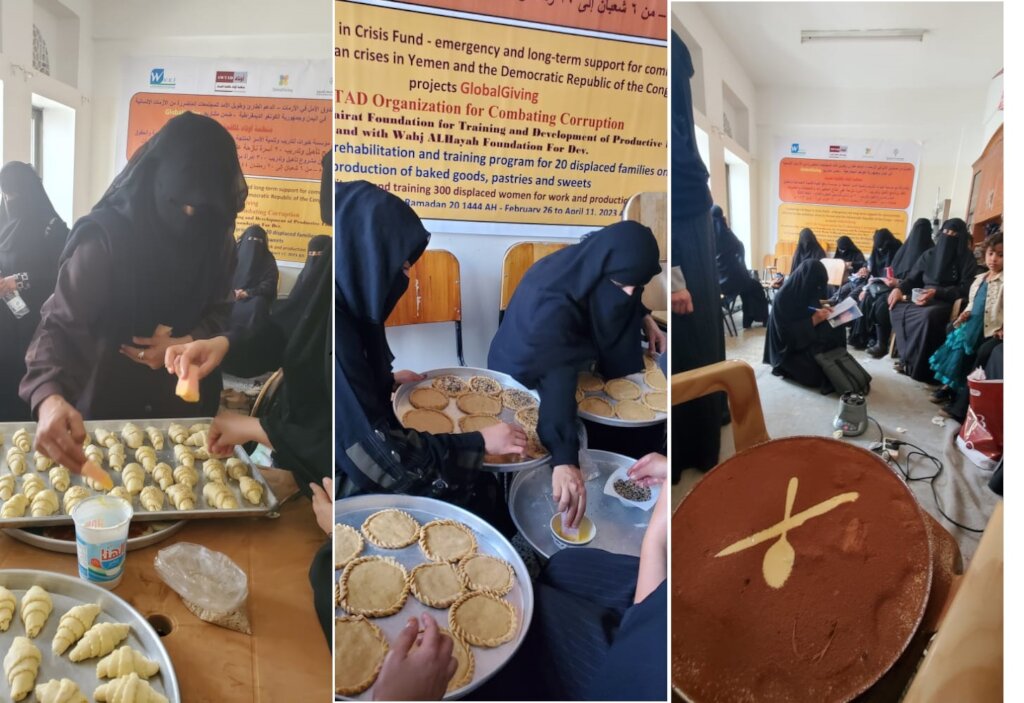
During January 2021, the project team began preparing for the implementation of the second batch of the project, through the following steps:
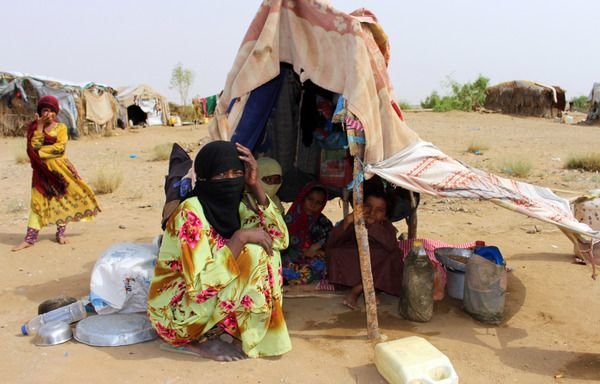
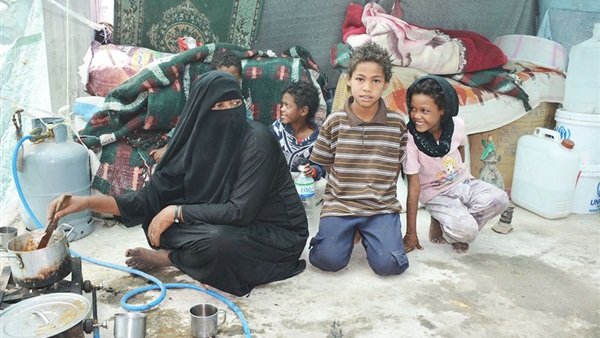
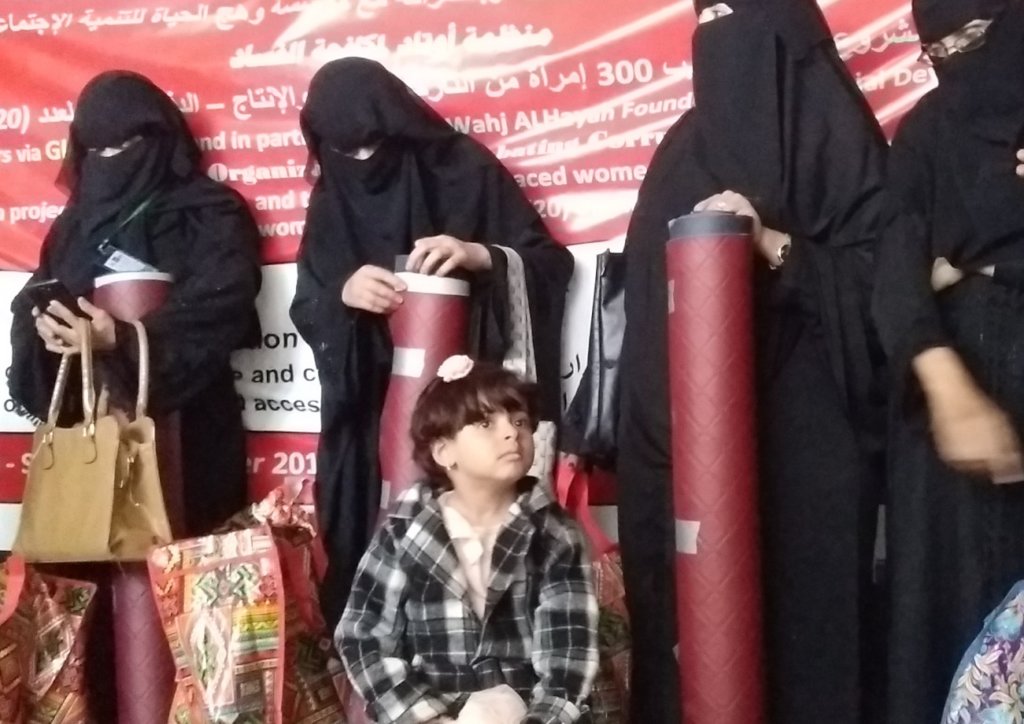
1- Selection of the names of the displaced women who will participate in the second batch: The organization had prepared a list of names and information of 300 displaced persons - according to the project plan - and 20 of them were previously selected in the first batch, but the events and changes that occur in Yemen due to the war and health and economic crises lead to the instability of many The displaced people are in the areas of their displacement, and therefore it was necessary to review the previous database, to select the participants who are settled in the capital, Sana'a (according to the project plan) and from poor families who do not have men who are able to work, and thirty displaced women have been selected, twenty of whom will be approved. They were contacted, and dates were set for the interview and the field trip to the sites of their displacement during the month of February
2- The project team studied the types of handicrafts that will be selected for the training and production program for the second batch, and the project team agreed to change the types of handicrafts that were previously trained in the first batch, which were:
- Manufacture of women's bags and accessories: where the success rate was very weak and did not exceed 30%, for several reasons, the most important of which is flooding the local market with cheap ready-made products imported from China, and the inability of the products of the displaced women to compete with them, and other reasons, including the lack of suitable sewing machines for the majority of the displaced
The manufacture of perfumes, incense and cosmetics: Although the first batch graduates achieved 70% success, the working and producing families of this type of handicraft increased their number greatly during the past two years as a result of similar programs implemented by other organizations and associations, after the success of our program
- With the events of the year 2020 resulting from the Corona list, the urgent need for sterilization materials, hygiene, medical masks and simple sanitary supplies appeared, and therefore the team decided to choose a training program for household handicrafts for this type of products, as one of the training programs for the second batch.
- The team is studying another proposal, which is optional, by receiving proposals from the displaced during the conduct of personal interviews, according to their personal desires and hobbies, so that the most desired proposal among the participants is chosen, to be part of the training programs for the second batch.
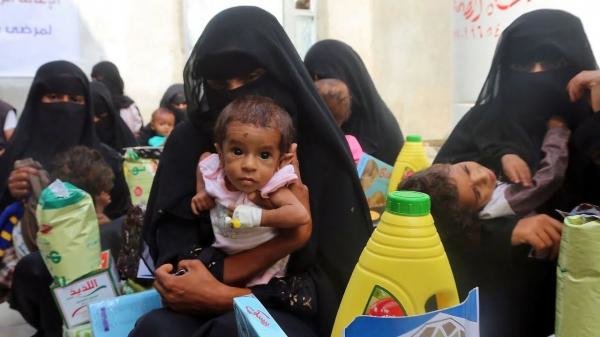
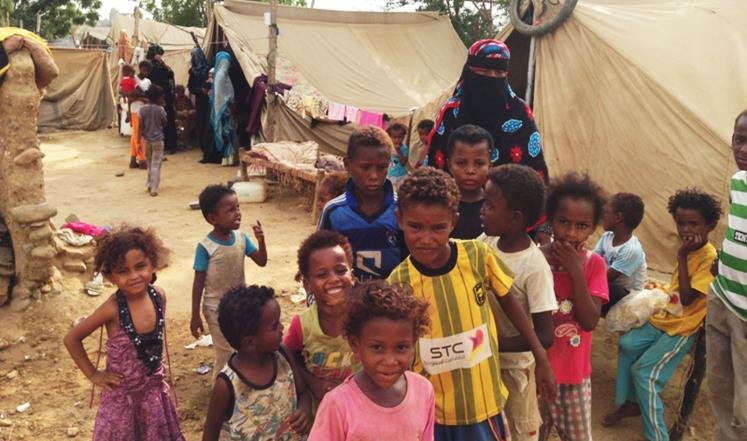
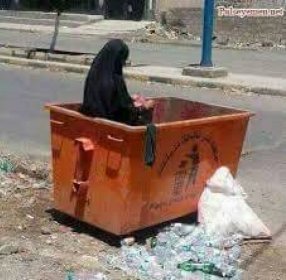
The success of the organization in implementing the second batch (or more than one batch) during the year 2021 is related to the size of the donations that the project will receive during the year 2021, and the organization directs a distress call to the donors and donors to provide support for the project, and help us save hundreds of displaced and poor families in Yemen from poverty and hunger. And diseases.
The organization is also searching for other sources of funding, whether local or external. In the first step, the organization submitted a proposal to the "Community Welfare Guarantee Grants - A Virtual Peace Program", which was announced last January at the link https://sites.google.com/site/nextworldnowcommunity/home
We are awaiting a response to the proposal, and the organization will try to search for other sources in the coming months
Project reports on GlobalGiving are posted directly to globalgiving.org by Project Leaders as they are completed, generally every 3-4 months. To protect the integrity of these documents, GlobalGiving does not alter them; therefore you may find some language or formatting issues.
If you donate to this project or have donated to this project, you can receive an email when this project posts a report. You can also subscribe for reports without donating.