By Ali Smart | Senior Development Officer
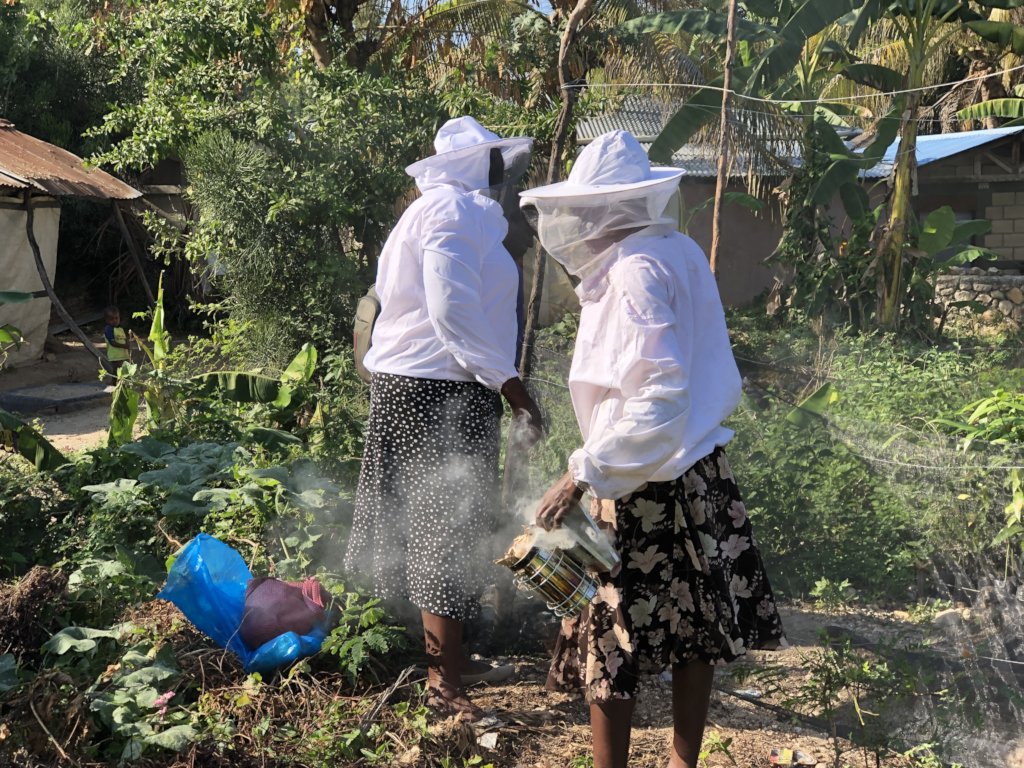
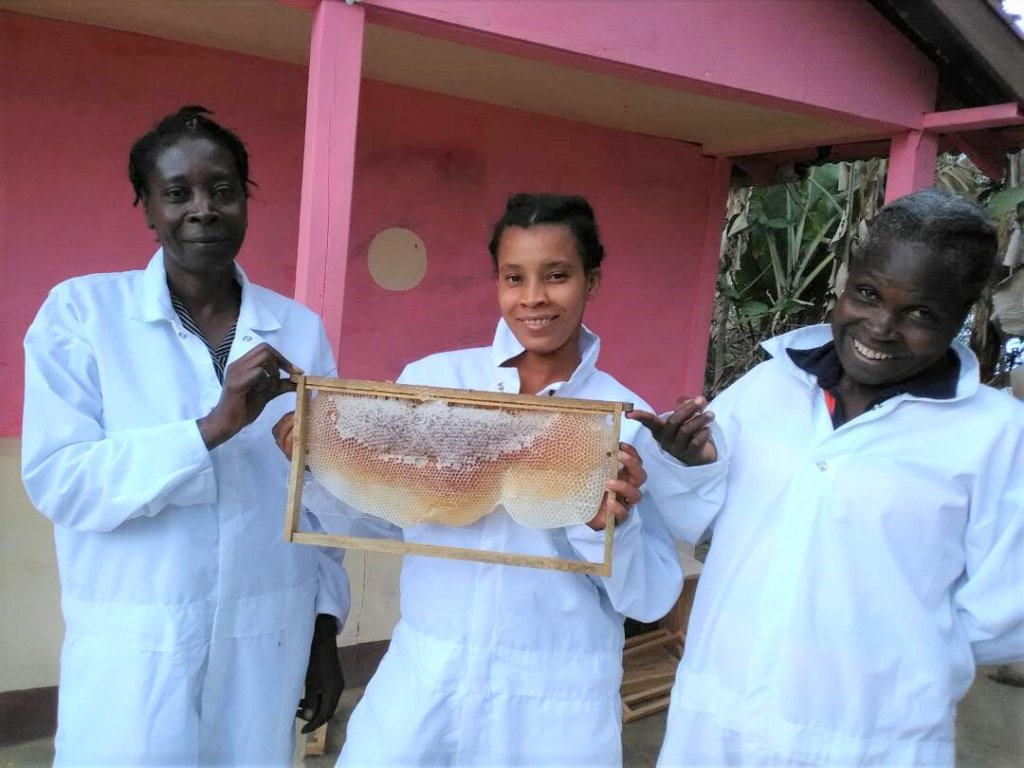
PCat has trained over 600 beekeepers since 2016. While Haitians have long engaged in beekeeping, traditional methods yield only a quarter of the honey and beeswax that can be produced using modern hives and techniques. Beekeeping was typically done by men, even though it is an ideal income opportunity for rural women as it can be done close to home with relatively low investment of time, space, and equipment. To date, 65% of the beekeepers we've trained have been women.
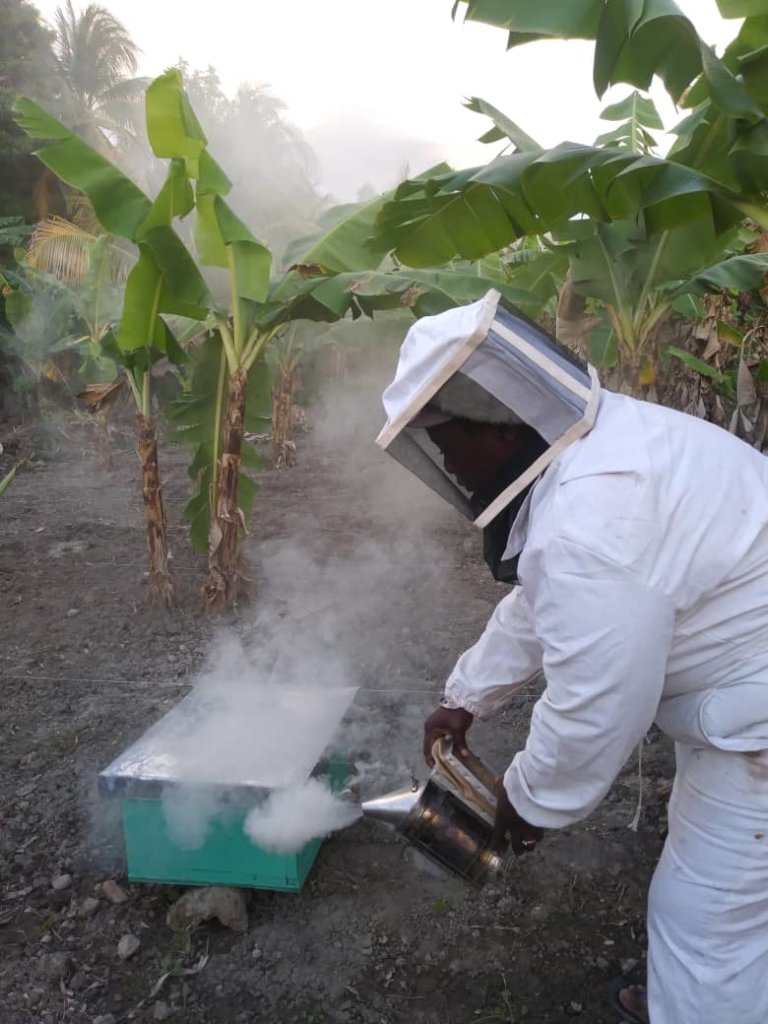
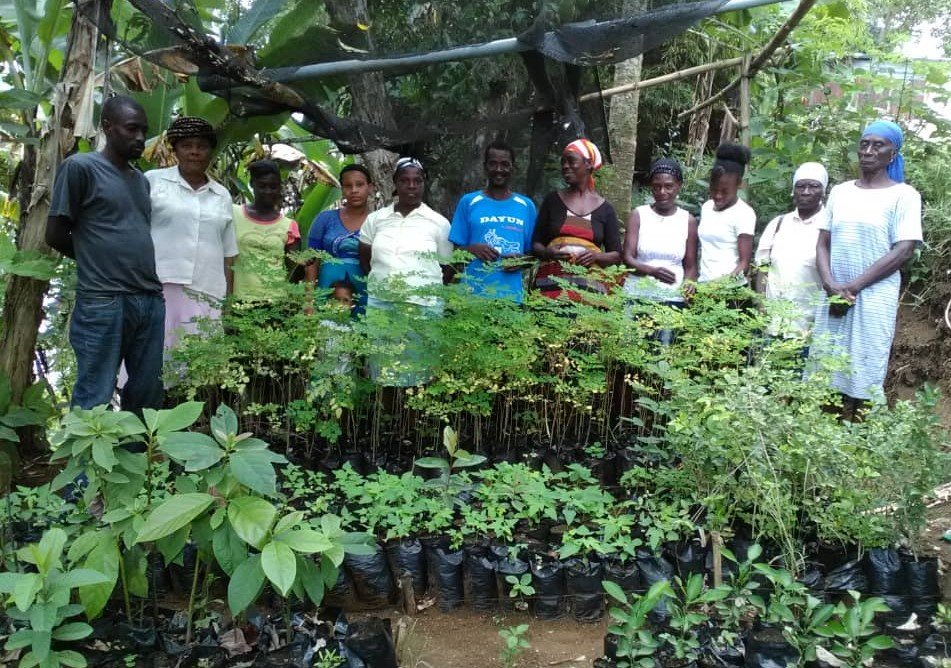
Beekeeping trainings take place at demonstration sites in rural areas outside Port-au-Prince. Each site includes four modern beehives, beekeeping suits and veils (made locally by one of our artisan graduates), and a honey extractor, which is shared by members of the network. The demonstration sites are each staffed by agricultural technicians and extentionists who lead the trainings and provide technical support for graduated beekeepers. Demonstration sites also include bee plant nurseries that grow indigenous plants like citrus, mango, mint, and moringa, helping to reforest Haiti, which is one of the most deforested countries in the world
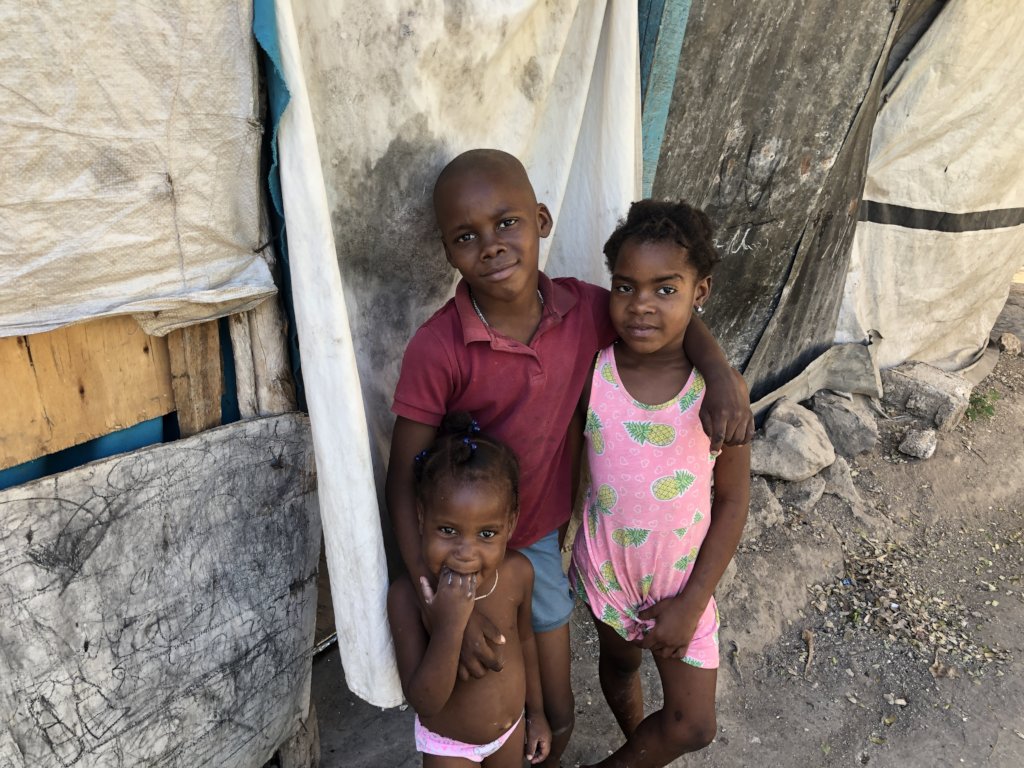
Upon completing training, beekeepers access grants or loans through a micro-lending partner to purchase hives and equipment, and are gifted plants from the nursery. PCat purchases all the high-quality beeswax produced for our candles. We are raising funds to launch a micro-franchise honey business, which will make pure raw honey more accessible to families in Port-au-Prince, who use it as a nutritional and medicinal supplement. The beekeepers we work with operate small farms under 1.5 acres, and over 50% have agricultural produce with a market value of less than $150 per year. In contrast, two well-managed hives can generate $122 after one year, and by year three enough to purchase two more hives and still generate $330 in household income. This additional income can be life-changing.
Project reports on GlobalGiving are posted directly to globalgiving.org by Project Leaders as they are completed, generally every 3-4 months. To protect the integrity of these documents, GlobalGiving does not alter them; therefore you may find some language or formatting issues.
If you donate to this project or have donated to this project, you can receive an email when this project posts a report. You can also subscribe for reports without donating.