By Alicia Mills | Development Project Manager
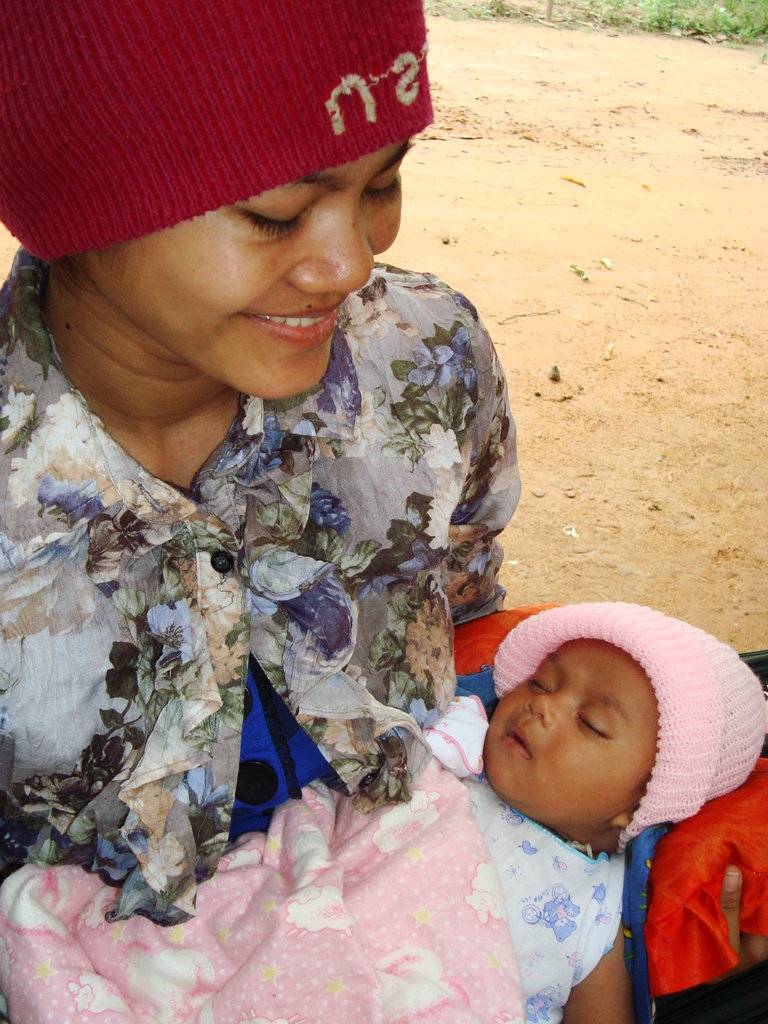
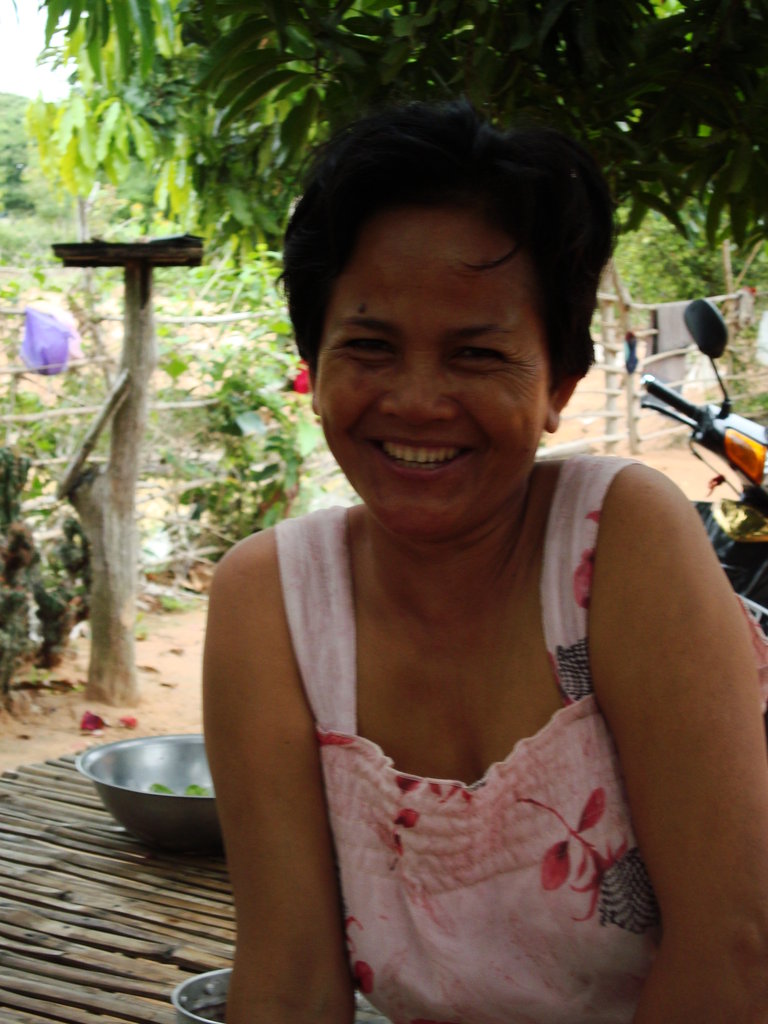
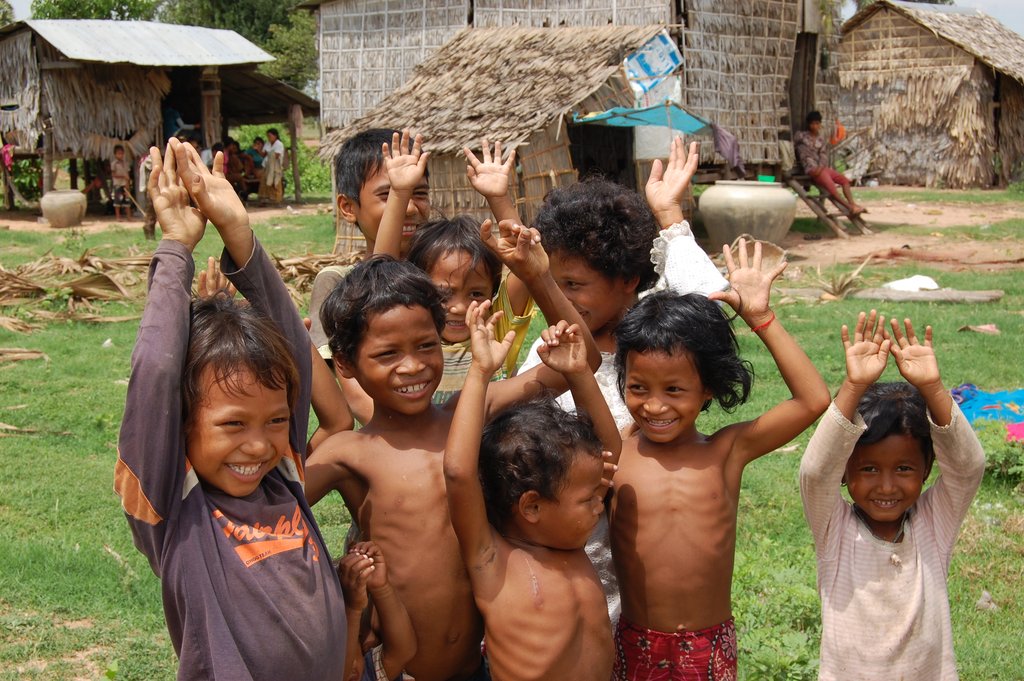
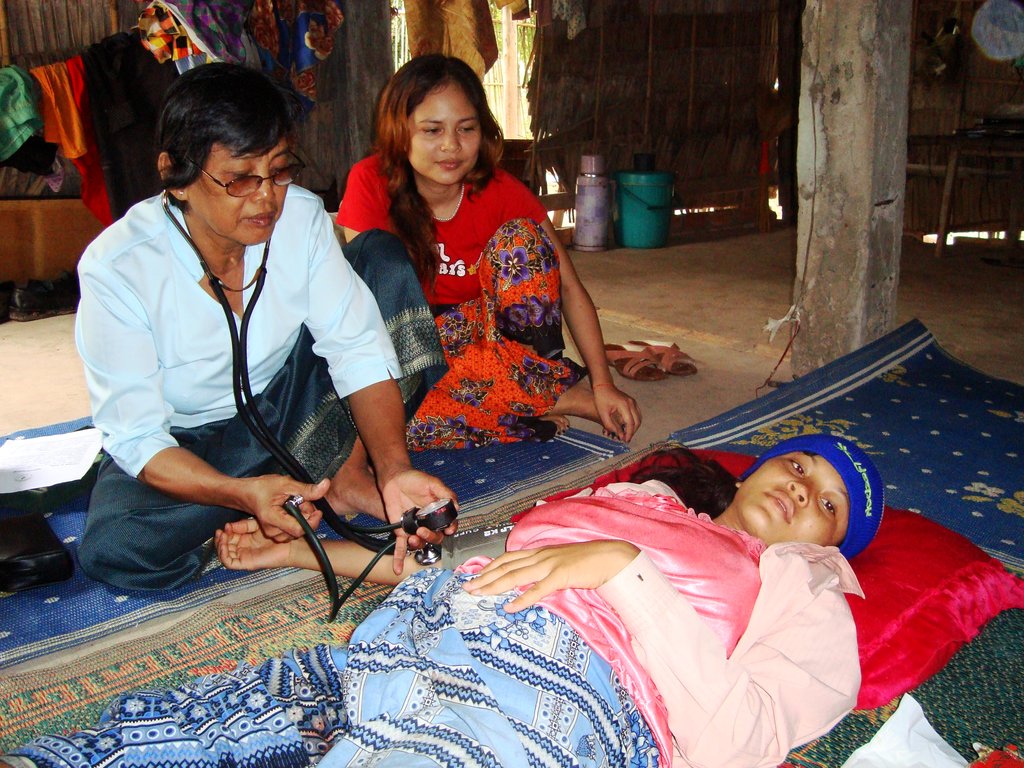
Our project ‘Training Midwives to Help 4600 Children in Cambodia’ is progressing well and is now halfway through its ambitious one year plan to reach more pregnant women and new mothers through giving local midwives the skills, equipment, and enthusiasm for visiting mothers before their delivery date, facilitating a safe labour, and checking on both mother and baby after the birth.
‘There is huge acceptance of our presence’, one project manager said. In such remote areas, with specific cultural ideas about how best to treat pregnant women, it can be challenging to introduce ideas such as individual patient care, pre and post attention.
Both health centers we have set up now have basic clinical diagnostic instruments. All midwives are visiting women in hard to reach places. Midwives receive $1 for every three post-natal visits completed. This method of incentivising midwives is very effective, when combined with the training and support we also give them. So that we can monitor progress of each family effectively, we also ask midwives to return a report to us every month, in exchange for their wages. This is working really well. We refresh training of the midwives at our monthly group meetings, where everyone shares experiences and learn from each other.
The maternal health problem is enormous: many many more trained midwives are required. Because of this, we’ve also started lobbying the Provincial Health department, trying to persuade them to pay for midwives
across the whole region to be trained.
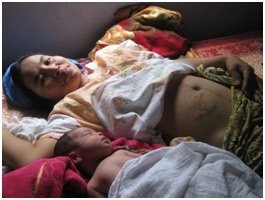
We’d like to share the story of Satorn with you: a young 24 year old mother who has recently given birth to her second child – but in very different circumstances than before.
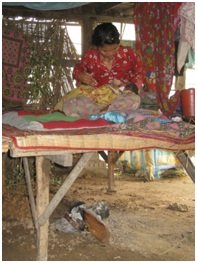
After Satorn’s first child was born, her and her baby retreated to a bamboo bed. Her husband then lit a fire fuelled by charcoal or wood beneath the bed, enabling his wife and child to benefit from the smoke produced, as is traditional practice. Satorn and her child remained there for a week. This is called ang pleung or ‘roasting’. The communities we work in have a long-standing belief that this roasting allows the mother to regain her strength after labor and the baby to avoid diarrhea and grow up healthy. There is no evidence that supports this, and on the contrary plenty of evidence that the practice leads to sometimes life-threatening pulmonary conditions for both mother and child.
This time around, when pregnant again, Satorn was able to come to our project health center. She took advantage of the three antenatal checks, and had a successful labor. She explained to us that it would be really difficult for her to avoid roasting upon her return home. Because we carry out post-natal checks within 24 hours of birth, we discovered Satorn did have an (unusually) small fire underneath her, and Satorn explained this was her compromise to the older women pressurizing her to accept roasting. Her husband also was glad to be able to maintain his traditional role as keeping the fire alight.
The discussions that came out of this with the community allowed us to meet many more women who were fascinated by our advice that roasting was harmful. One mother asked us to come and see her daughter who had been roasted recently, and suffered severe burns when the fire got out of control overnight. The mother had made her lay face down so that her stomach might benefit from the smoke since she had some light post-birth bleeding.
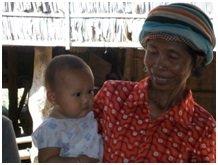
After these discussions, Satorn and her family made the decision to not carry out roasting, as one of the trained midwives (available because of this project), had explained the dangers so well that Satorn and her elders changed their minds. Satorn and her mother were really proud of this decision and brought the healthy strong baby to the center to demonstrate that the baby hadn’t been subject to roasting.
Such behavior change is only possible through intensive community engagement, and one-on-one time with mothers and their families. Knowledgeable midwives, with great patient skills, compassion and patience are
the best people to do this. Your contribution to this project enables this to happen.
Links:
Project reports on GlobalGiving are posted directly to globalgiving.org by Project Leaders as they are completed, generally every 3-4 months. To protect the integrity of these documents, GlobalGiving does not alter them; therefore you may find some language or formatting issues.
If you donate to this project or have donated to this project, you can receive an email when this project posts a report. You can also subscribe for reports without donating.