By Marian Reid | SEDA volunteer - media and communications
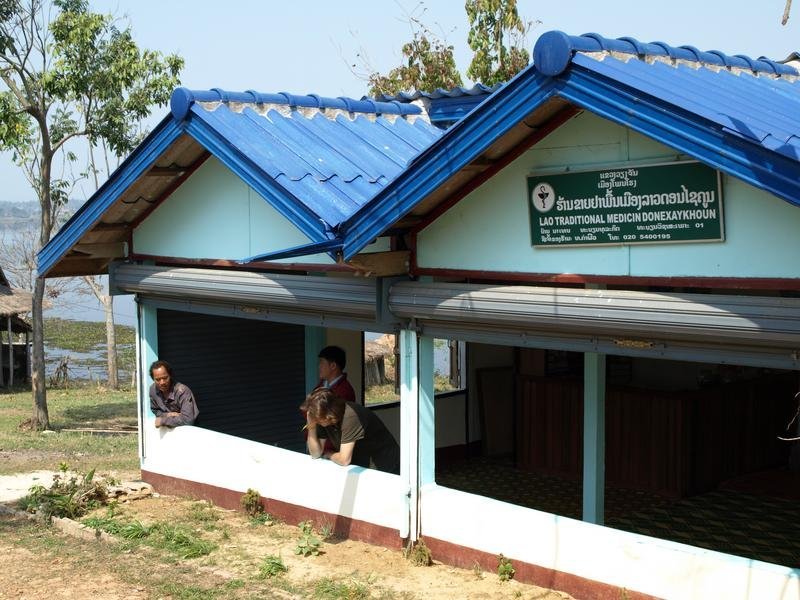
A recent visit to the Rehabilitation Treatment Center proved the RTC is as famous throughout Laos as ever. The center, which can hold 10-15 long-term patients at a time not to mention the 100 or so quick consultation patients that pass through every day, was full to capacity and operating with the most basic facilities.
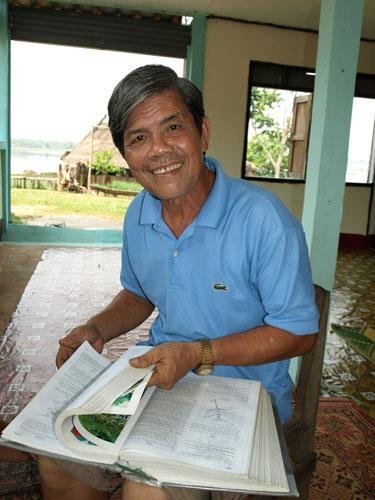
The Master, his wife and a few local helpers comprise the staff at the RTC. There are no nurses, cooks or cleaners. Patients come with a variety of illness – some of them terminal. Often the patient has sought western medical assistance to no avail and this is their last option. For others, it is all they can afford.
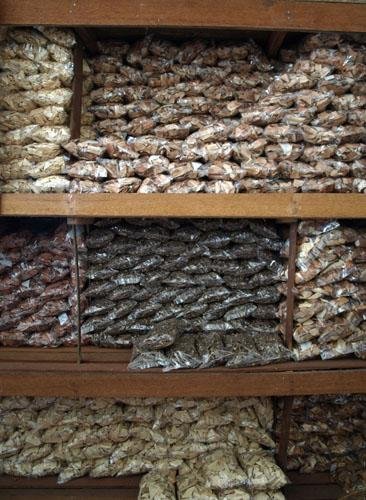
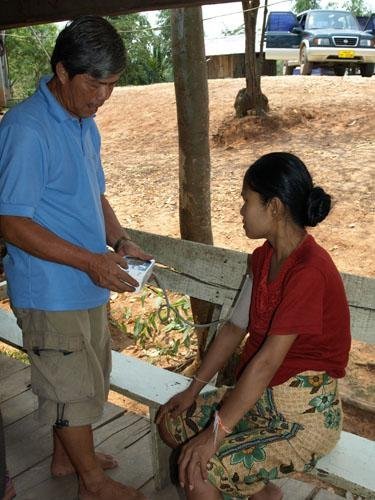
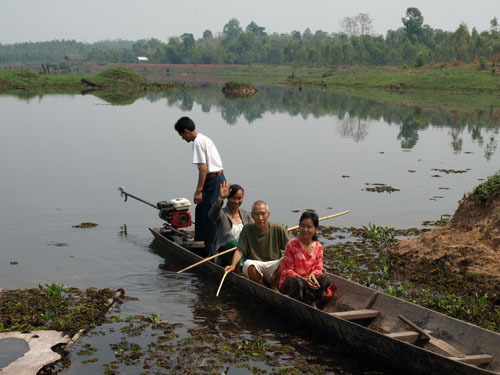
The Master will see each long-term patient three times a day. He will check their blood, heart and progress. The patient will usually be on a special diet, be taking herbs and having physical therapy or sauna. Day patients filter through from 7am until the evening. Most come on trucks, in mini vans, and some even by boat, with a collection of people from their village to keep travel costs low. They will que in the main hut and wait to see the Master. Once he has diagnosed their problem they can buy the relevant herbs for as little as 50 cents a bag (5000 kip). If they can afford to pay more they will, as a donation to the RTC.
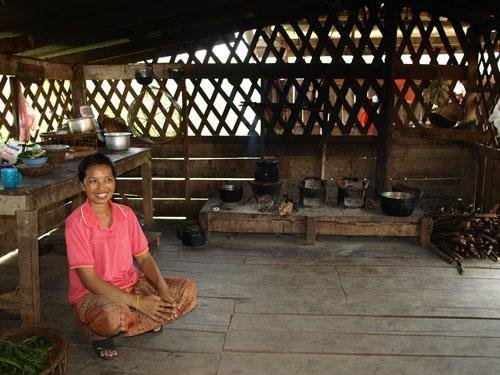
Long-term patients leave their jobs and families and travel from the furthers corners of Laos to seek treatment at the RTC. Often a family member will travel with them and stay to care for the patient. Each resident must cook for themselves based on the diet issued by the Master. Some must stay here for months but they do not need to pay until they are well, back home in their village and earning an income. The Master's main focus is providing access to health care for the poor and not generating an income for himself.
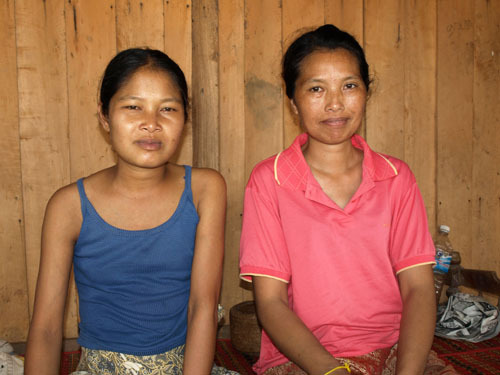
One the day we visited there were six long-term patients. Here are five of their stories:
Deu is 22 years old. She came to the RTC 3 weeks ago with a parasitic worm in her belly, causing severe bloating. She also has Hepatitis A and her liver, heart and kidney are weak. Since she has been at the RTC, Deu says she feels much better. The worm has gone and the Master is now concentrating on her organs, one at a time. He cannot tell how long she will need to stay here before she is well enough to return home. She comes from Savanahket in the south of Laos.
Fang is from Luang Nam Tha in the far north of Laos. She has suffered from rheumatism for 7 years and finds it difficult to walk. Commonly, after giving birth, women in Laos do not have access to the correct vitamins and food to make them strong again. As a result, their body crashes and rheumatism can set in. Fang is on a special diet of vegetables and she says she is already finding it easier to move.
Khon is 40 years old and has been suffering from severe pancreatic problems and allergies for almost a year. She has tried conventional doctors with no success. She has three children at home in her village in Xieng Kuang province. The area when she is from was bombed with chemicals during the war and it is highly possible the contaminated soil has caused her illness. Khon left her job and family to come here. The bus took 12 hours and cost US$25. It will cost her 50 cents a day to stay at the RTC not including food.
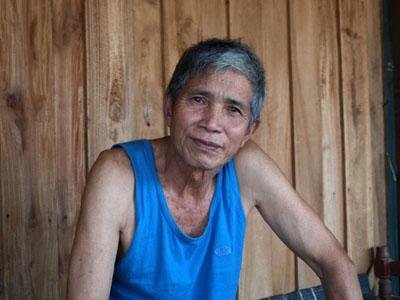
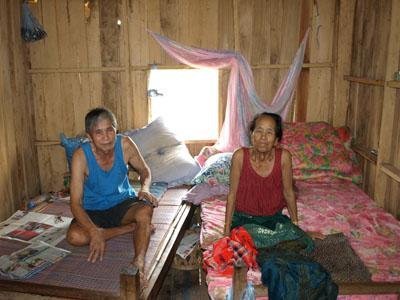
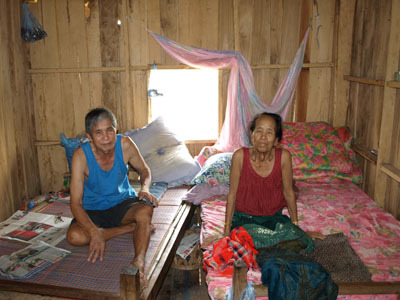
Grandpa Thong is 65 years old and has lost his ability to speak due to a thyroid problem. His wife, Bouan Song, is 60 and has Type 2 diabetes. Both are from Xieng Kuang province and have been at the RTC for over 3 weeks. The Master is using a special diet and herb treatment to lower Bouan Song's blood sugar level. Some of Thong's speech has also returned due to a herbal treatment. Both need to have many more weeks of treatment.
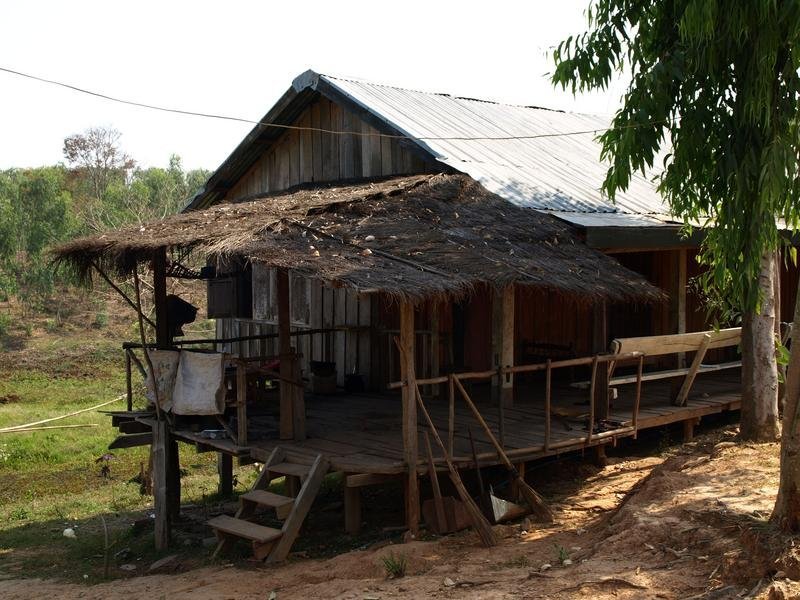
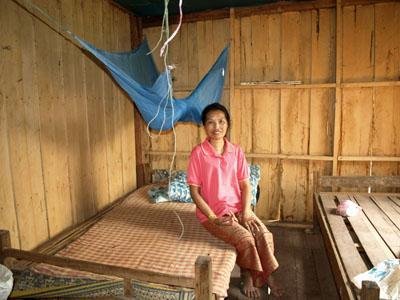
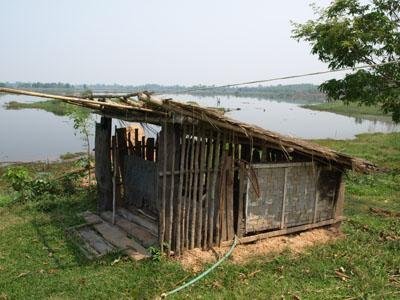
The access road to RTC is an 8km dirt track. In the wet season it becomes muddy and hard to pass. The center has no water treatment equipment and must boil all their water before drinking. They have no electricity, just a generator, and many of the buildings need repairs. The patients have one basic bucket bathroom between them, and an open kitchen to cook in. During the wet season the roof leaves. The RTC is also lacking in mossie nets, blankets and staff.
Funds raised for the RTC will go towards grading the access road, repairing the roof, buying simple water purification systems, solar panels and new basic requirements for the center, such as blankets, pillows and nets. The Master would also like to hire local staff to help with cleaning and caring for the patients.
Project reports on GlobalGiving are posted directly to globalgiving.org by Project Leaders as they are completed, generally every 3-4 months. To protect the integrity of these documents, GlobalGiving does not alter them; therefore you may find some language or formatting issues.
If you donate to this project or have donated to this project, you can receive an email when this project posts a report. You can also subscribe for reports without donating.