By Katherine Zavala | Asia Program Director, IDEX
Yamuna Mahila Sabha SHG
A Self-Help Group (SHG) organized by Manavi was Yamuna Mahila Sabha, located in Usraha village, and formed by the initiatives of village level leaders – Ms. Sunita Devi, and Ms. Bifia Devi. This group consists of 13 members. This SHG is economically extremely poor. In fact, all the members of this group are displaced families as a result of soil erosion caused by the changing course of the Ganges River. The SHG members used to come from a rich background, but a few years ago, the Ganges River, changed its course and drifted north, submerging lots of villages.
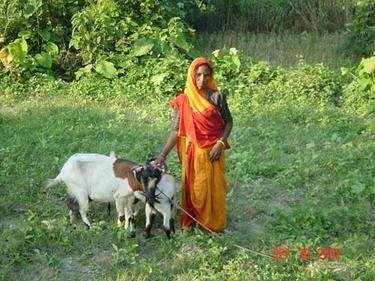
When they settled in their new place, the women were in a hopeless situation. Manavi decided to initiate some developmental activities with them. These displaced families lost everything except their animals often cows, bulls or goats. So Manavi decided to promote animal husbandry in this group.
At the same time, a request was made to governments’ relief program. The displaced families received land from the government on which to build their homes. In this newly developed community, Manavi organized an ongoing animal health check-up program. The women also began preparing vermicompost and organic pesticides with animal urine. It was initiated as an income generation activity.
For all these initiatives, women (members of SHG) of this community played a key role. This group mobilized support from Manavi as well as from banks too. Now this group, in their new home, have gained a sort of stability and members are eager to take some bigger steps.
Project reports on GlobalGiving are posted directly to globalgiving.org by Project Leaders as they are completed, generally every 3-4 months. To protect the integrity of these documents, GlobalGiving does not alter them; therefore you may find some language or formatting issues.
If you donate to this project or have donated to this project, you can receive an email when this project posts a report. You can also subscribe for reports without donating.