By David Stillman | PPAF Executive Director, Project Leader
Dear friends and supporters,
The PPAF teams in Hinche and Jacmel, Haiti, keep advancing solar cooking, despite the crisis in the capital city and some other places.
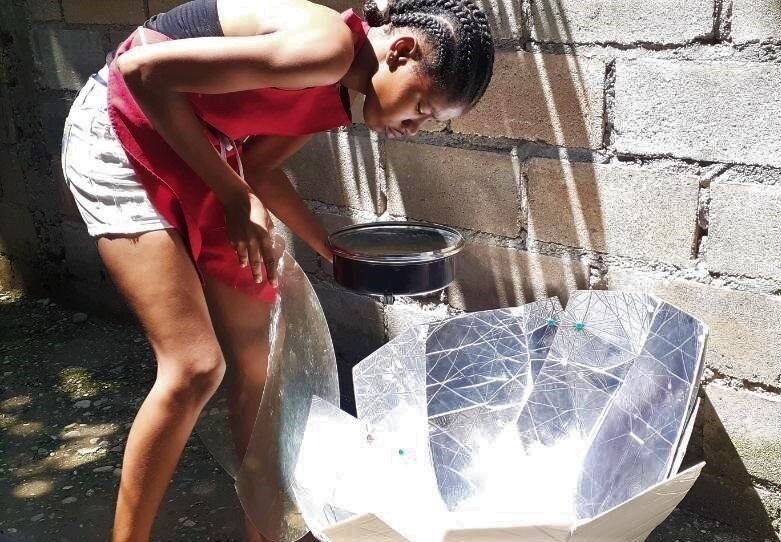
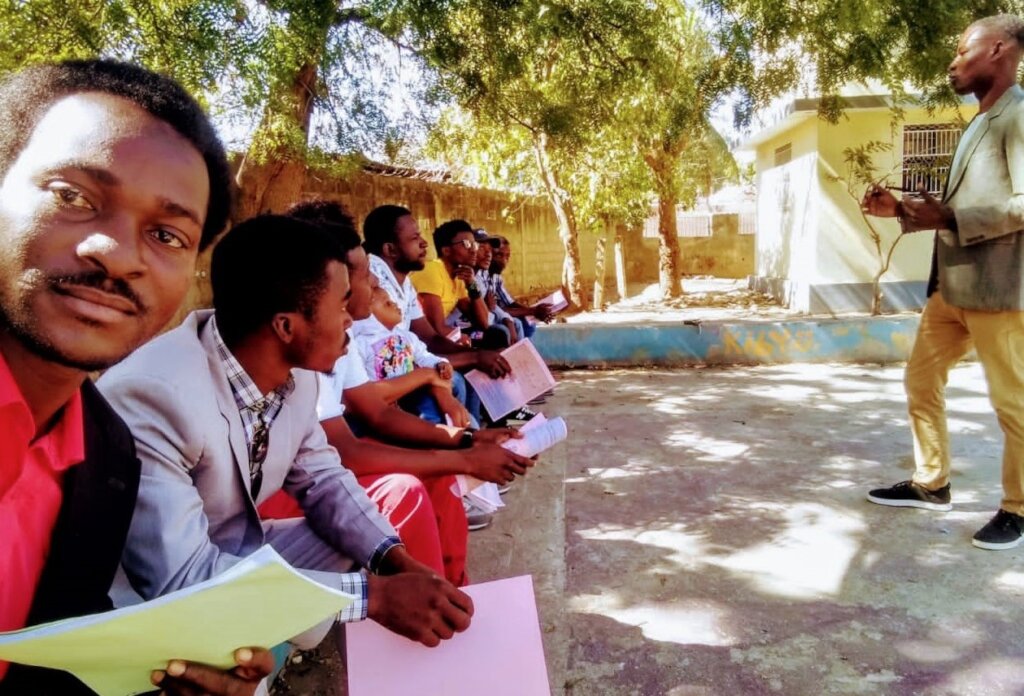
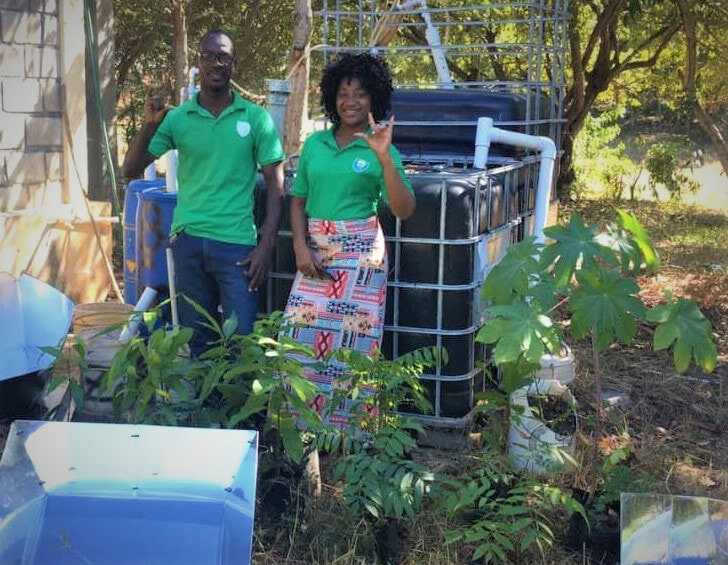
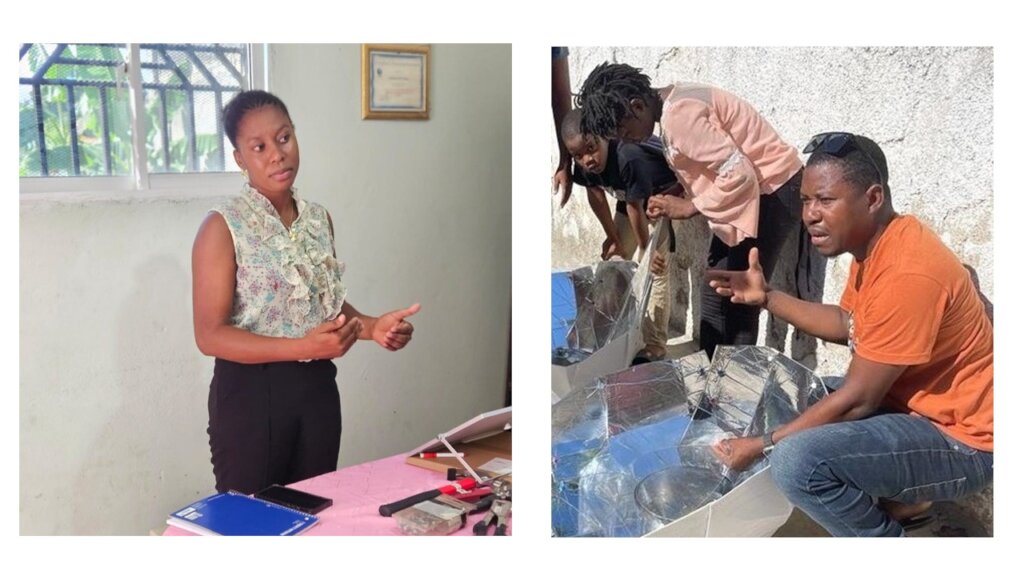
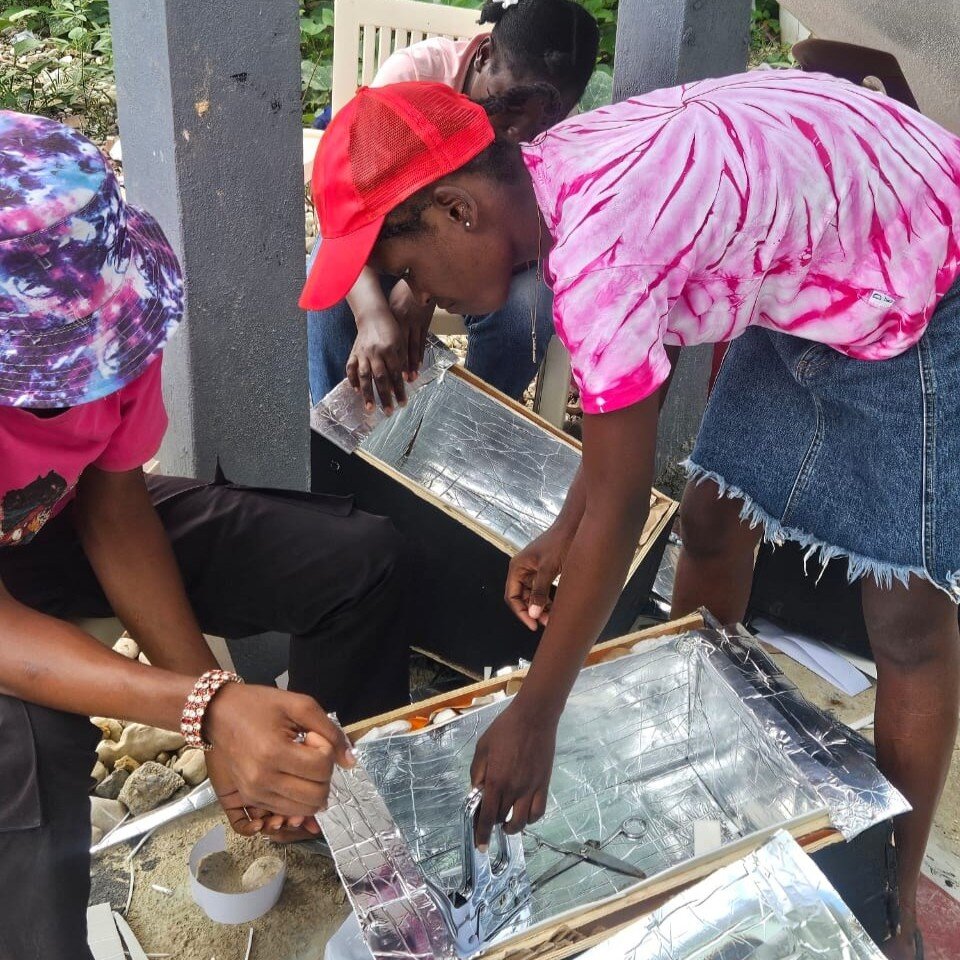
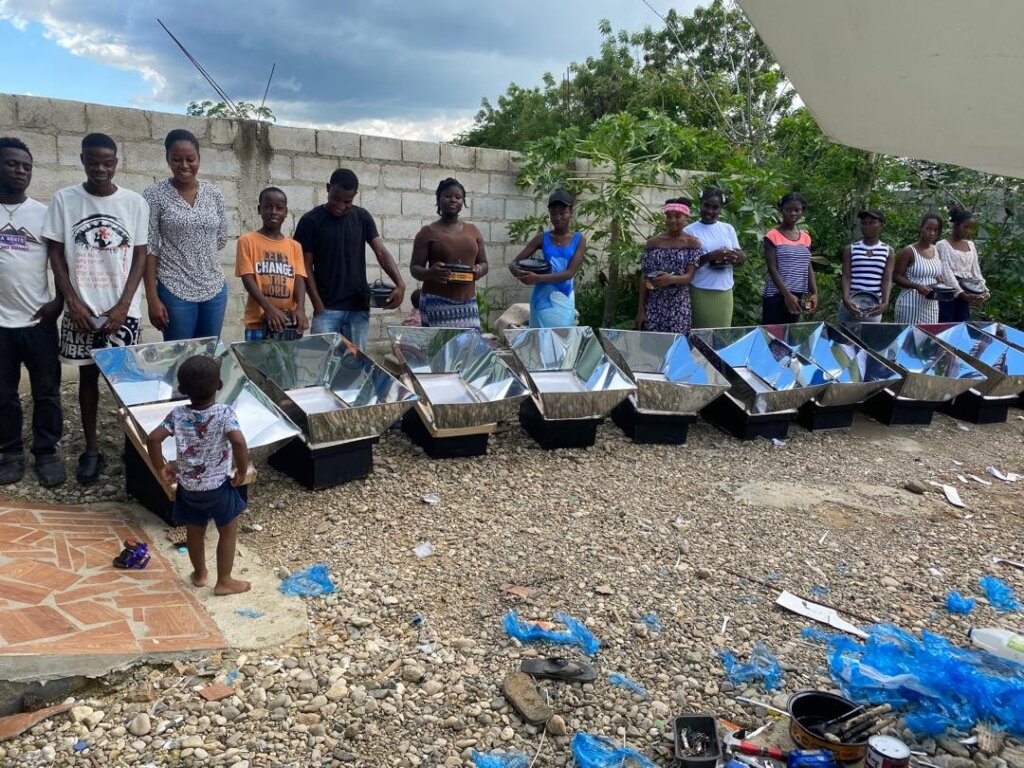
The big news this time is from Hinche. Our colleague Aline proposed her first mini-project and led a team in a training course in solar cookers at PPAF’s JBS Workshop. It was a 5-day session for 10 young women to build a solar cooker for use at home. The first such group was enthusiastic and successful, and more people want to join. Having learned how to do it, the participants are to promote solar cooking and local construction, and help increase recognition of PPAF and the JBS Workshop. Steps toward evaluation and other follow-up are underway.
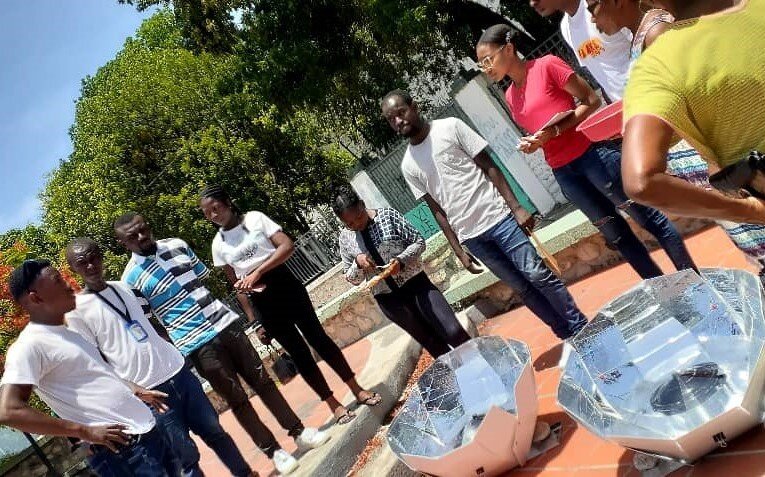
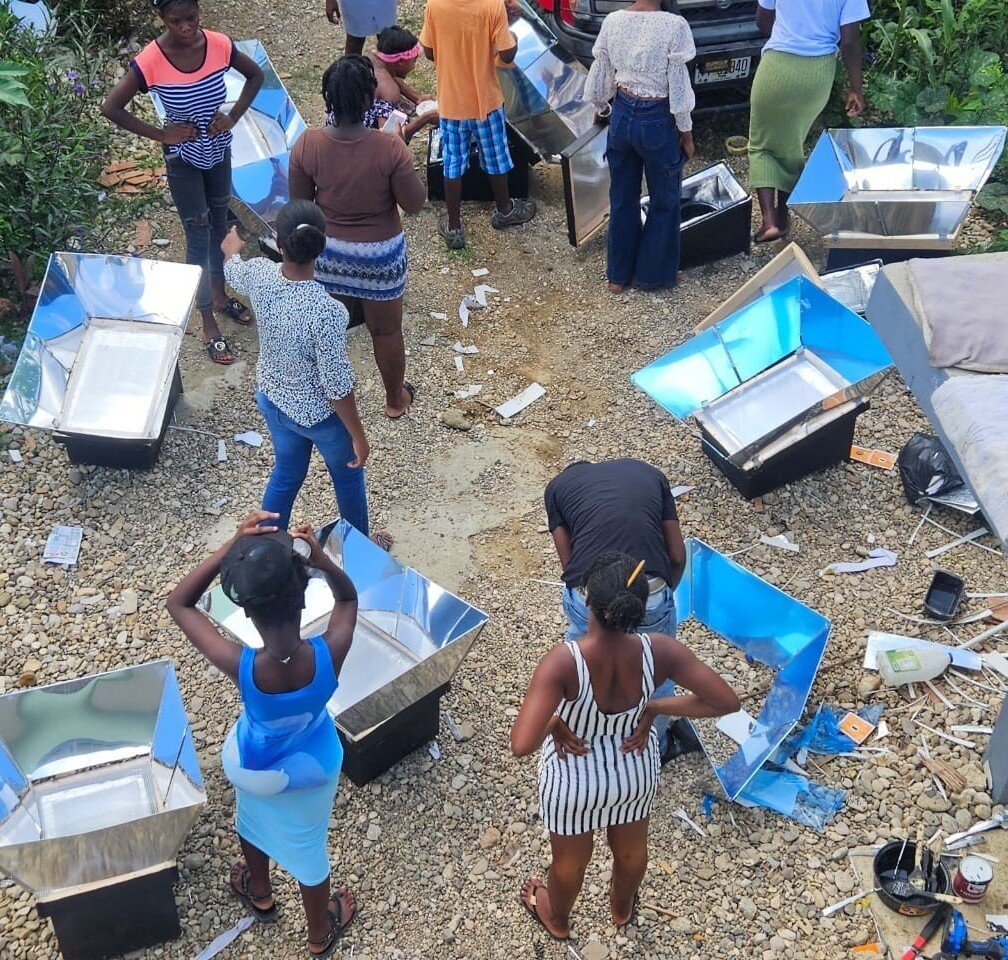
The course involved step-by-step teaching and demonstrations, small group work, technical supervision, and 4 hours of training a day, including lunch. The solar cookers were made of plywood, insulation, wood frames, mylar, plexiglass, and metal reflectors, with black cooking pots. On the last day the participants completed 2 tests in the new cookers – boiling eggs and baking cakes. I was a great experience. We are proud of everyone!
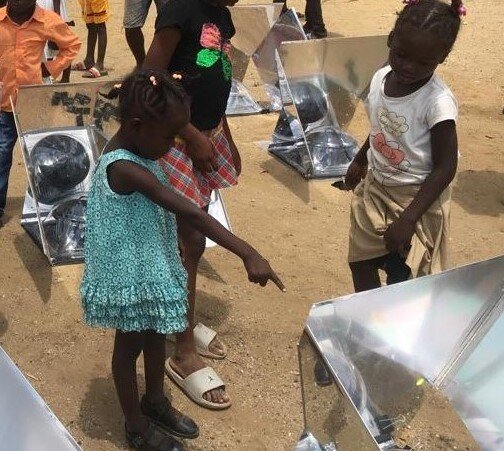
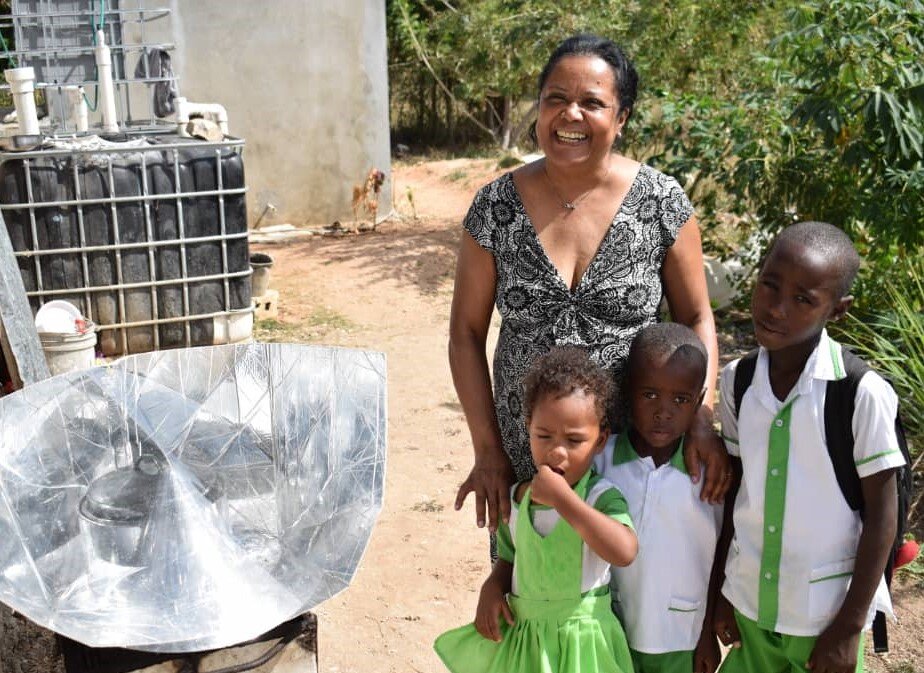
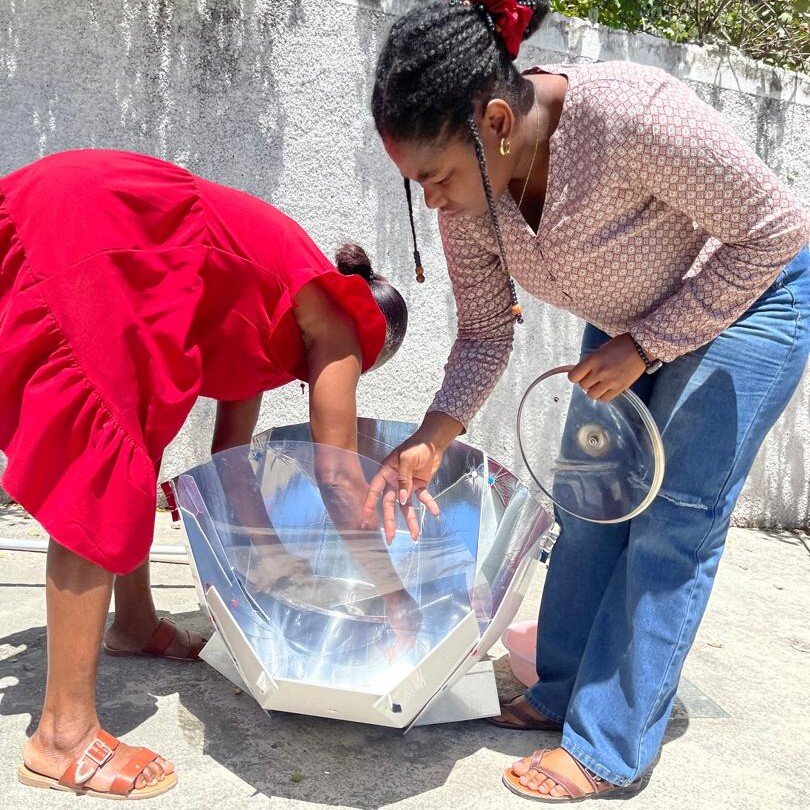
In Jacmel, Fedno and his assistants continue the PPAF priorities to hold demonstrations in community groups, churches and schools, sell solar cooker kits at prices low-income families can afford, and train and coach new clients. They know and teach that it saves money from fuel costs (charcoal or wood, also propane), contributes to respiratory health, and slows down environmental damage.
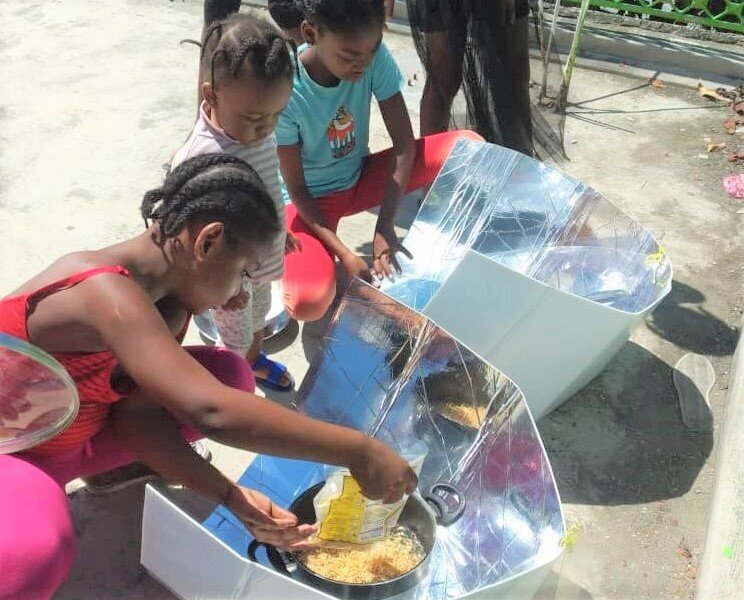
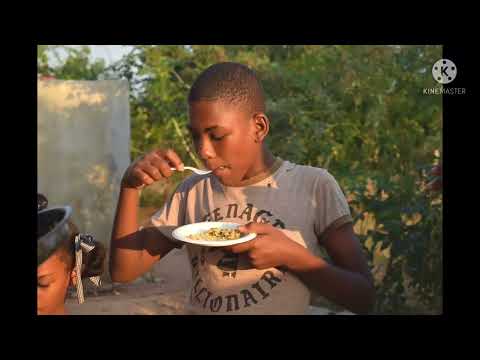
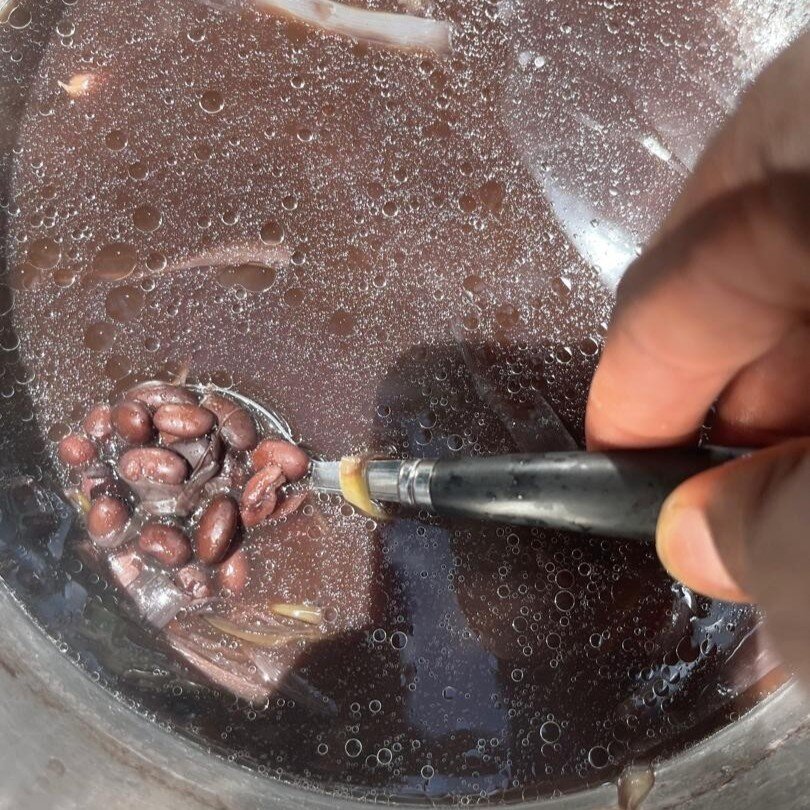
Recently, I asked Fedno why cooking beans is so popular for solar cookers in Haiti. He said many people believe cooking dry beans (dry is preferred, not pre-soaked) is one of the best uses for a solar cooker. This is because cooking beans with propane consumes a large amount of gas, cooking with charcoal costs a good bit, and cooking with firewood requires collecting a significant quantity of wood.
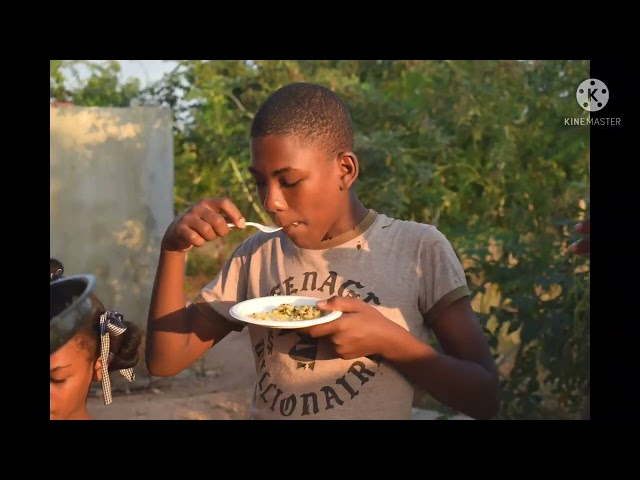
For these reasons, many clients prefer to test a solar cooker by preparing dry beans. It allows them to see clearly the value of their investment. While the beans are cooking in a test, Fedno explains how to position the solar cooker, the best times of the day for solar cooking, and how to align the cooker directly with the sun to achieve optimal results. The cooking duration is typically 1 ½ hours. Beans are an important staple in Haiti, and these cooking results are important to appreciate.
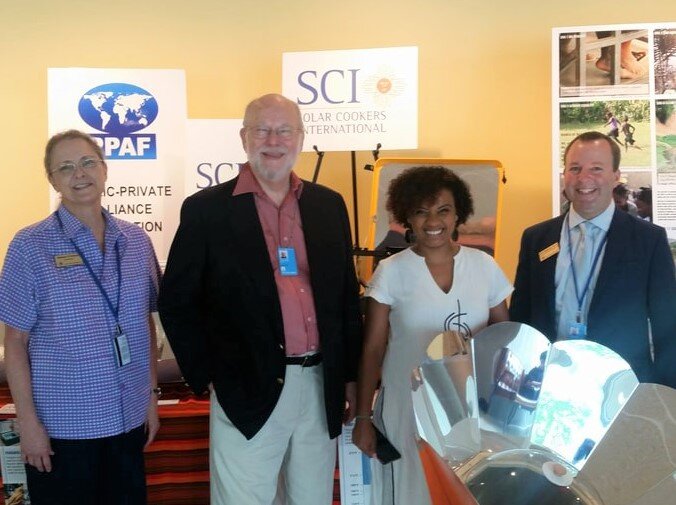
Dear friends, in closing, we want to acknowledge and thank our collaborators for their support of PPAF’s work, especially those at Haines Solar Cookers, LLC; Solar Oven Reflectors, LLC; Solar Education Project/GDS; Solar Cookers International; Haiti Adolescent Girls Network; the Art Creation Foundation for Children; and Konbit pou Developman Cotes de Fer. We are in regular contact with our colleagues in Hinche and Jacmel, and we look forward to improvements from the current terrible security situation in the capital and elsewhere in the country.
The work is innovative and exciting! Your contributions directly support and expand it!
Links:
Project reports on GlobalGiving are posted directly to globalgiving.org by Project Leaders as they are completed, generally every 3-4 months. To protect the integrity of these documents, GlobalGiving does not alter them; therefore you may find some language or formatting issues.
If you donate to this project or have donated to this project, you can receive an email when this project posts a report. You can also subscribe for reports without donating.



Support this important cause by creating a personalized fundraising page.
Start a Fundraiser