By Donantes Individuales | Fundacion Loyola A.C.
Their pain is ours, their reconstruction too.
By Fundación San Ignacio de Loyola AC, Mexico
Emergency conditions
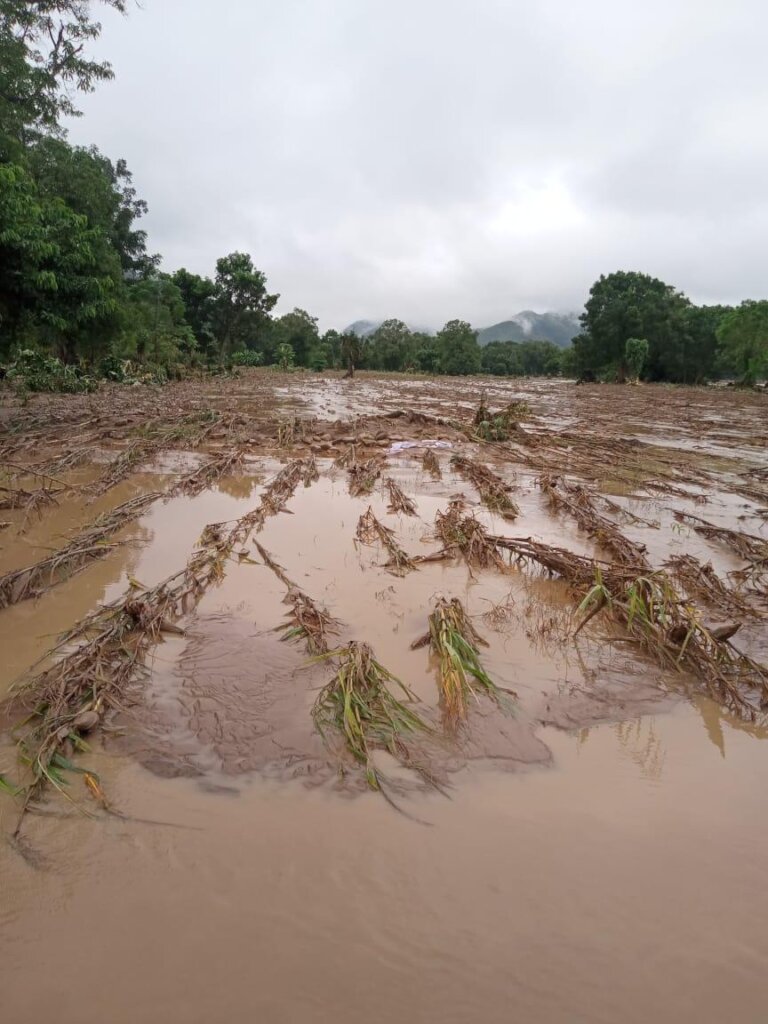
From October 7 to 11, 2025, an emergency situation arose in northern Veracruz, caused by heavy rains associated with a non-cyclonic tropical system, which led to flooding, landslides, and river overflows affecting more than 40 municipalities at the geographical confluence of Veracruz, Hidalgo, Puebla, San Luis Potosí, and Querétaro. The combination of meteorological factors and the structural vulnerability of homes in these communities made the impact more severe.
Challenge
First response and diagnosis of the damages
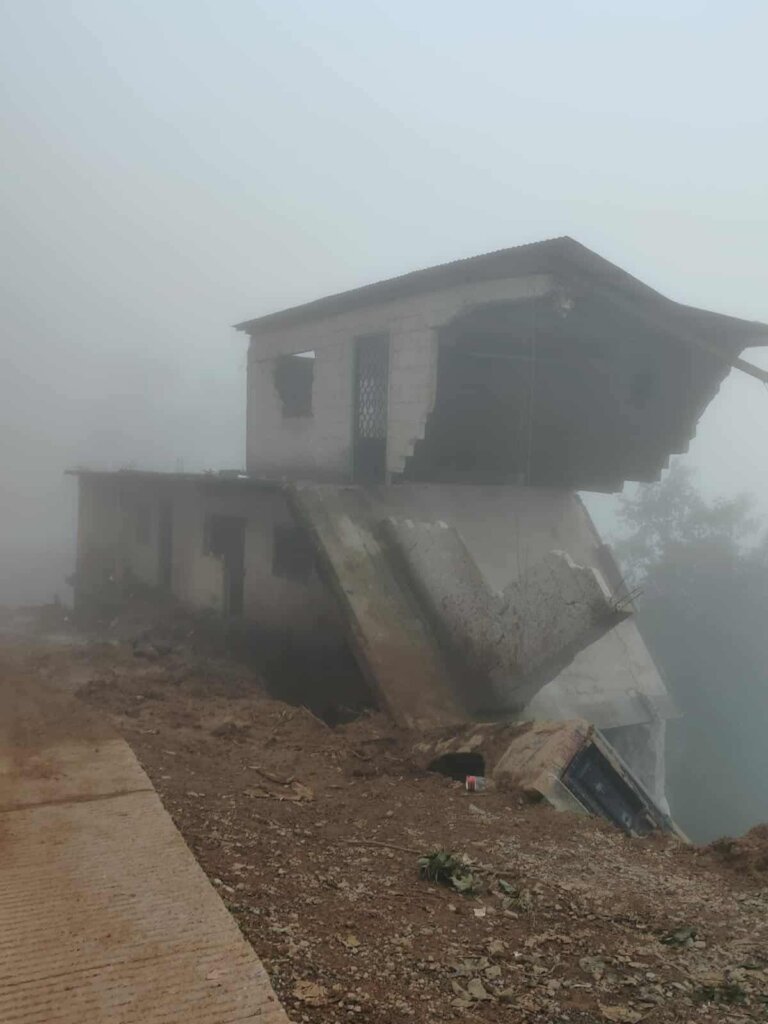
The damage is widespread. Low-lying and flat areas of cities such as Poza Rica and Álamo suffered severe flooding and road closures. In high and mountainous areas, there were countless landslides and mudslides due to the sudden increase in the flow of streams and rivers.
Serious damage has been reported in the following indigenous municipalities of Veracruz: Ilamatlán, Texcatepec, Zontecomatlán, Tlachichilco, Ixhuatlán de Madero; and in Hidalgo: Tianguistengo, Calnali, Xochicoatlán, Zacualtipán.
In some communities, such as Xaltipa and Chahuantla in the municipality of Ilamatlán, many people died, swept away by the floodwaters or buried by landslides.
A total of 66 communities in six municipalities of Veracruz were affected, with around 7,281 people impacted. Most of them belong to the Nahua, Otomí, and Tepehua indigenous communities.
Reconstruction
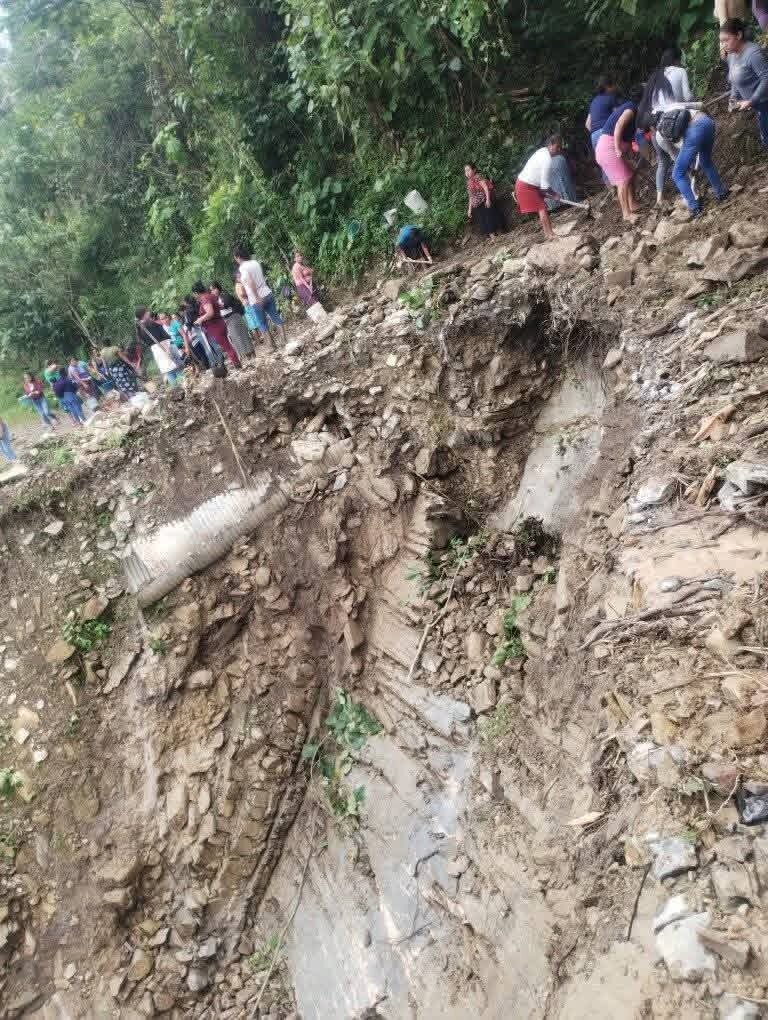
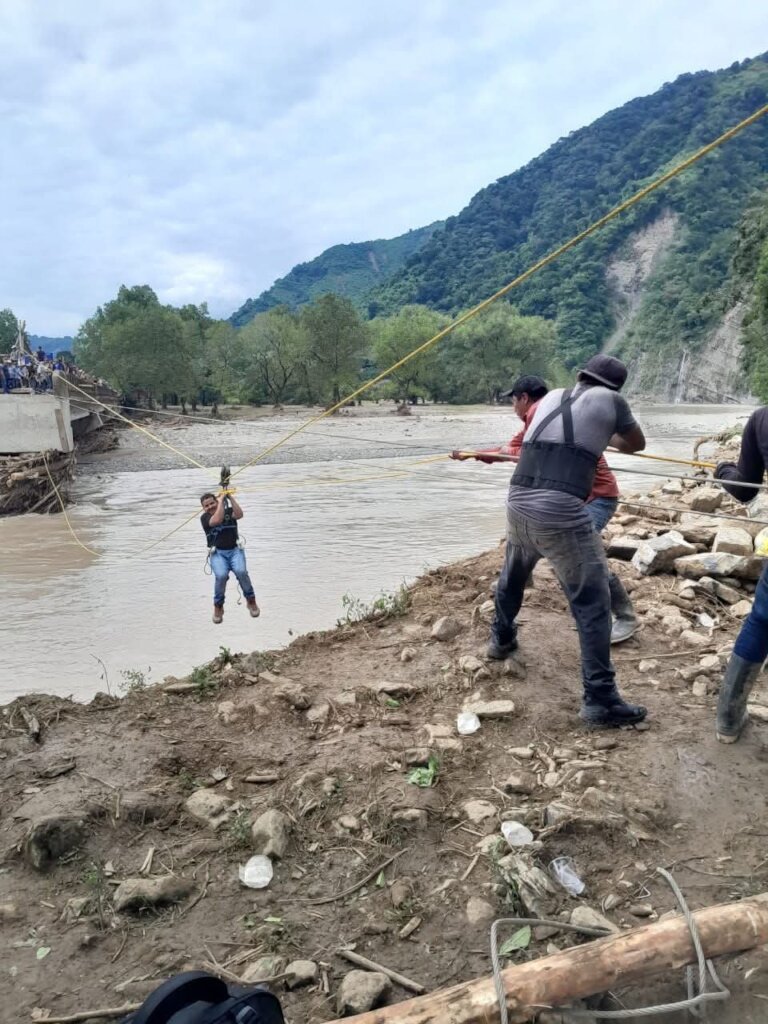
During the emergency, the Mexican army, municipal authorities, and community residents organized and worked together to restore access roads, clear landslides from roads and residential areas, relocate homeless families, gradually restore electricity, and provide care to the injured and sick.
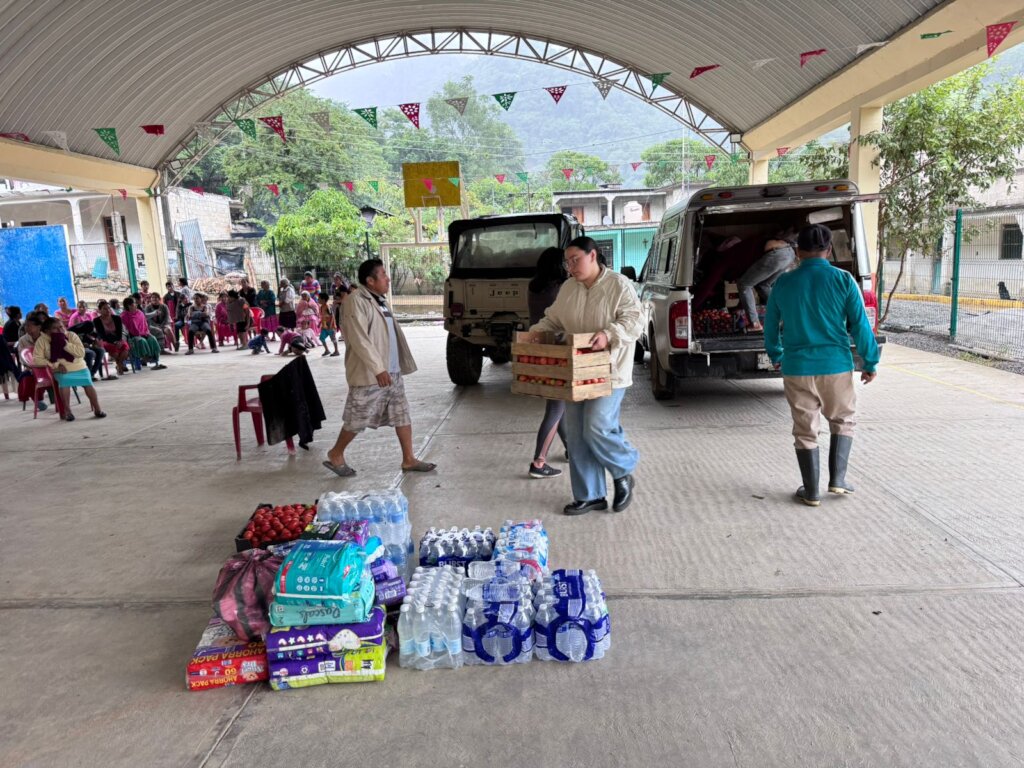
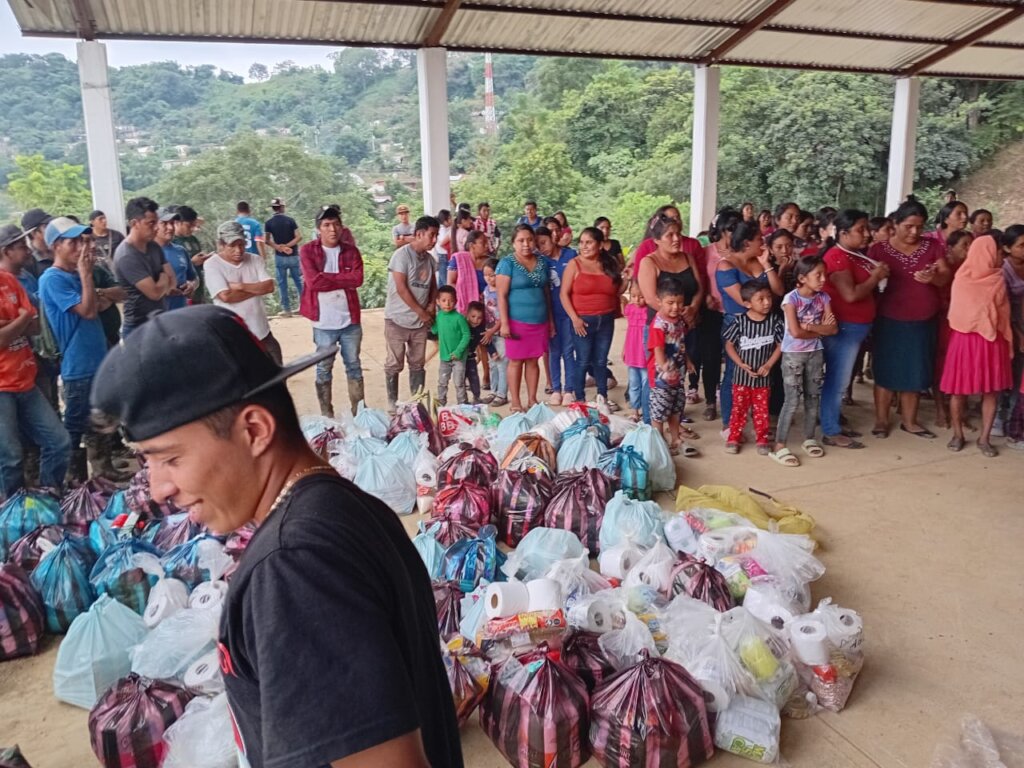
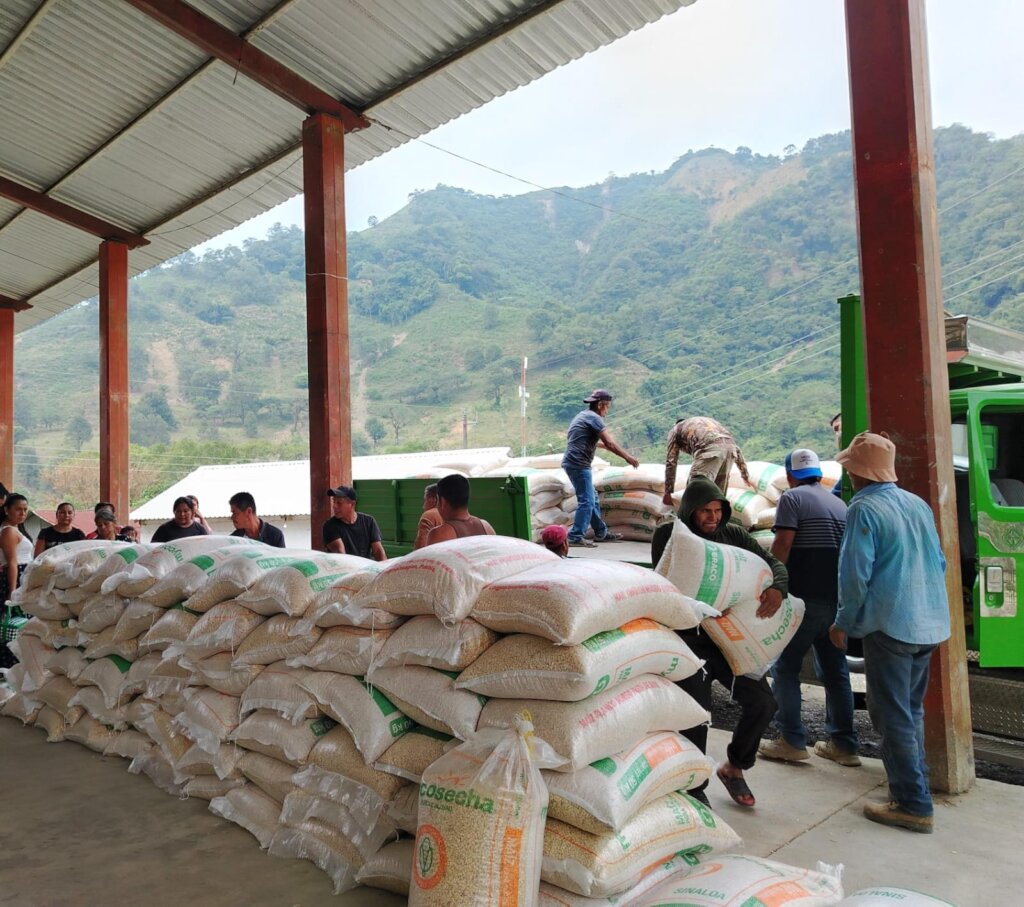
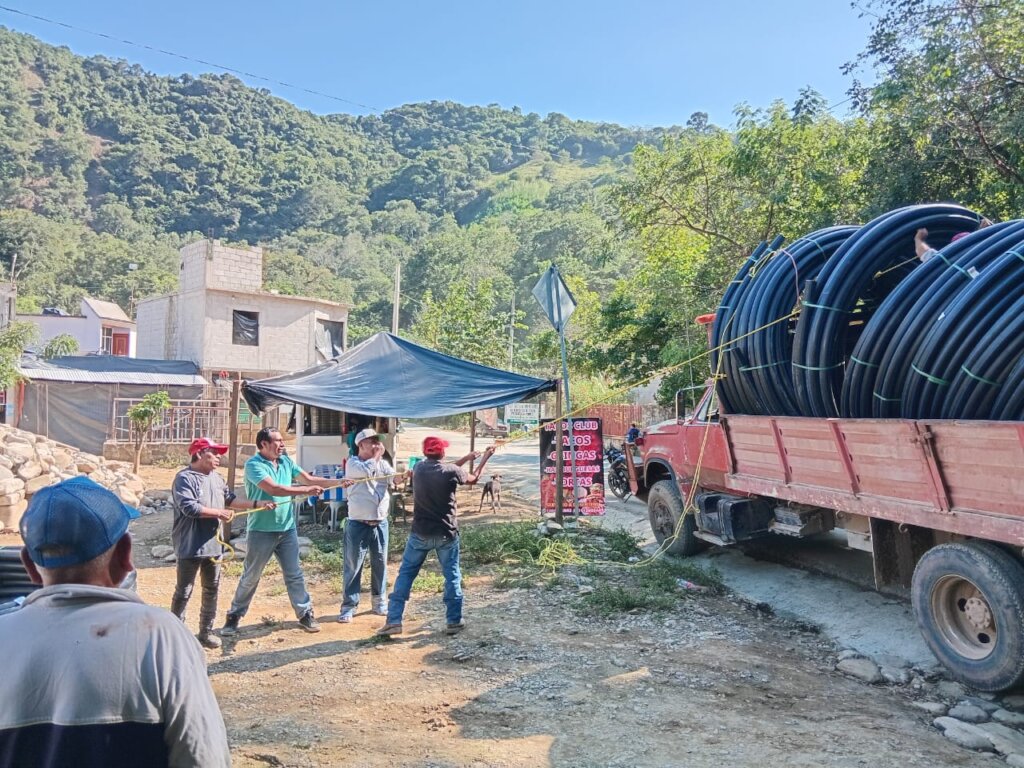
Currently, after responding to the emergency by delivering food, clothing, personal hygiene items, and construction materials, reconstruction efforts continue. We are working closely with the community to rehabilitate homes using durable materials, with the goal of ensuring safer, more resilient, and sustainable long-term solutions.
We invite you to join this project to advance the material and social reconstruction of the livelihoods and work of the affected communities in the Sierra Norte of Veracruz. Thanks to your support, we can continue to accompany them.
_________________________________________
Su dolor es nuestro, Su reconstrucción también.
By Fundación San Ignacio de Loyola AC, Mexico
Situación de emergencia.
Durante los días del 07 a 11 de octubre del 2025 se generó una emergencia en el norte de Veracruz, causada por lluvias intensas asociadas a un sistema tropical no ciclónico, que provocaron inundaciones, deslaves y desbordamiento de ríos afectando más de 40 municipios en la confluencia geográfica de Veracruz, Hidalgo, Puebla, San Luis Potosí y Querétaro. La combinación de factores meteorológicos y la vulnerabilidad estructural de las viviendas en dichas comunidades hizo que el impacto fuera más grave.
Retos.
Atención a la emergencia y evaluación de los daños.
Las afectaciones son muy amplias. En zonas bajas y llanas de ciudades como Poza Rica o Álamo sufrieron grandes inundaciones y cortes carreteros. En las zonas altas y montañosas sufrieron infinidad de deslaves y arrastres de tierra y rocas por crecimiento súbito en el caudal de arroyos y ríos.
Se reportan daños graves en los siguientes municipios indígenas de Veracruz: Ilamatlán, Texcatepec, Zontecomatlán, Tlachichilco, Ixhuatlán de Madero; de Hidalgo: Tianguistengo, Calnali, Xochicoatlán, Zacualtipán.
En algunas comunidades, como Xaltipa y Chahuantla del municipio de Ilamatlán, fallecieron muchas personas, arrastradas por el caudal o sepultadas por derrumbes de tierra.
Se contabilizaron 66 comunidades afectadas en 06 municipios de Veracruz, con alrededor de 7,281 personas afectadas. Gran parte de ellas pertenecen a comunidades indígenas Nahua, Otomí y Tepehua.
Reconstrucción.
El ejército mexicano, las autoridades municipales y los habitantes de las propias comunidades se han organizado y trabajan en conjunto para restaurar carreteras de acceso, limpiar los deslaves en caminos y zonas habitables, reubicar familias sin casa, restablecer gradualmente la energía eléctrica, y brindar atención a heridos y enfermos.
Actualmente, las tareas de reconstrucción continúan; toda vez que ya se realizó el envío y entrega de una primera dotación de alimentos, ropa, materiales de higiene personal y materiales de construcción y herramientas en general.
Te invitamos a sumarte a este proyecto, para avanzar en la reconstrucción material y social de los medios de vida y labor de las comunidades afectadas en la Sierra Norte de Veracruz. Gracias a tu apoyo podemos seguir acompañandolos.
Project reports on GlobalGiving are posted directly to globalgiving.org by Project Leaders as they are completed, generally every 3-4 months. To protect the integrity of these documents, GlobalGiving does not alter them; therefore you may find some language or formatting issues.
If you donate to this project or have donated to this project, you can receive an email when this project posts a report. You can also subscribe for reports without donating.



Support this important cause by creating a personalized fundraising page.
Start a Fundraiser