By Naphtali Fields | ArtCorps Artist
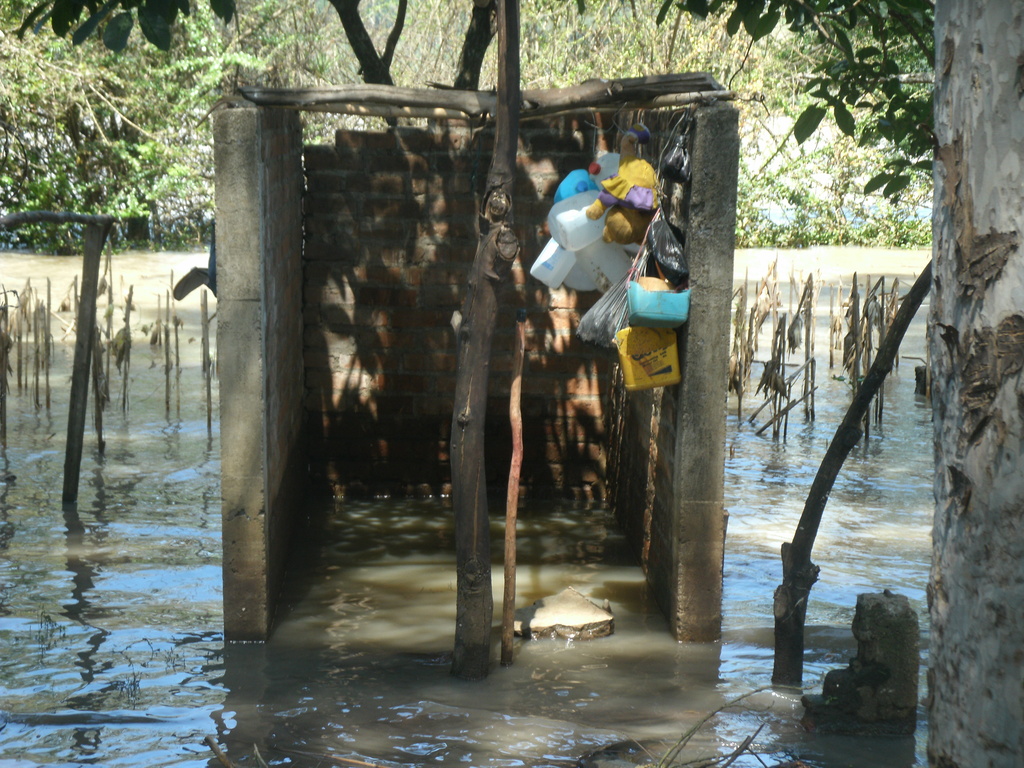
ArtCorps Artist Naphtali Fields assisted with disaster relief this past month, as more rain fell in El Salvador than during the devastating 1998 Hurricane Mitch. Read more about the flooding and landslides that have caused national emergencies in Central America.
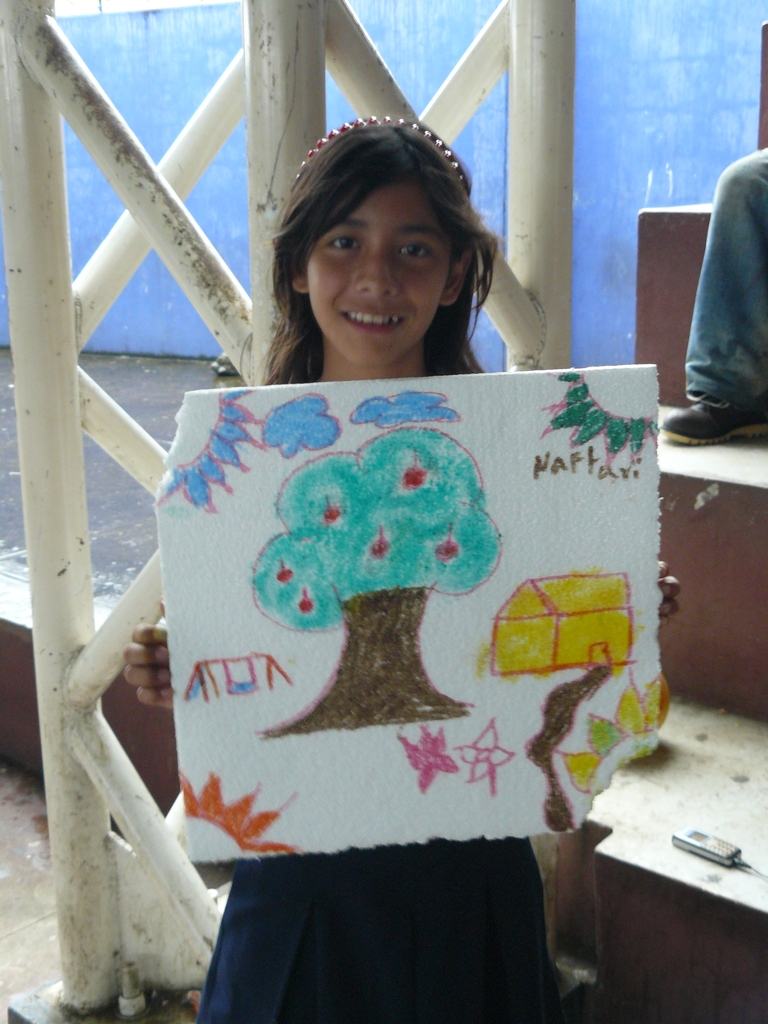
It’s my third morning working at the shelter. I walk into the dark, cement gym and head for the children’s corner. Before I can get past the entrance, a skinny, dirty girl flings herself at me, “Naphtali!” Brenda yells, “I was waiting and waiting for you all morning!” She shoves a piece of paper at me and stands back to look at my face as she grips my hand, smiling and breathless. She’s handed me a picture, the third she’s given me in three days. Each one is the same: her house in the middle of green grass and flowers under a shining sun. I smile and give her a hug. Her picture is beautiful, but it doesn’t look anything like her house. She’s at the shelter because her real home is about to collapse.
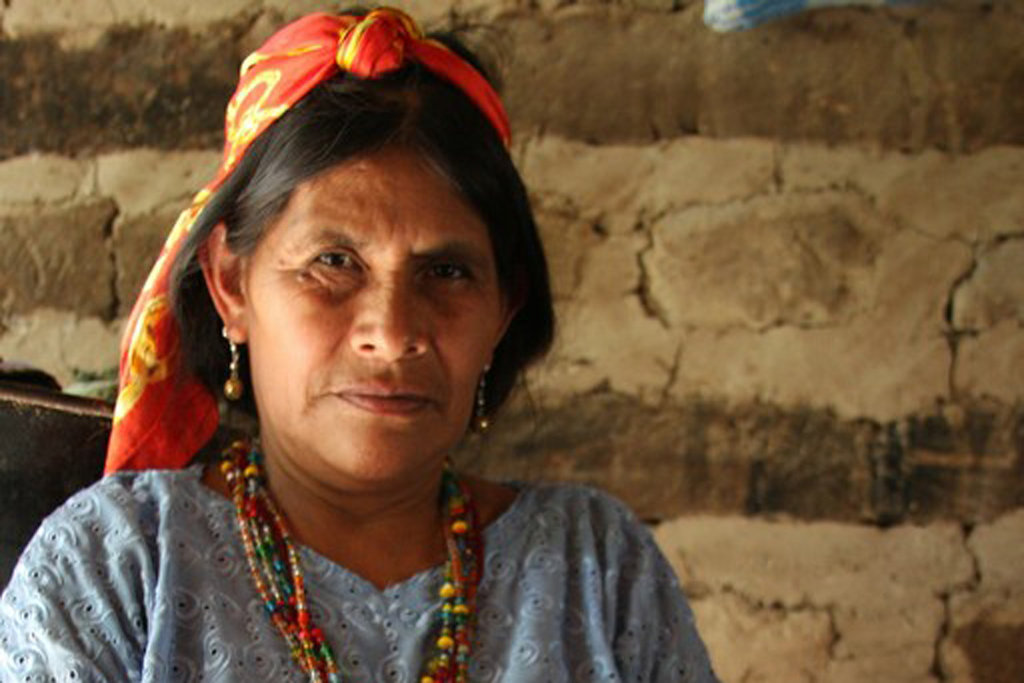
The rains have continued for ten days, and Brenda’s family was evacuated from their adobe home to wait out the danger. They live over a canyon, and as the earth loosened in the rain, their house kept slipping closer and closer to the edge. By the time the sun returned, half of their kitchen wall had fallen over, and the rest is precariously perched—ready to collapse in the next earthquake or flood. She and her family were at the shelter/gym for seven days along with sixty other people, all displaced by the rising water.
I worked for a week at the shelter in Ahuachapán; and saw little for Brenda to be so joyful about. The adults sat defeated on the benches, silent for hours at a time, while we tried to play with the kids and keep them happy. Donations came in the form of meals and food, but the churches or groups came, gave their organization’s speeches, and left an hour later. Aid workers took for themselves clothes meant for the evacuated families. Conflict between the seventy or so people in the crowded, dirty space escalated as the week wore on. And worst of all, when the families began to roll up their mats, put their possessions in plastic bags, and head for home, some of them returned to dangerous living conditions that they can’t afford to fix. Instead, they humbly pray for protection in their crumbling houses and flooded land and live the best they can.
Who suffered most from the storm? As always, the poorest among us. The homeless men and women cold and coughing on the street, the families without money for land who build their tin shacks by rivers and lakes, the houses of mud stacked like dominos that fall at the least provocation. I played with children of twelve who weighed less than some four-year-olds, brushed out the tangles of dirty, unkempt hair, and watched bemused as government aid workers introduced toothbrushes to the half-rotten teeth of the shelter’s kids. The first day, after hearing the stories of every family, sorrow followed me home like a shadow. I am a small woman and can do little in such great need. It was tempting to stay home, bury myself under my quilt, and read novels until the rain and the reality of El Salvador was a far off haze. But I had promised the kids I’d come back, and they had so little to do with their days. We fought against boredom with a vengeance: soccer, singing, half-remembered yoga exercises, hair braiding, coloring, and tickling filled the hours as the rain kept pounding on the roof. And then, finally, it was over. We piled into trucks to take families back to their far away communities, colored the last picture, hugged the last sticky child, and swept up the last piles of trash on the gym floor.
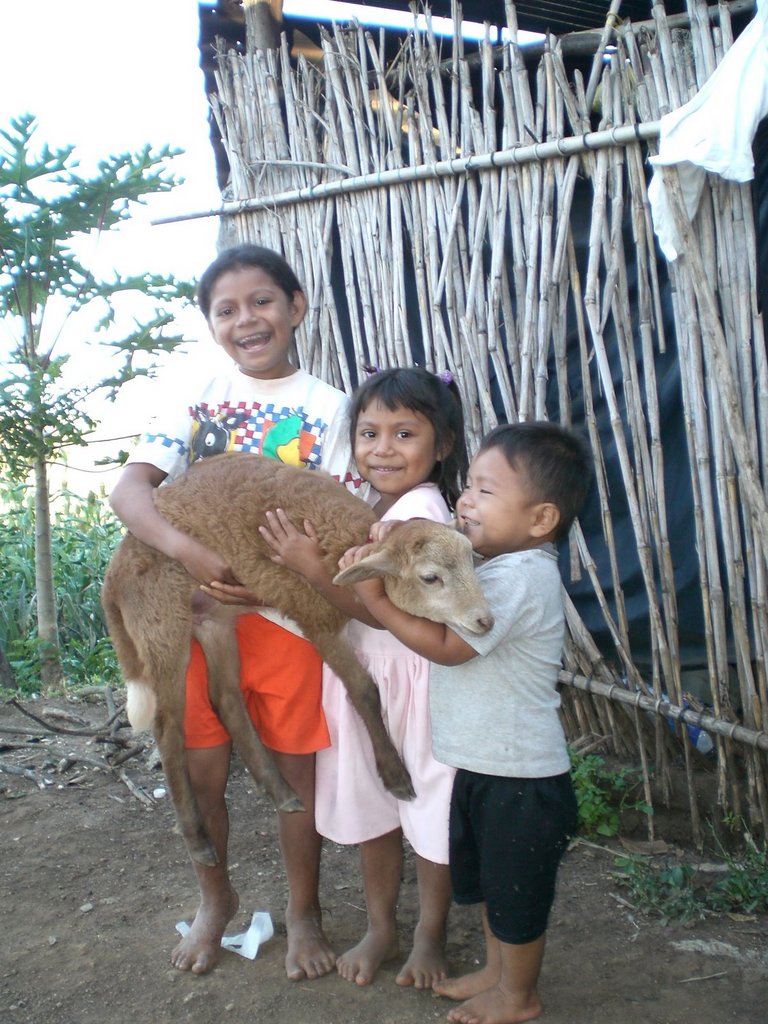
I went to Brenda’s community to see her house on the canyon’s edge. It was a grouping of three homes, one right on top of the other. The first had collapsed when a neighboring wall fell on top of it, the second had cracks running through all its walls from the weight of the water, and the third, Brenda’s house, was about to fall into the canyon. Still, the children were laughing as they gave us the grand tour, Luis Miguel was trying to squeeze in a few last tickles before we said goodbye. Maybe in fifty years, he’ll have a daughter who asks for stories about the big flood in 2011. Maybe the terrible rains won’t come next year or the year after that and his children will gleefully imagine tragedies that they’ve never experienced. We can hope for that can’t we? We are small in the face of so much need, but we can hope.
Project reports on GlobalGiving are posted directly to globalgiving.org by Project Leaders as they are completed, generally every 3-4 months. To protect the integrity of these documents, GlobalGiving does not alter them; therefore you may find some language or formatting issues.
If you donate to this project or have donated to this project, you can receive an email when this project posts a report. You can also subscribe for reports without donating.