By DR.KRISHNA R MURTHY | PROJECT LEADER
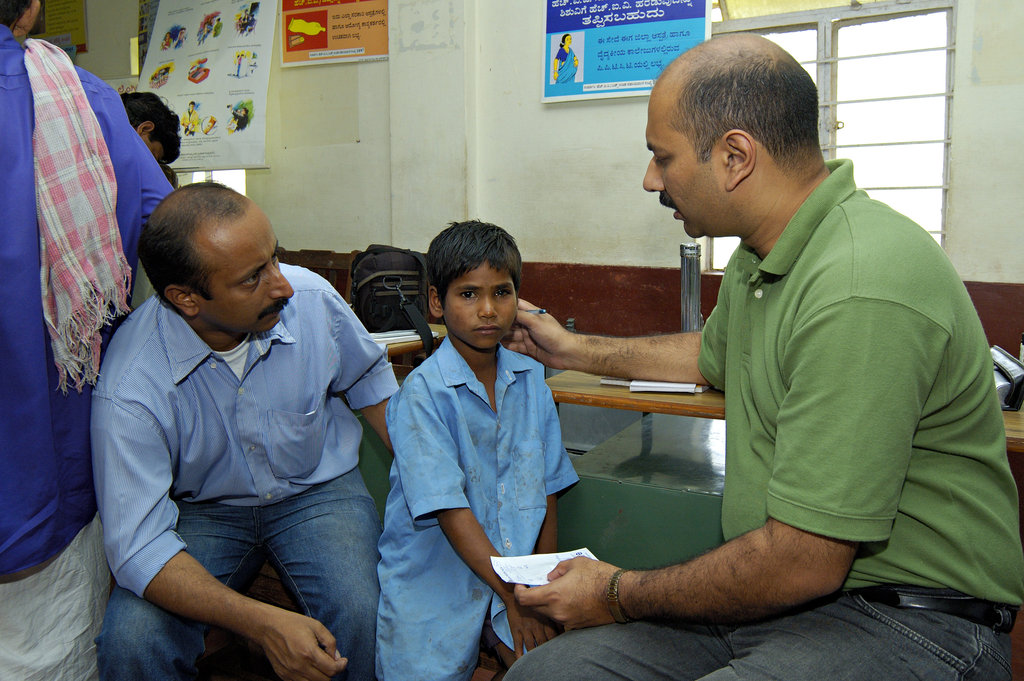
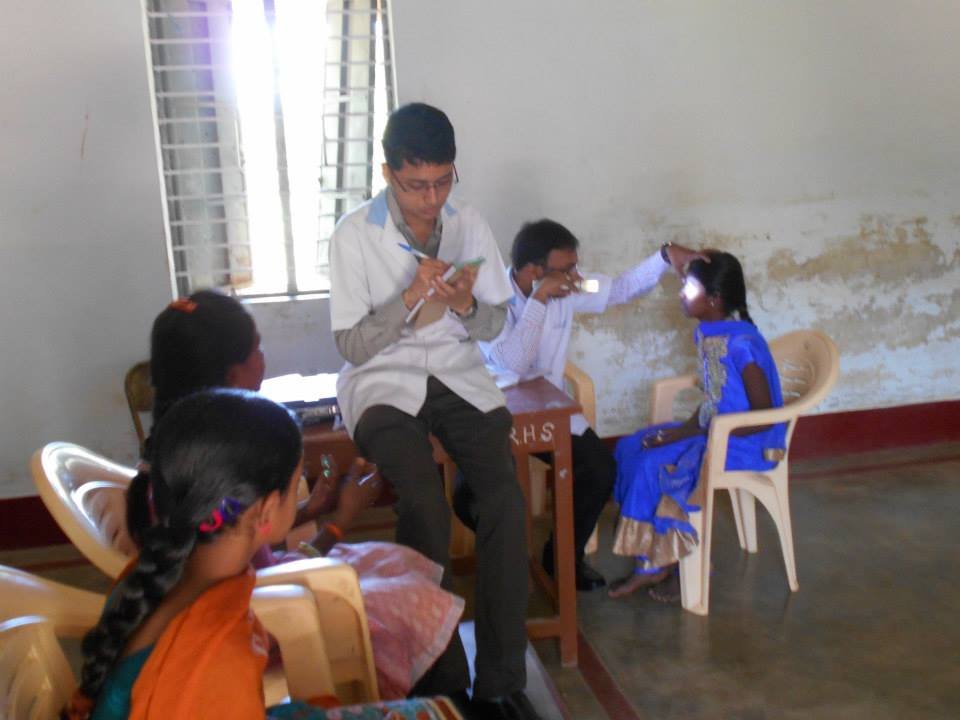
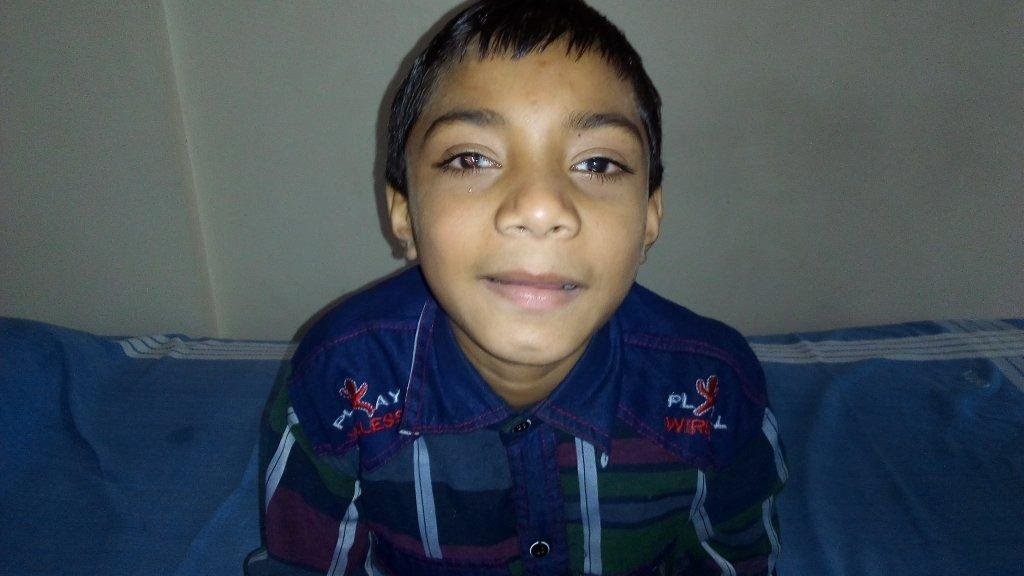
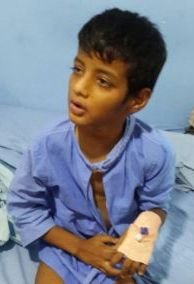
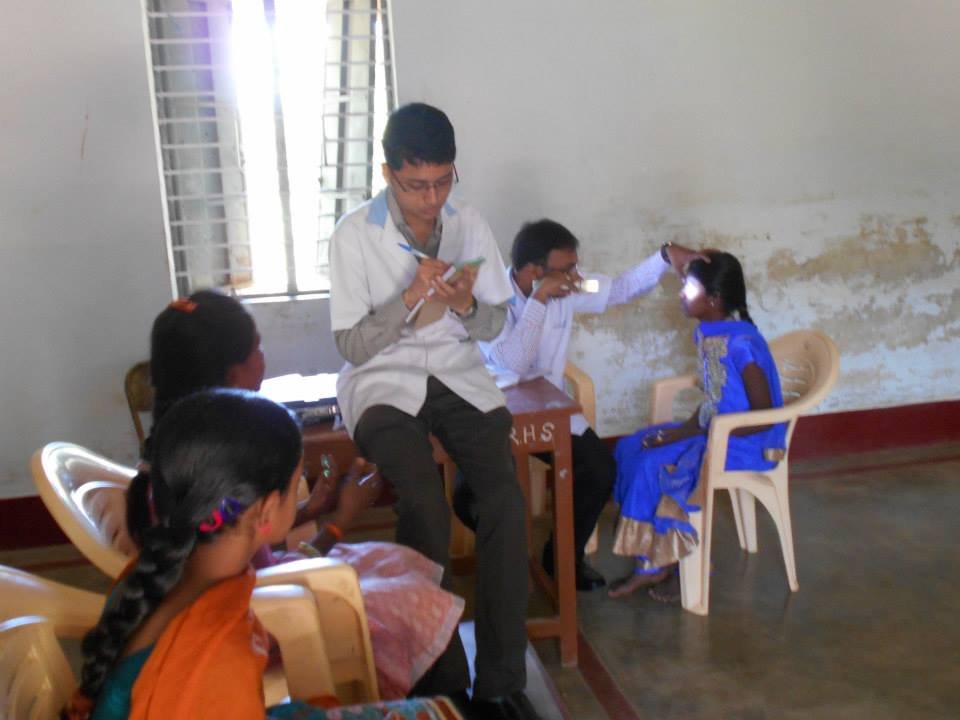
Childhood blindness has multiple causes and these causes vary in different age groups. We understand that a single wide-net screening strategy is not suitable for all diseases in differing age groups. We plan to have community health worker, teacher led, technician led and doctor led screening and diagnosis systems, based on specific conditions with full cycle treatment delivery to ensure that no child will go blind. Children with uncorrected vision conditions or eye health problems face many barriers in life academically, socially and athletically. High-quality eye care can break down these barriers and help enable children to reach their highest potential. That's why a comprehensive child eye examination is so important for children. Early detection and treatment provide the very best opportunity to correct vision problems successfully. Under this effort we have treated children for the following eye problems.
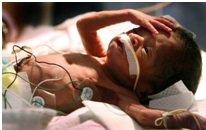
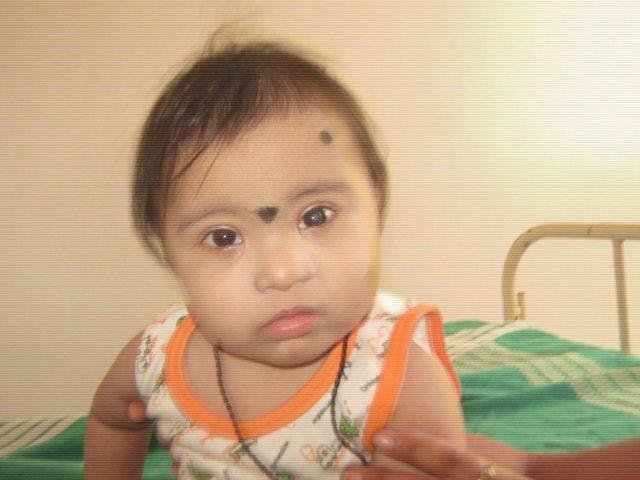
1. Congenital Cataract:A cataract is an opacification of the lens. Congenital cataracts usually are diagnosed at birth. If a cataract goes undetected in an infant, permanent visual loss may ensue. Congenital cataracts may be unilateral or bilateral and can vary widely in size, morphology and degree of opacification from a small white dot on the anterior capsule to total opacification of the lens. A Baby with congenial cataract in one eye + down syndrome (Down syndrome, is a genetic disorder caused by the presence of all or part of a third copy of chromosome. It is typically associated with physical growth delays, characteristic facial features, and mild to moderate intellectual disability, it is a lifelong condition) was treated with surgical intervention of PHACOEMULSIFICATION + IOL IMPLANTATION + PRIMARY POSTERIOR CAPSULOTOMY UNDER GENERAL ANAESTHESIA.
2. Granulomatous Uveitis:Uveitis is a condition causing inflammation of the middle eye or uvea, granulomatous uveitis is associated with toxoplasmosis and systemic mycotic infections. Toxoplasmosis is an infectious disease caused by the one-celled protozoan parasite Toxoplasma gondii. Although most individuals do not experience any symptoms, the disease can be very serious, and even fatal, in individuals with weakened immune systems). The child was 1st treated with steroid medication for management of Granulomatous Uveitis & was surgically managed with intervention of LENSECTOMY (Removal of the lens of the eye) UNDER GENERAL ANAESTHESIA
3. Pigmentary Retinopathy + Micro Cornea + Cataract: A child with systemic illness of gross developmental delays + CHD + congenital Rubella syndrome (congenital heart disease (CHD), is a problem in the structure of the heart that is present at birth + Congenital rubella syndrome (CRS) is an illness resulting from rubella virus infection during pregnancy. When rubella infection occurs during early pregnancy, serious consequences—such as miscarriages, stillbirths, and a constellation of severe birth defects in infants can result. A rubella infection can cause multiple birth defects, including congenital heart disease) was diagnosed at our hospital with partially absorbed cataract + micro cornea in both eyes + pigmentary retinopathy (Pigmentary retinopathy is an inherited eye disorder involving degeneration of the retina). The child was treated both eyes with surgical intervention of CATARACT EXTRACTION + PRIMARY POSTERIOR CAPSULOTOMY + ANTERIOR VITRECTOMY UNDER GENERAL ANAESTHESIA.
4. Zonular Cataract: This type of cataract is bilateral. It can be congenital or it can be acquired during the first years of life due to tetany or rickets. The cataract is always large enough to occlude the pupil.. The child with Intellectual Disability + delayed milestones (Intellectual disability (ID), previously known as mental retardation, is a term that is used when an individual has below-average intelligence or mental ability. Lack of skill necessary for day-to-day living are also commonly associated with this type of disorder. These children often have a hard time communicating their specific wants and needs, and usually struggle with taking care of themselves. ID is not a disease and it is a lifelong condition) was diagnosed with bilateral zonular cataract & was treated with PHACOEMULSIFICATION + IOL IMPLANTATION + PRIMARY POSTERIOR CAPSULOTOMY UNDER GENERAL ANAESTHESIA.
Project reports on GlobalGiving are posted directly to globalgiving.org by Project Leaders as they are completed, generally every 3-4 months. To protect the integrity of these documents, GlobalGiving does not alter them; therefore you may find some language or formatting issues.
If you donate to this project or have donated to this project, you can receive an email when this project posts a report. You can also subscribe for reports without donating.