By DR.KRISHNA R MURTHY | Project Leader
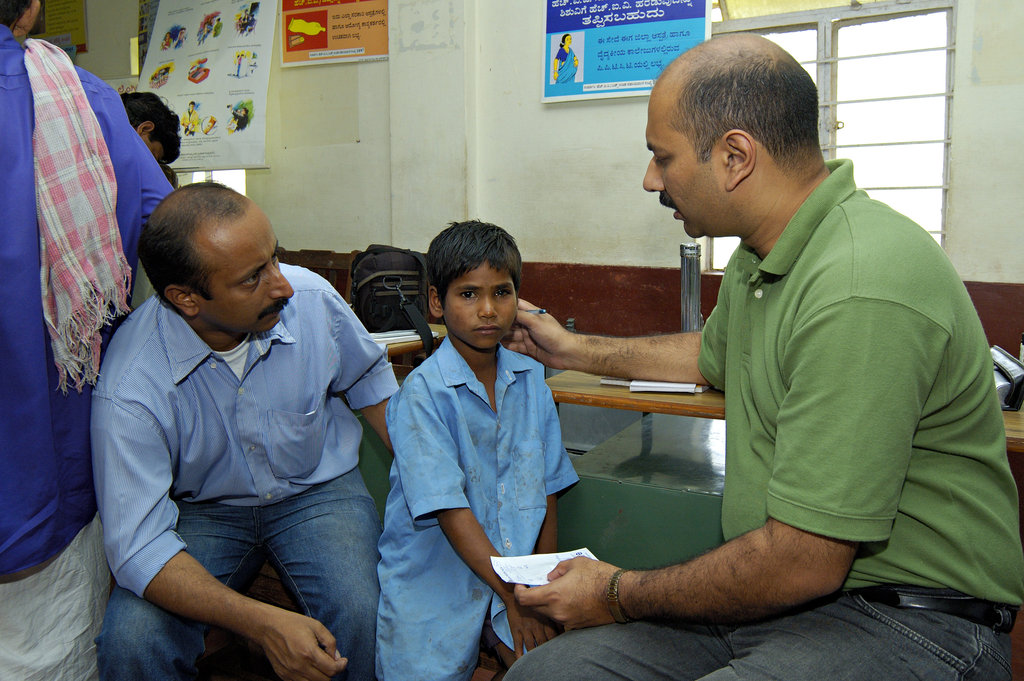
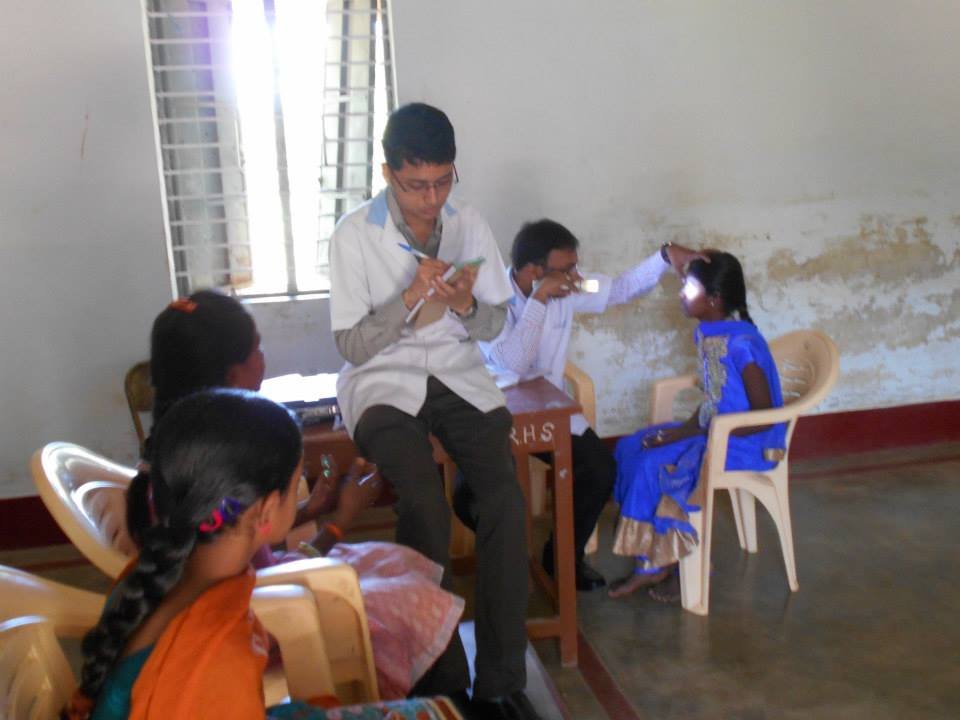
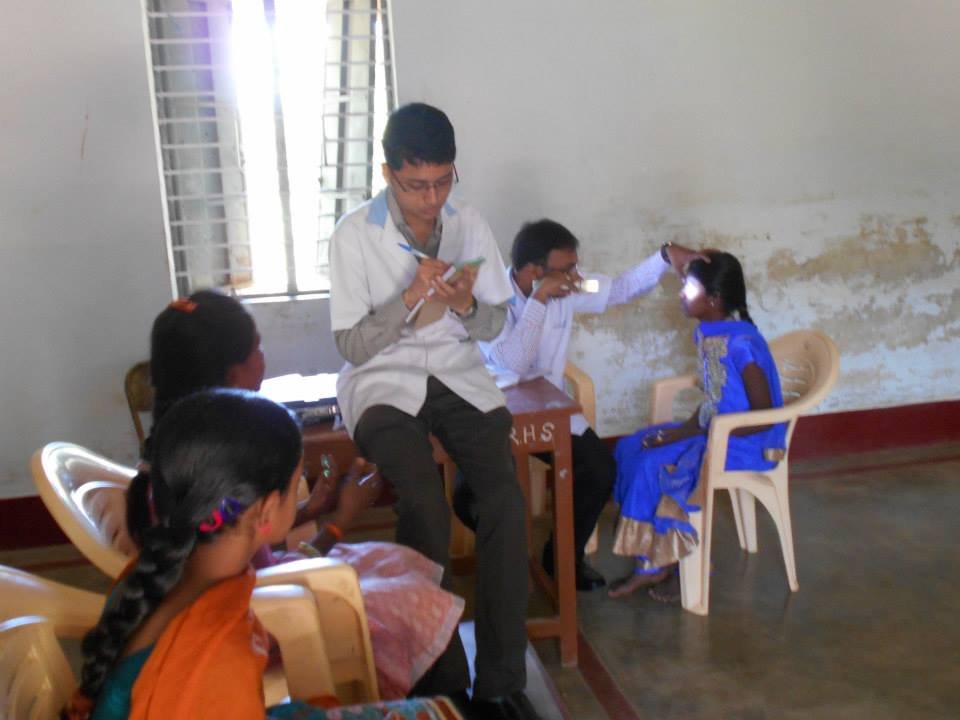
Childhood blindness remains a significant problem globally, especially in developing countries. When eye diseases and conditions that occur in early childhood are left untreated, they can result in visual impairment or blindness. The major causes vary and are largely determined by socioeconomic status and access to primary health care and eye care services. Regular eye examination helps to protect the child’s vision and provide useful information about the child’s eye health.
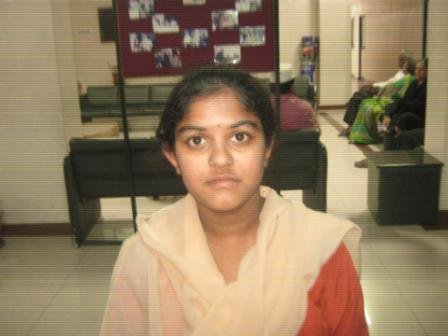
1. Keratoconus – Keratoconus is a degenerative disorder of the eye in which structural changes within the cornea cause it to thin and change to a more conical shape than the more normal gradual curve. Keratoconus can cause substantial distortion of vision, with multiple images, streaking and sensitivity to light. It is typically diagnosed in the patient's adolescent years. A 17yrs old female was treated for Keratoconus with surgical intervention of C3R surgery. This helps to arrest progression of keratoconus thereby avoiding the need for Keratoplasty.
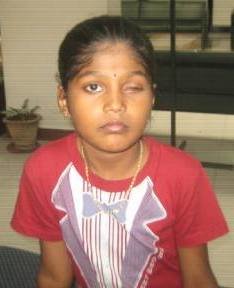
2. Chemical Injury
Chemical injuries to the eye can produce extensive damage to the ocular surface and anterior segment leading to visual impairment and disfigurement. Chemical Injury of the conjunctiva and cornea is a serious ocular emergency and requires immediate intervention. A 10 yr old girl was presented to us with alkali injury to left eye. The child’s visual acuity in left eye was presence of perception of light and projection of rays. The child was diagnosed to have grade 4 chemical injury. The child was managed with surgical intervention of MUCOUS MEMBRANE GRAFT UNDER GENERAL ANAESTHESIA.
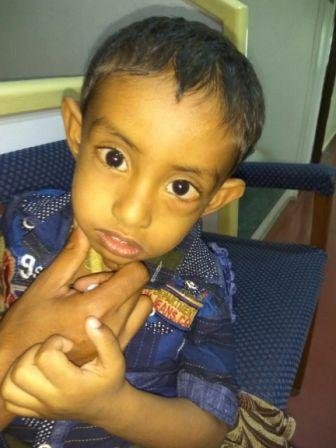
3.NLD Obstruction
A 2.5 year old boy with developmental delays was treated for NLD blockage with purulent discharge (Naso Lacrimal Duct Obstruction). The child underwent DACRYOCYSTOTHINOSTOMY WITH INTUBATION UNDER GENERAL ANAESTHESIA (Dacryocystorhinostomy (DCR) surgery is a procedure that aims to eliminate fluid and mucus retention within the lacrimal sac. A DCR procedure involves removal of bone adjacent to the nasolacrimal sac and incorporating the lacrimal sac with the lateral nasal mucosa in order to bypass the nasolacrimal duct obstruction. This allows tears to drain directly into the nasal cavity from the canaliculi via a new low-resistance pathway).
4. Congenital Cataract
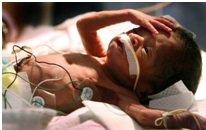
A 7 months old baby treated for congenital cataract. The baby is under treatment for gross developmental delays + spastic quadeiparesis with microcephaly. (spastic quadeiparesis is an autosomal recessive inheritence. It affects the entire body. Spastic refers to the muscle stiffness of all four quadrants of the body Spastic quadriplegia is caused by extensive brain damage or by congenital malformations in the brain. patients with spastic quadriplegia cannot walk and their speech may also be profoundly affected. Seizures are common in spastic quadriplegia. This type of CP can significantly affect the intelligence. People with spastic quadriplegia may have mental retardation, ranging from moderate-to-severe). The child underwent BOTH EYES LENSECTOMY UNDER GENERAL ANAESTHESIA (Removal of the lens of the eye)
Project reports on GlobalGiving are posted directly to globalgiving.org by Project Leaders as they are completed, generally every 3-4 months. To protect the integrity of these documents, GlobalGiving does not alter them; therefore you may find some language or formatting issues.
If you donate to this project or have donated to this project, you can receive an email when this project posts a report. You can also subscribe for reports without donating.