By Turk Pipkin | Project Leader
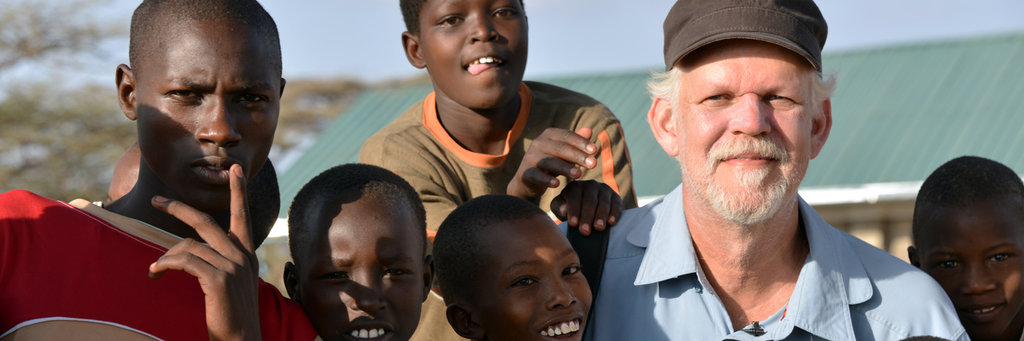
A little over a decade ago, as I was working to complete a feature documentary called Nobelity, I knew that I needed an environmentalist (and ideall a teacher) to add to the 8 other Nobel laureates I'd spoken to for the movie. I had just about given up on finding an environmentalist who'd been awarded the Nobel when Wangari Maathai and her organization the Green Belt Movement, were honored with the Nobel Peace Prize. A few later, I was interviewing Wangari on camera in Paris and being invited to come to Kenya to plant trees.
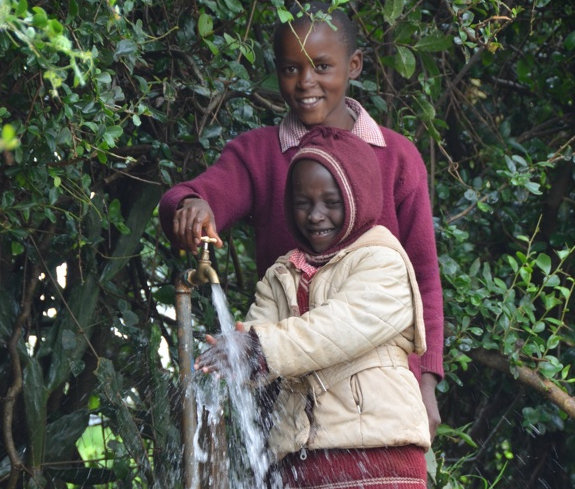
While I was in Kenya with The Green Belt Movement, I also wanted to plant trees at a school and soon found myself making my first ever visit to a rural Kenyan Primary school - mud floors, slat walls open to the elements and very few textbooks. What started with Wangari has taken me far, because soon I had agreed to build a water system at the school.
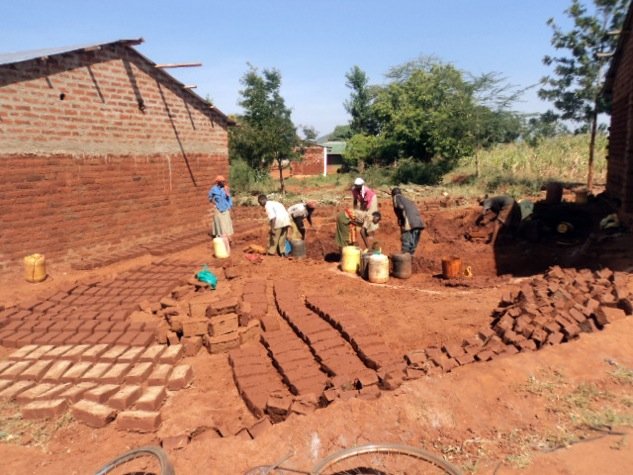
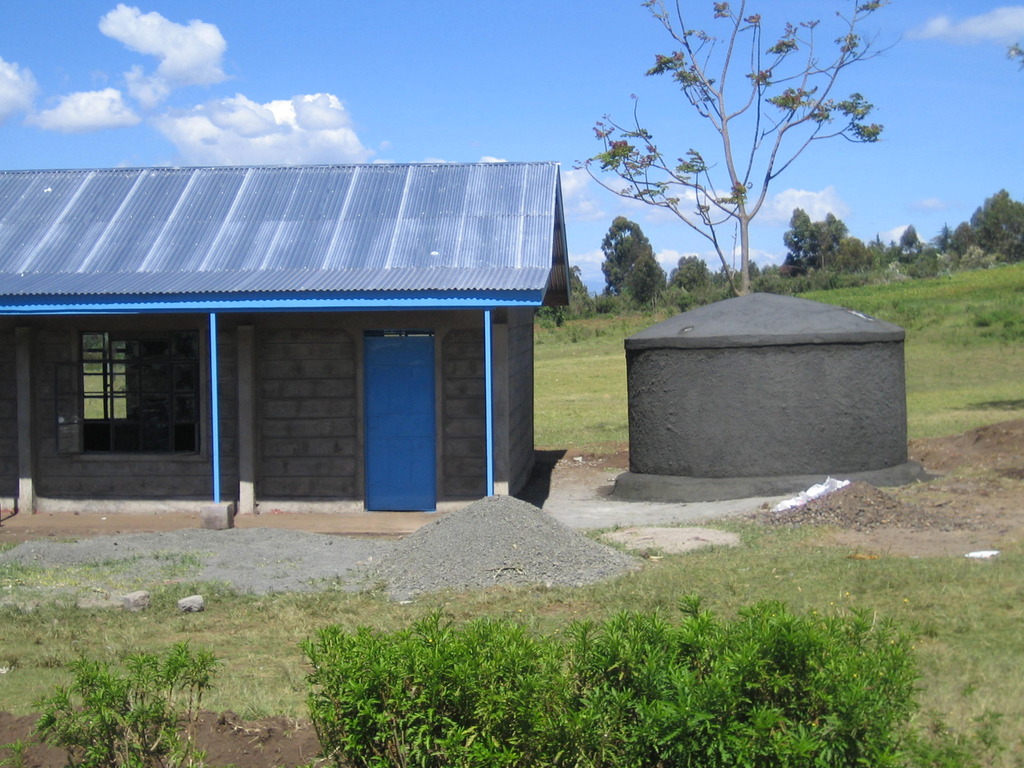
Year by year, one seedling turned into one water system, one library and computer lab then a high school. My film and writing about those projects helped carry us from one feature doc to another, then a third. Little by little, that first tree has grown, and now The Nobelity Project has built 100 classrooms, water systems, libraries, computer labs, science labs and more. Ever one of these projects has been built on a tight budget, with important local community support and participation, and every one of them has met a critical need.
There is no education without clean water so that is often our starting place. This year we are fortunate to have launched a new wine called The Turk - in partnership with Hope Family Wines of California. Proceeds from The Turk are turning wine into water, and that effort will allow us to focus on other critical infrastructure in the year to come.
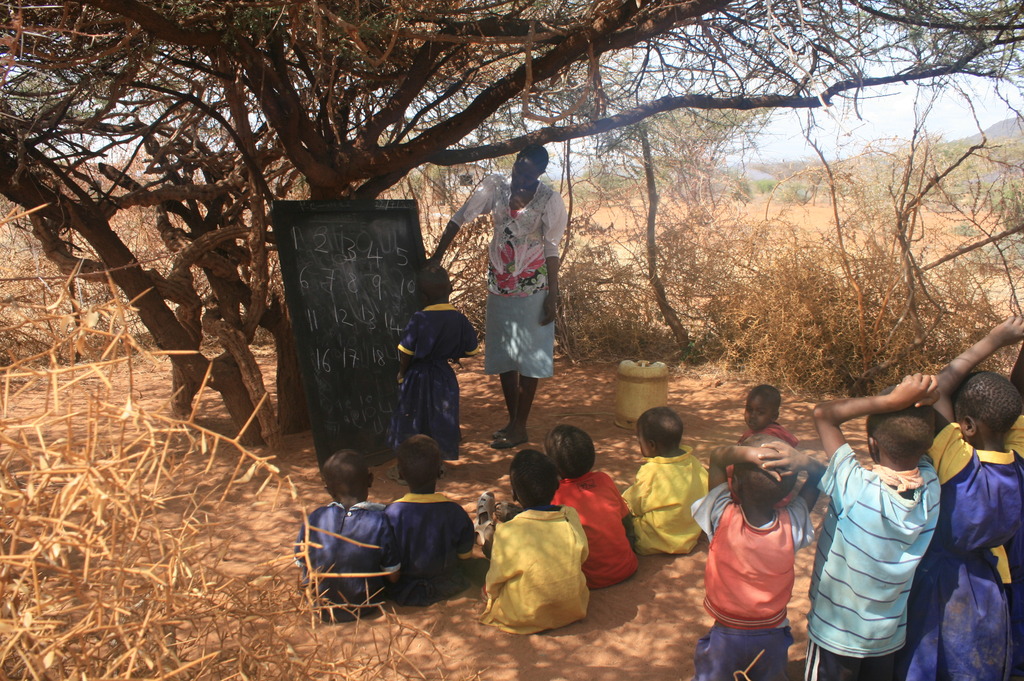
In 2015, we hope to fund and build four new Pre-Schools with our innovative new design combining stone and metal panels. The hybrid approach keeps overall costs low and provides a clean, dry, warm and well-lighted space for 4- and 5-year olds to attend school. We are also planning primary classrooms at an extremely remote and dry location where classes are currently being held in an outdoor classroom with walls made of thorns (that's right, thorns, which keep dangerous animals out but not the hot sun and strong winds). We'll also be purchasing much-needed textbooks (so that students are sharing 4 kids to a book at the same time), building toilets (which are just as critical as clean water), and we'll be rewarding top scoring boy and girl students at many schools with a real treasure - a bicycle that will get them to school faster for more study time.
In short, we're going to do what we've been doing, and we're going to it with the full knowledge that all of these projects have worked wonders at other schools in the past, and are very likely to do so in our new locations.
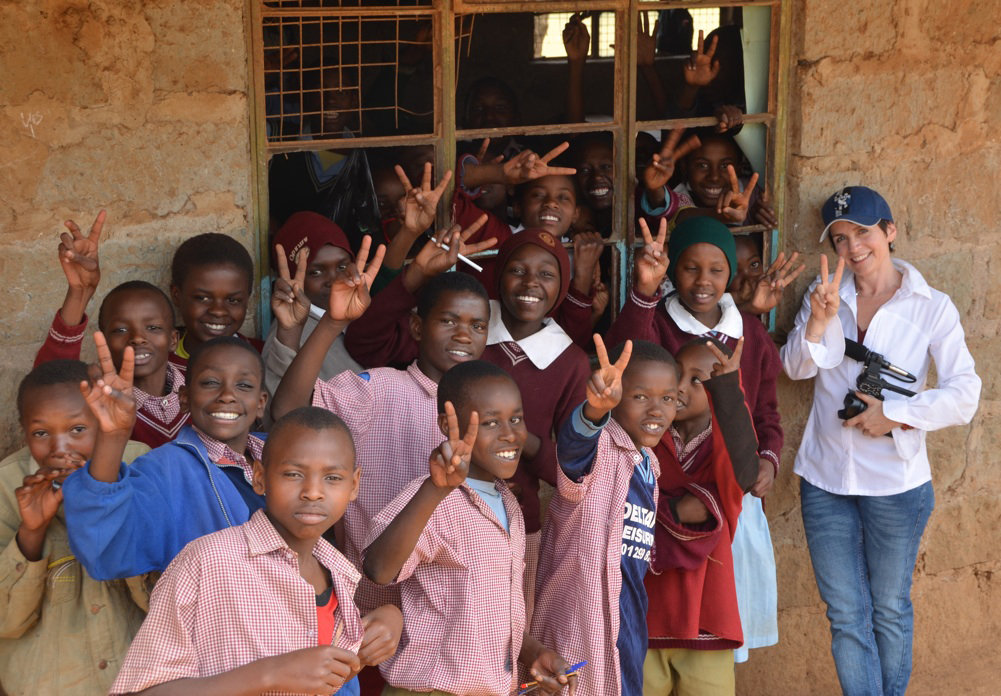
I'm headed to Kenya in a few days to open new facilities that we've completed in the past few months at Songoloi Primary, Konyit Primary, Ol Moran Secondary, Mahiga Primary, Laburra Primary and Secondary, Amboni Preschool, Simbara Secondary, Bondeni Primary, Daaba Primary, The River Liiki School for Special Needs Children, Enkongu Narok Primary and Sompet Primary. How's that for a list? It'll take me three weeks and 3,000 road kilometers to get to them all, but at every stop I'll be representing our wonderful Global Giving donors and other supporters who've made it possible.
Ten years of great work - and it all started with a tree. Thank you Wangari. We miss you, and work hard to honor your great legacy. There's nothing better than a teacher.
Project reports on GlobalGiving are posted directly to globalgiving.org by Project Leaders as they are completed, generally every 3-4 months. To protect the integrity of these documents, GlobalGiving does not alter them; therefore you may find some language or formatting issues.
If you donate to this project or have donated to this project, you can receive an email when this project posts a report. You can also subscribe for reports without donating.