By Turk Pipkin | Project Leader
Almost ten years since Nobel Peace laureate Wangari Maathai first invited me to East Africa to plant trees with The Green Belt Movement, I am heading back to Kenya for what may be my 20th working trip. With our work in Kenyan schools accelerating the past few years, I'm looking back at what we've helped to make happen and also how our work has been a catalyst for so much great change.
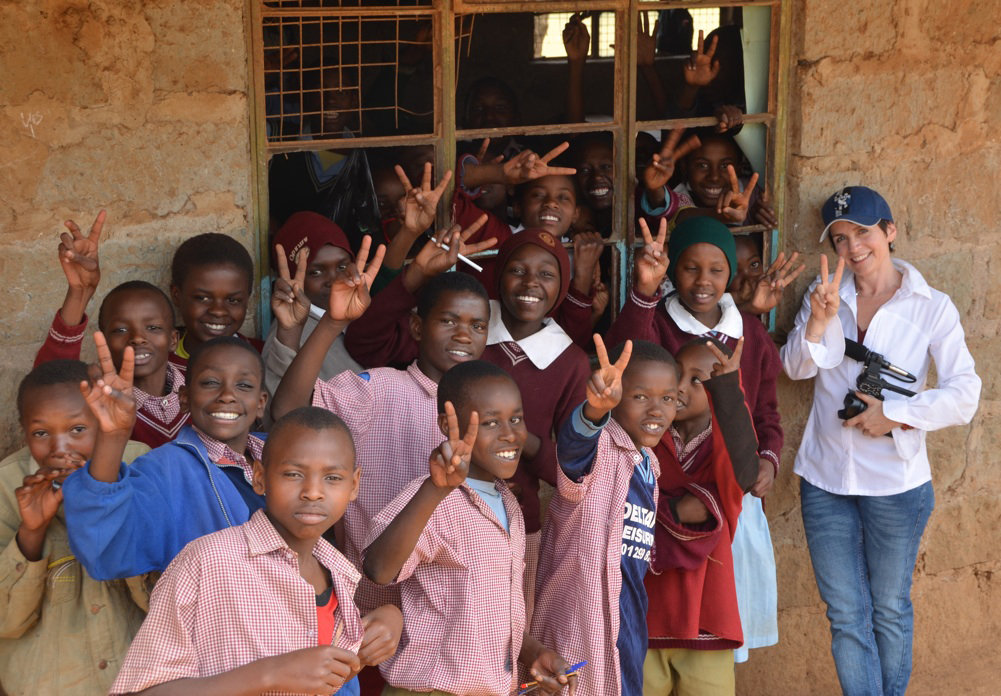
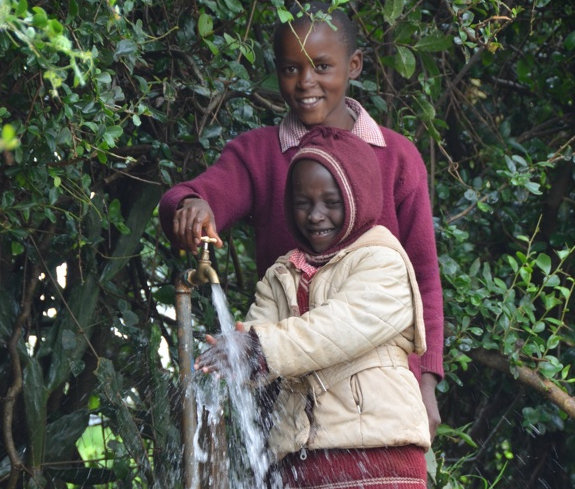
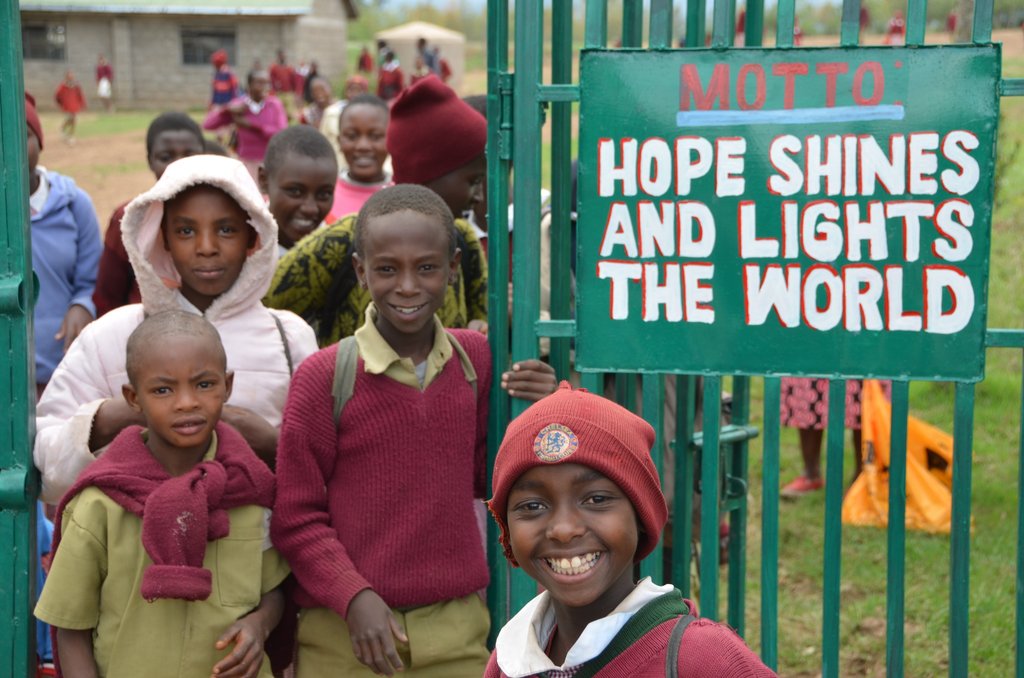
At our home base of Mahiga, Mahiga Primary and Secondary now have almost 600 students enrolled in 14 grades, including two years of pre-school. The first class of high school seniors graduated in December and the school now has more and better teachers and grades theat improve each year. The high school alone has 8 classrooms, science labs, a library, computer lab, athletic facilities for boys and girls, multiple purified water systems, a kitchen that serves 150,000 meals a year and huge gardens that are planted and maintained by students as part of their course work. Acting on their own, the school is now building a big greenhouse that will provide even more food for the school.
Mahiga is an inspiration for all who support increased access to education, and also for many other schoos in Kenya. Ten miles away, our partnership with the new and growing Simbara High School is also bearing fruit. Purified water, a library, music and computer lab, and a new science lab have now been joined by three new classrooms and a basketball court that will create the first league play for girls in the district.
We've also helped build water systems and/or new libraries at many other schools in the area - Kiguru, Bondeni, Honi, Muthuini, Mogaka.. it's a long list. And our direct work at several very remote schools has played a key role in all kinds of additional work. At Irbaan Primary, two new purified rainwater systems will be completed in the coming days, providing water and lights for the girls dormitory, and for the kitchen, offices and library. Since my first visit to Irbaan, the little school on the edge of the Masai Mara Reserve has grown into a substantial multi-building campus.
A ten hour drive to the north, Daaba Primary has grown from outdoor classrooms and a deep and dangerous open well into a beautiful campus of stone classrooms, kitchen and library and a purified, solar-powered well - all of it enabling girls in this dry and remote Turkana village to attend school for the first time.
There are too many stories to tell them all, too many pictures to show them all... but the big picture is that well-targeted investiments in education infrastructure working with great local partners is highly effective in bridging the gaps in global education. Your support has helped us to do great and effective work. And our support in these communities has helped them to find additional ways to overcome obstacles that once seemed high, and now seem like small steps towards a brighter future for their children, and for ours.
Let's keep it up!
Links:
Project reports on GlobalGiving are posted directly to globalgiving.org by Project Leaders as they are completed, generally every 3-4 months. To protect the integrity of these documents, GlobalGiving does not alter them; therefore you may find some language or formatting issues.
If you donate to this project or have donated to this project, you can receive an email when this project posts a report. You can also subscribe for reports without donating.