By Rio F. Girsang | Social and Fundraising Manager
Failing Forward at the Caritas Centre
‘This project report is a submission to GlobalGiving’s 2017 Fail Forward Contest, where organizations are asked to share a story of when they tried something new that didn’t go as planned and how they learned from it. Enjoy!’
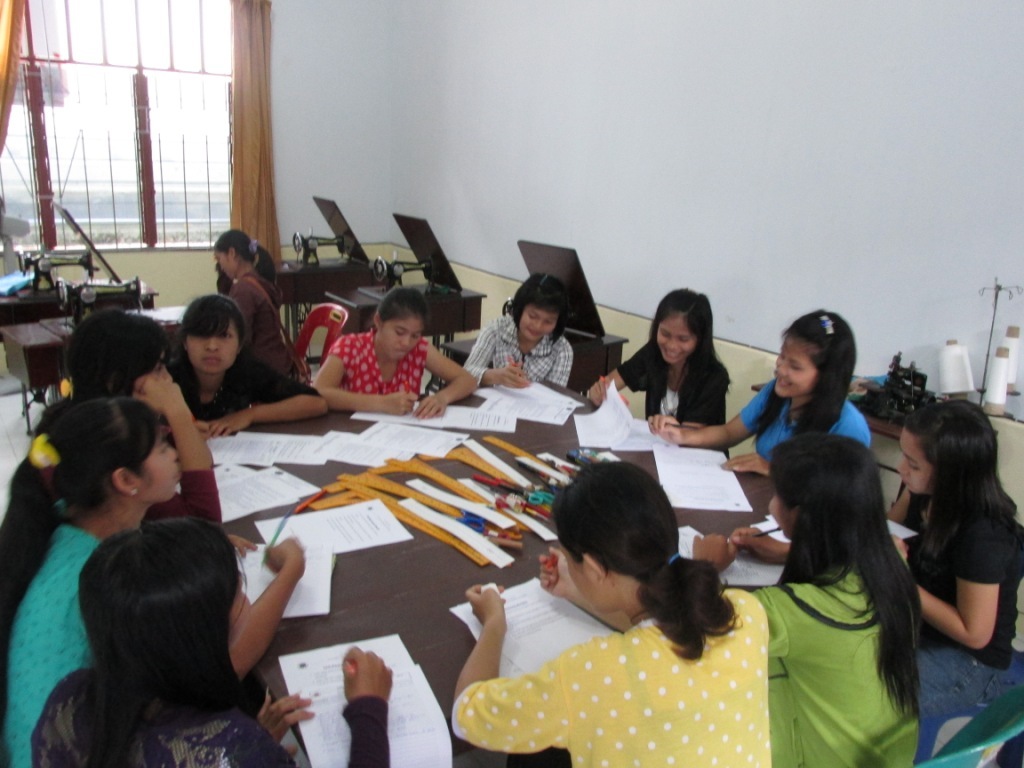
The Caritas Centre has been one of Caritas Keuskupan Sibolga’s key projects since 2007. The Caritas Centre initially began because many young people had been affected by the earthquake in 2005. Measuring 8.7 on the Richter scale, this earthquake destroyed the town centre, with over 1000 people loosing their lives and thousands more left without work or homes. During this time, many students had to drop out of school, as families’ proirities shifted from education to the immediate need of generating income and building new homes.
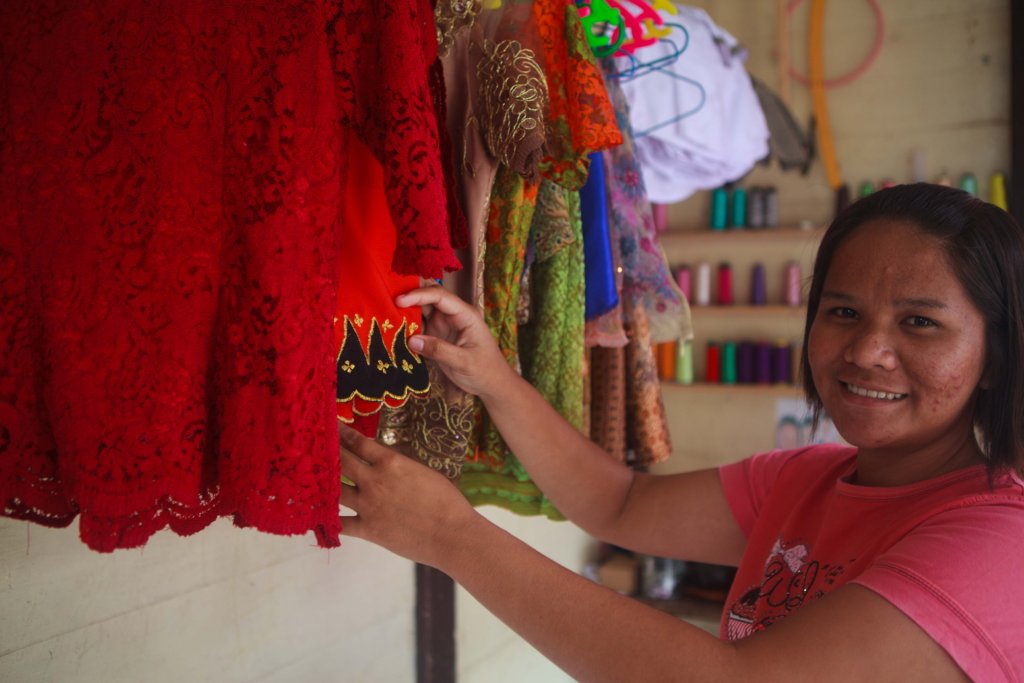
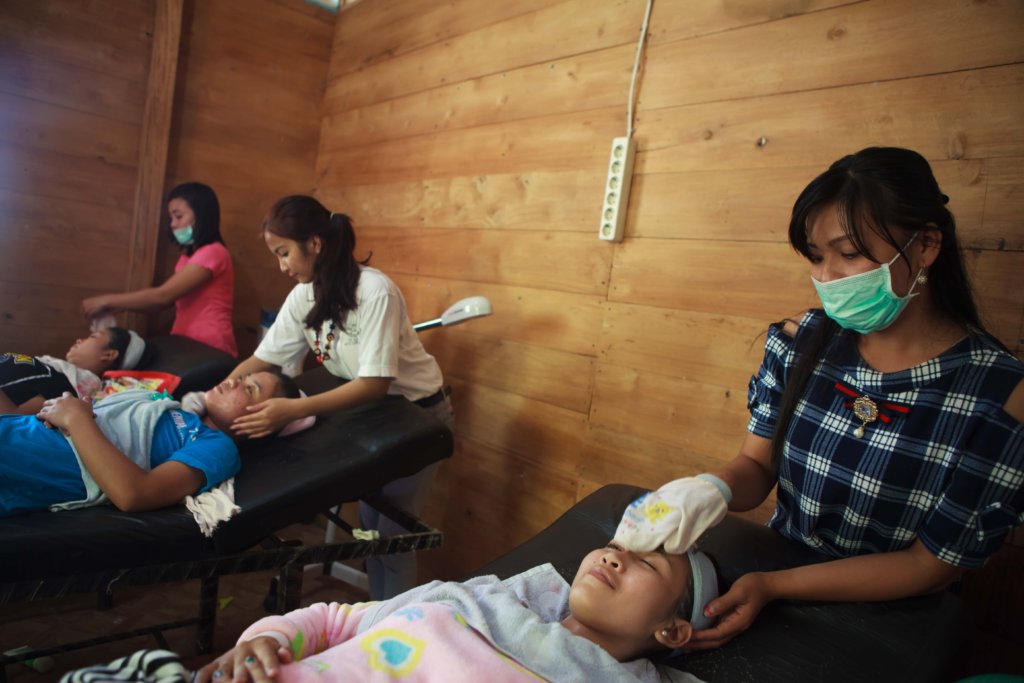
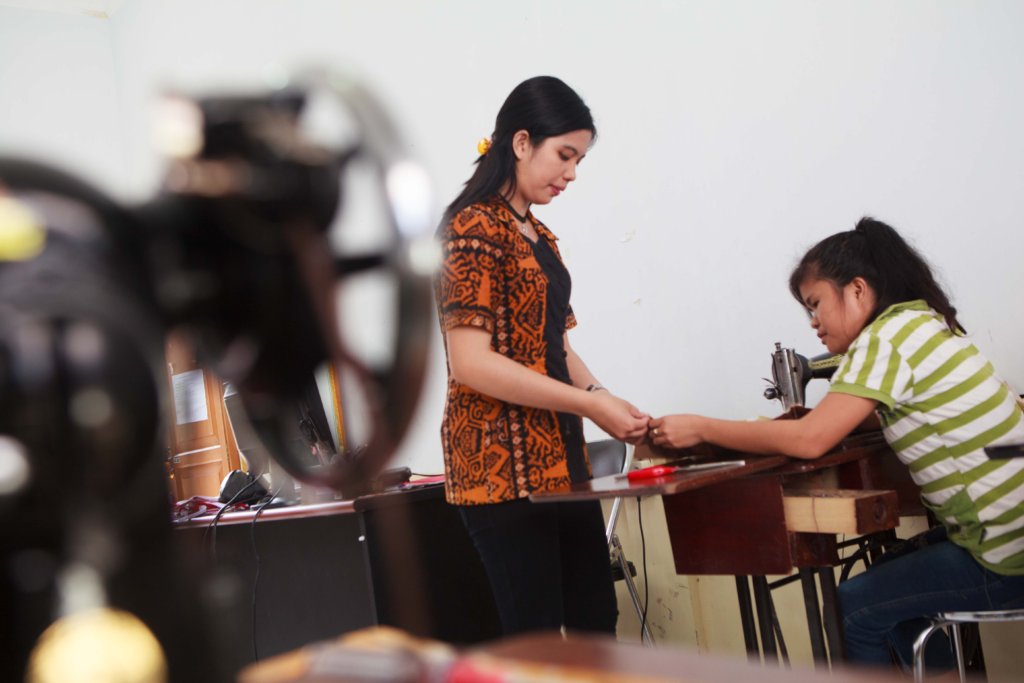
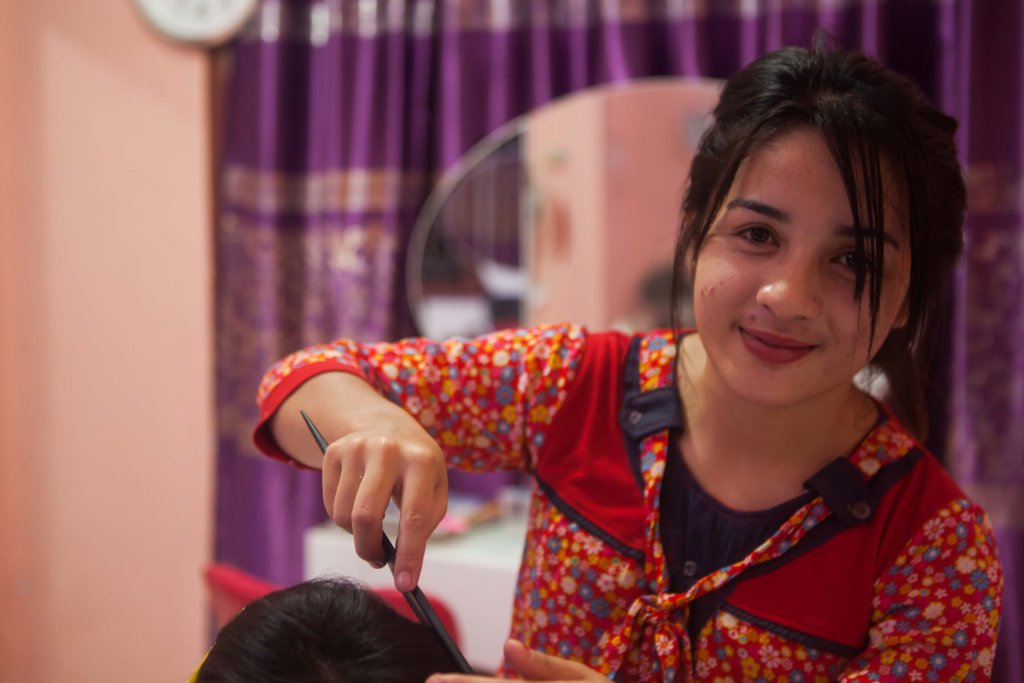
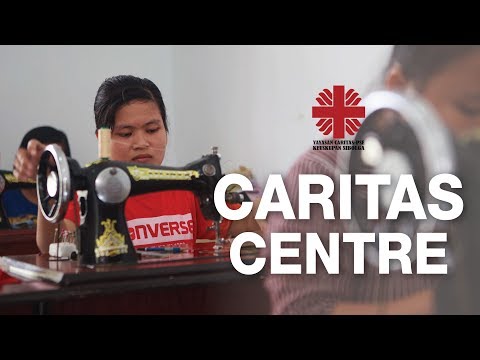
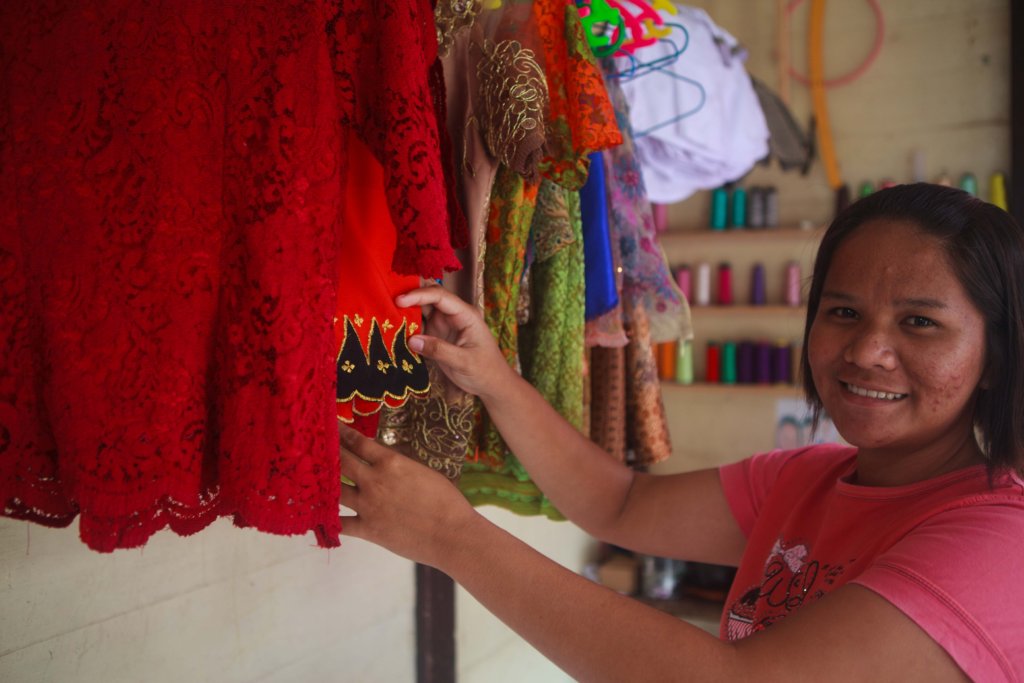
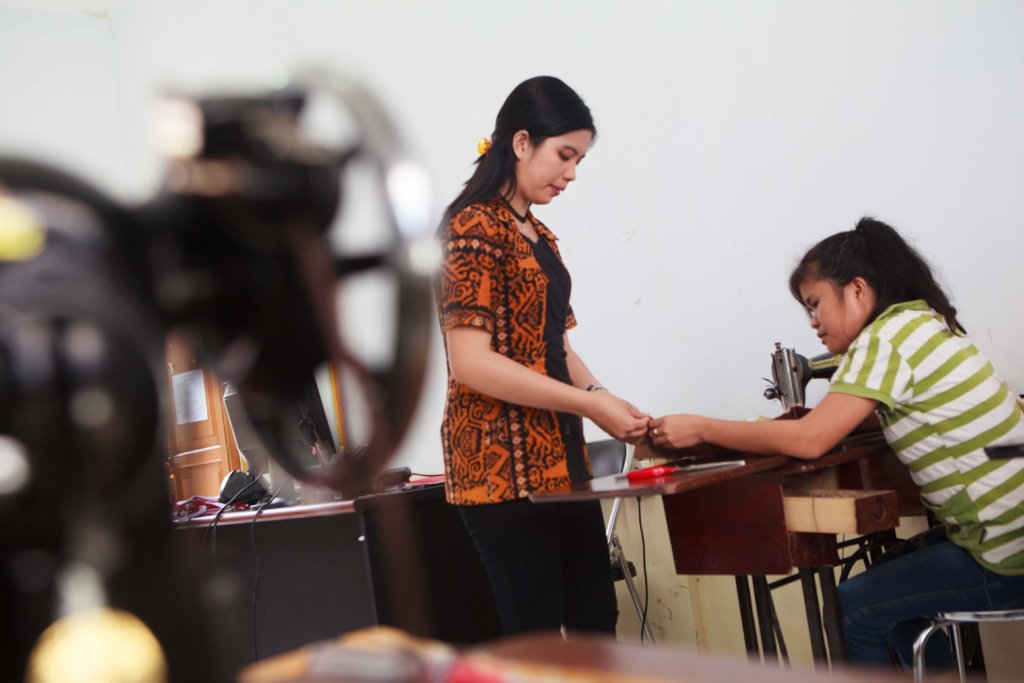
The Caritas Centre provides vocational opportunities for youth who have dropped out of school. Courses include salon, embriodery, sewing and computer studies. Initially, the course duration was 6 months per intake. From 2007 to 2009, Caritas Centre provided various services for participants including free courses and the provision of a shuttle vehicle to the Caritas Centre. By partaking in our courses, students had the potential to work, and could generate income for their families.
At the end of the project evaluation however, the number of participants who successfully completed courses was only about 70%. CKS reasoned that participants felt less responsible to finish their courses because they were not financially or emotionally invested.
In 2010, CKS readjusted our project approach. Participants were required to pay a nominal sum of Rp. 1000, (70 cents US) on arrival at the course. Course participants were also required to pay a security deposit of Rp.100.000, - ($7.42 USD), which was refunded once students had graduated. CKS also stopped providing transport to students. Our aim was to give students some responsibility and a sense of ownership for enrolling in courses.
To assist graduated participants, CKS began to provide assistance in the form of equipment or machinery to improve students’ ability to open a home business. We ran with this approach until 2012. After monitoring and evaluation, we realised that this approach was working to some extent. The number of participants who attended the course was a many as 238 people (W = 163, M= 120). Furthermore, we noted an increased percentage of the number of participants who graduated, averaging between 76% - 81% per intake . However, many participants did not succeed in opening a business. Although CKS had assisted with the provision of sewing machine and other materials, many did not use the equipment or succesfuly run their small businesses.
Based on the results of the evaluation, there was another slight change of approach. In the period of mid 2012 to 2014, the deposit amount Caritas Centre participants paid was increased to Rp 200,000 ($14.84 USD). The weekly tuition fee was also changed to Rp.18.000, - ($1.34 USD) per student. Giving equipment or machinery to participants free of charge was changed to 50% subsidy for alumni who wanted to open a business. At this stage there was a decrease in the number of course participants to 217 (W = 164, M = 53). However, the success rate of participants completing the course increased to about 80% - 90% per intake.
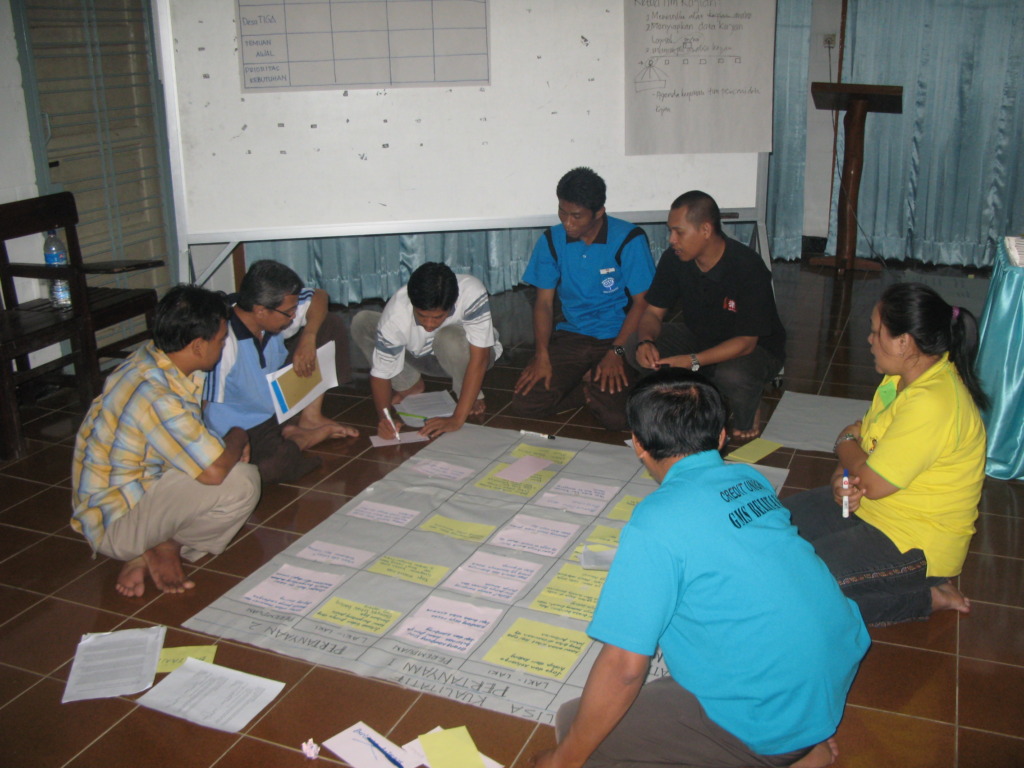
In the implementation of the Phase-IV course, from 2014 to 2017 (3 years), based on the results of internal evaluations, significant changes were made. The course period was changed to 3 months, enabling students to work quickly, and participants were also trained in basic book-keeping and business management. Students and were given the opportunity to apply for a loan from CKS. At this stage there was a decrease to 266 participants (W = 235, M = 31), but the percentage of participants completing the course increased to 96% to 100% per intake. Furthermore, most course participants who accessed loans were successful in opening their small businesses. Most other course participants who graduated went on to work in businesses in the city of Gunungsitoli.
The problem for CKS at present, is that the number of young people who sign up for the courses has decreased. This is especially true for young people who live remotely, outside the city of Gunungsitoli. Based on Caritas Centre data from 5 districts / cities in Nias islands, the number of participants coming from Gunungsitoli city dominates about 54% - 68% per intake.
Although there is interest from students who live outside the city of Gunungsitoli, the cost of living in town whilst completing their courses makes this prohibitive. Some course participants who began attending courses cannot complete their studies because they can not afford the cost of living in the city of Gunungsitoli. Lack of infrastructure, lack of electricity and poor roads also make travelling long distance by motorbike each day dangerous. There are limited or no vocational training facilities in regional parts of Nias.
After analysing the situation, in future CKS seeks to cover the cost of living for course participants from outside the city of Gunungsitoli. These living expenses inlude the cost of renting a room, and the cost of food during the course. Thanks to our success with the GlobalGiving September Accelerator, CKS can now create a budget for rural students.
The above description is a story of the failures and key learnings Caritas Centre has experienced whilst running the project over the last 9 years. CKS continues to learn best practice through continued monitoring and evaluation. This provides a higher return on investment for CKS’ staff and donors, as well as contribute to better outcomes for Caritas Centre students.
Project reports on GlobalGiving are posted directly to globalgiving.org by Project Leaders as they are completed, generally every 3-4 months. To protect the integrity of these documents, GlobalGiving does not alter them; therefore you may find some language or formatting issues.
If you donate to this project or have donated to this project, you can receive an email when this project posts a report. You can also subscribe for reports without donating.