By Madelaine Pries | Communications Intern
In Uganda, 25% of girls 15-19 years old have been or are pregnant, according to UNFPA Uganda’s 2016 Report. Yet, pregnancy remains the leading cause of girls dropping out of school, and along with abortion and birth is the main cause of death for teen girls in Uganda.
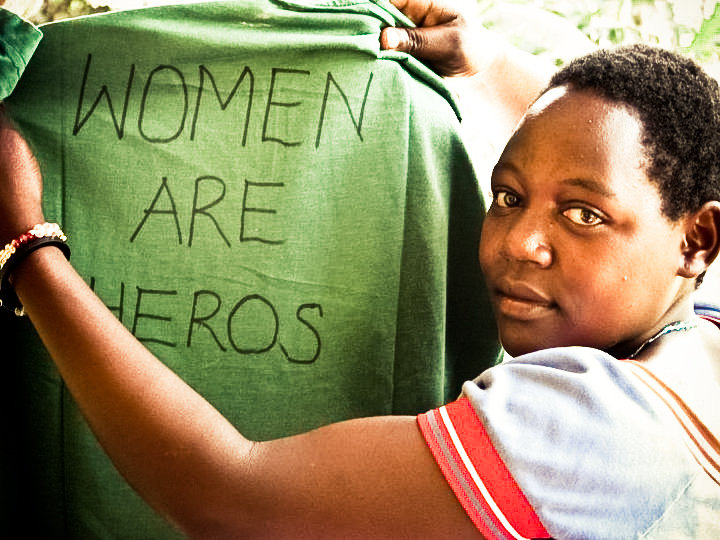
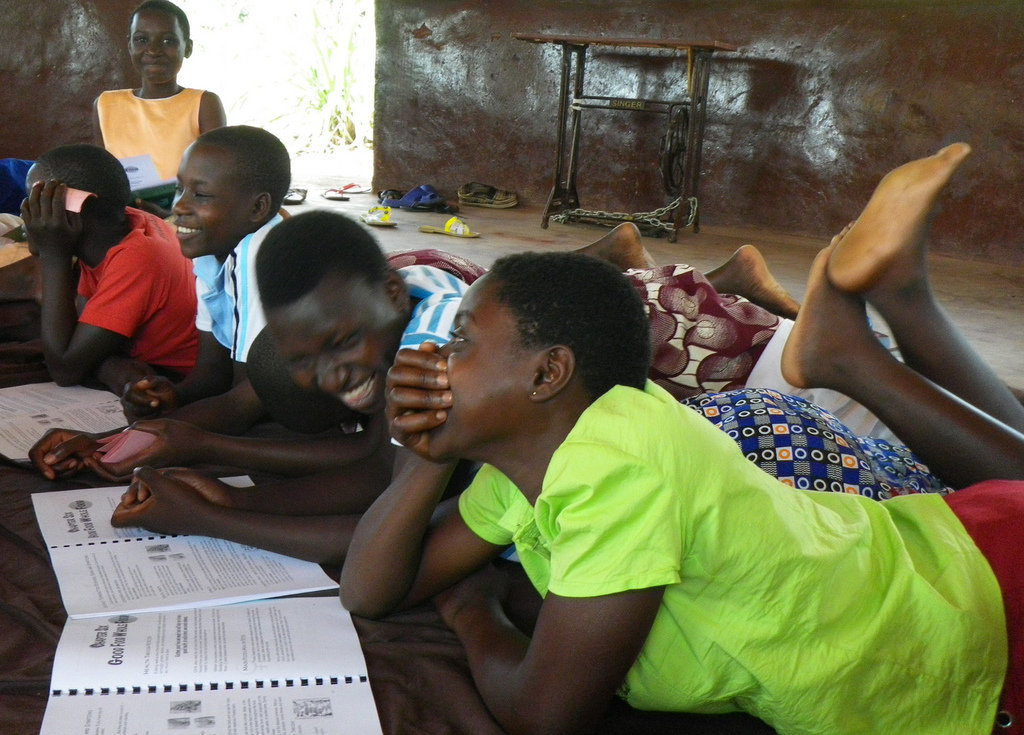
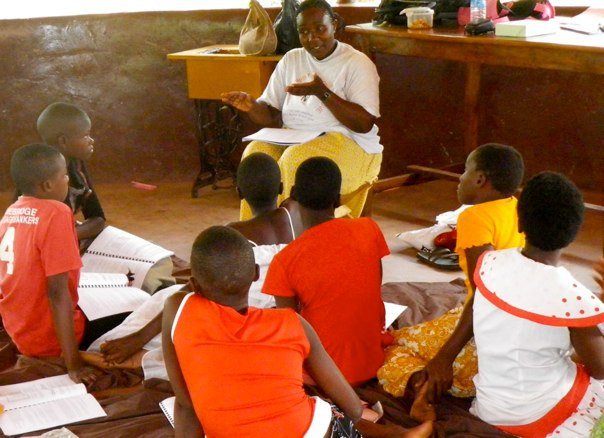
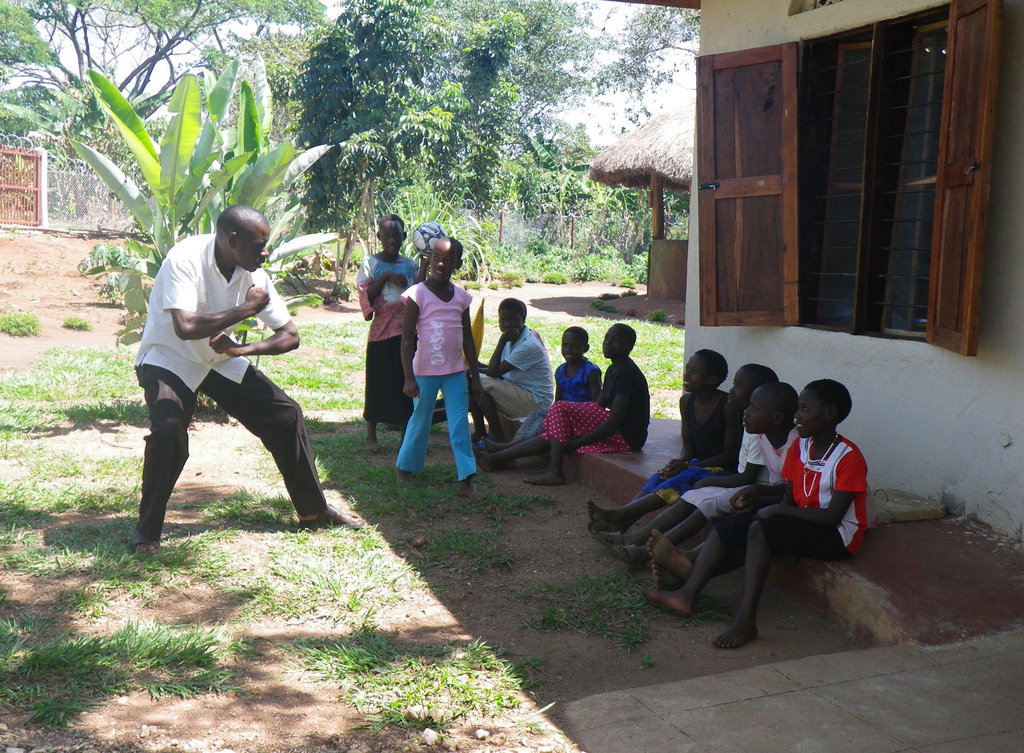
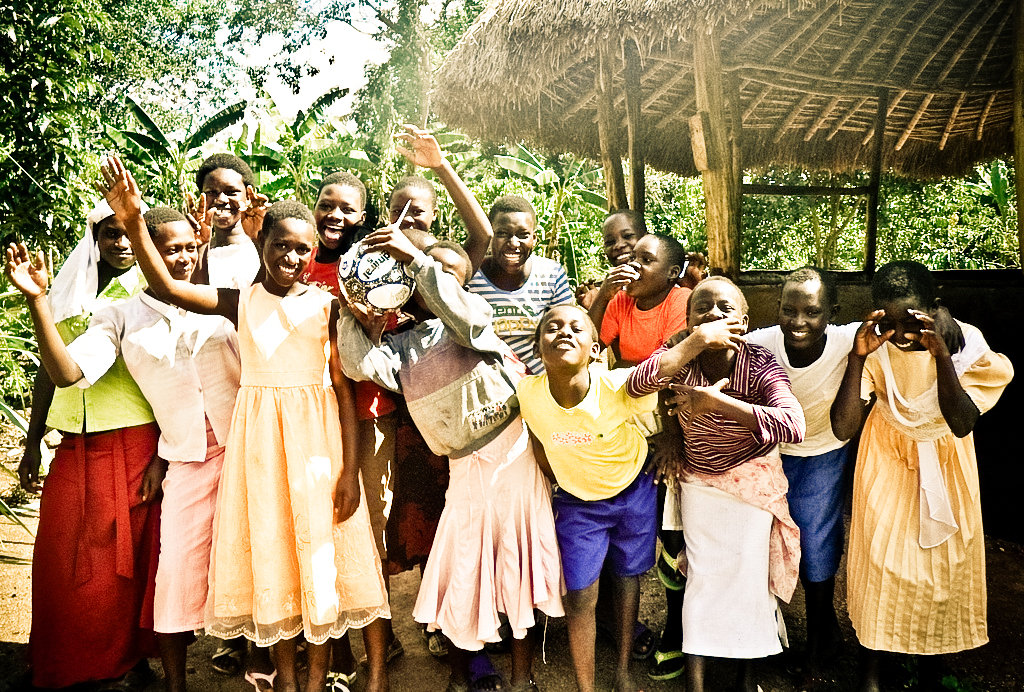
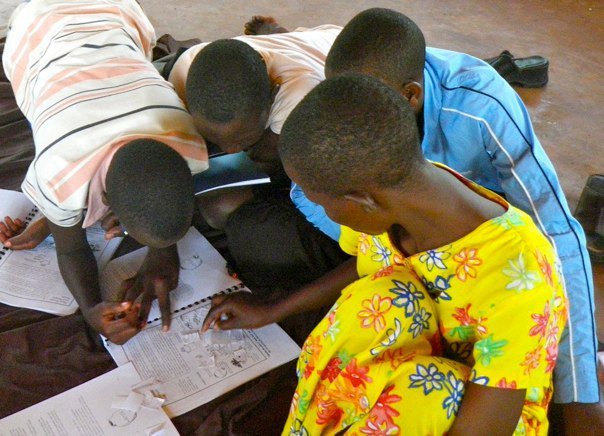
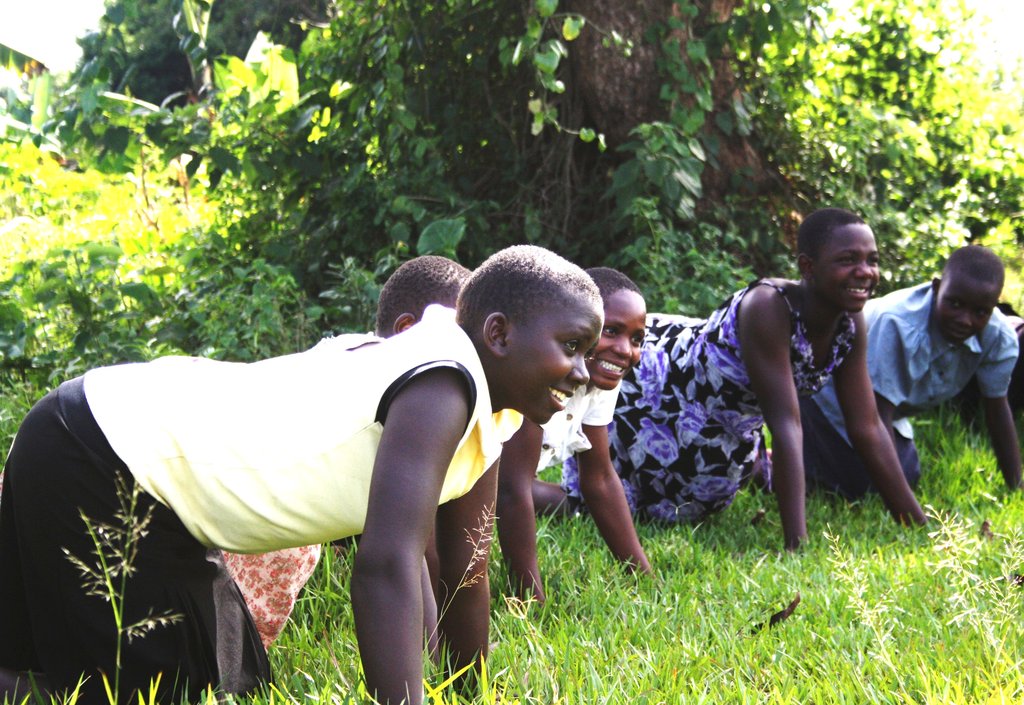
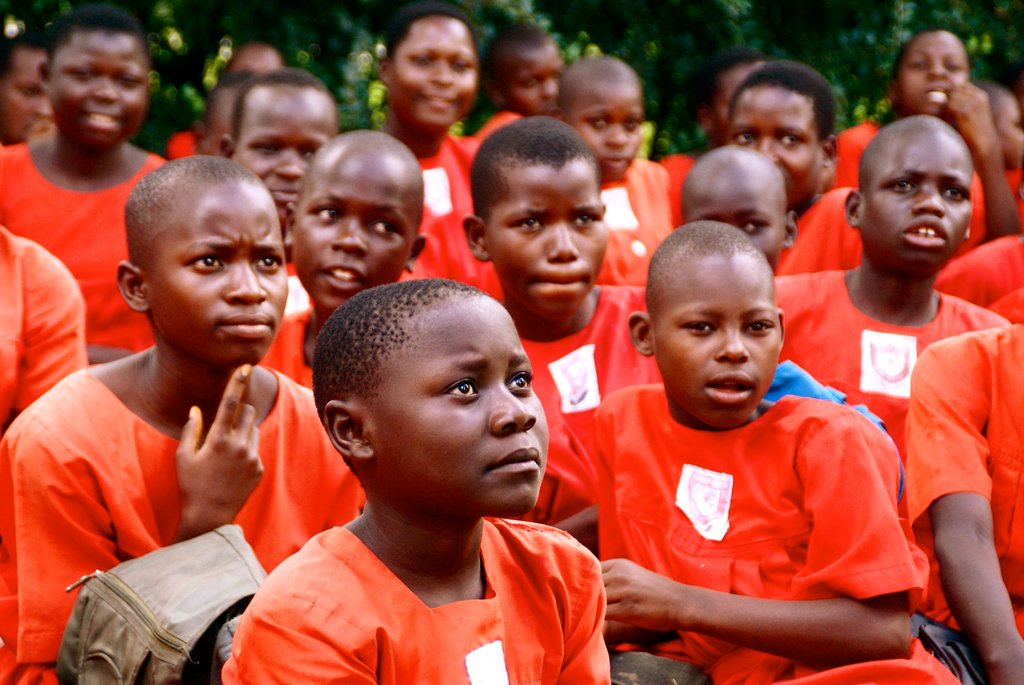
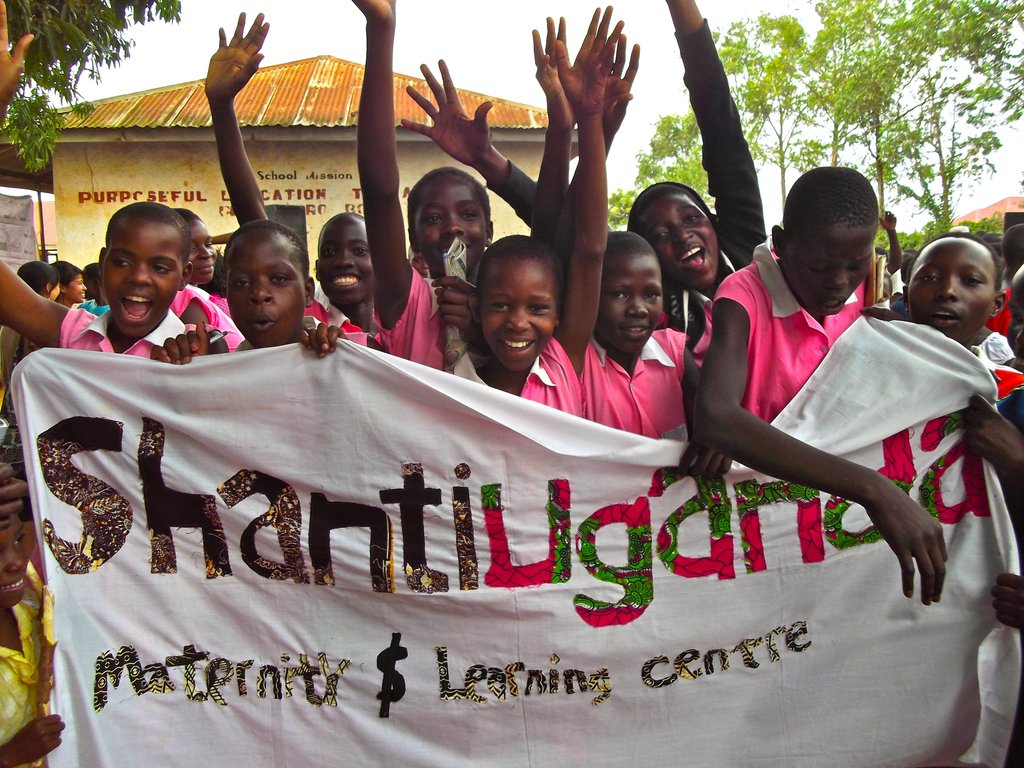
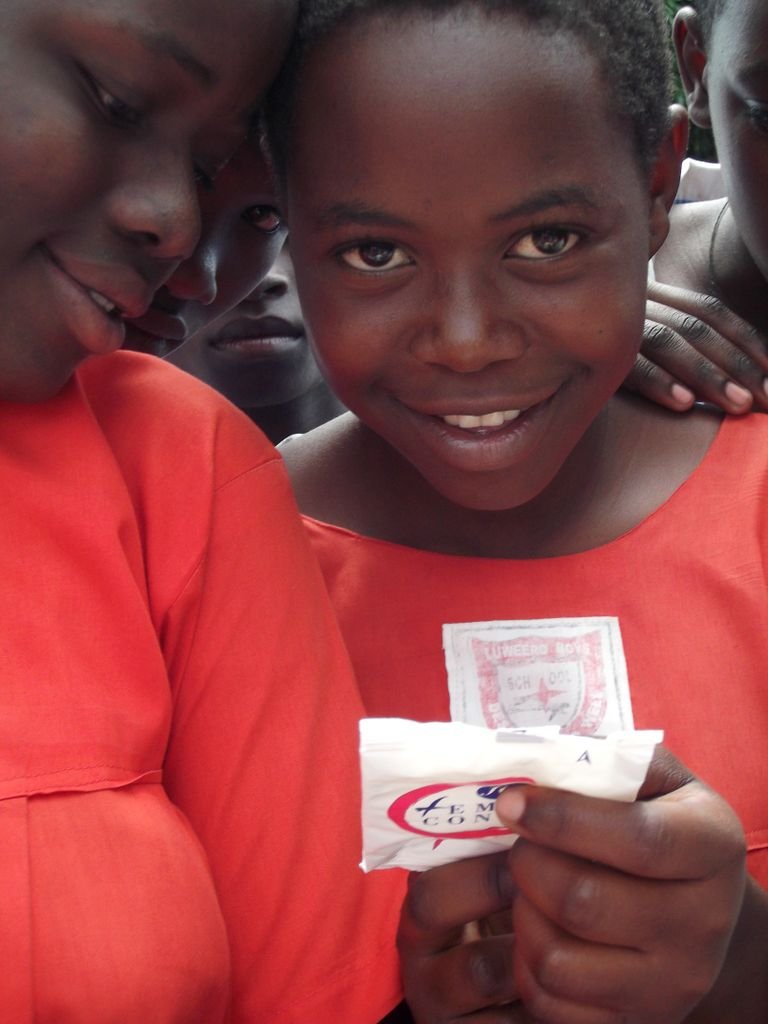
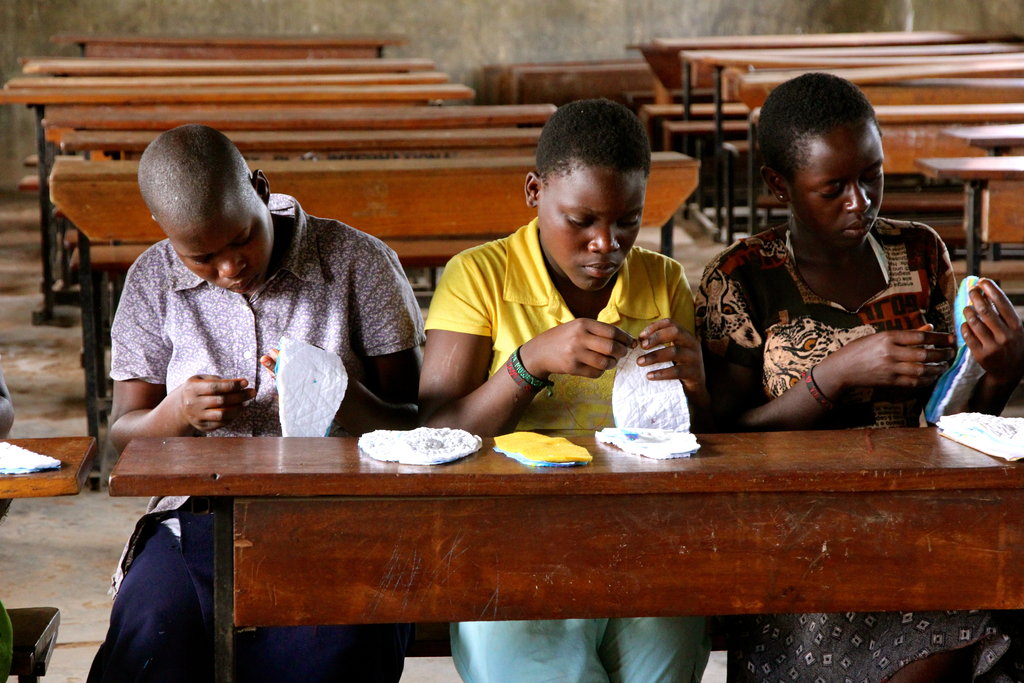
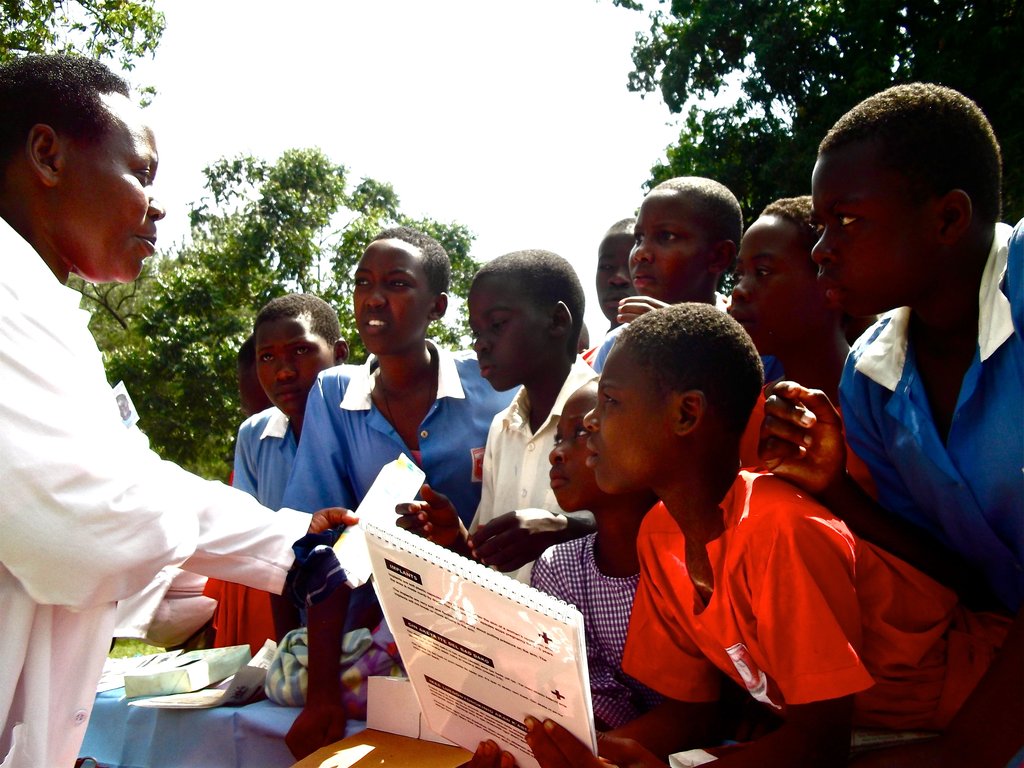
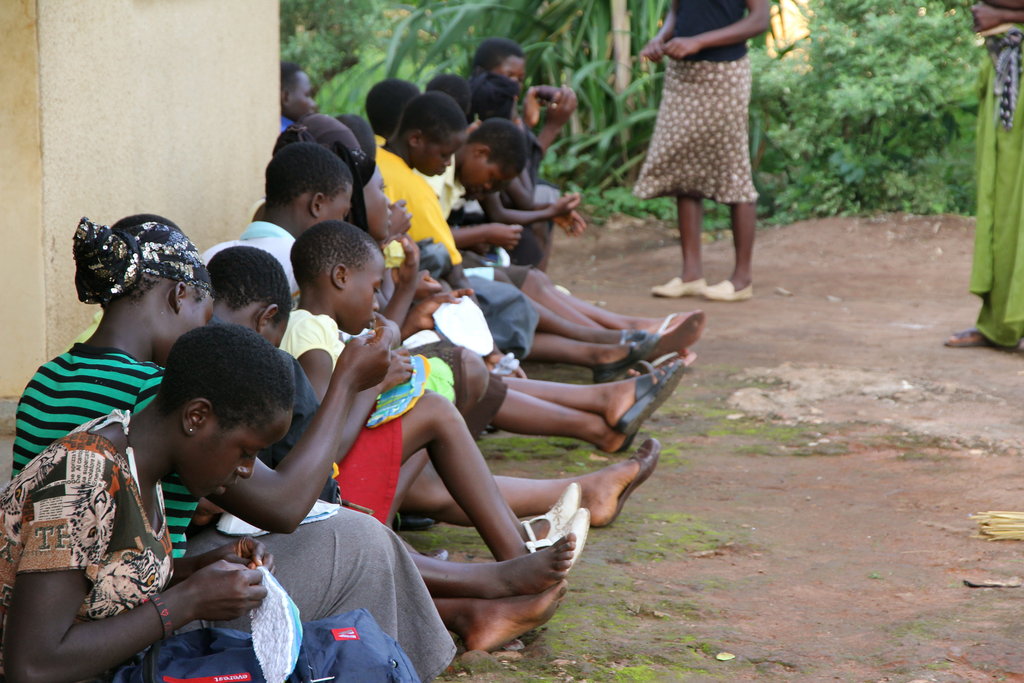
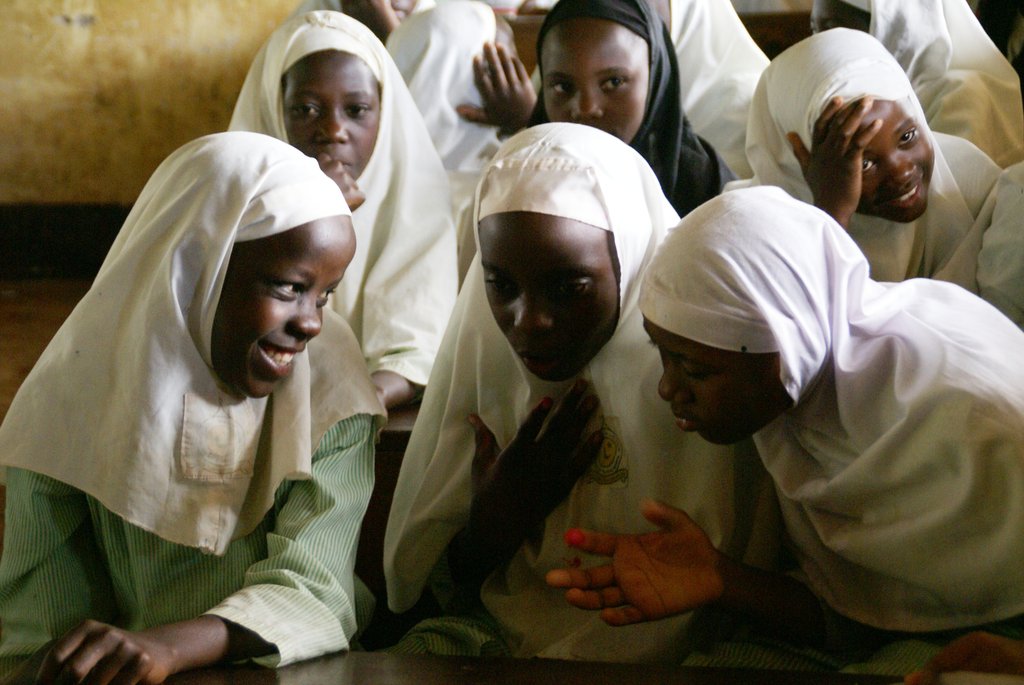
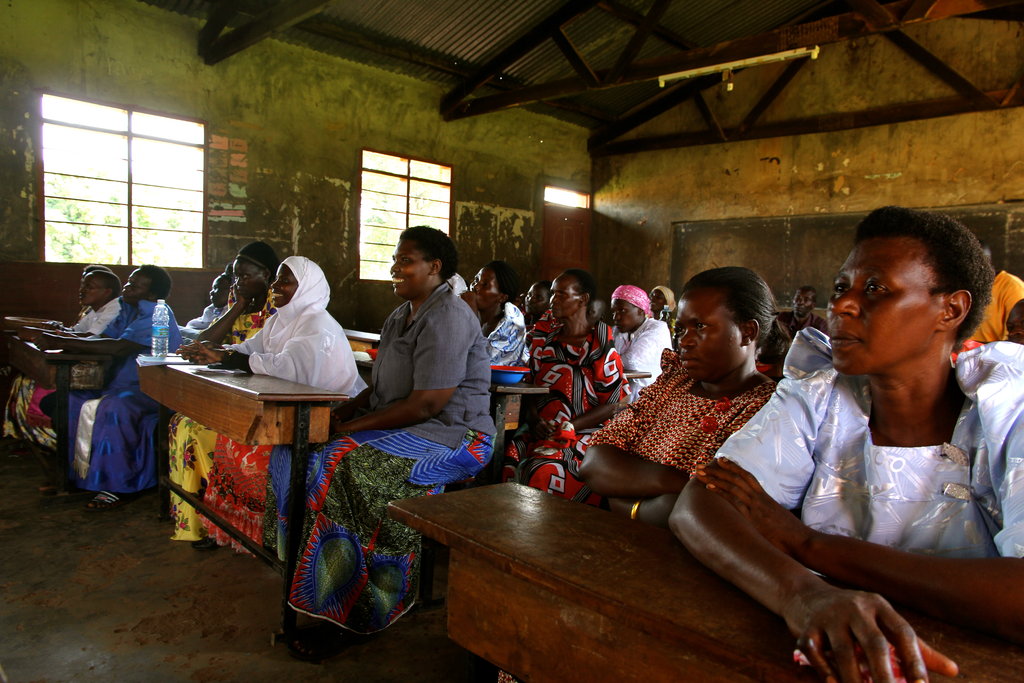
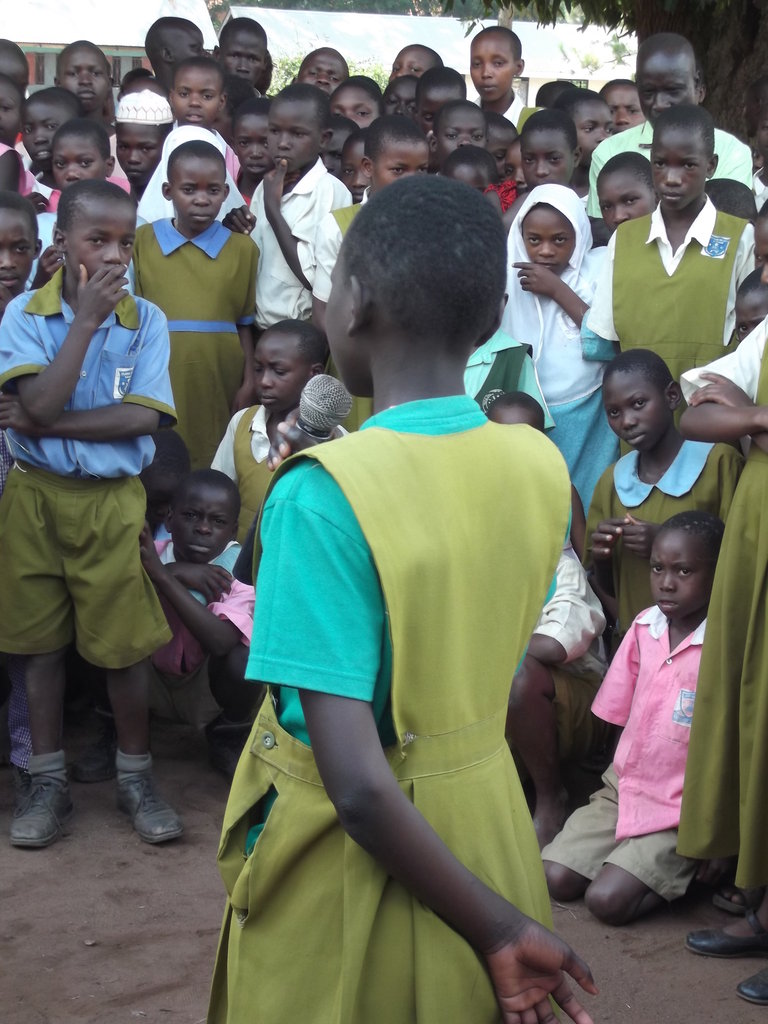
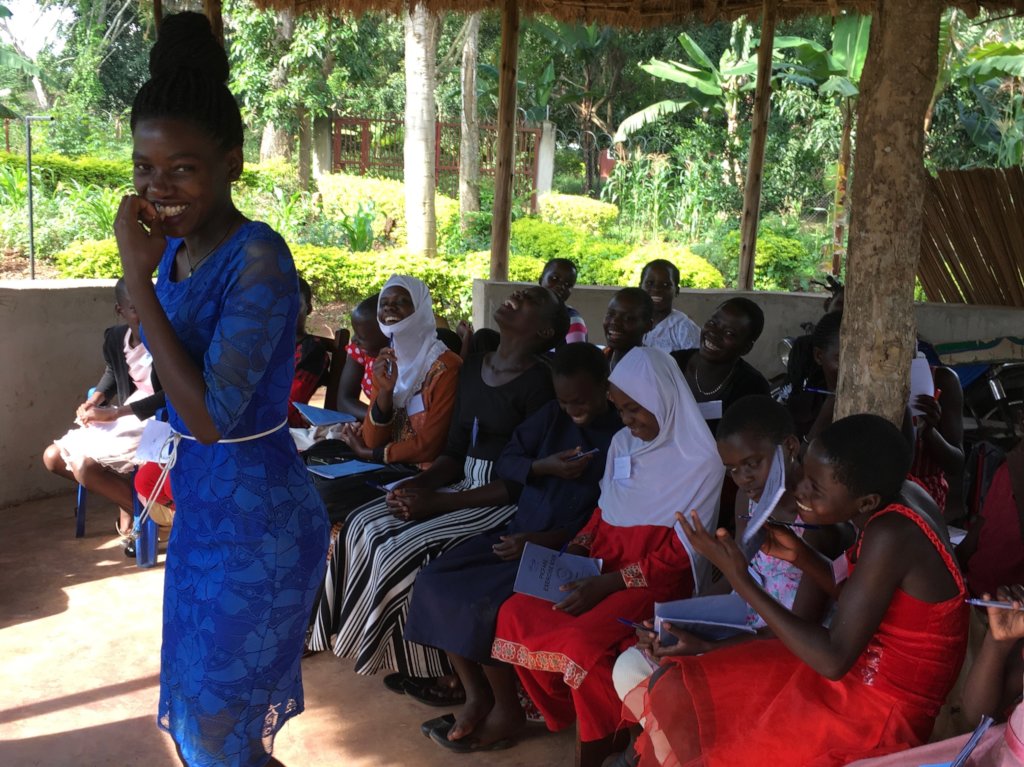
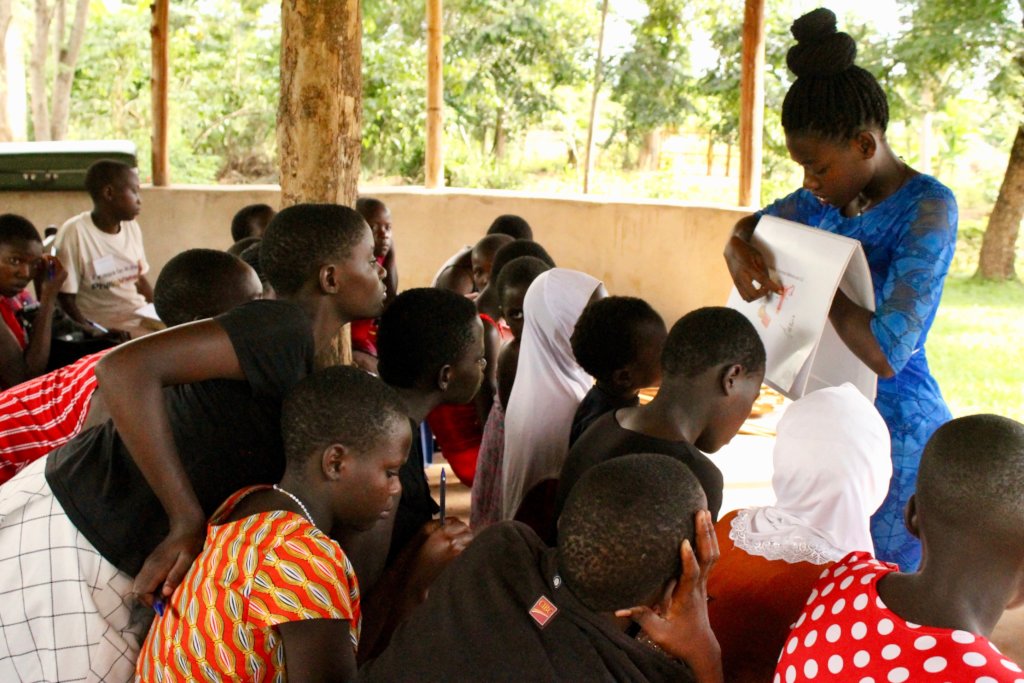
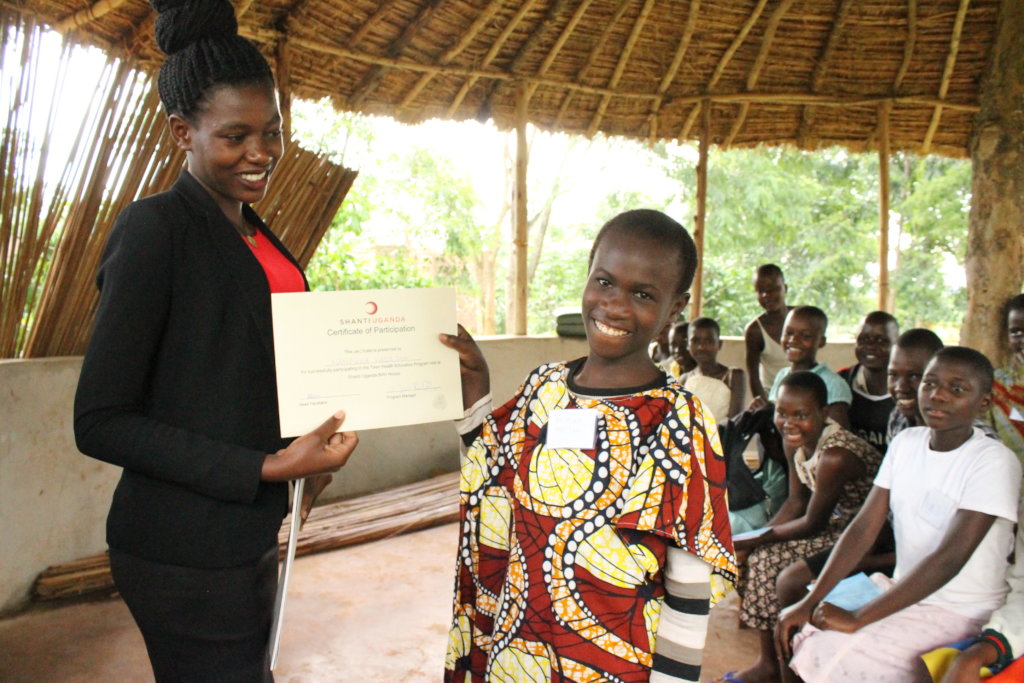
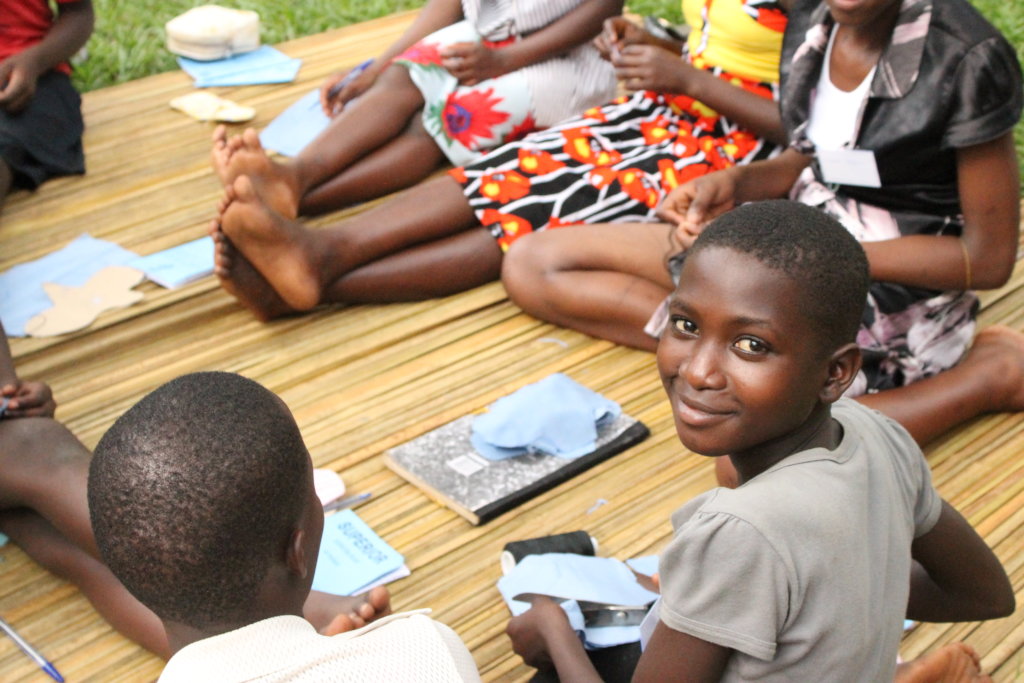
In response to this fact, Shanti Uganda runs a Teen Health Education Program. Offered for teen girls in the surrounding area, this program involves 3 days of classes and discussions that cover reproductive health, family planning, relationships, and gender equality.
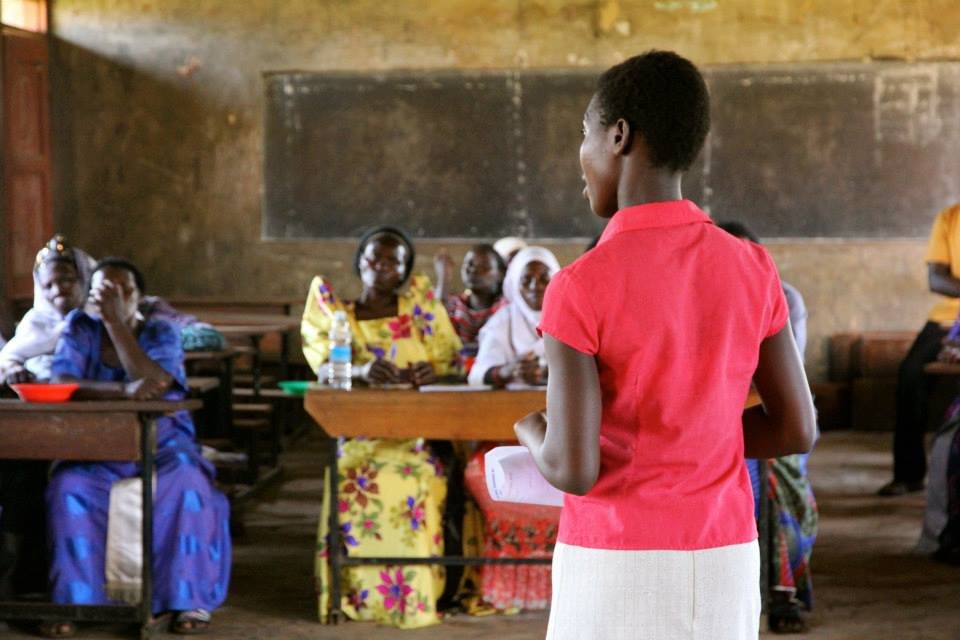
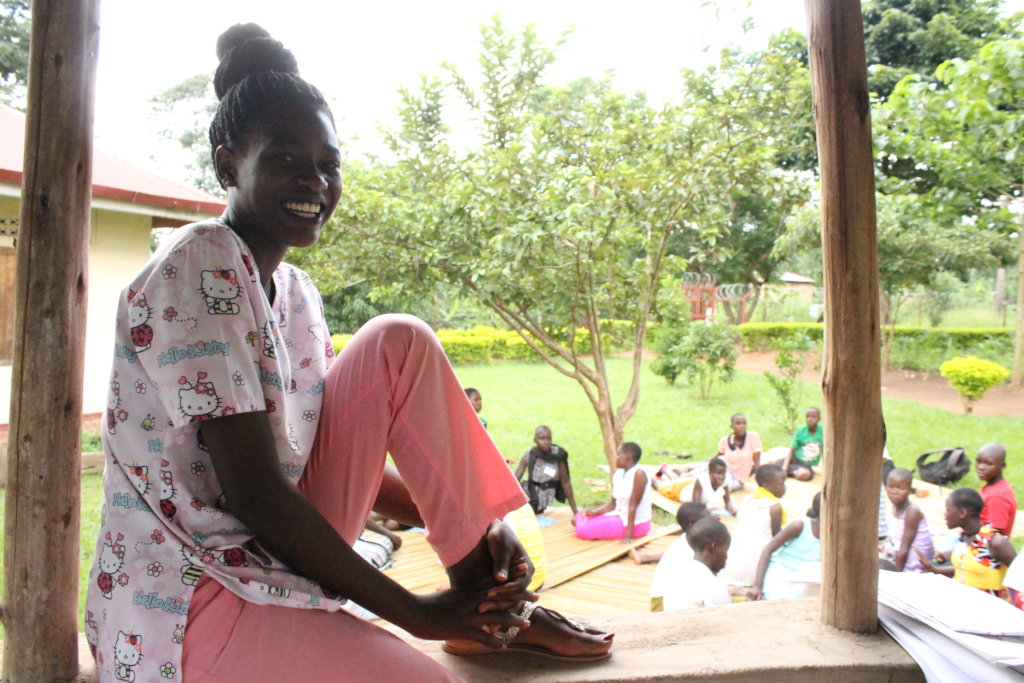
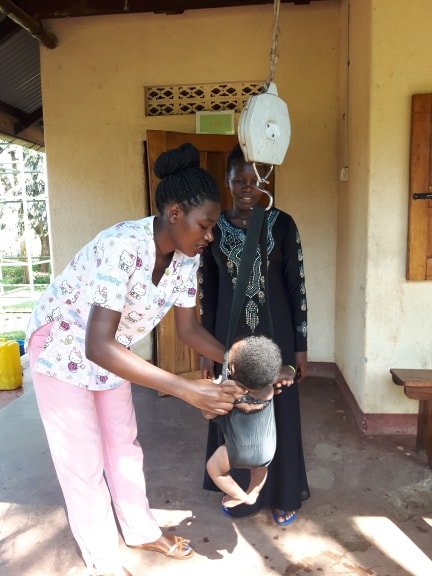
What truly makes the program effective, though, is the staff who run and teach the workshops; staff like Winnie, a young woman herself who takes seriously the education and health of teen girls.
Winnie is Shanti’s youngest midwife. She joined us in 2017 when she was 22 years old and just out of university. However, her education in midwifery started long before school, as Winnie grew up watching her own mother work as a midwife in a local hospital. “She was my mentor,” Winnie says. “She used to teach me. After that, I got the love of going to study midwifery.”
This love undoubtedly shows in her work. At 23 years old she is an intelligent, caring and cheerful asset to the Shanti team. Her story is one that proves how early education and experience, like being surrounded by a love of midwifery, can strongly influence a person’s future.
Now, Winnie is shaping the futures of teen girls in her community. She began leading Shanti’s Teen Health Education Programs three months ago and has completed two so far. “Interacting with these young girls is the best,” she says. “Sometimes they tell you stories—it makes you happy. They tell you…things you don’t even know. You learn from them and they learn from you.”
What Winnie continues to see though, she says, is that “these girls face so many challenges.” She explains that “girls are vulnerable because they can easily be tempted. They can easily fall victims,” and “in the end (a girl) might get a pregnancy at an early age. It can be dangerous to have, and can be dangerous to her life.”
The cases and challenges teen girls in Uganda face are many. Winnie gives a few examples, such as rape, unwanted pregnancies, violence and problems with male friends. UNFPA Uganda’s 2016 report lists similar cases, such as that:
Overcoming these challenges is not a simple matter, but what Winnie believes to be important, and the best thing about the Teen Health Education Program, is an “access to knowledge.” She says:
“There are some girls who come from very deep in the villages who can’t access the knowledge, they cannot even access some services. So when they come here and we teach them these things they get the knowledge, and they know how to handle some cases, how to deal with some people. How to behave as a teenager.”
Winnie thanks knowledge for helping her keep herself safe as a teen girl in Uganda. She says that she did not experience many of the challenges teen girls in Uganda often face, and that she wants to teach the girls “(what I learned) from my school days and the things I used to do, because these girls need to know about this, and I think it could help them learn.”
This she most certainly does. We are so grateful to Winnie for educating so many young women about their reproductive health and rights, and so thankful to all of our supporters for making our Teen Health Education Programs possible.
Thank you for supporting Ugandan girls’ access to knowledge about their health and reproductive rights.
Project reports on GlobalGiving are posted directly to globalgiving.org by Project Leaders as they are completed, generally every 3-4 months. To protect the integrity of these documents, GlobalGiving does not alter them; therefore you may find some language or formatting issues.
If you donate to this project or have donated to this project, you can receive an email when this project posts a report. You can also subscribe for reports without donating.