By Israel Neto | Project Manager
Remembering the project:
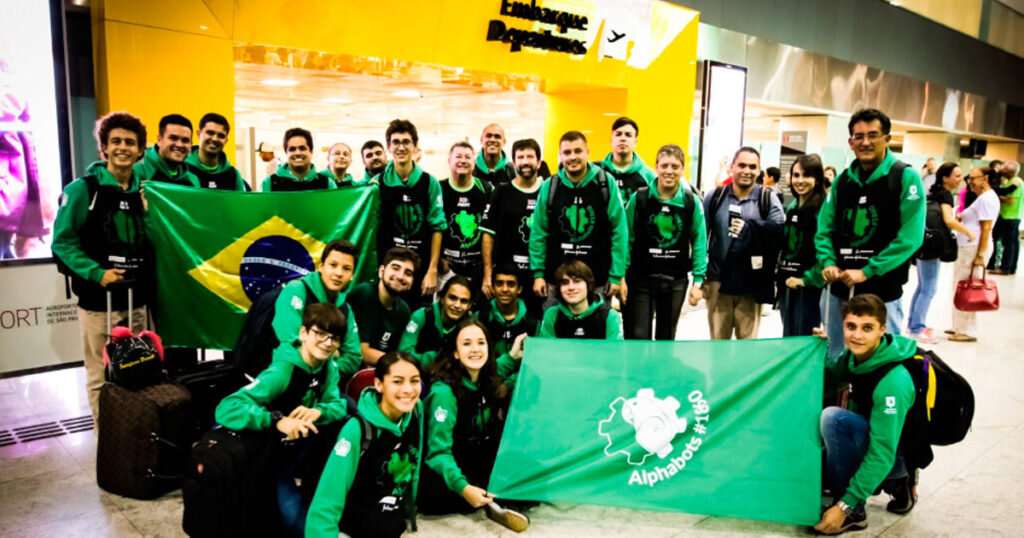
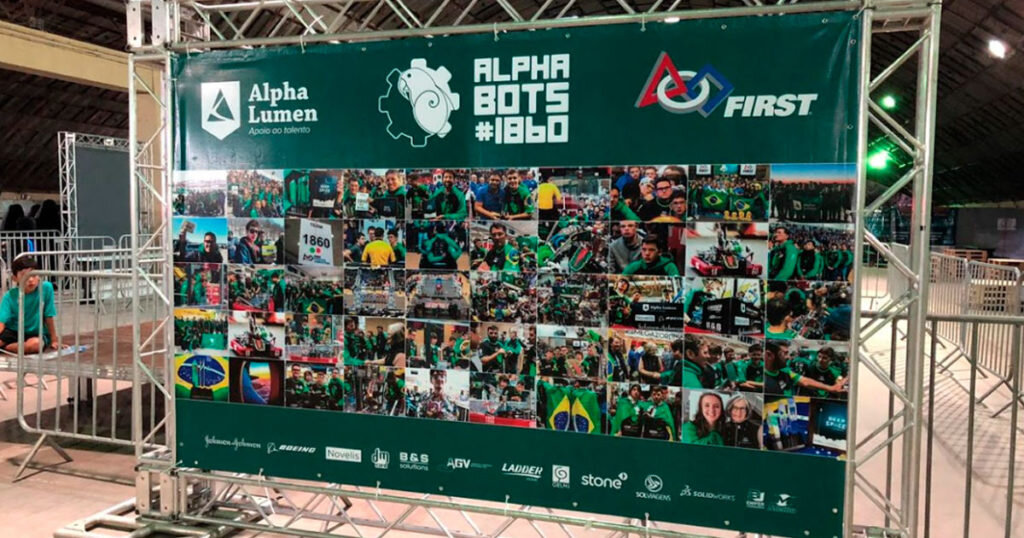
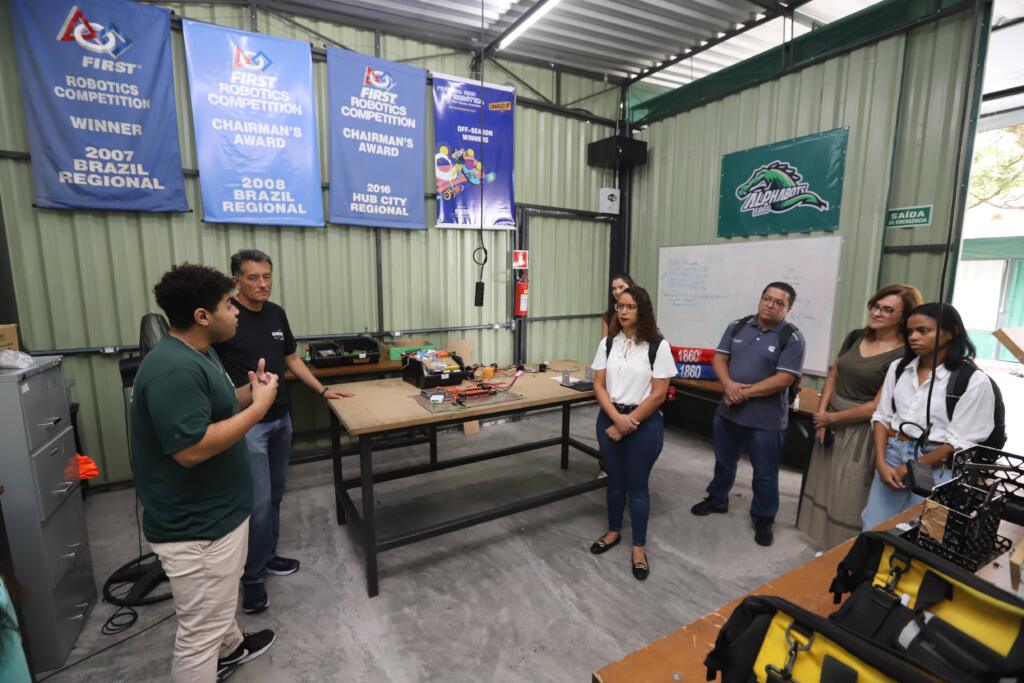
The program aims to combat digital illiteracy, dropout rates and lack of interest in school, inspiring vocations and bringing opportunities to talented students in the area of Robotics and Programming. The project also focuses on a work culture of social values and skills, bringing opportunities to young people and children with high skills, but in situations of social vulnerability and difficult access to Science and Technology.
Activities developed in the project:
Technical abilities
Design and Engineering:
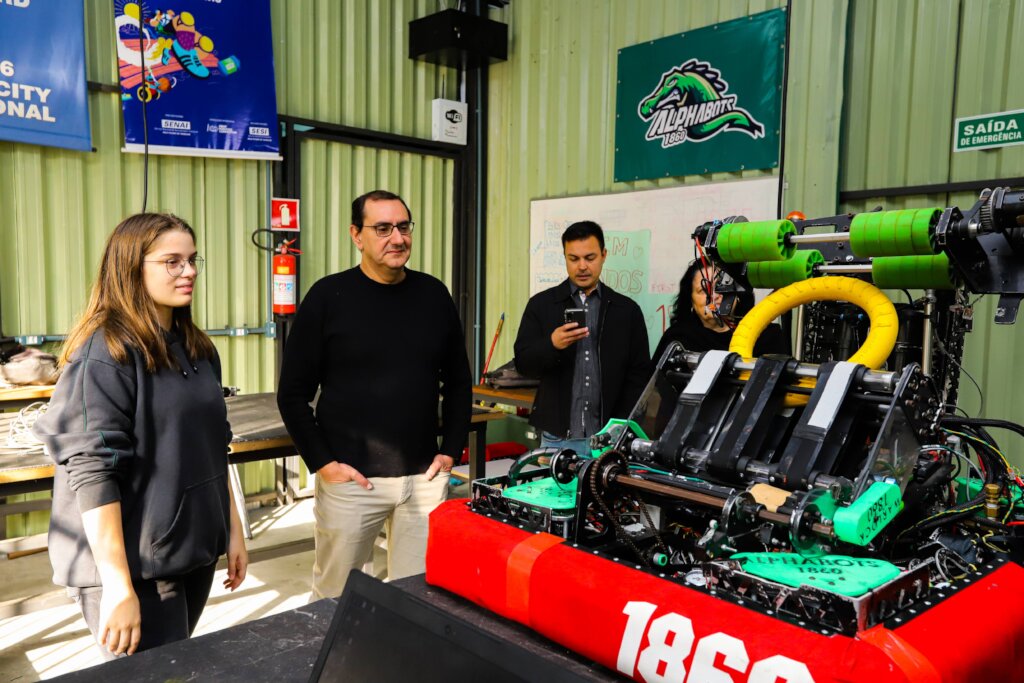
Drawing and Modeling: Use of software to create and adjust the robot design, teaching basic engineering and design concepts.
Prototypes: Construction of prototypes to test ideas before final construction, introducing students to the product development cycle.
Construction and Assembly:
Use of Tools: Handling manual and electrical tools, such as screwdrivers, pliers, saws and drills.
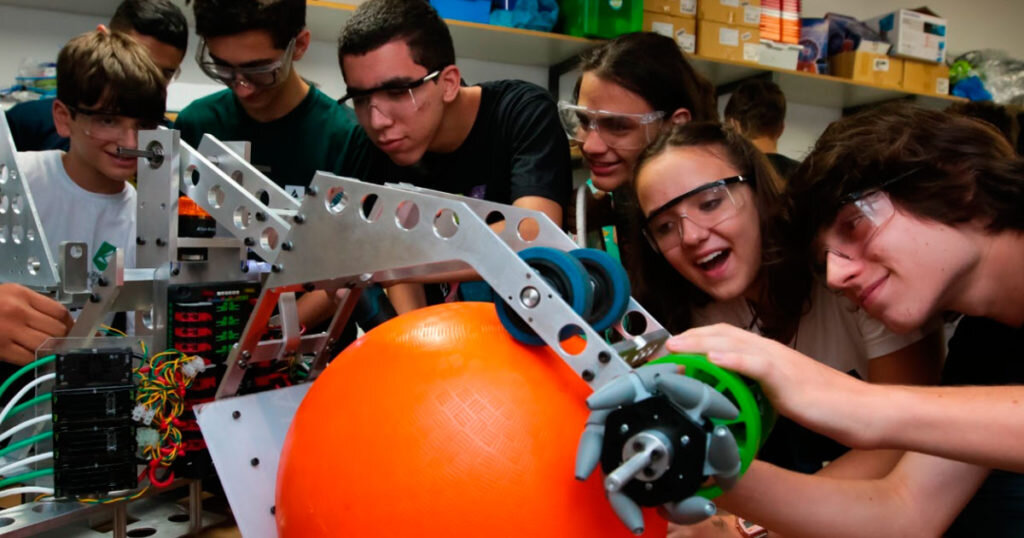
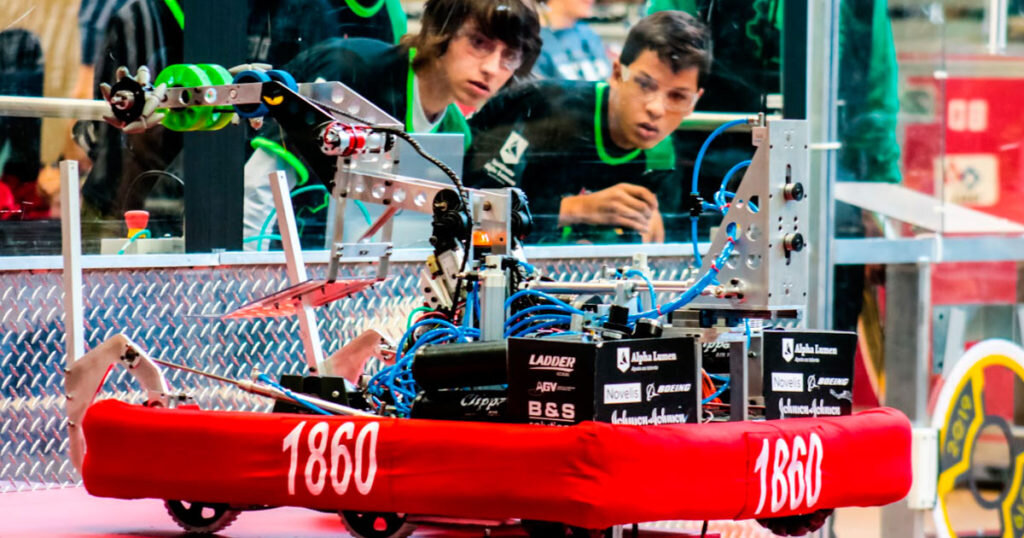
Mechanical Components: Assembling structures, chassis, wheels, gears and other mechanical components, learning about physics and mechanics.
Electronics and Programming:
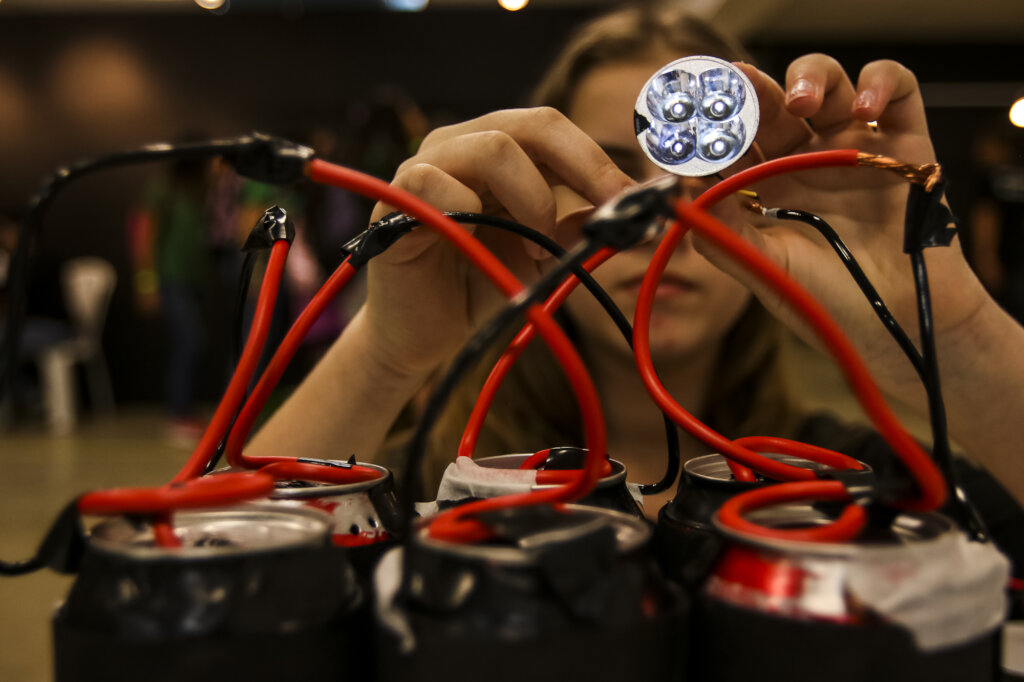
Basic Circuits: Connecting sensors, motors and controllers, learning the fundamentals of electronics.
Programming: Development of software to control the robot, using beginner-friendly languages such as Python or visual programming blocks.
Integration: Integration of hardware and software to ensure the robot works correctly.
Analytical Skills
Planning and Strategy:
Project Management: Planning tasks and schedules, learning about time and resource management.
Problem Analysis: Identification and resolution of technical problems, developing critical and analytical thinking skills.
Tests and Adjustments:
Debugging: Systematic testing of the robot to identify and correct faults, learning the importance of accuracy and testing.
Fine Adjustments: Making adjustments to optimize the robot's performance, promoting a mentality of continuous improvement.
Teamwork Skills
Collaboration:
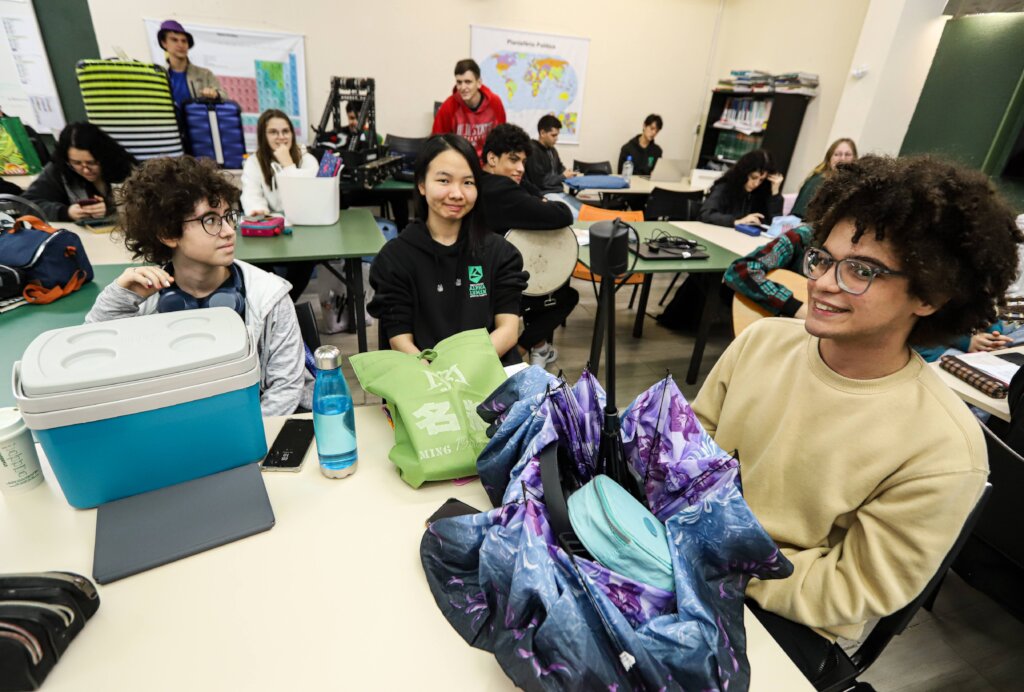
Group Work: Collaboration with other team members, leveraging varied skills and knowledge.
Communication: Clear and efficient communication within the team to coordinate activities and share information.
Conflict management:
Conflict Resolution: Development of skills to resolve disagreements and conflicts within the team.
Decision Making: Making collective decisions to move forward with the project and solve problems.
Additional Knowledge
STEM Skills:
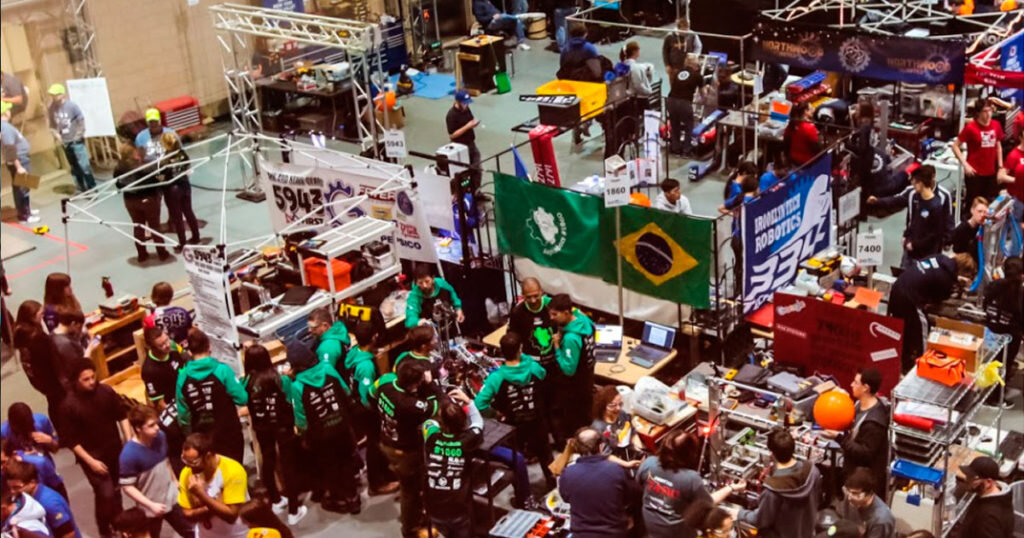
Science, Technology, Engineering and Mathematics (STEM): Practical application of STEM concepts in a real robot construction and competition context.
Personal development
Resilience:
Perseverance: Learning to deal with failures and frustrations, developing the ability to persevere in the face of challenges.
Innovation and Creativity:
These activities not only teach technical and analytical skills, but also promote teens' personal and professional development, preparing them for future careers in fields related to engineering, computer science, robotics, and other STEM disciplines. Furthermore, these experiences encourage curiosity, innovation and teamwork, essential skills for success in the 21st century.
Links:
Project reports on GlobalGiving are posted directly to globalgiving.org by Project Leaders as they are completed, generally every 3-4 months. To protect the integrity of these documents, GlobalGiving does not alter them; therefore you may find some language or formatting issues.
If you donate to this project or have donated to this project, you can receive an email when this project posts a report. You can also subscribe for reports without donating.



Support this important cause by creating a personalized fundraising page.
Start a Fundraiser