By Abraham Raymond Greg. | Programme Assistant
Building a More Responsive and Inclusive Learning Experience
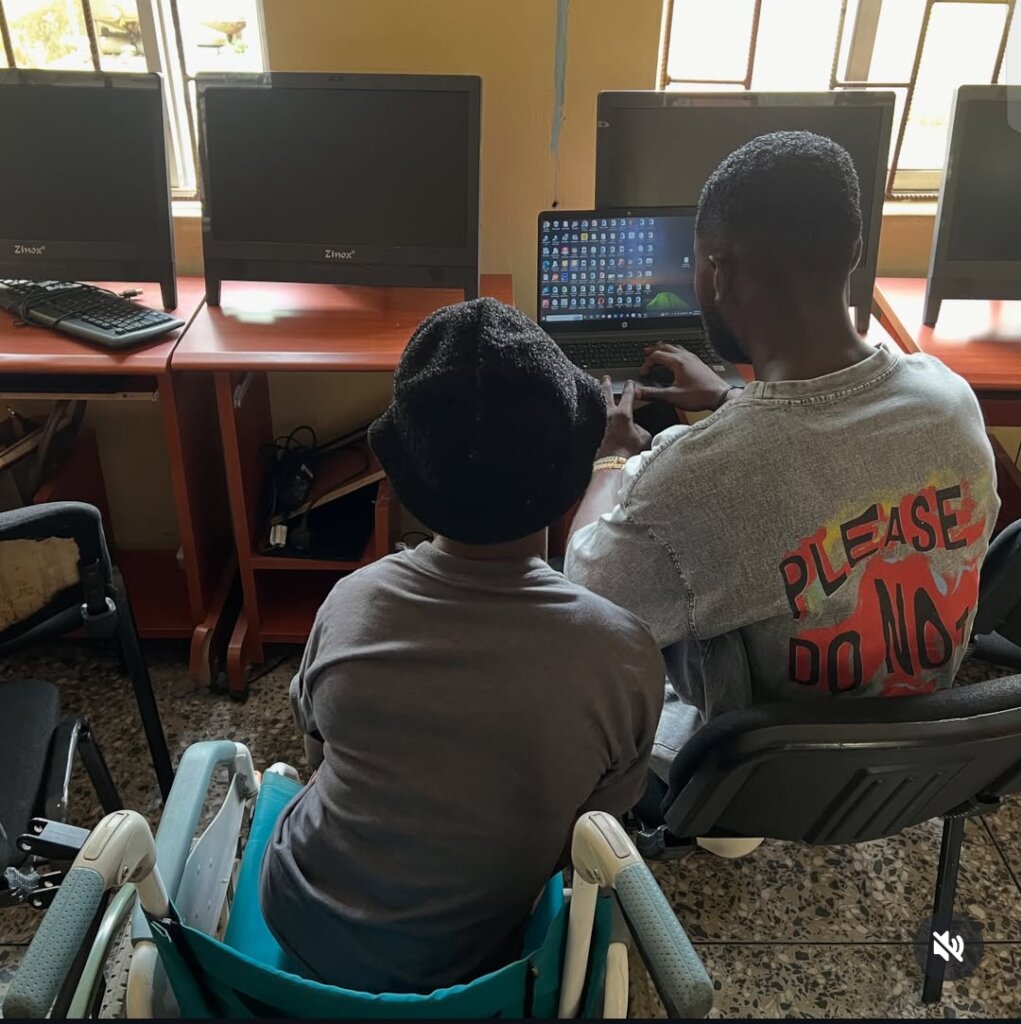
Over the last three months, IT4ALL has been a period of both learning and growth. While we continued providing digital learning opportunities for individuals with Intellectual and Developmental Disabilities (IDD), we also took a closer look at how the programme is working for our learners and what we can do differently to improve their experience.
With 21 learners participating during the reporting period, we observed that learners have different abilities, interests, learning speeds, and levels of support required. This experience has reinforced an important lesson for us: inclusive technology programmes cannot rely on a one-size-fits-all approach.
As a result, we have been actively restrategizing IT4ALL to make the programme more flexible, learner-centred, and responsive to individual needs.
What We Have Seen So Far
One of the encouraging developments has been the growing confidence of learners when interacting with technology. Approximately 70% of participants are now more confident using the mouse, keyboard, and touchscreen, while others continue to receive additional guidance and practice.
For us, this progress goes beyond learning how to operate a computer. Increased confidence with technology is helping learners become more willing to explore, attempt new activities, communicate their ideas, and participate in learning sessions.
Making Learning More Engaging
We are also expanding the types of digital tools used during sessions.
The introduction of GCompris has provided learners with a wider range of interactive activities covering areas such as computer discovery, reading, numeracy, memory, colours, shapes, and problem-solving. This gives facilitators more options to identify activities that match individual learners' abilities and interests.
Similarly, Typing Land has been introduced to support learners who are ready to develop keyboard and typing skills. Learners are being introduced to the platform progressively, based on their readiness rather than following a fixed timeline.
Hands-on activities such as puzzles, matching exercises, and drag-and-drop tasks also remain an important part of sessions. These activities allow learners to develop concentration, coordination, problem-solving, patience, and confidence while interacting with technology.
Learning From Our Learners
Our annual evaluation provided an opportunity to step back and assess the programme beyond participation numbers.
Feedback and observations from facilitators, caregivers, and other stakeholders pointed to improvements in areas such as:
Interest in technology-based activities
At the same time, the evaluation helped us recognize areas where our approach needs to improve. Some learners require more time, repetition, individualized instruction, or alternative activities before they can fully engage with certain digital tools.
These findings are influencing how we are now planning and delivering IT4ALL.
From Challenges to Continuous Improvement
A major change introduced during this period is the establishment of monthly IT4ALL check-in meetings.
These meetings allow the team to regularly discuss what is happening during sessions, identify challenges early, review learner progress, and agree on practical solutions.
Instead of waiting for challenges to accumulate before responding, the team now has a structured opportunity each month to ask:
What is working? What is not working? What does each learner need? And what can we change?
This approach is helping us make IT4ALL a more adaptive programme.
Creating More Ways for Every Learner to Participate
As part of the restrategization, we are also putting additional systems and resources in place to support participation.
We are working towards having more digital learning systems, educational tools, adaptive approaches, and individualized activities available so that learners who may struggle with one method can have alternative ways to engage.
Our intention is not simply to increase the number of learners who use technology, but to ensure that every learner has a meaningful opportunity to participate and make progress.
This is particularly important in an inclusive learning environment where two learners may be working toward the same goal but require completely different approaches to get there.
What Comes Next
The next phase of IT4ALL will build on what we have learned during this period.
We will continue to strengthen the curriculum, expand the range of learning tools available, improve individual learner support, and use our monthly check-ins to respond quickly to emerging challenges.
Most importantly, we will continue listening to our learners, caregivers, and facilitators and using their experiences to shape the programme.
For us, restrategizing IT4ALL is not simply about changing activities. It is about creating a programme that can adapt to the learner rather than expecting every learner to adapt to the programme.
With continued support, we can provide more inclusive pathways for children and young people with Intellectual and Developmental Disabilities to explore technology, develop confidence, build practical skills, and participate more fully in the digital world.
Links:
Project reports on GlobalGiving are posted directly to globalgiving.org by Project Leaders as they are completed, generally every 3-4 months. To protect the integrity of these documents, GlobalGiving does not alter them; therefore you may find some language or formatting issues.
If you donate to this project or have donated to this project, you can receive an email when this project posts a report. You can also subscribe for reports without donating.


Support this important cause by creating a personalized fundraising page.
Start a Fundraiser