By Bill Brower | GlobalGiving Field Program Officer
Bill Brower is a Field Program Officer with GlobalGiving who is visiting our partners’ projects throughout South and Southeast Asia. On March 10 he visited two schools in Ilocos Sur that are participating in the NATCCO student saving program, as well as one of the participating co-ops. His “Postcard” from the visit:
According to Lasalette, head of NATCCO’s Aflatoun initiative, only one in ten Filipinos save money in a bank. In some rural areas, people think if you save you’ll get sick, believing in a “curse of the piggy bank”. NATCCO seems particularly wise, therefore, to focus on getting students in to the habit of saving at a young age.
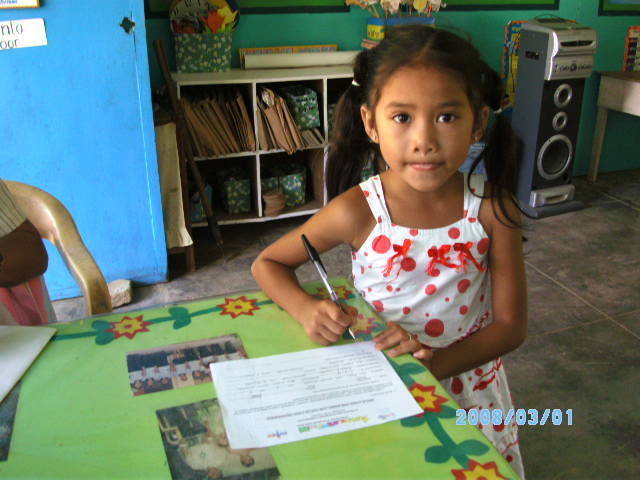
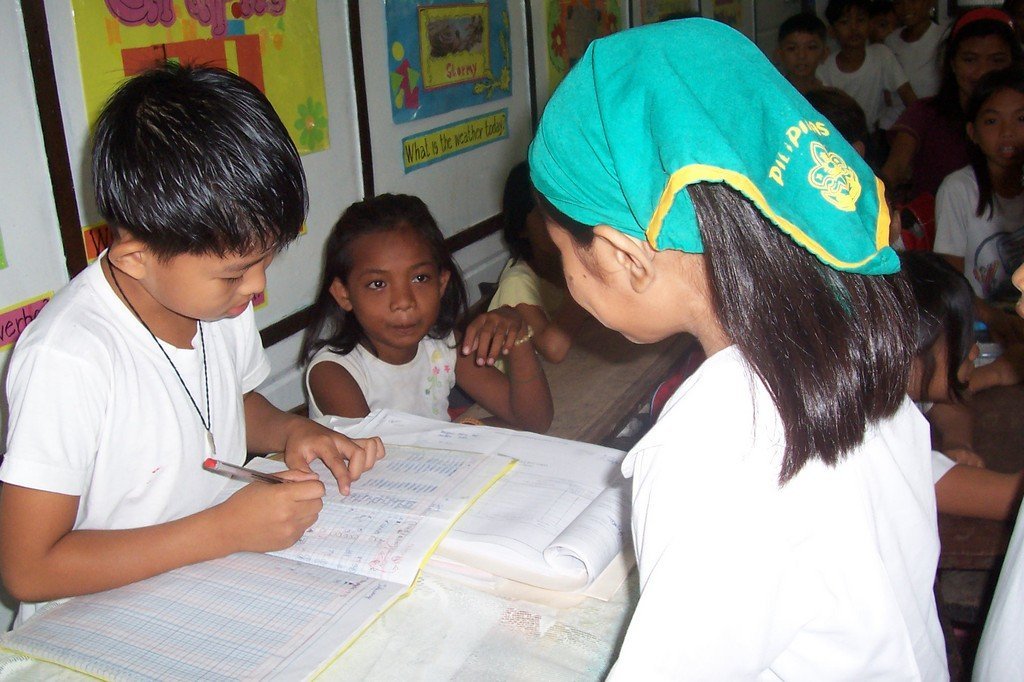
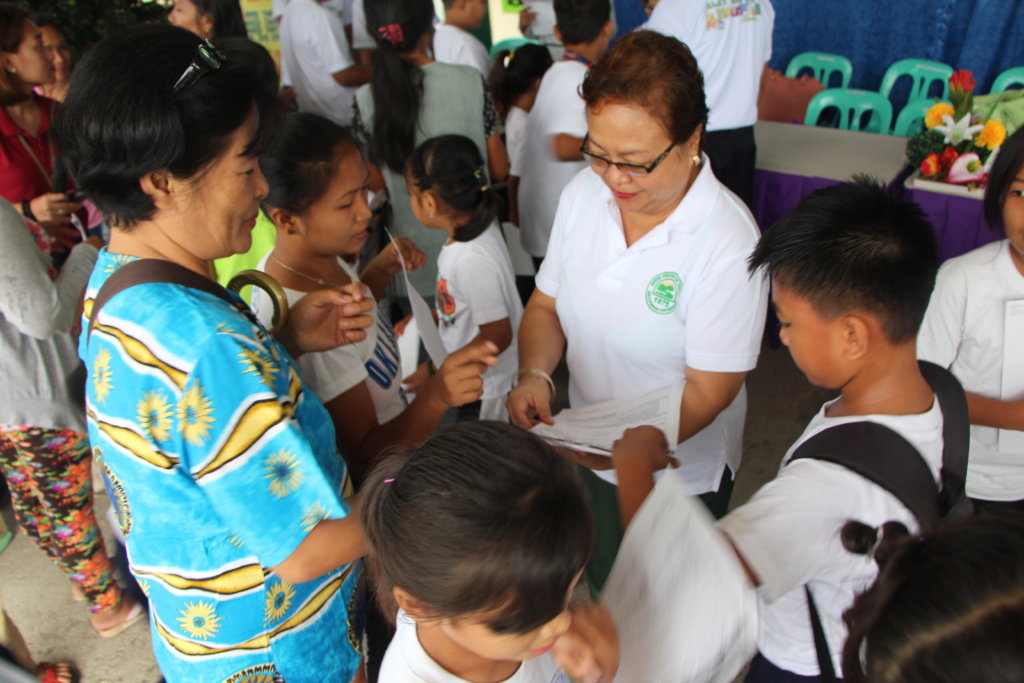
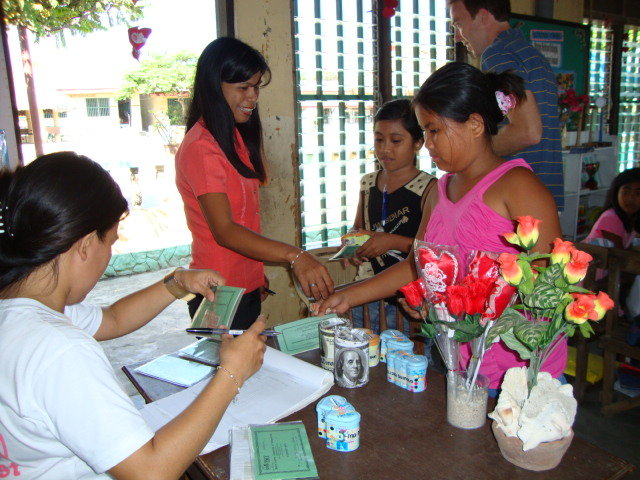
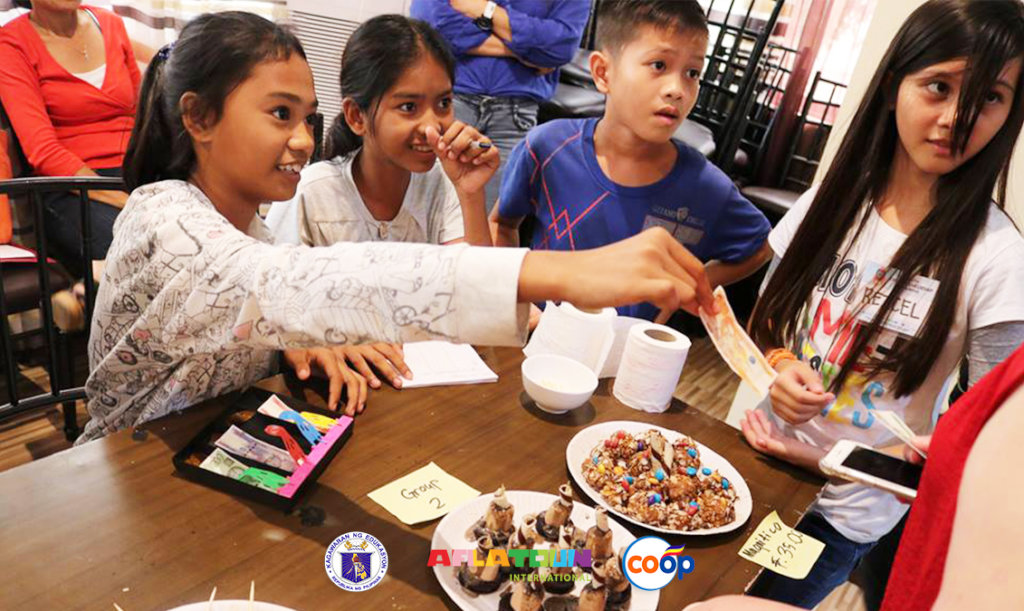
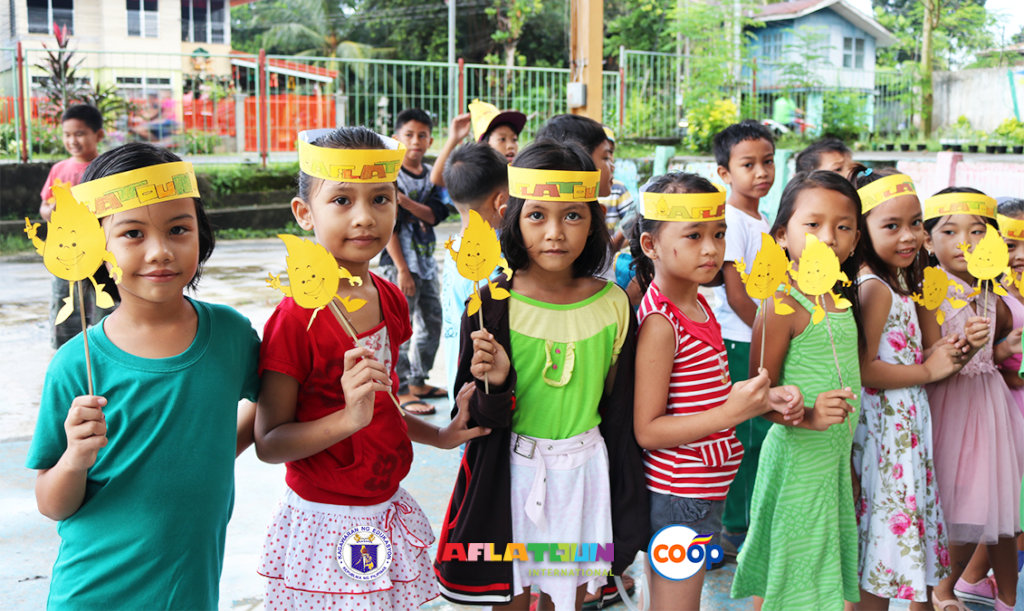
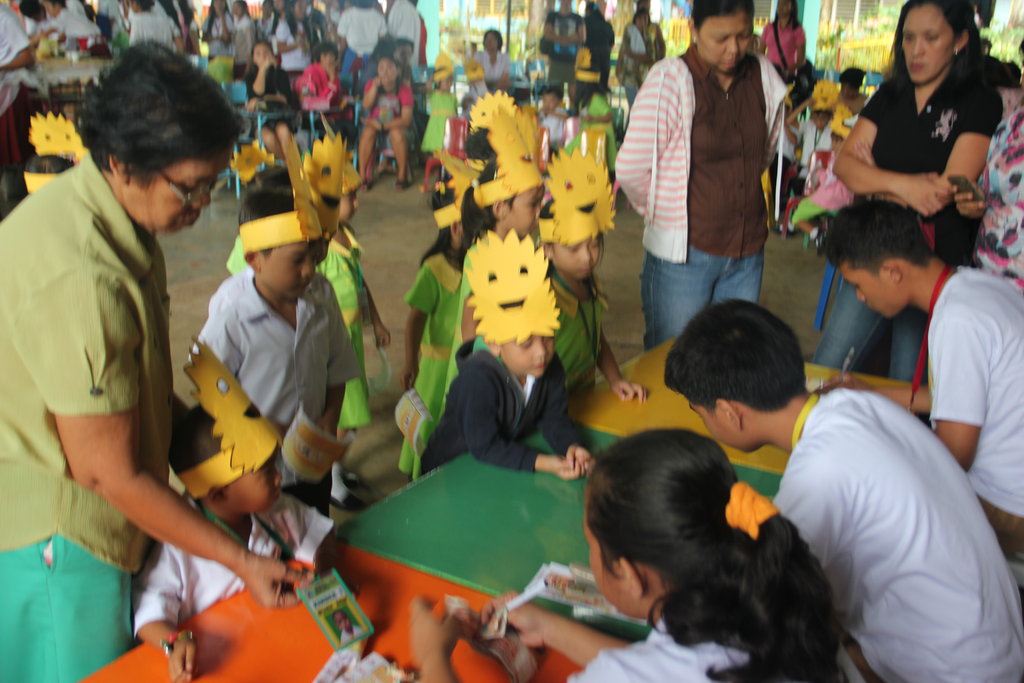
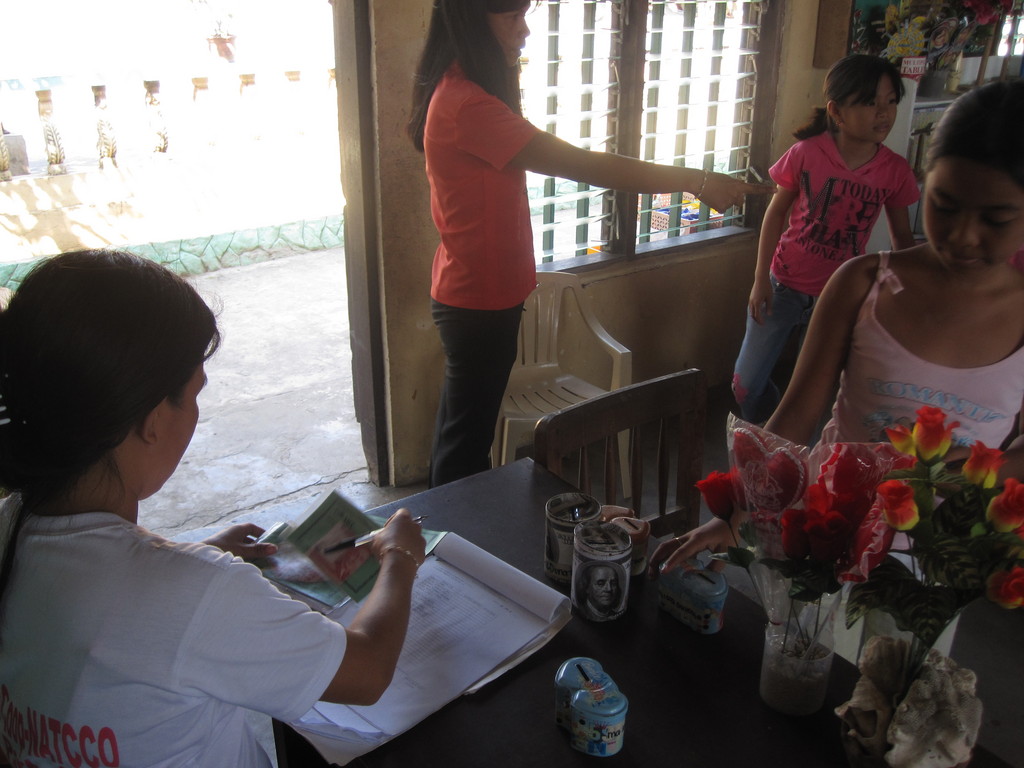
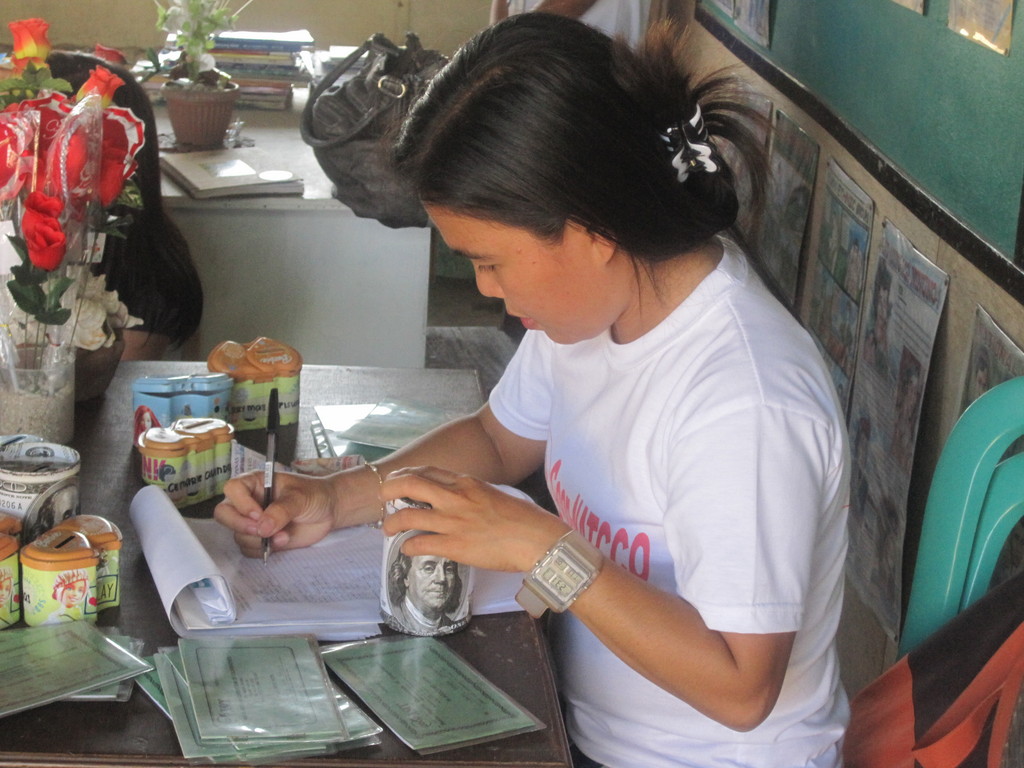
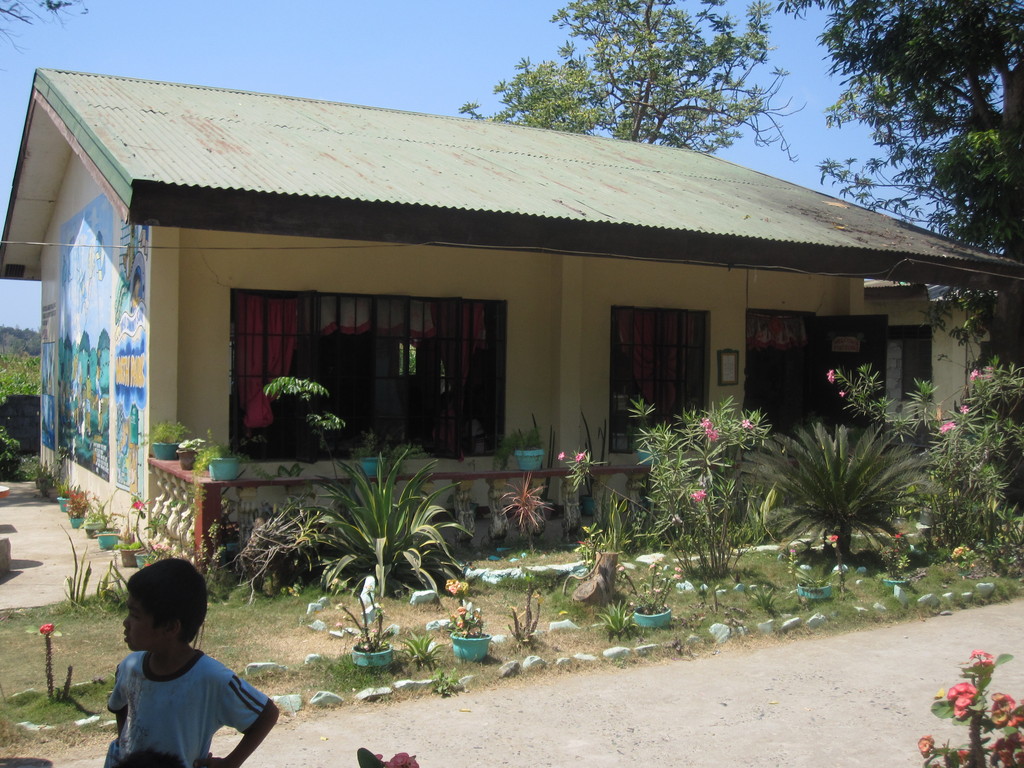
With Lasalette and Hazel from NATCCO, I visited two schools currently participating in their school savings program. Collectors come once a week to these classrooms and gather the money students have saved and record it meticulously in their co-op passbooks. In the classes we visited, the majority of students had some money to deposit, which they handed in in small tin containers (many designed with fittingly aspirational images of U.S. $100 bills). Lasalette said this money came mostly from allowances and birthday gifts. Those who didn’t deposit either don’t have spare money or they or their parents choose not to participate, she said.
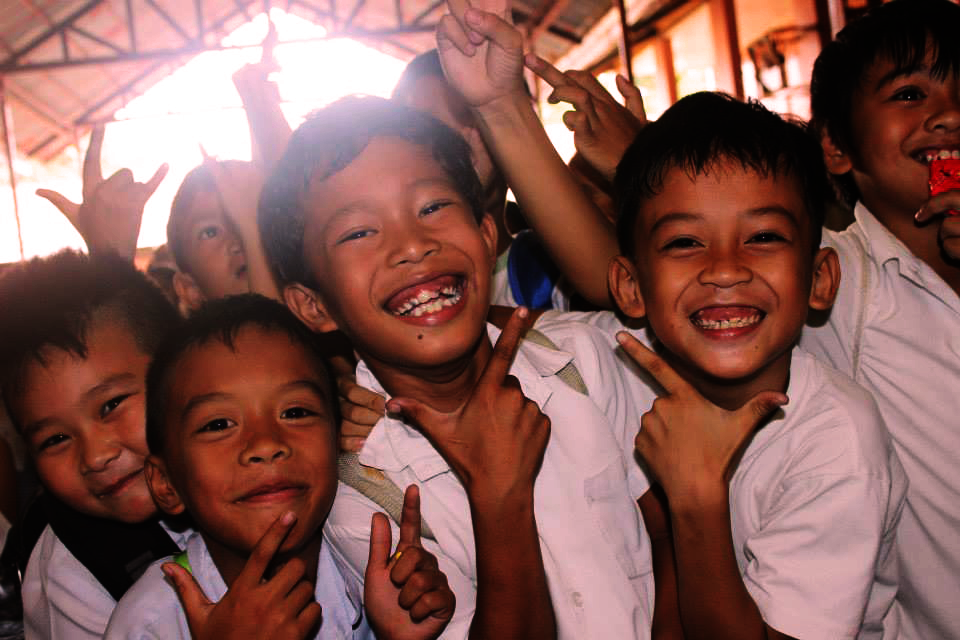
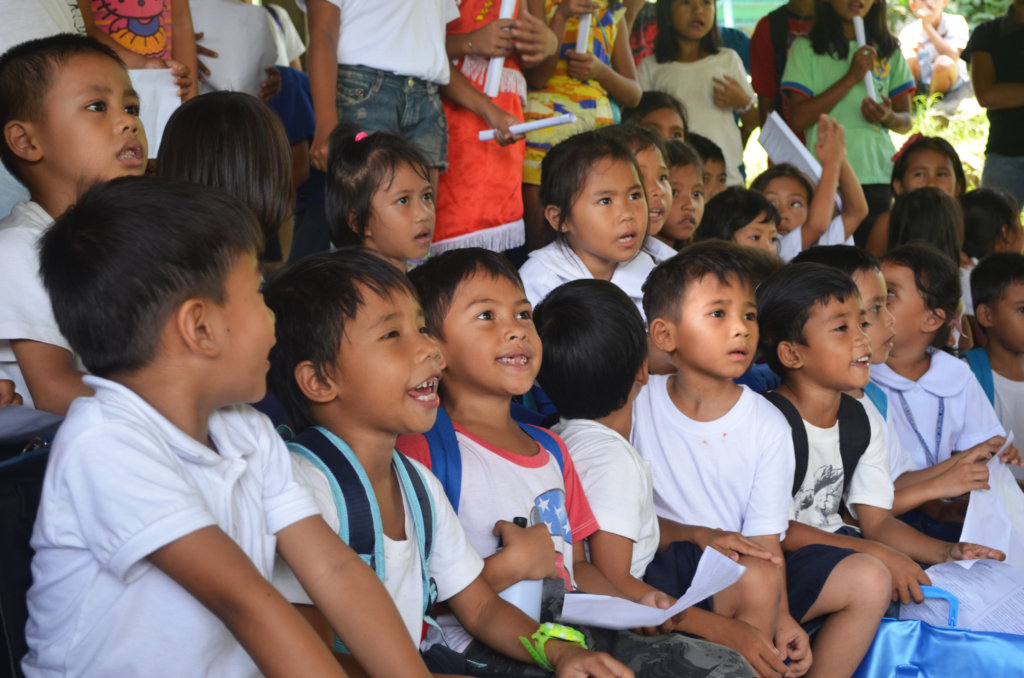
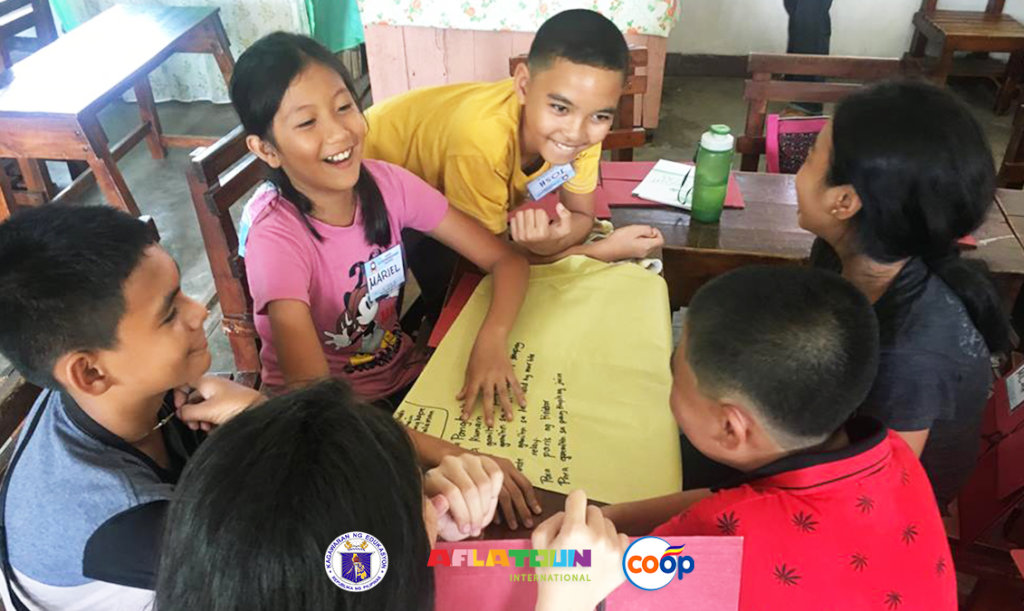
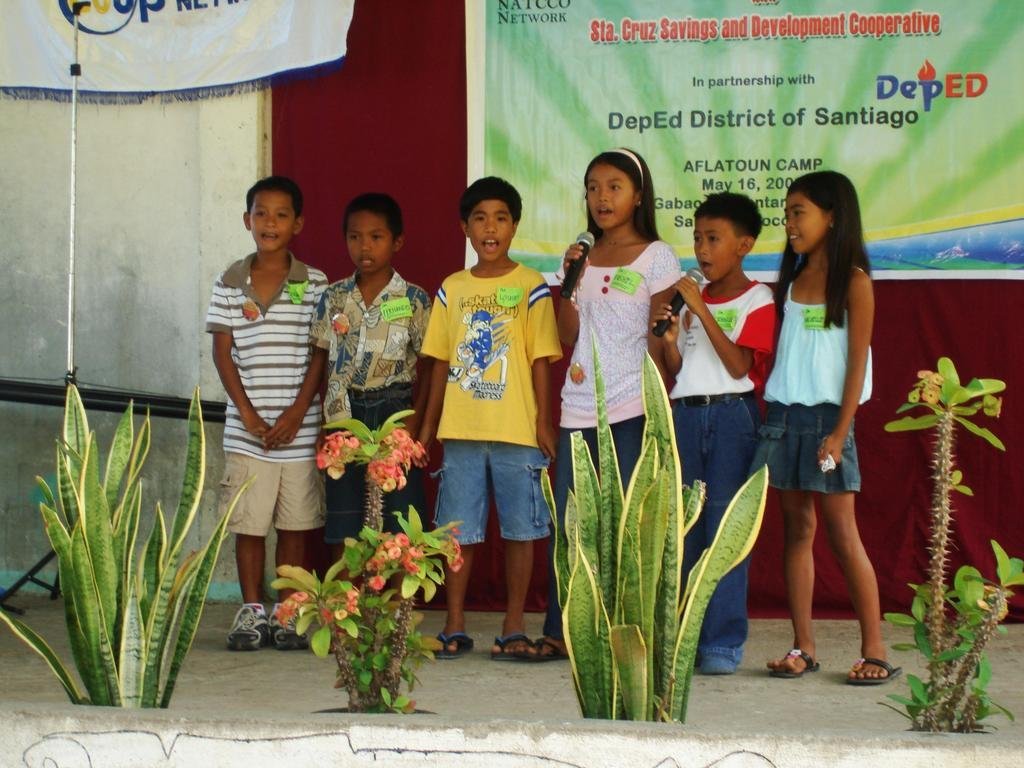
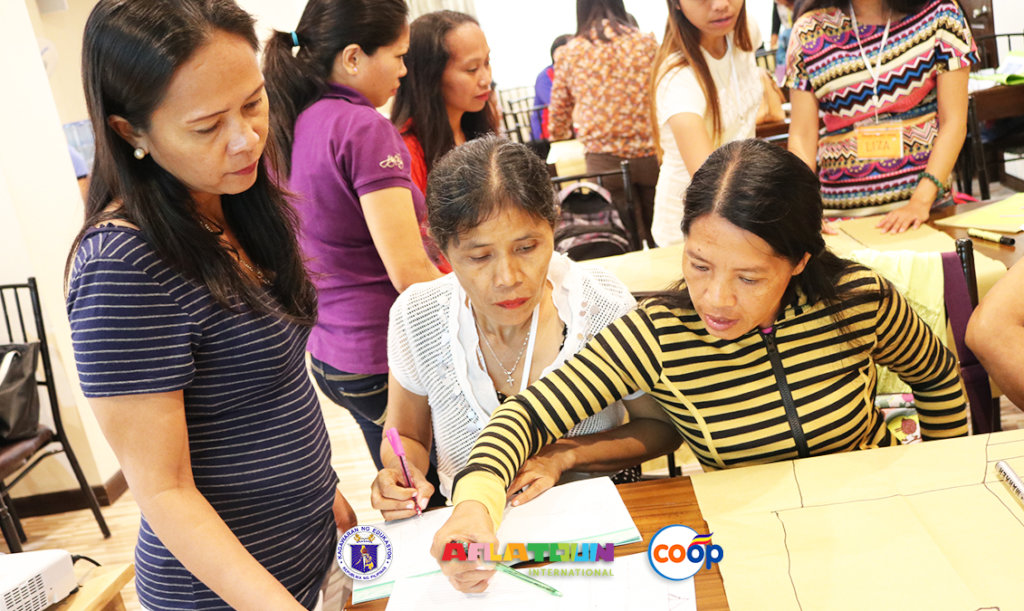
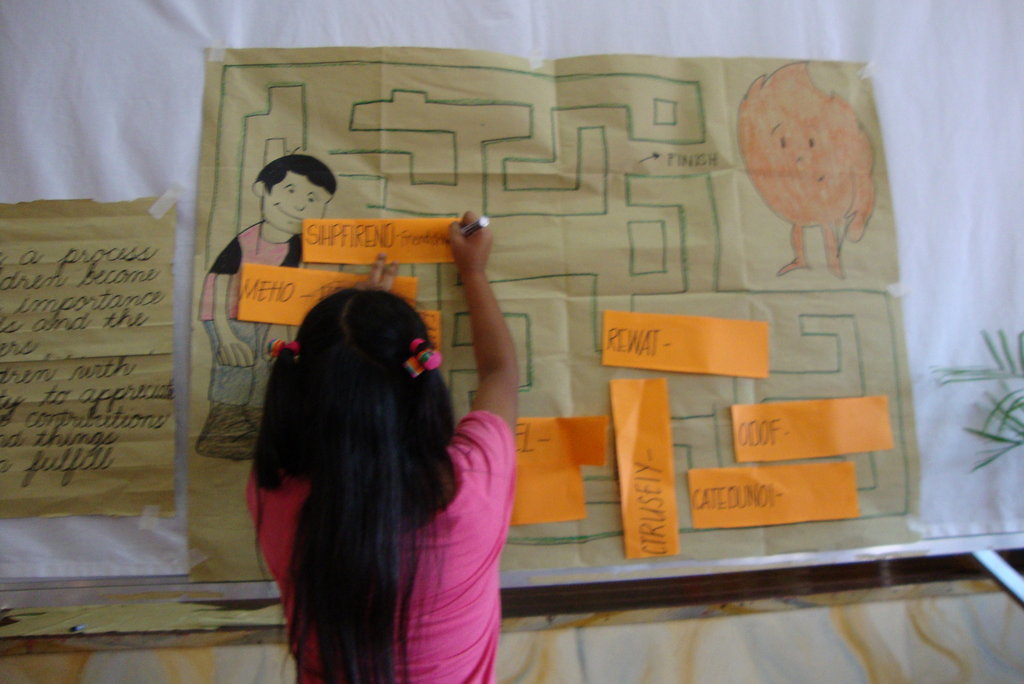
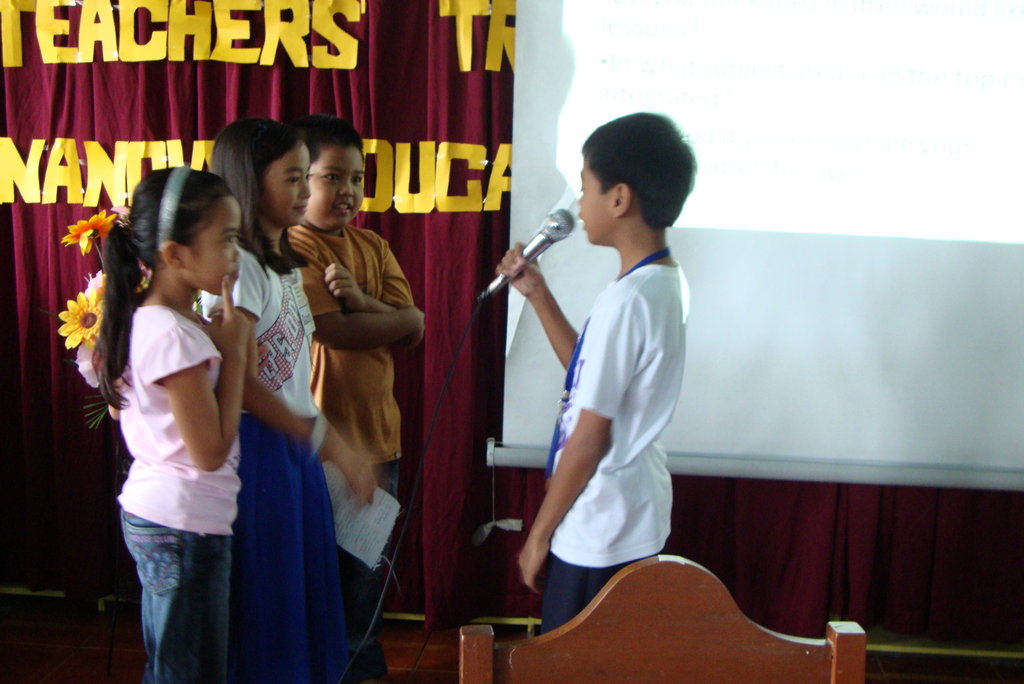
NATCCO holds trainings in conjunction with the savings programs. When I asked the kids why it’s important to save they offered some good responses—in case someone gets sick, to help purchase needed appliances, to avoid spending on things you don’t really need.
A representative from one of NATCCO’s savings and development co-op partners involved in the initiative was refreshingly honest when I asked what their primary interests in the program were. They were hoping to help bring about greater frugality in the community they served. More frugal people means more people saving more money in their co-op. It’s also a stable source of money since the students can’t easily withdraw large amounts of money. While the program hasn’t been going on long enough to see long-term results, having some extra money on hand and the experience of saving seems positive. It’s the kind of practical, relevant corporate social responsibility that is sustainable because it has real value for both the company and the partner community.
Project reports on GlobalGiving are posted directly to globalgiving.org by Project Leaders as they are completed, generally every 3-4 months. To protect the integrity of these documents, GlobalGiving does not alter them; therefore you may find some language or formatting issues.
If you donate to this project or have donated to this project, you can receive an email when this project posts a report. You can also subscribe for reports without donating.