By Women for Women International Policy Team | Women for Women International Policy Team
Congolese Women Speak Out Against Violence
The Women for Women International Stronger Women, Stronger Nations: DR Congo Report
For the women of eastern DR Congo, a conflict more deadly than any since World War II has brought years of displacement, impoverishment and a cruel campaign of sexual violence as a tool of war that continues unabated today. The conflict has:
In policy discussions and news headlines, we rarely hear of the stories of these women—the real heroes in the daily struggle to keep families safe and children fed. Instead, we often hear discussions about the frontlines of war, about military strategies and troop numbers, without acknowledging that real life still goes on during war.
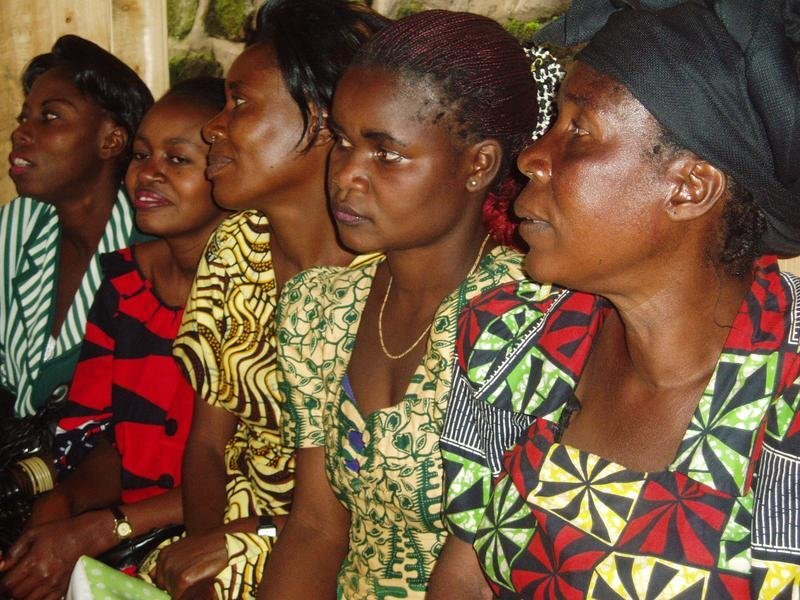
It is the voices of these women, 2,000 socially excluded survivors of war, that we sought to discover and amplify through the Stronger Women, Stronger Nations: DR Congo report.
Their stories underline the importance of women’s full inclusion in securing peace and development. Their recommendations call on their government and the international community to take leadership in ending nearly two decades of conflict that has decimated women’s bodies and entire communities, so that the work building a more peaceful and prosperous country can begin.
Their tales of survival and perseverance are a searing case study in the importance of the three P’s, the core tenets of the United Nations Security Council Resolution 1325 (UNSCR 1325) on women, peace and security:
View Stronger Women, Stronger Nations: DR Congo report highlights below, or read the full report to take a deeper look into Africa’s deadliest conflict through the eyes of the Congolese women.
The women we spoke with point to rampant violence and insecurity as major impediments to their physical and mental health, and to the survival of themselves and their families. Nearly half fear working outside their homes and believe insecurity is the worst economic problem facing their communities.
When asked what needs to be done to improve the situation, women say they need:
Due to husbands’ deaths, displacement or rejection of victims of sexual violence, Congolese women are increasingly called upon to serve as primary breadwinners and heads of households. Yet, they are trapped in a double bind in which they cannot leave their homes to trade in markets and farm in fields for fear of attacks.
In the context of the horrific violence in eastern DR Congo, the importance of investing in women’s livelihoods programs is often overlooked. Yet, data from the survey demonstrated the importance of livelihood in improving women’s lives. Women who earn even a small income see dividends in their physical and mental health, nutrition and wellbeing of their families:
Exposure to prolonged violence and poverty has resulted in one of the worst health indicators in the world. Women still die from childbirth and easily-preventable, pregnancy-related complications like obstetric fistula. The region is also home to a less-recognized yet urgent mental-health epidemic: for instance, of the more than ¾ of the women surveyed who make less than $1 per day, 70% think of hurting themselves.
Women demand concrete, practical recommendations for improving the severely inadequate health services sector. They want free, affordable and accessible healthcare. For the future, they want an increased focus on building capacity through more technical training facilities.
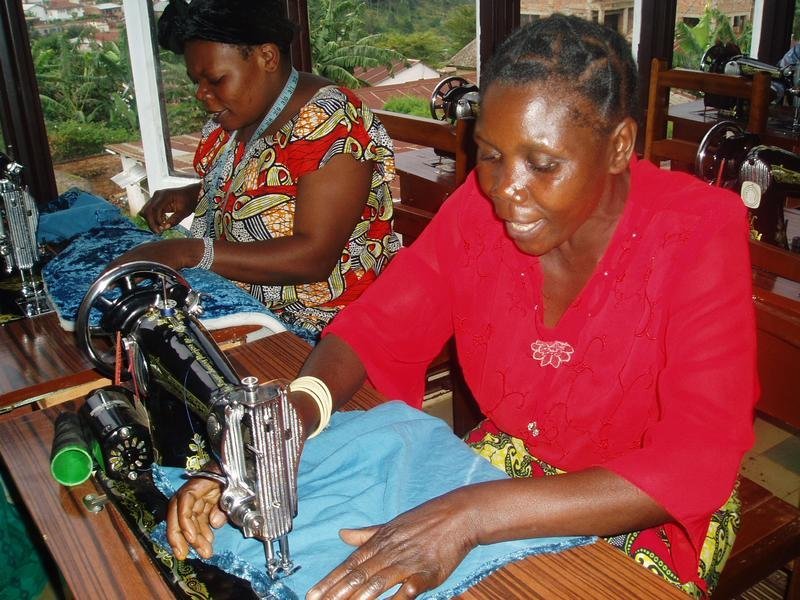
Women in our programs report more rights awareness and higher rates of happiness, family decision-making, physical and emotional health and living conditions compared to women who have not participated in our programs. They also earn 40% more money, suggesting the power of group participation and skills-building opportunities for women.
When asked about what’s important, women highlight the role of rights awareness in women’s empowerment. Without adequate knowledge and resources, women cannot demand for their rights and for greater government accountability.
Project reports on GlobalGiving are posted directly to globalgiving.org by Project Leaders as they are completed, generally every 3-4 months. To protect the integrity of these documents, GlobalGiving does not alter them; therefore you may find some language or formatting issues.
If you donate to this project or have donated to this project, you can receive an email when this project posts a report. You can also subscribe for reports without donating.