By Patrick Chung | Project Leader
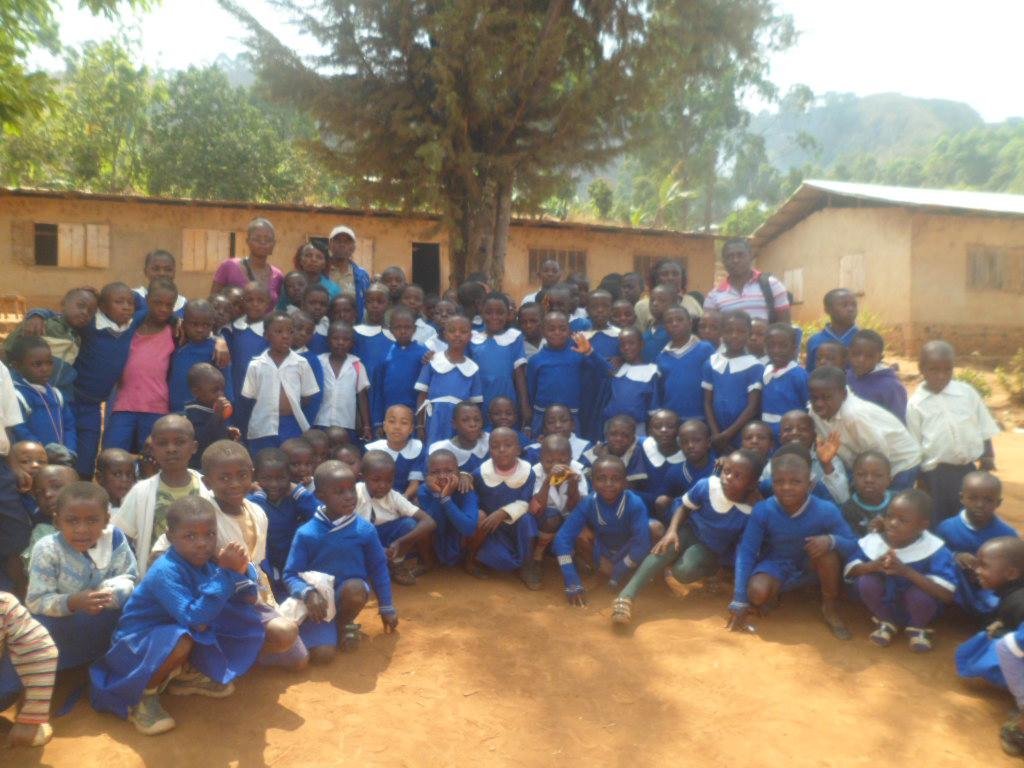
Thanks to a partnership with YPARD Cameroon, we have been able to extend our activities to include five primary schools: G.S.CHOMBA, G.S NSONGWA, G.S STATION, P.S MENDANKWE, et P.S RENNAISSANCE. We have recruited four volunteers who will be working one day per week in each school. In the spirit of intercultrualism, we selected two Francophones and two Anglophones, so each can improve their bilingual skills.
We selected and assessed the garden sites as follows:
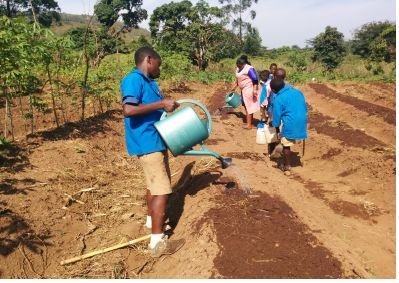
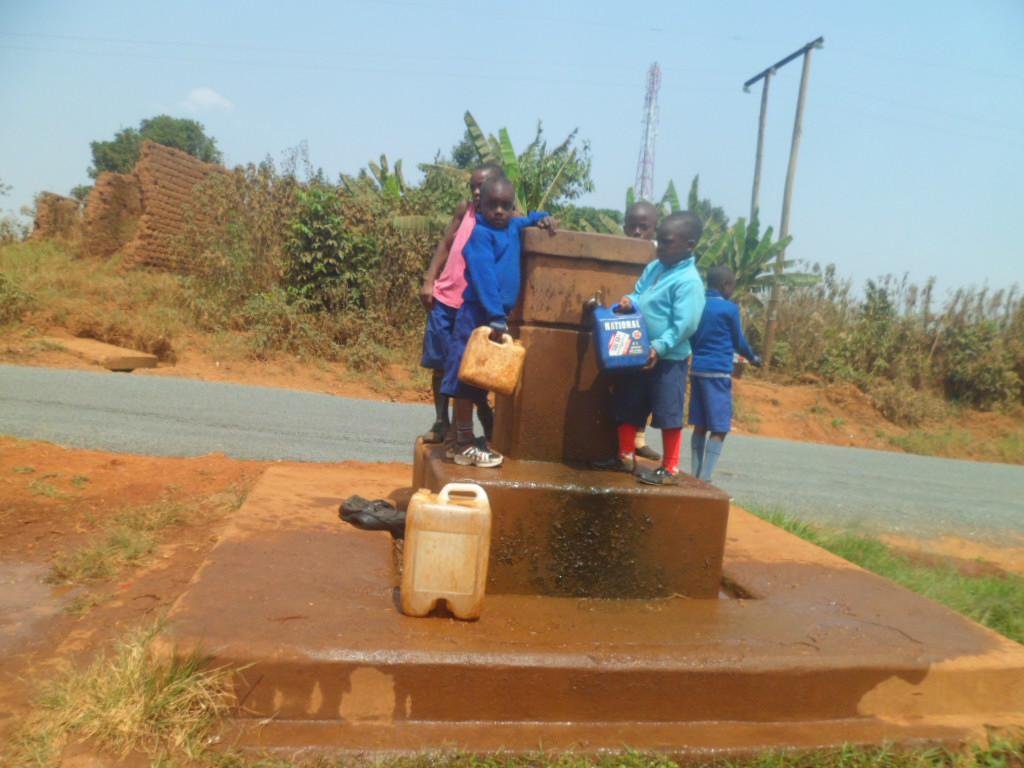
P.S MENDANKWE and G.S CHOMBA each have a large garden area with good soil and a water tap nearby
RENAISSANCE BELOW FONCHA and G.S STATION each have a large garden area with good soil and a stream nearby.
At G.S NSONGWA, there is no water available nearby.
We started activities with a presentation about the project to the children, and the election of garden club members.
Everyone wanted to be a member of the club's executive committee. The eventual election of committee members was a useful lesson in democracy. Each school elected students to the following positions: President,Vice President, Secretary, Financial Secretary, Treasurer, Farm Master, Public Relations Officer, and Discipline Master.
The teachers who manage the clubs at each school are:
G.S. CHOMBA: BIH TANGY Raphael; NDANGHA Mispa
G.S. STATION: PONGWO TATAH David
P.S MENDANKWE: ASONGNDA Lilian Taniform
G.S NSONGWA: AMABOH Alice; ASOH Mary
P.S. RENAISSANCE: SHU Jeplline
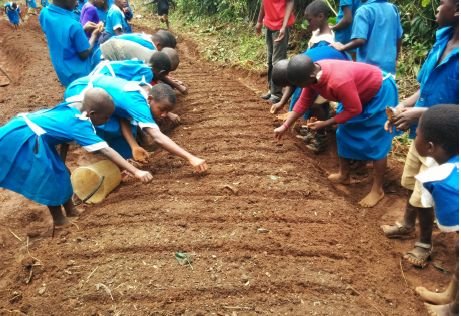
We used six different types of seeds in each school: Zinnia, Pepper, Tomato, Cabbage, Collard, and Spinach. These seeds had been nursed before transplanting for two to six weeks. Children at each school brought manure from their home for use as compost.
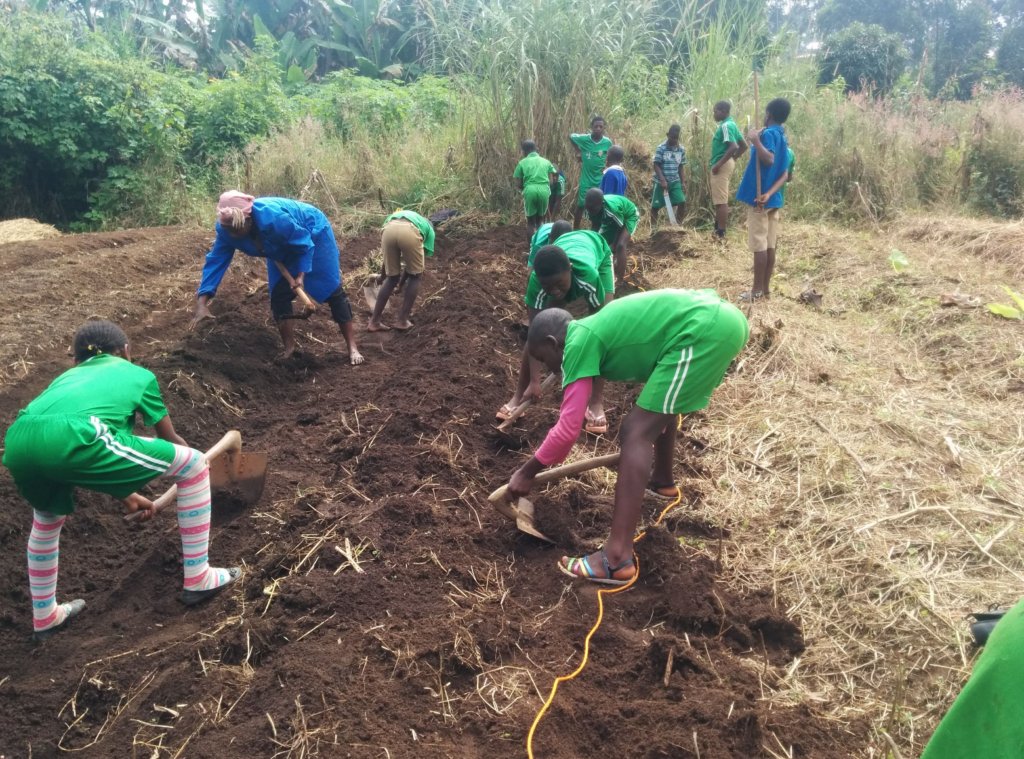
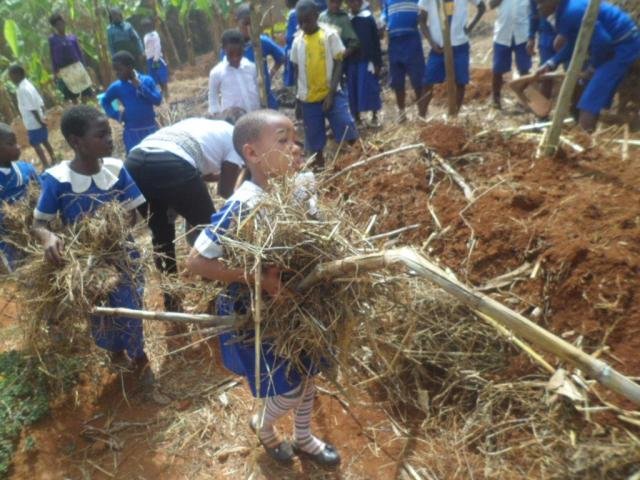
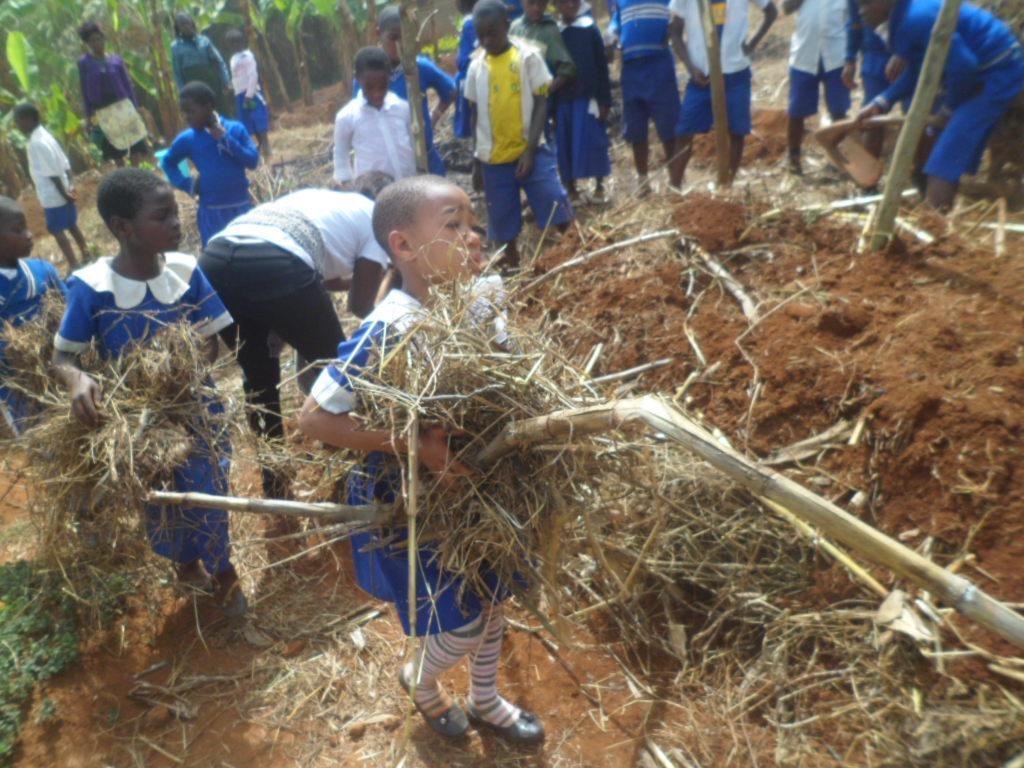
To compost the manure, we used sticks, grass and ground. The sticks allow us to move the grass and soil in such a way that when we water the compost, it will decompose well. In each school, we lay down dry grass, covered it with soil and then repeated the layers.
We worked the compost into the nursery beds and mulched with grass to protect the seedlings from sun, wind, and water erosion.
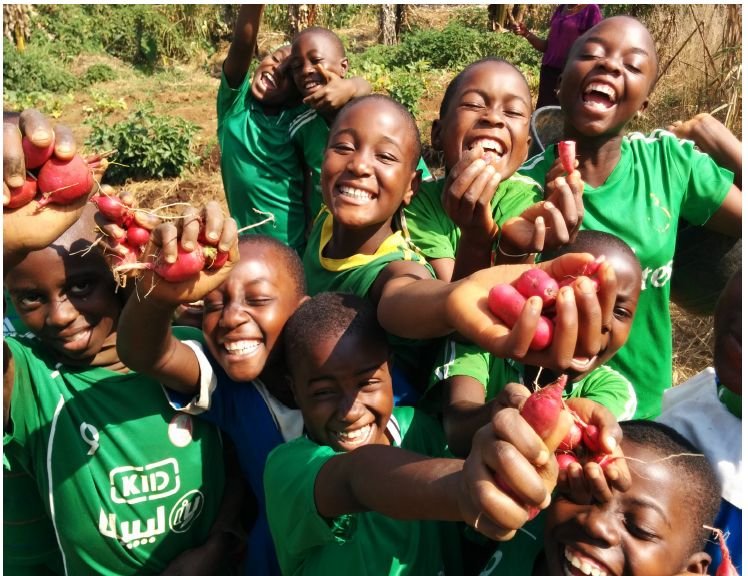
Once the gardens were prepared, we asked the children to draw their best or favourite vegetable garden. Almost all the children in each school chose carrot, tomato, cabbage, and pepper for their dream garden.
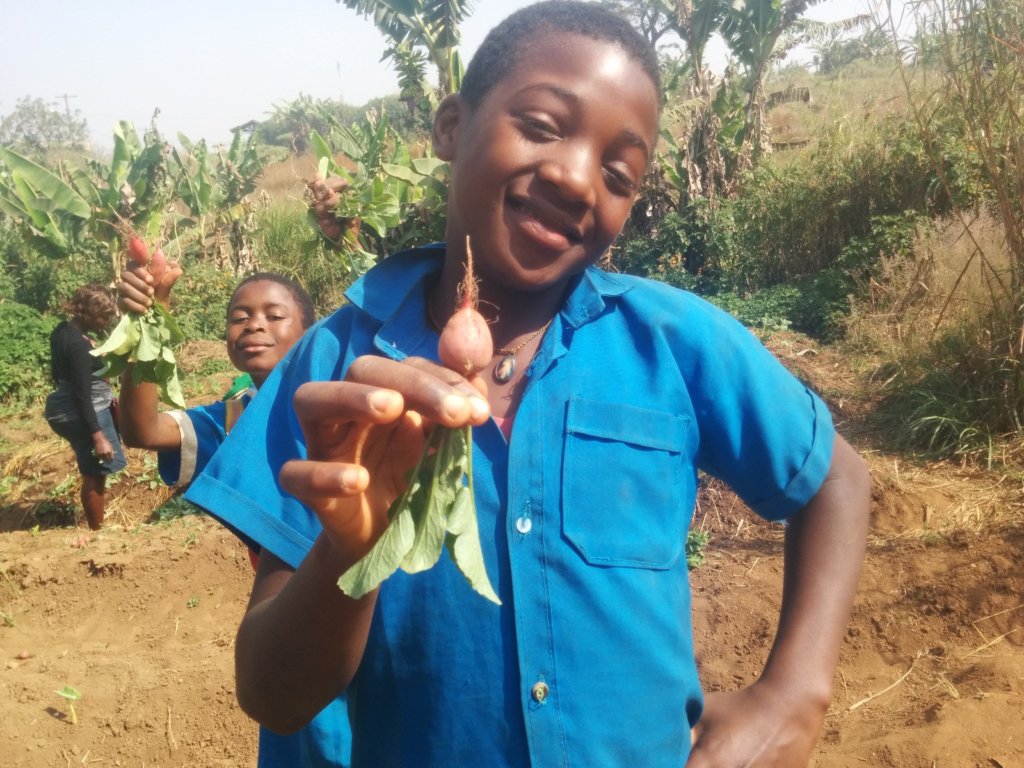
We also selected some vegetables that were unknown to the children: beetroot, cumcumber, squash and spinach.
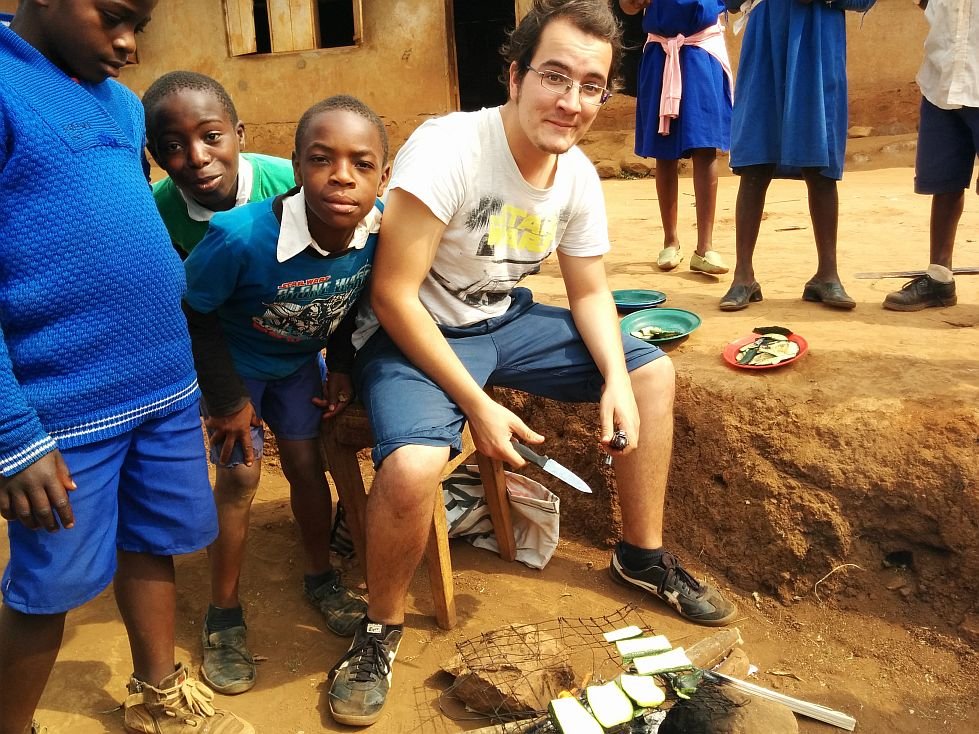
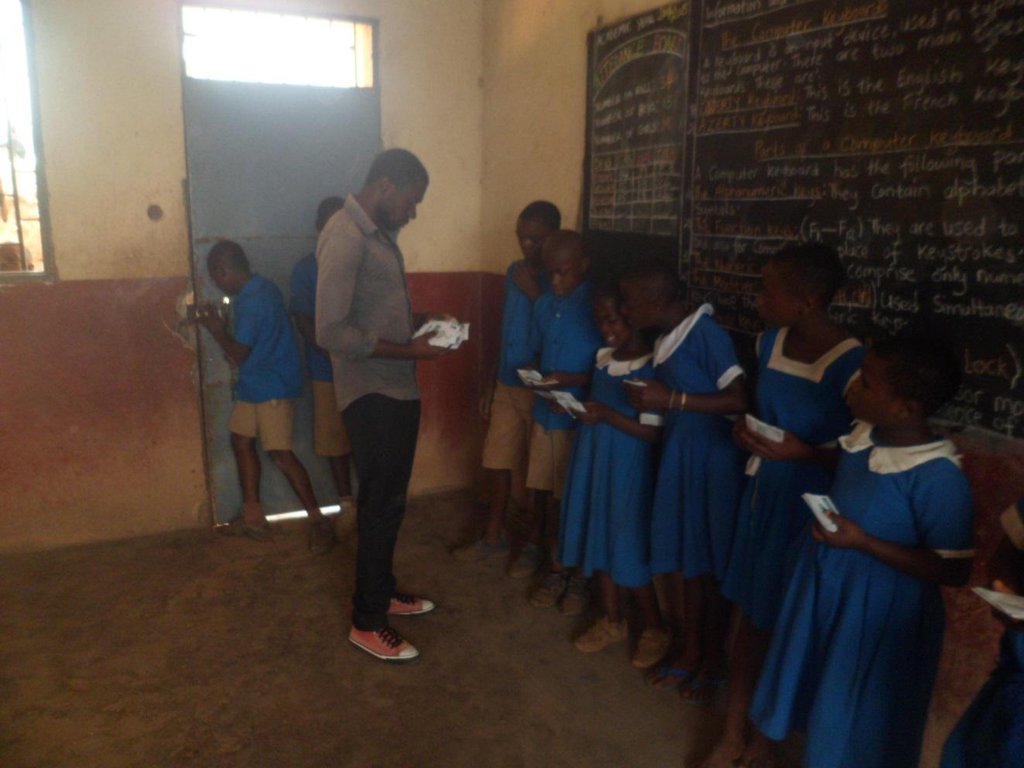
We talked about some advantages of growing the vegetables that the children had drawn and those they were unfamiliar with, then presented the different nutritive valuesof each, and talked about the different ways that to cook or eat each vegetable.
The children were excited to receive seeds for practical experience at home.
We are pleased with each school's garden so far, with the exception of G.S NSONGWA, where there is no grass for mulch or compost, no nearby water, and the teachers and administrators are not engaged with the project and are often unavailable.
Project reports on GlobalGiving are posted directly to globalgiving.org by Project Leaders as they are completed, generally every 3-4 months. To protect the integrity of these documents, GlobalGiving does not alter them; therefore you may find some language or formatting issues.
If you donate to this project or have donated to this project, you can receive an email when this project posts a report. You can also subscribe for reports without donating.