By Lynleigh Greig | Volunteer & Reptile Co-ordinator
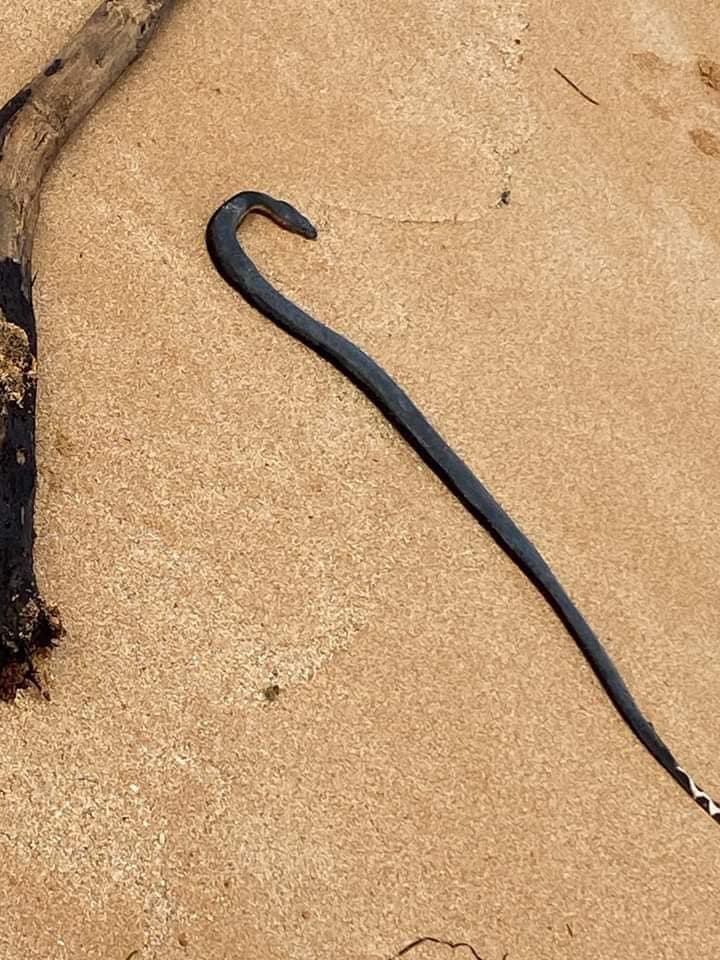
Beachgoers and dog-walkers wandered past this poor girl on the beach for 2 days, assuming she was dead. But luckily someone decided to contact Sydney Wildlife Rescue and 2 of our best snake-trained rescuers attended.
Just like any other animal, sea snakes need our assistance when they are injured or sick. They can often appear deceased when they have washed up onto the sand, but can still be very much alive!
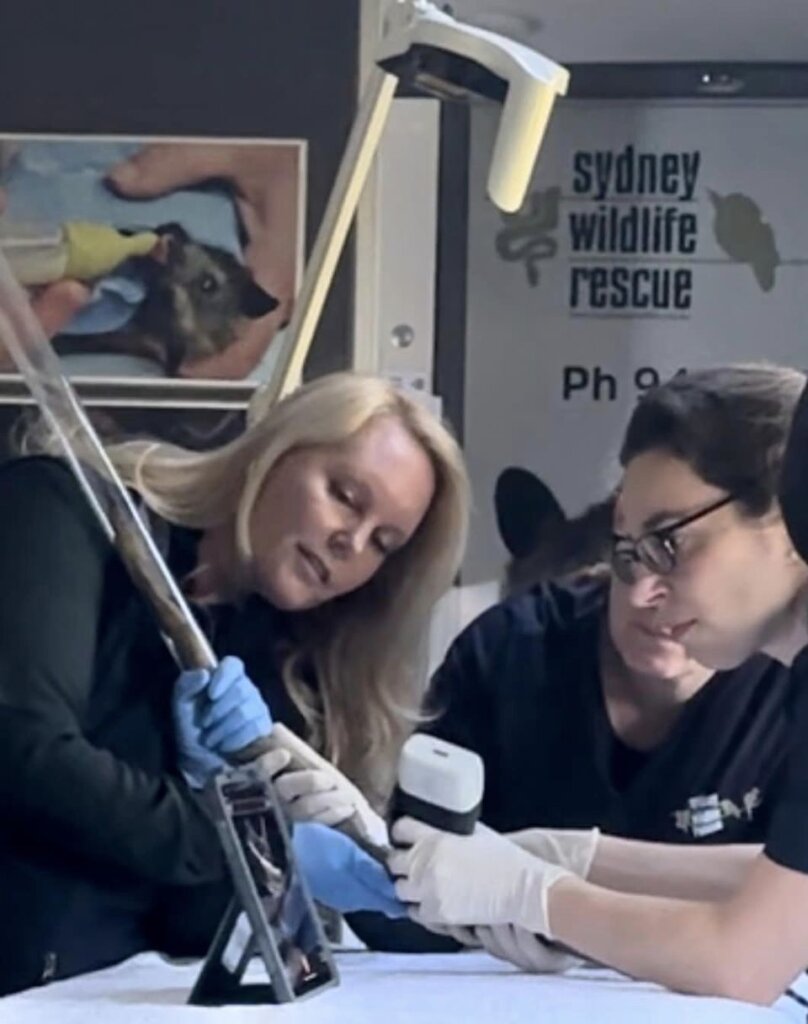
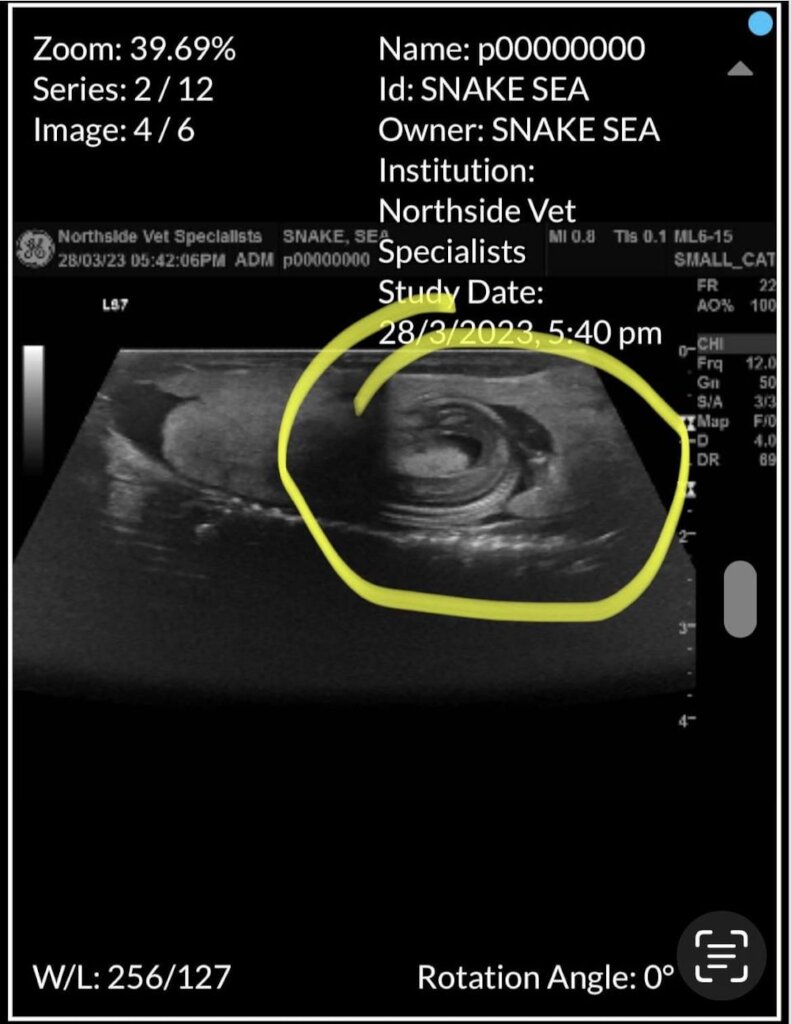
This yellow-bellied sea snake (Hydrophis platurus) turned out to be an expectant Mum! Whilst palpating her, Dr Izi felt a multitude of lumps and decided to ultrasound her. Everyone was delighted to see 5 gorgeous little babies on the screen! We even saw their tiny heartbeats!
Blood tests also revealed that she had sustained muscle trauma. The combination of rib fractures and muscle trauma suggested possible boat-strike.
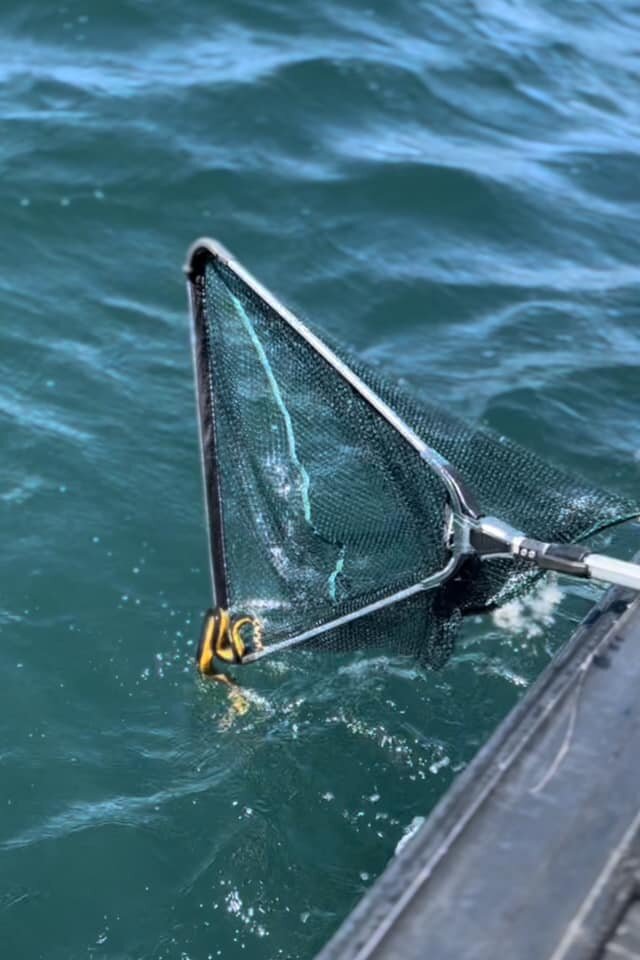
She was in rehabilitation for many weeks, getting stronger every day and then she birthed her exquisite youngsters! All 5 neonates and Mum have since been released into open water.
If you do happen to find a sea snake lying on the sand, please DO NOT throw it back into the water!
A beached sea snake requires URGENT assistance from a wildlife rescue organisation and - as they are venomous - must ONLY be handled by trained and licensed personnel.
Sea snakes, like land snakes, breath air via an elongated lung. Their bodies, however, are much more adapted to marine life - they are laterally compressed (flattened on both sides) their tails are paddle-shaped, their nostrils are valve-like and their belly scales are significantly reduced.
People are often surprised to learn that sea snakes drink fresh water. Biologists have discovered that they keep hydrated by drinking ‘lenses’ of fresh water that form on the surface of the sea after rain.
Treating sea snakes can be tricky but our volunteer vets have the appropriate equipment and medication to begin a treatment plan. They are also in contact with the right personnel to offer guidance.
www.sydneywildlife.org.au
Project reports on GlobalGiving are posted directly to globalgiving.org by Project Leaders as they are completed, generally every 3-4 months. To protect the integrity of these documents, GlobalGiving does not alter them; therefore you may find some language or formatting issues.
If you donate to this project or have donated to this project, you can receive an email when this project posts a report. You can also subscribe for reports without donating.



Support this important cause by creating a personalized fundraising page.
Start a Fundraiser