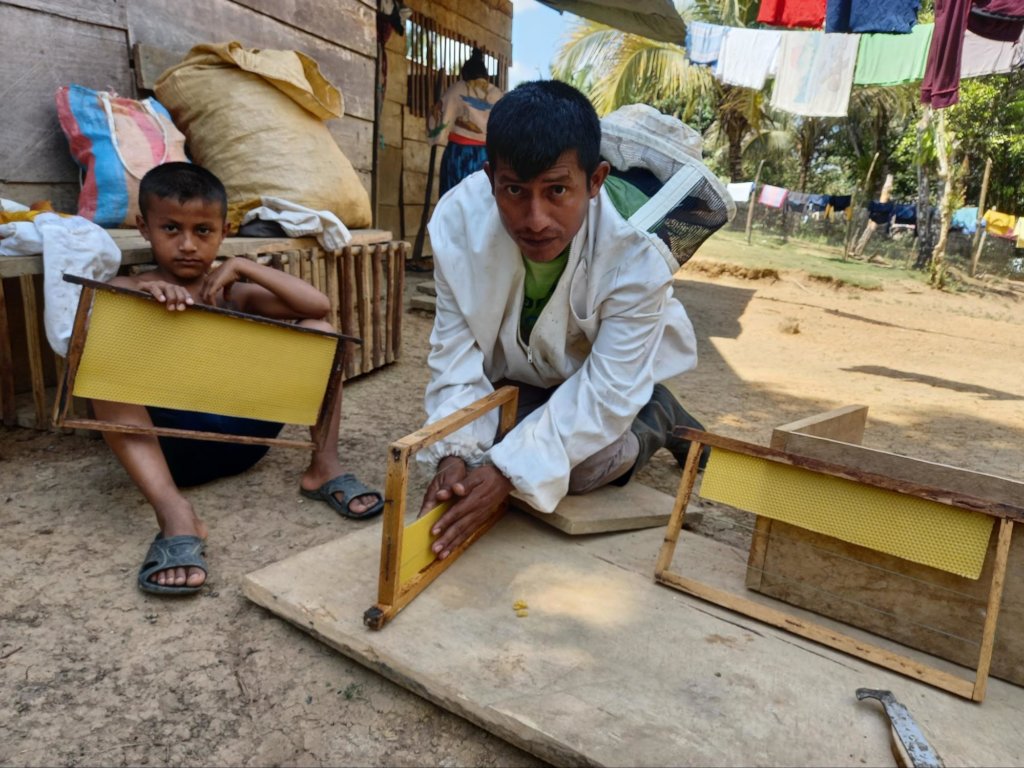
By Eliazar Bo Che | Field Technician, Sarstun
Dear GlobalGiving Supporters,
I’m writing to you today because I know you care about the families and communities we work with in Guatemala. My name is Eliazar Bo Che, EcoLogic’s Field Technician in Sarstún. I want to take this moment to THANK YOU for your generous support. It allows us to respond to the immediate needs of rural and indigenous families with nature-based solutions.
Combatting climate degradation and building a more sustainable future goes beyond protecting and restoring our environment. I'd like to introduce you to Feve, an inspiring leader and project ally in the Sarstún region.
Meet Feve: An Advocate for Indigenous Women’s Rights
As a Maya Q'eqchi' woman hailing from the community of Punta Arena in the Municipality of Livingston, Feve has worn many hats in a variety of spaces over the course of her career — from working in advocacy for Indigenous women to teaching in local communities, to working for NGOs. Throughout these experiences, what drives her work is her passion for female empowerment– advocating for women’s rights and equality, in tandem with a passion for environmentalism and sustainability.
Feve now serves as the Director of the Municipal Office for Women of Livingston, in the Izabal Department of Guatemala. In that role, she has been a strong ally for EcoLogic and its key partner APROSARSTUN to develop women-led environmentally sustainable small enterprises with three local communities in Livingston.
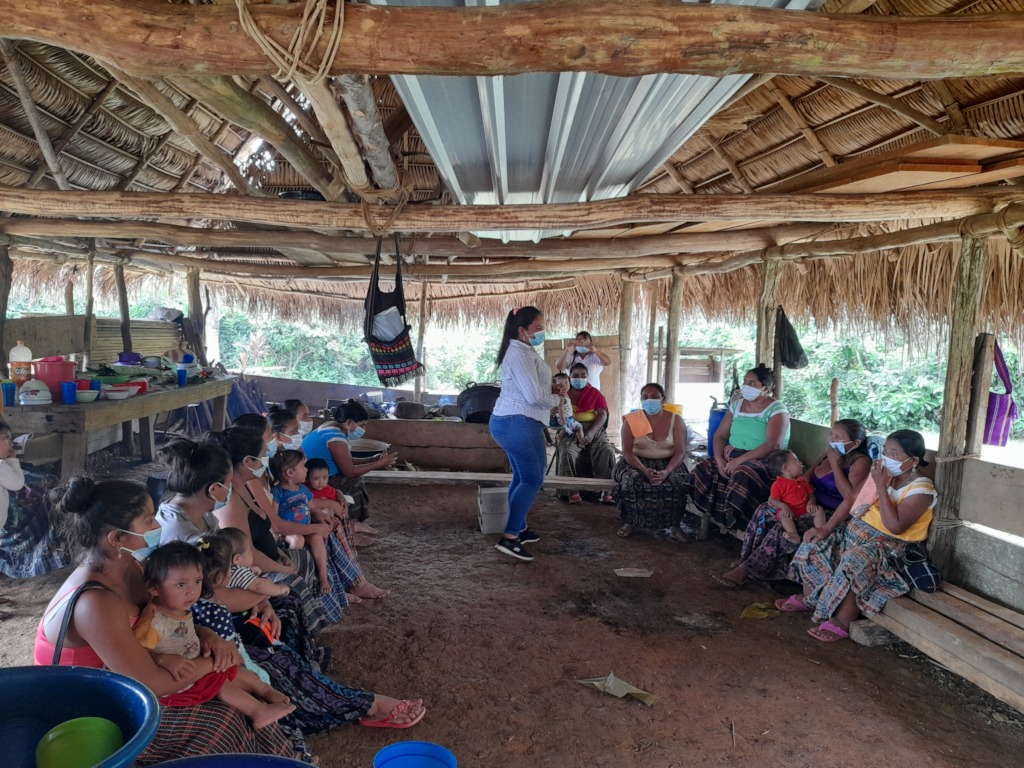
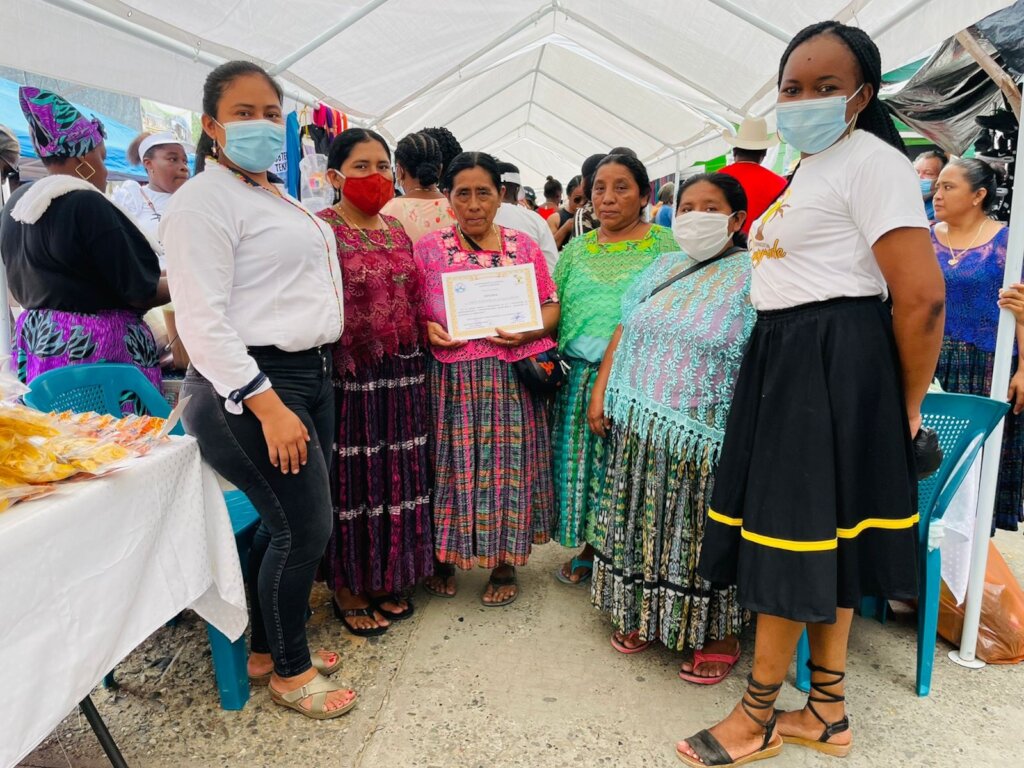
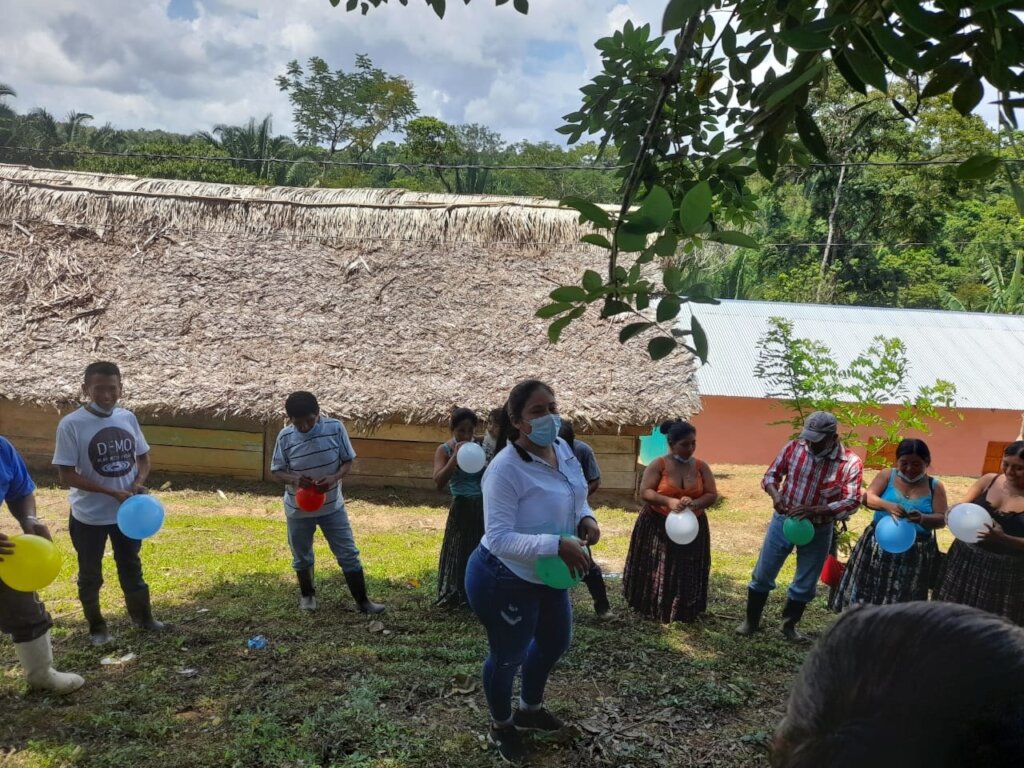
The collaboration began with a proposal by EcoLogic’s Program Officer Mario Ardany de Leon and I approached the Municipal office with the project idea. When they took office in 2020, Feve felt like they were starting from nothing. Since 2021, this initiative has grown. As we close the pilot phase, we have collaborated to establish three Women’s Committees (Comités de Mujeres), one for each community, to implement a variety of initiatives to train and equip local women to be able to have a tangible impact in their local economies and governance – and ultimately with the tools to make a difference in their communities.
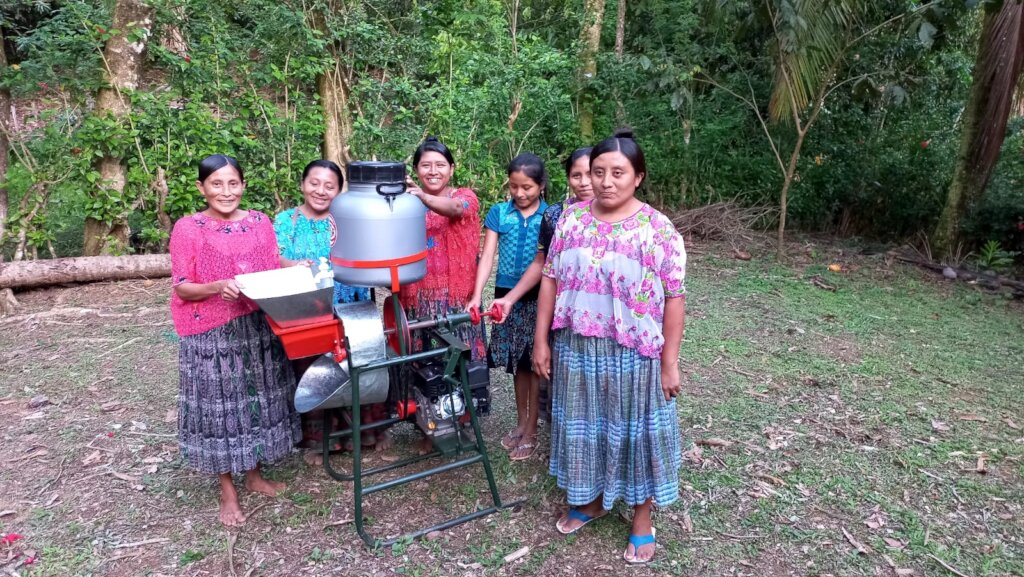
The administrative, financial, and technical skills the women have developed are fostered through participation in the Committees and the capacity-building process implemented by the project partners. For example, through this process, the Women’s Committee of Sarstun Creek opted to establish a community corn mill.
“Before this, they did not have their own mill. They had to walk long distances to other villages to grind their corn. They can now say that they are entrepreneurs. It is a learning process. They have the will to continue and move on,” says Feve.
Even now, Feve’s greatest inspiration is her mother, Lola Cabnal, who is an established environmental activist and accomplished advocate for Indigenous and women’s rights. To Lola, and certainly now Feve, there is no difference between feminism, climate activism, or Indigenous empowerment. What it boils down to is the restoration of a balance between what we take, give, and our relations. The opportunity to empower local women creates space and restores the power that we can all have to make a change in our communities.
As we conclude, Feve notes “In the end, climate change directly affects rural women. It is a process of raising awareness so that they understand their role and can be actively involved.”
You can read the full article here.
With much appreciation,
Eliazar Bo Che, EcoLogic Field Technician
Project reports on GlobalGiving are posted directly to globalgiving.org by Project Leaders as they are completed, generally every 3-4 months. To protect the integrity of these documents, GlobalGiving does not alter them; therefore you may find some language or formatting issues.
If you donate to this project or have donated to this project, you can receive an email when this project posts a report. You can also subscribe for reports without donating.