By Mariatu Denkeh Kamara | Social Worker
Beyond the Prison Walls; Restoring Hope Through Psychosocial Empowerment
‘’A mother's story of emotional distress, family separation, and renewed hope’’
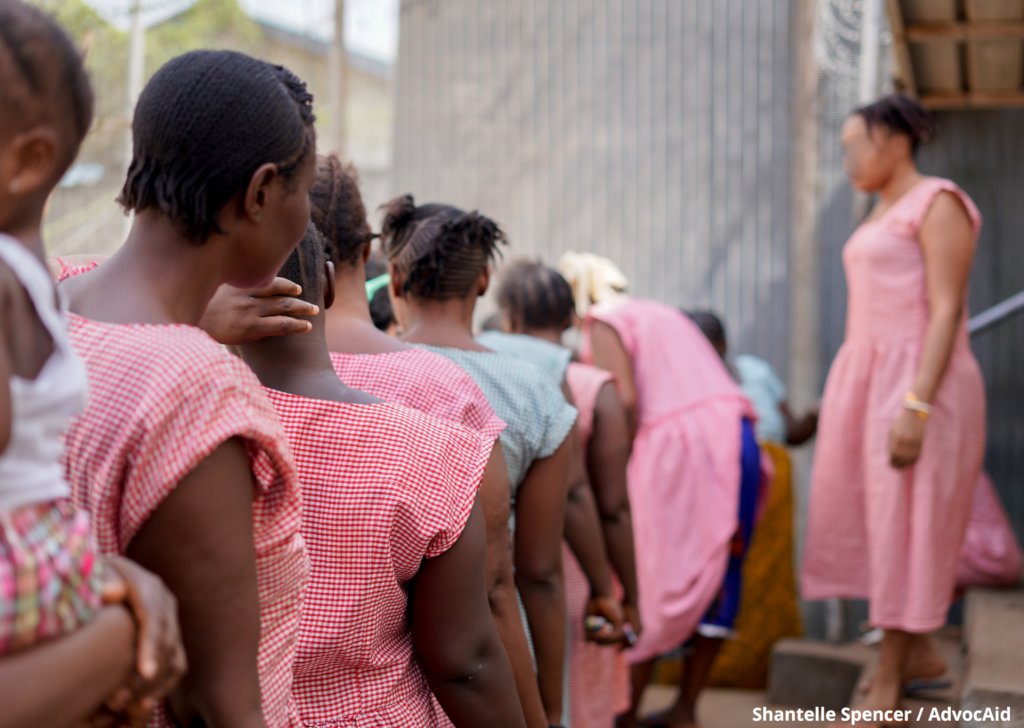
Alimatu a 43-year-old mother of seven, was facing one of the most difficult periods of her life while in detention. Sentenced to 30 years' imprisonment for the offense of unlawful possession, she was struggling not only with the reality of her sentence but also with the uncertainty surrounding the well-being of her children and husband.
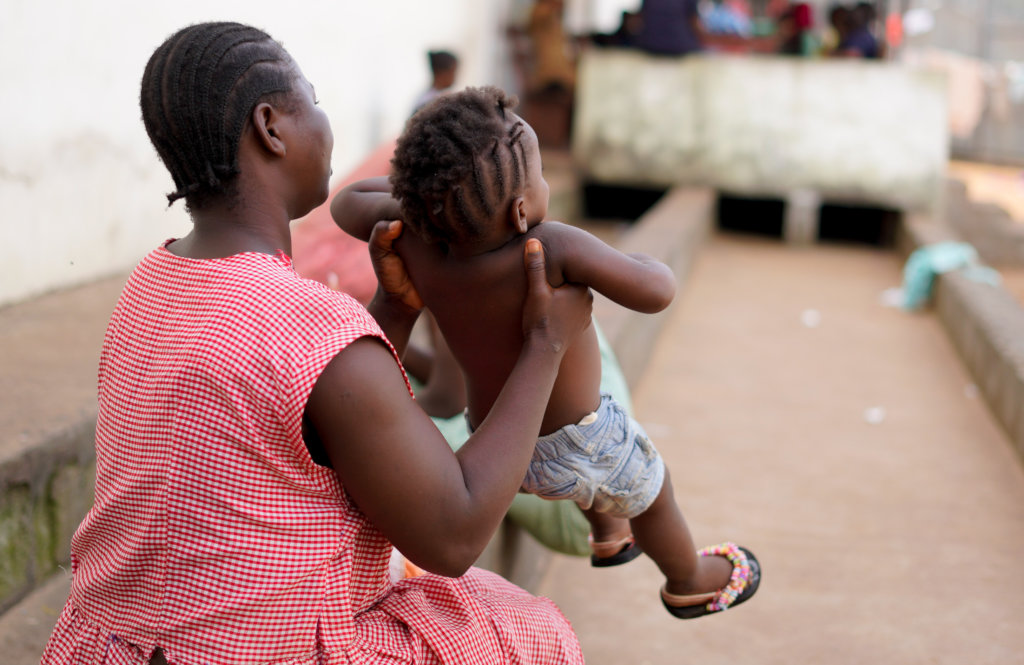
At the time of her arrest, Alimatu was caring for her youngest son, whom she brought to the Centre because she had no one else to care for him. She had already arranged for her other six children to stay with different caregivers. Fortunately, someone later agreed to take care of her youngest son.
Before her detention, Alimatu had been the main breadwinner for her family. Although she lived with her husband, he was not financially stable, and she carried much of the responsibility for providing for their children. Her arrest therefore left her deeply worried about how her children would survive without her support.
Her distress increased when a family member who visited her explained that her husband had become seriously ill and needed surgery. She was told that he had been taken to another township for treatment. Since then, she had received very little information about his condition, and the family had reportedly heard from him only once through communication with her adopted mother.
As family visits became less frequent, Alimatu was left without reliable information about her husband's condition or her children's welfare. With the school reopening period approaching, she became increasingly worried about whether her children would be able to return to school and whether their caregivers could meet their basic needs.
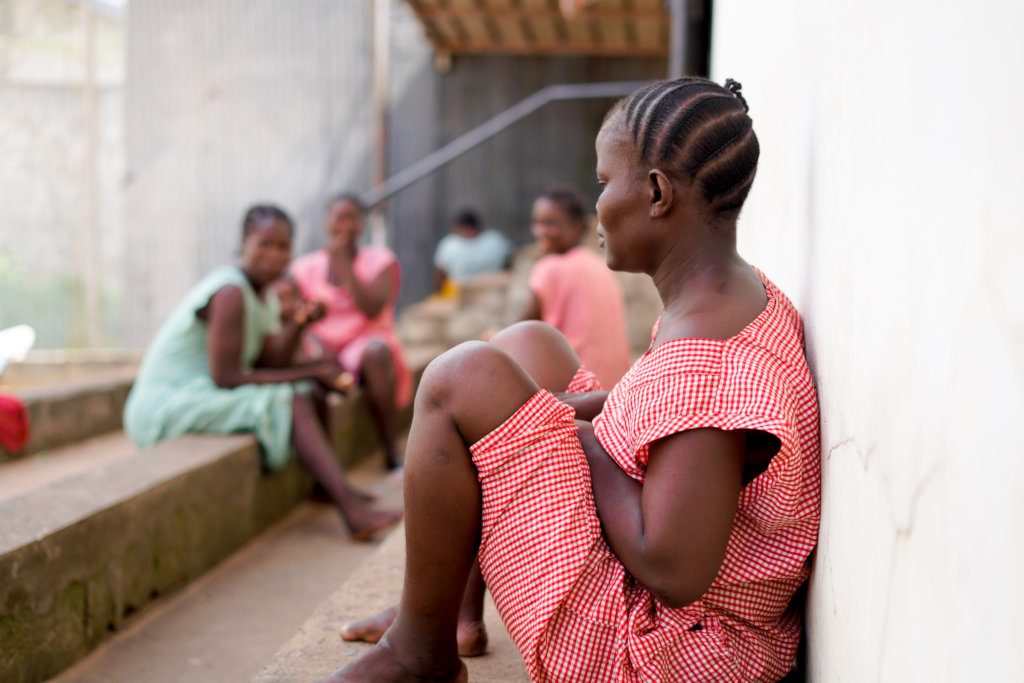
The emotional burden became overwhelming. Alimatu became withdrawn, felt deeply distressed, and no longer wanted to talk to others. Behind her detention was a mother struggling with unanswered questions, fear for her children, and uncertainty about the future.
During the Social worker’s engagement with Alimatu, it was recognized that that she needed emotional support and an opportunity to express her concerns. Before the psychosocial session, she shared her worries about her family and her desperate need to know how her children and husband were doing.
Through our family tracing as a follow up from the concerns she raised during the sessions, we were able to follow up with her family and found out they were well and her children now visits the center.
This experience demonstrated that psychosocial support is not only about conducting sessions; it is also about listening to women, understanding their individual circumstances, identifying their needs, and taking appropriate follow-up action where possible.
After the session and the efforts to follow up on her concerns, Alimatu expressed relief and renewed hope. Despite her 30-year sentence, she committed herself to attending future psychosocial sessions because she recognised their importance to her mental health and emotional well-being. She expressed appreciation for the education and support she received.
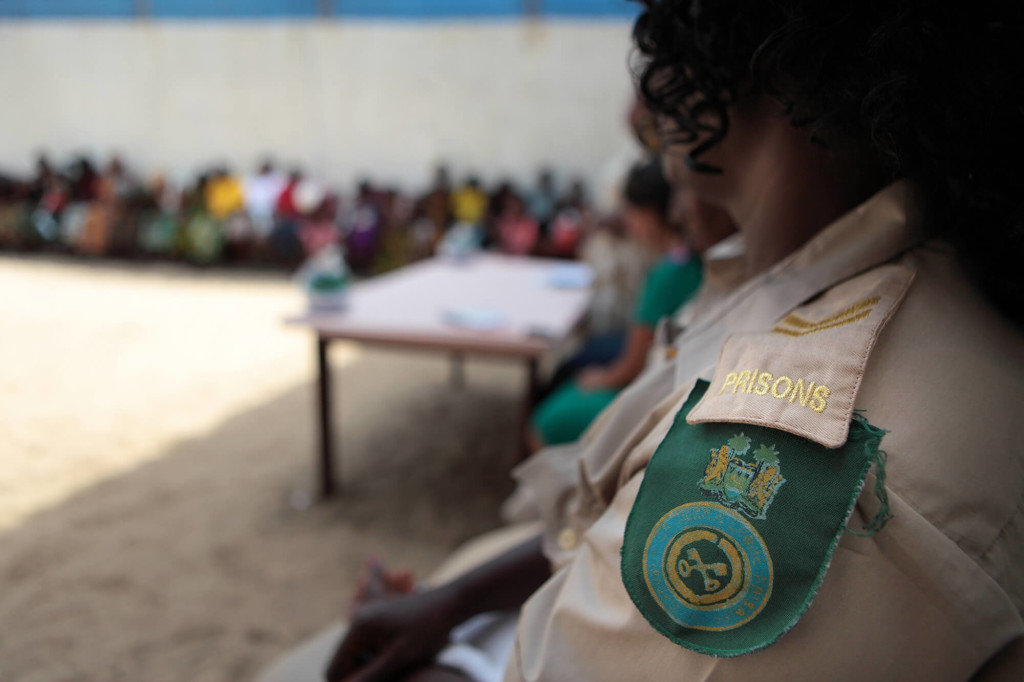
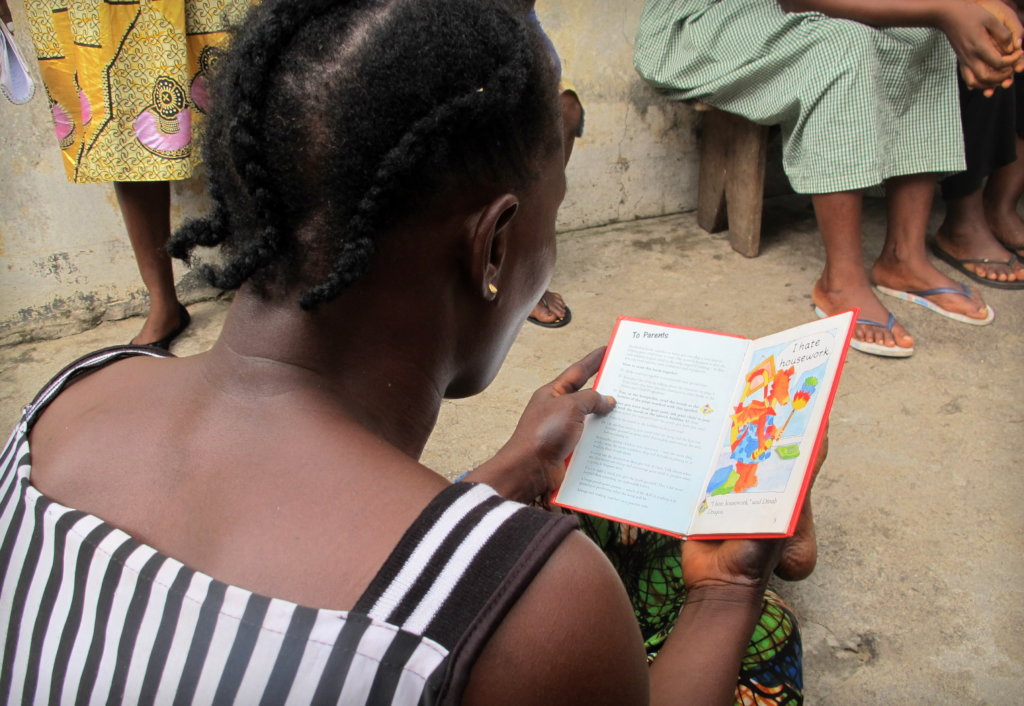
Her experience illustrates how psychosocial empowerment sessions can provide women with a safe space to express difficult emotions, learn healthy coping strategies, and feel heard rather than judged. When combined with individual counselling, family tracing, and appropriate referrals, these interventions can help women manage emotional distress and feel less isolated during detention.
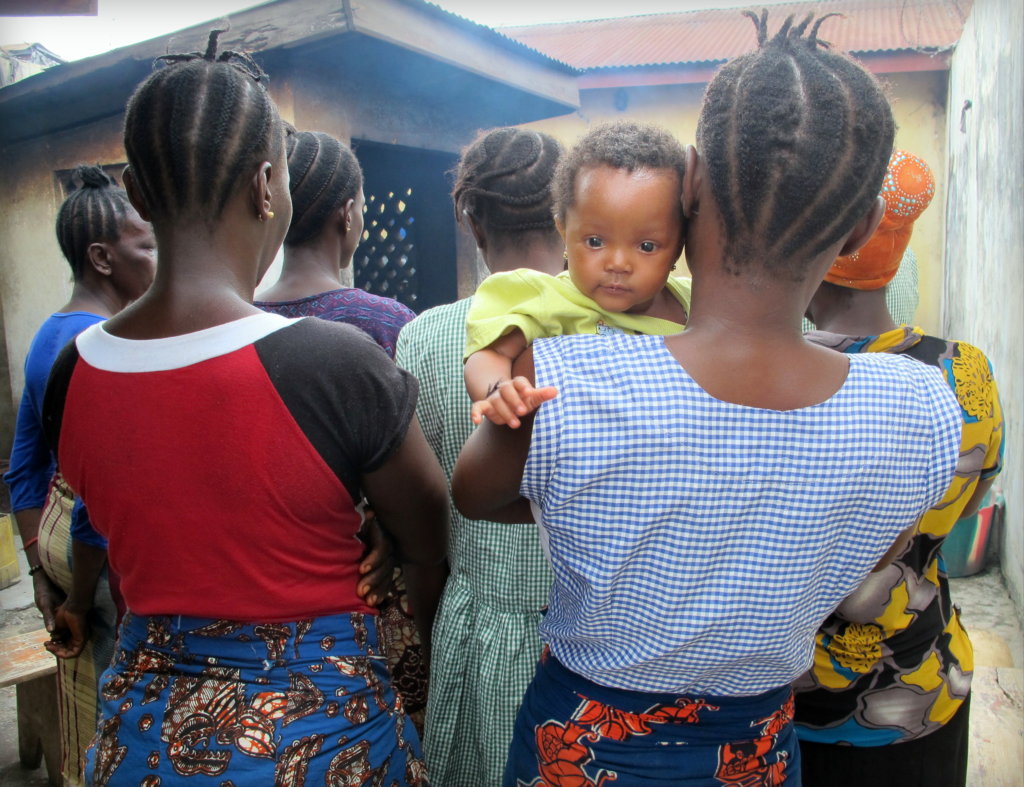
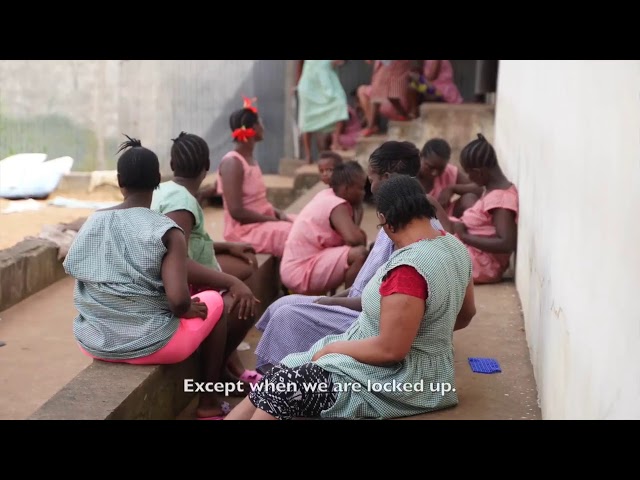
Alimatu’s experience reflects the challenges faced by many women in detention, particularly those serving lengthy sentences, mothers separated from their children, pregnant women, women who give birth while in custody, and those who have limited or no contact with their families.
Some women feel abandoned by their relatives, while others worry constantly about children left behind without adequate financial or emotional support. These circumstances can contribute to depression, anxiety, emotional withdrawal, and feelings of hopelessness.
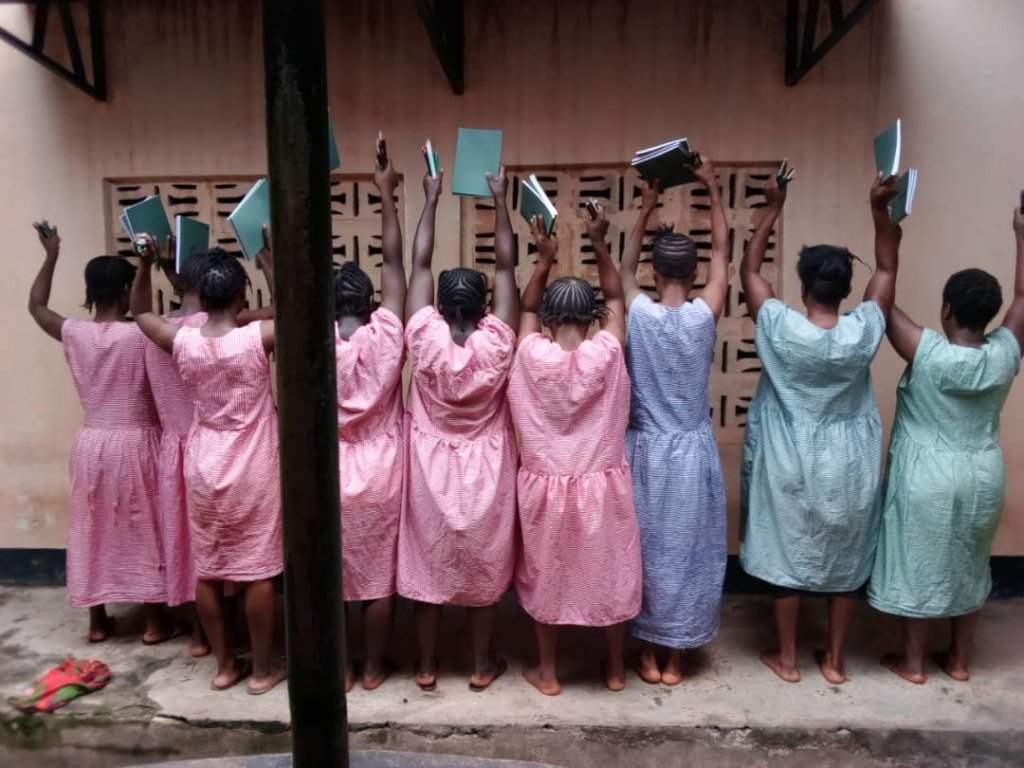
Psychosocial empowerment sessions help address some of the numerous challenges women face while in detention by providing opportunities for women to:
Express their feelings: Share their worries and experiences in a safe, respectful, and non-judgmental environment.
Develop healthy coping strategies: Learn practical ways to manage stress, anxiety, sadness, guilt, and other difficult emotions.
Build resilience and hope: Recognize their strengths and learn how to cope with difficult circumstances, even when they cannot immediately change them.
Receive emotional support: Feel listened to and understood rather than isolated or forgotten.
Strengthen peer relationships: Encourage one another and learn from shared experiences.
Identify additional needs: Access individual counselling, family tracing, legal referrals, or other appropriate support when necessary.
For women like Alimatu serving lengthy sentences, these sessions provide an important source of emotional support throughout detention. For mothers, they also create an opportunity to discuss the emotional burden of separation from their children and their concerns about family responsibilities.
The work of our Social Workers has not been limited to the Female Correctional Centres.They also conduct psychosocial engagement at various police stations, where individuals in detention may experience fear, uncertainty, emotional distress, and concern about their legal circumstances.
During these engagements, they provide psychosocial support, identify concerns, and seek appropriate referrals,
Alimatu’s story demonstrates why continued investment in psychosocial empowerment sessions is important. A woman may be physically separated from her family and uncertain about her future, but she should not have to face her emotional struggles without support.
Project reports on GlobalGiving are posted directly to globalgiving.org by Project Leaders as they are completed, generally every 3-4 months. To protect the integrity of these documents, GlobalGiving does not alter them; therefore you may find some language or formatting issues.
If you donate to this project or have donated to this project, you can receive an email when this project posts a report. You can also subscribe for reports without donating.



Support this important cause by creating a personalized fundraising page.
Start a Fundraiser