By Jennifer Sigler | GlobalGiving Staff
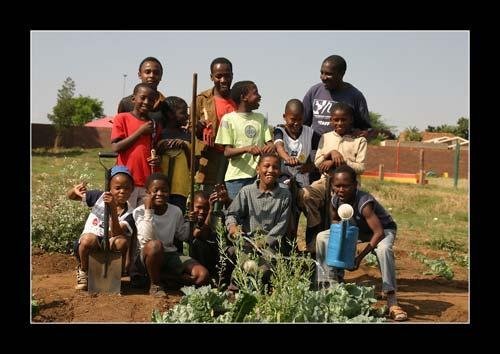
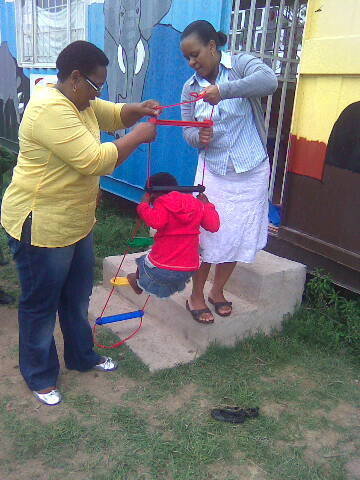
I visited two of Noah’s Arcs in South Africa a little more than a week ago. The first one, called Kliptown, was located in the Soweto township where a lot of the news-making Apartheid-related tragedies took place. The Arc is run by a woman named Helen, a member of the Soweto community who has been managing the Arc for several years. She took care in showing me around the plot of land whose perimeter was outlined on all four sides by portals (long, narrow, mobile rooms outfitted with all the fixings to create classroom space, a kitchen and bakery, and bathrooms for the children to use). In the middle of these portals was an open play space for kids to have lunch and otherwise enjoy the outdoors. There was also a small garden kept on the land that was used to prepare food for the children and to sell produce and baked goods to the surrounding community.
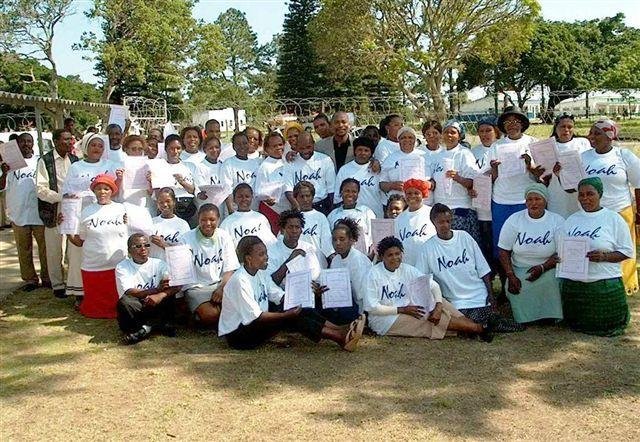
NOAH encourages Arc managers to develop income-generating projects that will help them raise money to support themselves. In fact, this is a big piece of the NOAH model. Arcs are managed by people in the community, who receive training on a variety of topics including general business operations, subject matter for the kids to learn, and how to raise money to eventually be self-sustaining. The other Arc I visited rents part of its space to a local church to use for community gatherings. There are 101 Arcs across South Africa, and NOAH’s annual budget is 300 million Rand (roughly $45M US dollars).
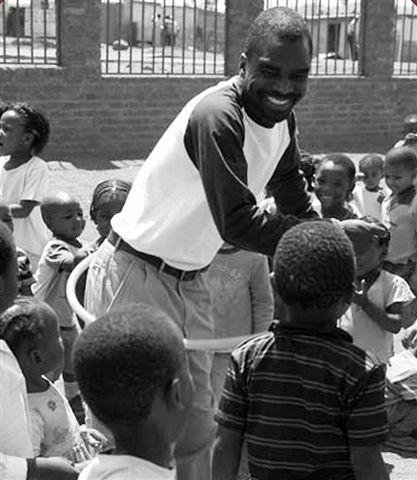
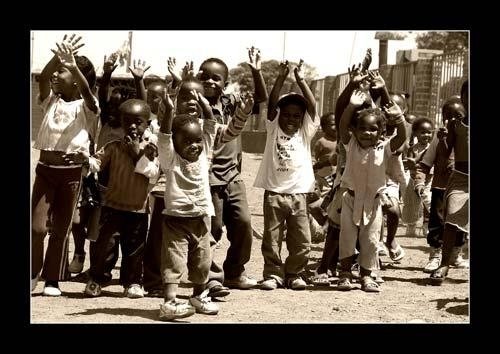
It was wonderful to see how much real interaction and engagement there was with the kids, with an emphasis on general learning, nutrition, and awareness. One of the instructors I observed was teaching the children a song, “My Body Belongs to Me”. The lyrics of the song were repetitive and helped make the children aware of the need to protect their bodies and their health. I did not have the opportunity to observe students coming to the Arcs after school, but learned from Helen and her colleague Mimi, who runs the Arc called Freedom Park, that their facilities are available for day care and after care support to children all the way into their late teens. I also learned that the Arc managers meet regularly to share stories, best practices, and otherwise build each other up so they can collectively be supporting their communities in effective and sustainable ways.
Project reports on GlobalGiving are posted directly to globalgiving.org by Project Leaders as they are completed, generally every 3-4 months. To protect the integrity of these documents, GlobalGiving does not alter them; therefore you may find some language or formatting issues.
If you donate to this project or have donated to this project, you can receive an email when this project posts a report. You can also subscribe for reports without donating.