By Benson Omor | Programs Manager - AMURT
Summary of Progress
AMURT commenced implementation of GlobalGiving Gifts program in January 2026. During the period under review, AMURT implemented targeted community and facility-based interventions to improve health outcomes for 2,814 targeted Children and Adolescents Living with HIV (CALHIV) in Mombasa and Kilifi Counties in Kenya. This was made possible through funding support from GlobalGiving under the GlobalGiving Gift Project (GGGP). The program engaged 20 Community Health Promoters (CHPs) and 8 Community Mentor Mothers (CMMs) who participated in monthly review meetings to assess program progress, strengthen coordination, and improve service delivery. Home visits were conducted for CALHIV and their caregivers across the two Counties. Key interventions included adherence assessments, psychosocial counselling, caregiver mentorship, structured disclosure, and close coordination with health facilities, Sub-County AIDS, and STI Coordinators (SCASCOs). The visits revealed major adherence challenges including caregiver fatigue, stigma, unstable caregiving arrangements, delayed disclosure, economic hardship, pill fatigue, and poor treatment literacy. Mentor mothers and case managers provided targeted support to strengthen viral suppression and retention in care.
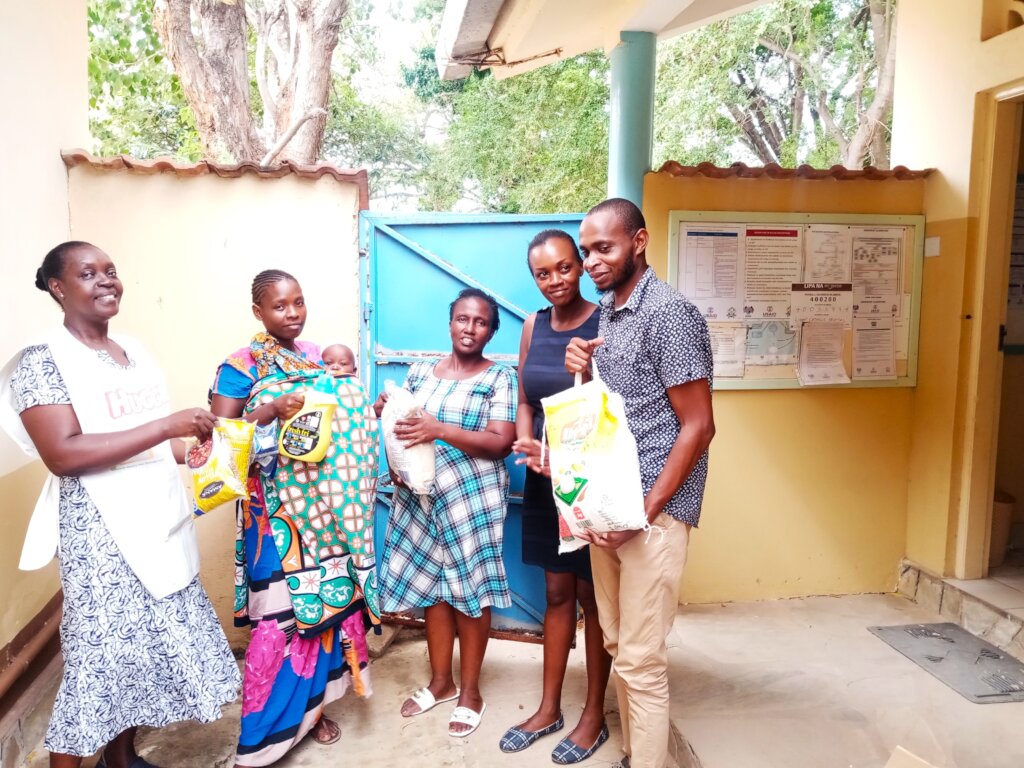
Recognizing the critical role of nutrition in treatment adherence and child wellbeing, the program distributed a total of 2,800 packages food baskets in two quarters, benefitting vulnerable households caring for 2,407 CALHIV aged 0–17 years. Food support was integrated with caregiver support group sessions that provided opportunities for experience sharing, peer learning, psychosocial support, and enhanced caregiver capacity to support adherence and child development. In total, project staff and community workforce attended 97 support group sessions conducted within health facilities across the county, strengthening caregiver engagement and community-facility linkages. The program also implemented several education support interventions aimed at improving school attendance, retention, and academic performance among vulnerable CALHIV. A total of 510 children benefited from scholastic materials support, receiving essential learning materials such as exercise books, stationery, and other educational supplies required for effective participation in school. Additionally, 280 children received school uniform support, helping to promote learner dignity, confidence, and regular school attendance. An additional 807 CALHIV are expected to receive their school uniforms in July with already issued purchase orders to local vendors. School fees support was provided to 376 school-going children from highly vulnerable households, reducing financial barriers to education and minimizing the risk of school absenteeism and dropout.
To further improve access to treatment services, transport-to-care support was provided to 498 CALHIV experiencing financial and logistical barriers to healthcare access. This support enabled beneficiaries and their caregivers to attend clinic appointments, viral load monitoring sessions, adherence counselling appointments, and ART refill visits. The intervention contributed significantly to reducing missed appointments, improving retention in care, and supporting positive treatment outcomes.
Activities Implemented
1. Community Workforce Engagement
The program engaged 20 Community Health Promoters (CHPs), and 8 Community Mentor Mothers (CMMs) to support CALHIV interventions. Monthly feedback meetings were convened to review program implementation progress, strengthen coordination, and align strategies toward achieving project targets for Children and Adolescents Living with HIV (CALHIV). The meetings brought together CHPs working across the 2 Counties to reflect on key performance areas, address implementation gaps, and agree on actionable next steps. The meetings reviewed the deployment of CHPs across counties. Discussions focused on workload distribution, geographical coverage, and service delivery efficiency. It was noted that some CHPs were managing disproportionately large or hard-to-reach areas, affecting the consistency and quality of follow-up services. A realignment strategy was agreed upon to ensure equitable distribution of CHPs based on caseload and geographic accessibility. The CHPs are committed to strengthening community-level mapping, improving collaboration with health facilities, and enhancing caregiver engagement to accelerate enrollment.
2. Structured home visits to CALHIV households
During the reporting period, AMURT conducted structured home visits to households for 2,407 CALHIV to strengthen ART adherence among Children and Adolescents Living with HIV (CALHIV) and People Living with HIV (PLHIV). Mentor mothers, Caseworkers and case manager conducted in-depth adherence assessments, provided psychosocial counselling, supported structured disclosure processes, and strengthened caregiver capacity to ensure sustained viral suppression. Home visits revealed persistent adherence gaps largely associated with caregiver fatigue, economic strain, unstable caregiving arrangements, poorly managed disclosure processes, and limited treatment literacy. Several caregivers reported struggling to balance income-generating activities with consistent medication supervision, leading to delayed or missed doses. Adolescents attending boarding schools expressed fear of stigma and exposure, resulting in skipped doses or inconsistent timing. Emotional distress was observed, particularly among adolescents recently disclosed to. Additionally, some households reported discouraging experiences at Comprehensive Care Clinics due to perceived negative staff attitudes and long waiting times, which further affected clinic attendance.
3. Psychosocial support group sessions
A total of 97 caregiver support group sessions were attended by project staff, Community Health Promoters (CHPs), and Community Mentor Mothers (CMMs) across the two counties. The sessions focused on key topics including treatment adherence, disclosure of HIV status, psychosocial wellbeing, positive parenting, nutrition, viral load suppression, stigma reduction, and retention in care. The support groups provided caregivers with opportunities for peer learning and mutual encouragement, enabling them to exchange practical solutions to common challenges associated with caring for children and adolescents living with HIV. Community Mentor Mothers facilitated discussions and offered mentorship based on their lived experiences, helping caregivers build confidence in supporting treatment adherence and addressing psychosocial concerns within their households. The sessions also strengthened treatment literacy among caregivers by enhancing their understanding of antiretroviral therapy (ART), the importance of clinic appointment keeping, medication management, and the critical role of caregivers in achieving and maintaining viral suppression among CALHIV.
4. Provision of food baskets to CALHIV households in need
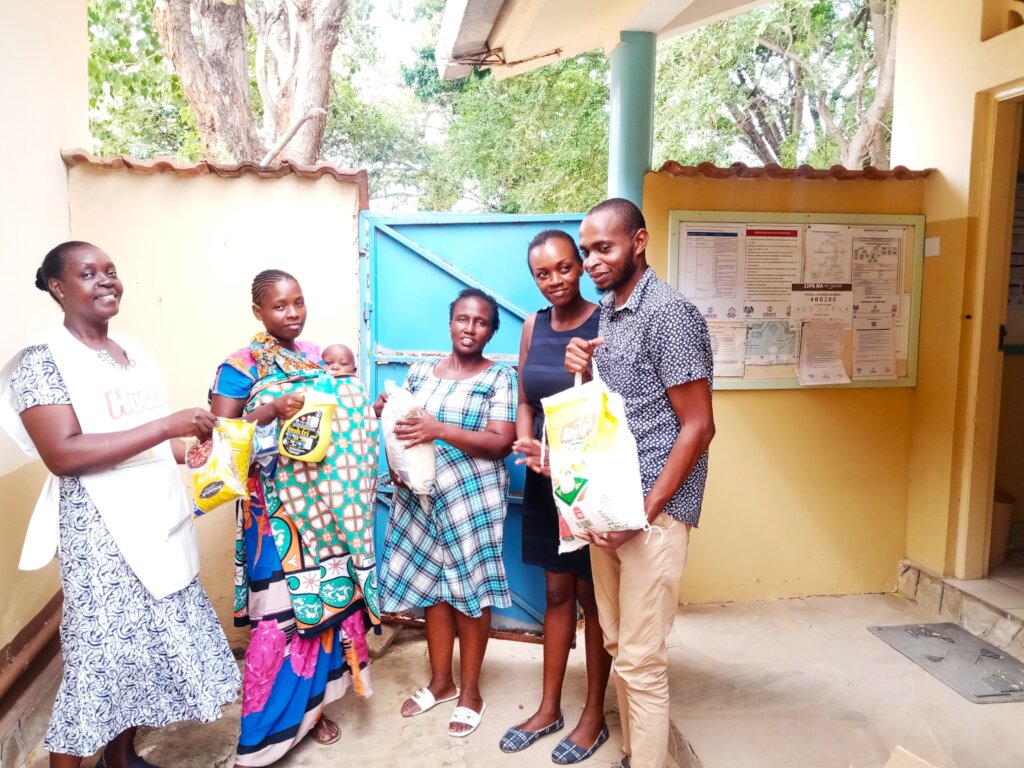
Children living with HIV require consistent medical care, adequate nutrition, and strong psychosocial support in order to maintain adherence to antiretroviral therapy and achieve viral suppression. Caregivers play a critical role in ensuring children attend clinic appointments, take medication consistently, and maintain healthy lifestyles. Many households supporting children living with HIV face socio-economic challenges including food insecurity and limited income sources. Food insecurity can negatively affect treatment adherence because medication is often difficult for children to take on an empty stomach. To address these challenges, the program distributed a total of 2,800 packages food baskets in two quarters; benefitting vulnerable households caring for 2,407 CALHIV aged 0–17 years. Support group sessions were conducted, bringing together caregivers of children living with HIV from different health facilities. The sessions provided a safe and interactive space for caregivers to discuss their experiences and challenges in caring for children living with HIV.
5. Provision of school uniforms to CALHIV in need
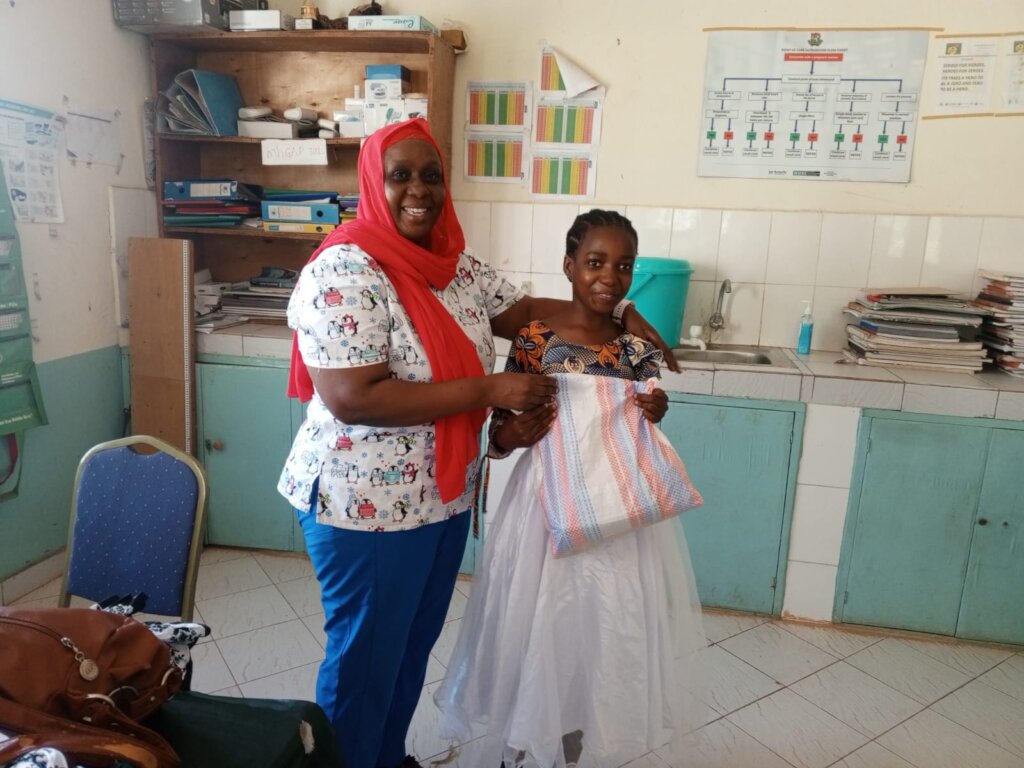
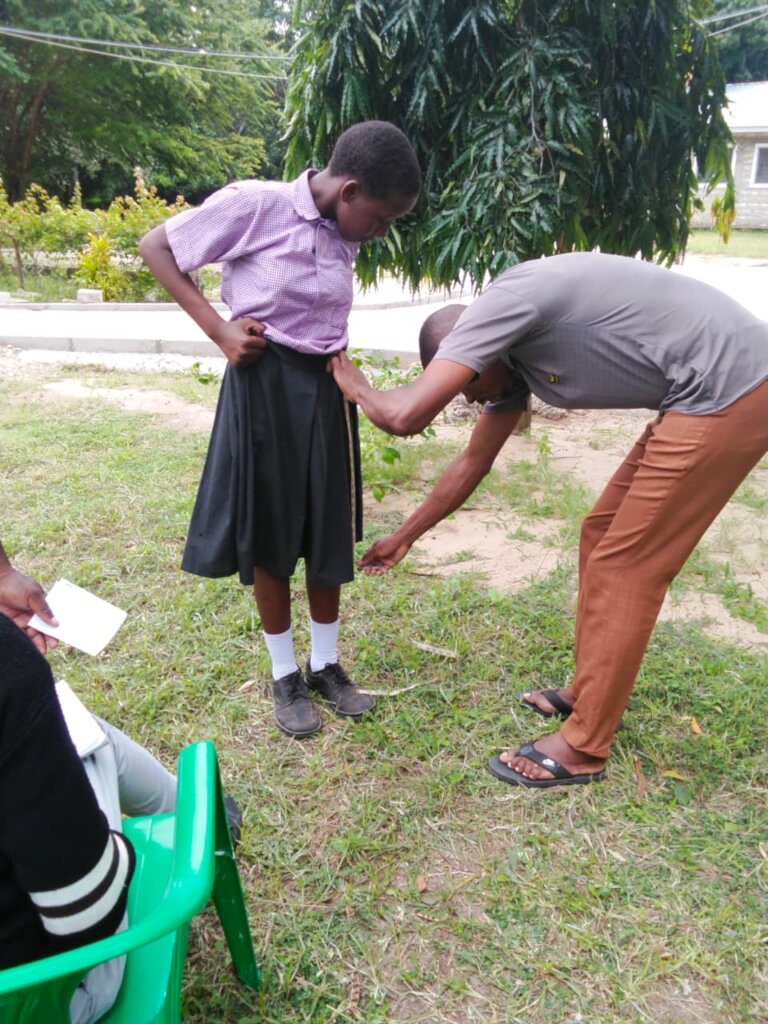
During the reporting period, AMURT successfully provided school uniform support to 280 vulnerable children as part of ongoing efforts to enhance access to quality education and improve the wellbeing of children from disadvantaged households. An additional 807 CALHIV are expected to receive their school uniforms in July with already issued purchase orders to local vendors. The intervention recognized the important role that adequate school attire plays in promoting school attendance, boosting learner confidence, and fostering a sense of belonging among school-going children. Prior to the distribution, a comprehensive beneficiary verification and uniform measurement exercise was conducted to ensure that each child received appropriately fitting uniforms. Beneficiaries, accompanied by their caregivers, participated in the process, which enabled project staff to confirm beneficiary details, collect accurate measurements, and maintain accountability throughout the intervention. Caregivers were also engaged and informed about the support process. This provided an opportunity for direct interaction with project staff and reinforcing the project's commitment to addressing the educational needs of vulnerable children. Following the successful completion of the measurement and production process, 280 children received school uniforms tailored to their respective sizes and needs.
6. Provision of school fees to CALHIV in need
During the reporting period, AMURT provided school fees support to 376 vulnerable school-going children living with HIV in the two counties. The intervention addressed financial challenges faced by many households struggling to meet educational costs alongside healthcare, nutrition, and other basic needs, which often place children at risk of absenteeism and school dropout. To ensure fair and targeted support, AMURT established a fee vetting committee that adopted a needs-based approach to beneficiary selection. Household assessments and verification exercises were conducted in collaboration with Community Health Promoters (CHPs) and project staffs to evaluate factors such as household income, caregiver employment status, family size, educational expenses, health-related costs, and overall socio-economic vulnerability. The assessments revealed varying levels of need among beneficiary households, with many families facing significant financial pressures due to caregiving responsibilities and the costs associated with supporting children living with HIV. Based on the findings, the committees determined the appropriate level of support for each beneficiary to ensure resources reached the neediest CALHIV.
7. Provision of scholastic materials to school-going CALHIV
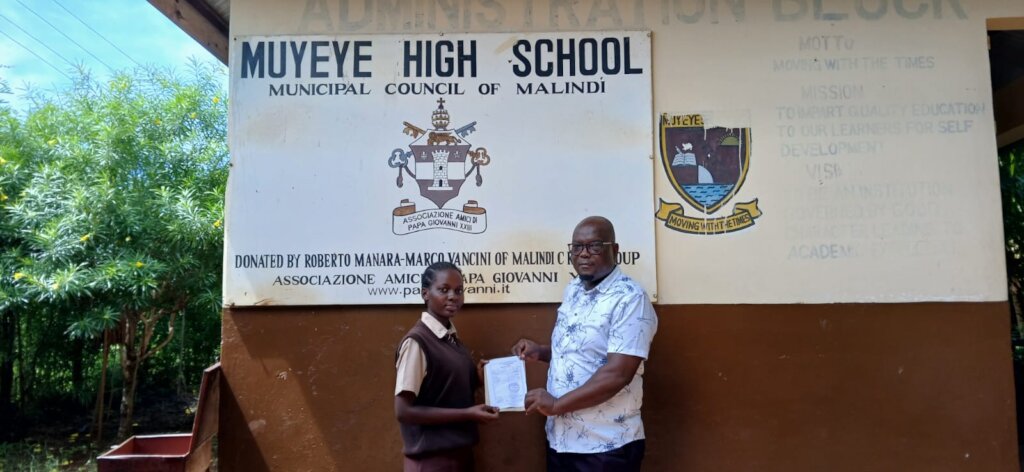
A total of 510 children of school going age benefited from scholastic materials. The activity aimed to reduce educational barriers faced by vulnerable children by providing essential learning materials required for school attendance and academic participation. The distribution exercise brought together caregivers, children, community volunteers, and program staff at a designated community venue. The beneficiaries received assorted educational supplies packed in bags, including exercise books and other writing materials tailored to support their educational needs. Staff members also provided instructions and information regarding the proper utilization of the materials and emphasized the importance of supporting children to remain active and committed to their studies. The session provided an opportunity to explain the purpose of the support, and engage caregivers on the importance of education for children living with HIV.
8. Facilitation of transport to care for CALHIV
Transport to Care support was provided to 498 Children and Adolescents Living with HIV (CALHIVs) to address barriers that hinder consistent access to HIV treatment and care services. Many beneficiaries face financial constraints, long travel distances, school commitments, and competing household priorities, which often result in missed clinic appointments and poor adherence to antiretroviral therapy (ART). To mitigate these challenges, transport facilitation is being offered to eligible and vulnerable clients to ensure timely attendance of scheduled clinic visits. The intervention targets CALHIVs with a history of missed appointments, unsuppressed viral load, those enrolled in boarding schools, and clients residing far from health facilities. Case managers and mentor mothers conduct adherence assessments during home visits, psychosocial support sessions, and routine facility reviews to identify clients in need of transport assistance. Close coordination with healthcare providers ensures that transport support aligns with scheduled clinic appointments, viral load monitoring, enhanced adherence counselling sessions, and multidisciplinary team reviews. Provision of transport support is contributing to improved clinic attendance, reduced treatment interruptions, and strengthened follow-up of unsuppressed clients.
Results Achieved This Period:
Quantitative results (numbers reached, services delivered)
Qualitative results (behavior change, improved wellbeing, skills gained)
People reached
Target Population:
Children and Adolescents Living with HIV (CALHIV) aged below 18 years with high viral load, and their primary caregivers, in Mombasa and Kilifi Counties, Kenya.
Number Planned for This Period:
2,814 Children and Adolescents Living with HIV (CALHIV)
Number Reached This Period:
2,407 Children and Adolescents Living with HIV (CALHIV)
Total Reached to Date:
2,407 Children and Adolescents Living with HIV (CALHIV)
Story of Change
Child Protection & Health Equity (CALHIV)
A Whisper of Danger
The Global Gift Giving Project team received a disturbing allegation in March of this year that a young girl with HIV had gone missing from her Kiwandani family members. At barely 16 years old, her life had already been a quiet battle for health, dignity, and normalcy. But now, the whisper carried a darker truth: she had been forced into marriage and taken to a remote village. For a child living with HIV (CALHIV), the stakes are never just social or legal. They are medical and mortal. Interrupting her Antiretroviral Therapy (ART) for even a few weeks could trigger drug resistance, a collapse of her immune system, and a lifetime of consequences. Every day she remained hidden was a day her body was losing its silent war. The project team knew this was not merely a rescue. It was a race against time.
The Turning Point
On March 10, 2026, Project Staff member Mr. Paul Atang’a activated an emergency multi-agency response. He knew that no single organization could untangle the knot of forced marriage, child protection, and public health alone. Within hours, he assembled a team that many would assume impossible to coordinate on short notice: the State Department for Children’s Services and the National Police Service (CDOH Kilifi). Together, they drove toward Dungicha Village, Ganze Sub-County - a place where tradition often silences the law, and where a girl’s cry for help is rarely heard. When they arrived, they found her. Not a bride. Not a wife. A child. Frightened, silent, and visibly frail from missed medication. The men who claimed her as property were present, but under the combined authority of the police and children’s officers, no violence was needed. The law spoke clearly, and for once, it spoke for her. She was removed from the forced union without incident - a small miracle in a world where such rescues often turn volatile.
The New Beginning
She is not yet healed, but safe. The minor was escorted directly to the Kikambala Rescue Centre in Bofa - a designated safe house that understands the unique needs of CALHIV survivors. Within 24 hours, three critical things happened:
What This Change Means
This was a successful “extraction and placement.” But in human terms, this was the difference between a life lost to early marriage, HIV complications, and abuse - and a second chance. The minor is now taking regular balanced meals, taking her medication in a calm environment, and for the first time in months, sleeping without fear. She has begun to speak again - just a few words to her counselor. Those words are the true metric of success.
Looking forward
The Global Gift Giving Project, together with the Children’s Services, will continue active case management. Our commitments are:
She has a name, a diagnosis, a history of pain—and now, a future of possibility
Challenges and Learnings
Challenges Encountered
During the implementation period, the program experienced several challenges that affected service delivery and the achievement of planned targets. The program faced high demand for support services, particularly in areas such as school fees assistance, food baskets, transport support, and psychosocial interventions. In some cases, the demand exceeded available resources, placing pressure on program capacity and requiring prioritization of urgent cases. The project discovered several related problems that had an impact on children and adolescents living with HIV (CALHIV) adherence. Consistent supervision of treatment regimens was hampered by caregiver exhaustion and emotional stress, especially in households with several dependents or orphaned children. Adolescents experience disorientation, denial, and medication resistance as a result of delayed or poorly handled disclosure procedures. Particularly for boarding school students, stigma in schools and communities remained to deter regular drug use and clinic visits. Adolescent engagement was impacted by occasional unfavorable staff attitudes at health facilities, and financial strain restricted the ability of caregivers to attend clinic sessions and provide adequate nutrition.
How We Responded
In response to the challenges encountered during implementation, the program adopted several corrective and adaptive measures to strengthen service delivery and improve outcomes. Strengthened collaboration with health facilities improved tracing, referral, and enrolment of eligible children and adolescents into the program. In response to the high demand for support services, prioritization criteria were applied to ensure the most vulnerable households received timely assistance. The program also enhanced coordination with partners and stakeholders to mobilize additional support where possible. For follow-up and case tracking challenges, the program strengthened household tracking mechanisms through updated contact information, enhanced community follow-ups, and closer collaboration between CHPs, CMMs, and facility-based teams. To overcome geographical and access barriers, home visits were better planned using cluster-based scheduling to reduce travel inefficiencies. CHPs were also supported to prioritize high-need households in hard-to-reach areas. In addressing stigma and disclosure issues, psychosocial support was intensified through mentor mothers, adherence counselling, and caregiver engagement sessions to encourage disclosure, reduce stigma, and improve retention in care.
Key Lessons Learned
The implementation period provided several important lessons that will inform future programming and strengthen service delivery. One key lesson is that early and continuous community case finding is critical in improving CALHIV enrolment. Strengthening collaboration between CHPs and facility teams significantly enhances identification, linkage, and retention in care. It was also observed that demand for social support services is consistently high and often exceeds available resources. This highlights the need for stronger resource mobilization, better targeting mechanisms, and strengthened partnerships to ensure sustained support for vulnerable households. The program also learned that regular follow-up and strong case management improve outcomes for CALHIV. Households that received consistent home visits and adherence counselling showed better engagement and continuity in care. Additionally, community barriers such as stigma and disclosure challenges remain significant, and require ongoing psychosocial support, caregiver engagement, and community sensitization to improve acceptance and openness.
Sustainability and next steps
To ensure the continuity and long-term impact of the program, several sustainability measures been put in place. A key focus is strengthening community structures, particularly CHPs and CMMs, to ensure ongoing case identification, follow-up, and psychosocial support beyond the project period. Continuous mentorship and capacity building will be maintained to enhance their effectiveness. The program will also prioritize integration of services within existing health systems and community health strategies to ensure ownership by government and facility-based structures. This will enhance continuity of care for CALHIV and reduce dependency on external support. Efforts will be made to strengthen partnerships and resource mobilization, engaging government stakeholders, donors, and implementing partners to support critical needs such as school fees, nutrition support, transport assistance, and scholastic materials. In addition, the program will focus on improving data systems and reporting mechanisms to ensure accurate tracking of beneficiaries and outcomes. Strengthened data use will support evidence-based decision-making and improved targeting of services. Moving forward, the program will also scale up community sensitization and psychosocial support activities to address stigma, improve disclosure, and enhance retention in care for CALHIV and their caregivers. Finally, regular coordination meetings and joint reviews will continue to be held to track progress, share lessons, and ensure timely response to emerging needs. These will enhance sustainability; improve efficiency and outcomes for CALHIV and vulnerable households.
How the Benefits of the Project Will Continue
The benefits of the project are expected to continue beyond the implementation period through strengthened community systems, improved caregiver capacity, and better integration of services within existing health structures. A key pathway for sustainability is the continued role of Community Health Promoters (CHPs) and community Management Mentors (CMMs), who have been equipped with skills in case identification, follow-up, adherence counselling, and psychosocial support. These community structures will remain active in supporting CALHIV households even after the project support phases out. The project has also strengthened caregiver knowledge and capacity, particularly in adherence support, psychosocial care, and health-seeking behavior. This empowerment ensures that caregivers continue to provide essential care and support to children and adolescents living with HIV within their households.
Planned Activities for the Next Quarter / Post-Project
In the next quarter and post-project period, the program will focus on sustaining gains achieved while strengthening systems for long-term impact. Key planned activities include continued community case identification and enrolment of CALHIV, with CHPs and facility teams intensifying outreach to identify and link eligible children and adolescents not yet enrolled. The program will also continue routine home visits and adherence counselling sessions to support treatment continuity, improve viral suppression outcomes, and strengthen caregiver engagement in the care process. Special attention will be given to high-risk and hard-to-reach households. Ongoing psychosocial support activities will be prioritized, including caregiver support groups, mentor mother sessions, and adolescent-friendly engagements aimed at improving mental health, disclosure, and adherence outcomes.
Use of funds
Exchange Rate (CBK) - 129.289918
PERSONNEL
FRINGE BENEFITS
TRAVEL
OTHER DIRECT COSTS
Emergency Support for At-risk Families – Food Basket (GGGP1.1)
Transport Support to Health Facilities (GGGP1.2)
Transport Facilitation for Care & Viral Load Monitoring (GGGP2.1)
School Fees, Uniforms, and Supplies
School Fees (GGGP3.1)
School Uniforms (GGGP3.2)
Scholastic Materials (GGGP3.3)
Monitoring and Evaluation Budget
Data Collection Tools (GGGP4.1)
Data Assistants (GGGP4.2)
Transport for M&E (GGGP4.3)
Mentor Mothers Stipends (GGGP4.4)
CHPs Stipends (GGGP4.5)
OFFICE DIRECT COSTS
GRAND TOTAL (FY26)
Project reports on GlobalGiving are posted directly to globalgiving.org by Project Leaders as they are completed, generally every 3-4 months. To protect the integrity of these documents, GlobalGiving does not alter them; therefore you may find some language or formatting issues.
If you donate to this project or have donated to this project, you can receive an email when this project posts a report. You can also subscribe for reports without donating.



Support this important cause by creating a personalized fundraising page.
Start a Fundraiser