By Benson Omor | Programs Manager
Summary of Progress
During the reporting period, AMURT implemented targeted community- and facility-based interventions to improve treatment adherence and psychosocial wellbeing among Children and Adolescents Living with HIV (CALHIV) in Mombasa County. This was made possible through funding support from GlobalGiving under the GlobalGiving Gift Project (GGGP). Notably, 214 beneficiaries from the previous project cycle were successfully absorbed into the GlobalGiving Gifts Programme (GGGP), ensuring continuity of care and support. As a result, project interventions for the current cycle were concentrated within Q1 in 2026, during which the 214 beneficiaries were reached across all six sub-counties.
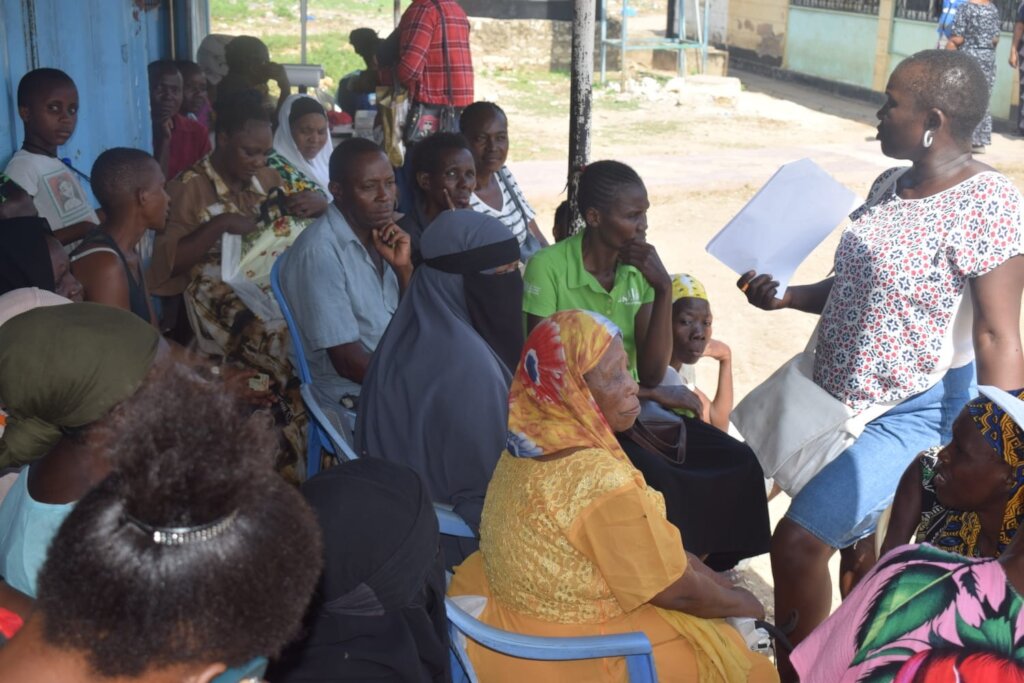
Under community workforce engagement, 10 Community Health Promoters (CHPs) and 4 Community Mentor Mothers (CMMs) participated in a review meeting to assess program progress, strengthen coordination, and improve service delivery. Discussions focused on CHP workload distribution, enrolment progress, and educational support for vulnerable children. Home visits were conducted for CALHIV and their caregivers across the six sub-counties. Key interventions included adherence assessments, psychosocial counselling, caregiver mentorship, structured disclosure, and close coordination with health facilities and Sub-County AIDS and STI Coordinators (SCASCOs). The visits revealed major adherence challenges including caregiver fatigue, stigma, unstable caregiving arrangements, delayed disclosure, economic hardship, pill fatigue, and poor treatment literacy. Mentor mothers and case managers provided targeted support to strengthen viral suppression and retention in care.
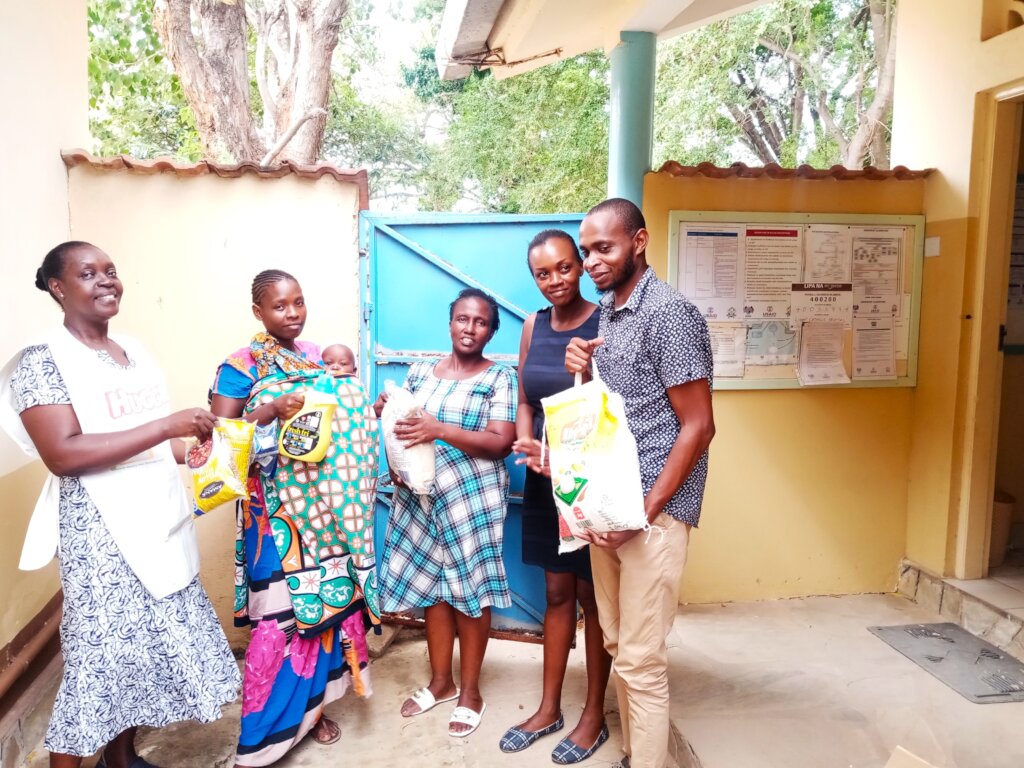
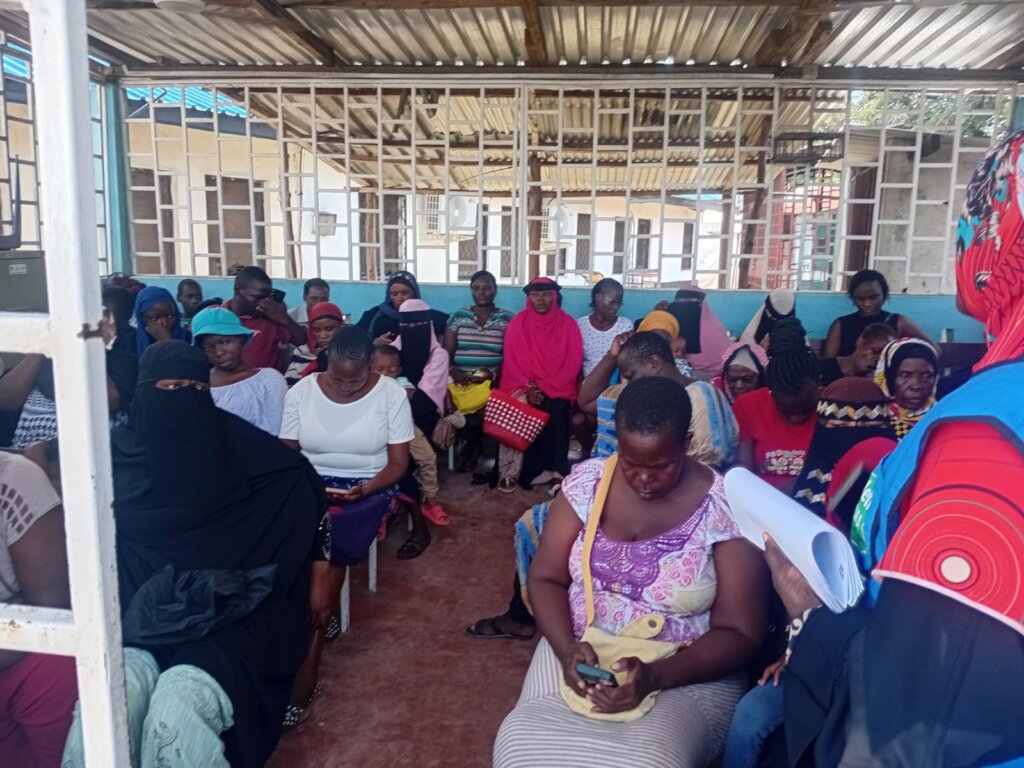
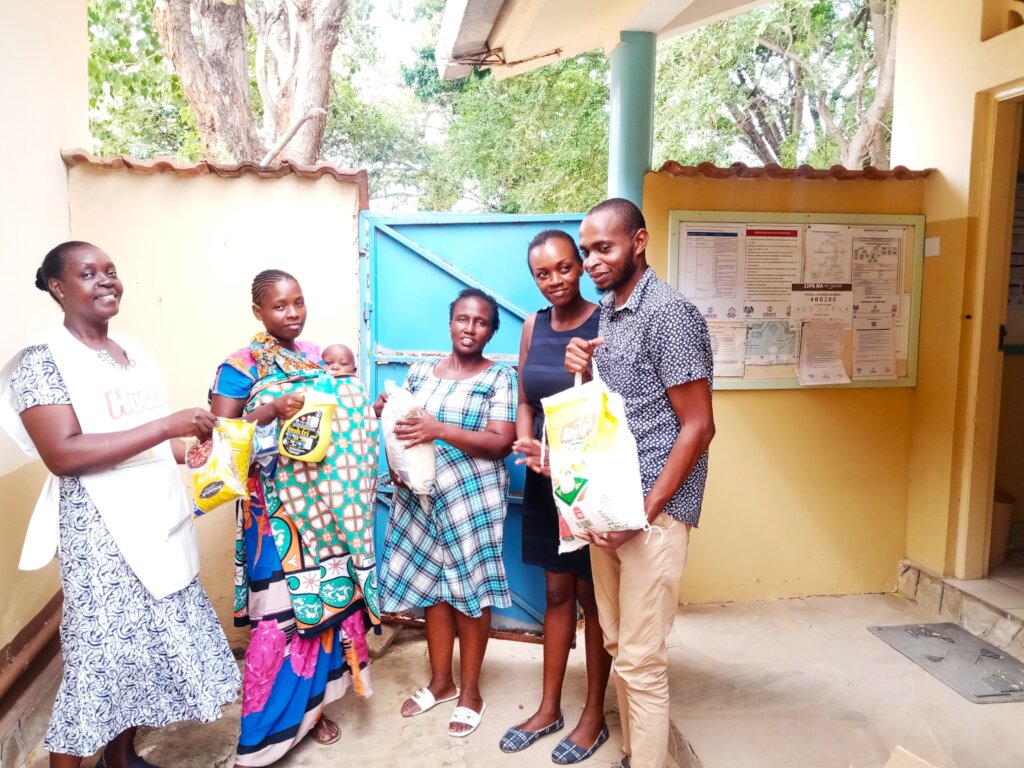
The program also distributed food baskets to households for the 214 CALHIV. The intervention was combined with caregiver support group sessions, which provided a platform for caregivers to share experiences, receive psychosocial support, and strengthen their capacity to support treatment adherence. Nutritional support and Transport to Care were provided to the most vulnerable households to reduce barriers to treatment access. In addition, transport-to-care support was also provided to address financial and logistical barriers to accessing treatment services. This support enabled children and caregivers to attend clinic appointments, viral load monitoring, adherence counselling, and ART refill visits, contributing to improved retention in care and treatment outcomes. Overall, the interventions strengthened caregiver treatment literacy, reduced missed clinic appointments, enhanced community-facility collaboration, and contributed to improved adherence and sustained viral suppression among vulnerable CALHIV in Mombasa County.
Activities Implemented
Results Achieved This Period:
Quantitative results (numbers reached, services delivered)
Qualitative results (behavior change, improved wellbeing, skills gained)
People reached
Target Population:
Children and Adolescents Living with HIV (CALHIV) aged below 19 years with high viral load, and their primary caregivers, in Mombasa County.
Number Planned for This Period:
214 Children and Adolescents Living with HIV (CALHIV)
Number Reached This Period:
214 Children and Adolescents Living with HIV (CALHIV)
Total Reached to Date:
214 Children and Adolescents Living with HIV (CALHIV)
Disagregration
Story of Change
During routine home visit in Changamwe Sub County, James* not his real name was found bedridden at home in a very weak condition. The child appeared withdrawn, malnourished, and unable to carry out normal daily activities. Upon conducting a pill count, it was discovered that the child had not been taking the prescribed medication consistently. The situation was deeply concerning, and immediate action was needed. Through support from a well-wisher, funds were mobilized to enable the child to be taken to the hospital for further diagnosis and treatment. Medical assessments revealed that the child was severely malnourished and had Tuberculosis (TB). It was also established that the child's mother was suffering from Multi-Drug Resistant Tuberculosis (MDR-TB).
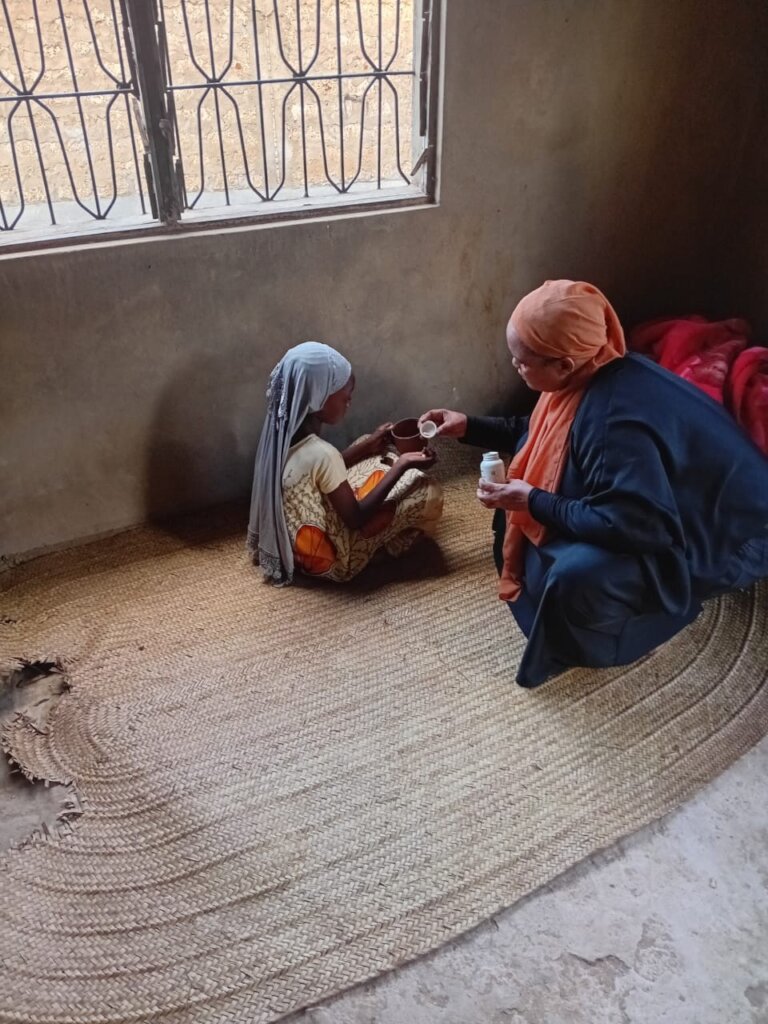
Following the diagnosis, both the child and the mother were immediately started on medication and linked to appropriate care and support services. Regular follow-up is currently being done both at the health facility and through community support systems. The Community Mentor Mother (CMM) is actively conducting Directly Observed Therapy (DOT) to ensure that the family adheres to medication and attends all scheduled appointments. This intervention has brought renewed hope to the family. What began as a distressing home visit has now become a story of resilience, support, and recovery. Continued monitoring and adherence support are ongoing to improve the health and wellbeing of both the child and the mother.
Challenges and Learnings
Challenges Encountered
During the implementation period, the program experienced several challenges that affected service delivery and the achievement of planned targets. The program faced high demand for support services, particularly in areas such as school fees assistance, food baskets, transport support, and psychosocial interventions. In some cases, the demand exceeded available resources, placing pressure on program capacity and requiring prioritization of urgent cases.
In addition, implementation was further affected by follow-up and case tracking difficulties, as some CALHIV households were not consistently reachable due to mobility, missed appointments, or incomplete contact information. This made continuous monitoring and follow-up more challenging. Geographical and access barriers also impacted service delivery, particularly in hard-to-reach areas where transport limitations delayed home visits and routine follow-ups. Furthermore, stigma and disclosure issues continued to pose a challenge, as some caregivers and adolescents were hesitant to fully disclose their HIV status, which affected enrolment, engagement, and continuity of care.
How We Responded
In response to the challenges encountered during implementation, the program adopted several corrective and adaptive measures to strengthen service delivery and improve outcomes. Strengthened collaboration with health facilities improved tracing, referral, and enrolment of eligible children and adolescents into the program. In response to the high demand for support services, prioritization criteria were applied to ensure the most vulnerable households received timely assistance. The program also enhanced coordination with partners and stakeholders to mobilize additional support where possible. For follow-up and case tracking challenges, the program strengthened household tracking mechanisms through updated contact information, enhanced community follow-ups, and closer collaboration between CHPs, CMMs, and facility-based teams. To overcome geographical and access barriers, home visits were better planned using cluster-based scheduling to reduce travel inefficiencies. CHPs were also supported to prioritize high-need households in hard-to-reach areas. In addressing stigma and disclosure issues, psychosocial support was intensified through mentor mothers, adherence counselling, and caregiver engagement sessions to encourage disclosure, reduce stigma, and improve retention in care.
Key Lessons Learned
The implementation period provided several important lessons that will inform future programming and strengthen service delivery. One key lesson is that early and continuous community case finding is critical in improving CALHIV enrolment. Strengthening collaboration between CHPs and facility teams significantly enhances identification, linkage, and retention in care. It was also observed that demand for social support services is consistently high and often exceeds available resources. This highlights the need for stronger resource mobilization, better targeting mechanisms, and strengthened partnerships to ensure sustained support for vulnerable households.
The program also learned that regular follow-up and strong case management improve outcomes for CALHIV. Households that received consistent home visits and adherence counselling showed better engagement and continuity in care. Additionally, community barriers such as stigma and disclosure challenges remain significant, and require ongoing psychosocial support, caregiver engagement, and community sensitization to improve acceptance and openness. Finally, effective coordination among CHPs, CMMs, and facility teams is critical for success. Regular communication and structured coordination meetings were found to improve efficiency, reduce delays, and enhance service delivery.
Use of funds
Sustainability and next steps
How the Benefits of the Project Will Continue
The project strengthened caregiver capacity, community mentorship, and linkages with health facilities, ensuring that benefits extend beyond the funding period. Caregivers are now better equipped with treatment literacy and psychosocial skills to support consistent adherence among CALHIV. Mentor mothers and community health workers remain embedded within the communities and will continue to provide follow-up, encouragement, and linkage to Comprehensive Care Clinics (CCCs). Coordination with Sub-County AIDS and STI Coordinators (SCASCOs) and facility teams has institutionalized improved referral, reporting, and adolescent-friendly service delivery.
Planned Activities for the Next Quarter / Post-Project
In the next quarter and post-project period, the program will focus on sustaining gains achieved while strengthening systems for long-term impact. Key planned activities include continued community case identification and enrolment of CALHIV, with CHPs and facility teams intensifying outreach to identify and link eligible children and adolescents not yet enrolled. The program will also continue routine home visits and adherence counselling sessions to support treatment continuity, improve viral suppression outcomes, and strengthen caregiver engagement in the care process. Special attention will be given to high-risk and hard-to-reach households. Ongoing psychosocial support activities will be prioritized, including caregiver support groups, mentor mother sessions, and adolescent-friendly engagements aimed at improving mental health, disclosure, and adherence outcomes.
The program will further implement targeted social support interventions, including coordination for school fees assistance, scholastic materials, uniforms, food baskets, and transport support, based on vulnerability assessments and available resources. Strengthening of data collection, reporting, and case management systems will continue through mentorship of CHPs and CMMs to improve data quality, timeliness, and use for decision-making. In addition, stakeholder engagement and coordination meetings will be held regularly to review progress, share updates, and enhance collaboration between community, facility, and implementing partners. Finally, the program will focus on transition and sustainability planning activities, ensuring that community structures, referral systems, and health facility linkages are fully strengthened to sustain services beyond the project period.
Gaps and Remaining Needs.
Despite the progress made during the implementation period, several gaps and unmet needs remain that require continued attention to ensure sustained impact. There is continued resource gap to meet high demand for social support services, including school fees assistance, food support, transport, uniforms, and scholastic materials. The available resources were not sufficient to fully meet all identified needs, leaving some vulnerable households underserved. Another gap relates to limited capacity for consistent follow-up and case tracking, particularly in hard-to-reach areas and among mobile households. Strengthening tracking systems and improving updated contact information remains necessary.
Declaration
We confirm that this report accurately reflects the implementation of the project and the use of GlobalGiving funds.
Name & Title: Benson Omor – Programs Manager
Organization: Ananda Marga Universal Relief Team (AMURT).
Date: 28th April, 2026
Project reports on GlobalGiving are posted directly to globalgiving.org by Project Leaders as they are completed, generally every 3-4 months. To protect the integrity of these documents, GlobalGiving does not alter them; therefore you may find some language or formatting issues.
If you donate to this project or have donated to this project, you can receive an email when this project posts a report. You can also subscribe for reports without donating.



Support this important cause by creating a personalized fundraising page.
Start a Fundraiser