By EWN | Project Leader Organization
Latest Update from the Field Women’s Trek for Peace and Development
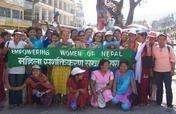
Report on Women’s Trek for Peace and Development: March 9th – 20th 2008
Organized by Empowering Women of Nepal, NGO, in partnership with a Canadian INGO ~ CECI (Centre for International Studies and Cooperation)
Report:
Women’s Trek for Peace and Development March 9th – 20th 2008
Organized by: Empowering Women of Nepal, NGO In partnership with a Canadian INGO ~ CECI (Centre for International Studies and Cooperation)
Every year we celebrate International Women’s Day with an Environmental Awareness program in Pokhara valley. This time we decided to do something different and instead we thought to bring together Canadian women and disadvantaged women from remote areas of Nepal to exchange and share experiences.
The Women’s Trek for Peace and Development in solidarity to the heart of the Himalayas program was organized on the occasion of International Women’s Day 2008. It started with a peace rally on March 8th in Pokhara, followed by an opening ceremony at the Nepal Tourism Board (NTB).
There were 3 separate treks in 3 different remote areas of Nepal. EWN was a partner organization for the Jumla/Rara Lake trek, while 3 Sisters organized the logistics for both group treks in west Nepal (Jumla/Rara Lake and Myagdi). There were different themes in different areas: health and eco-tourism on the Jumla – Rara Lake trek; leadership on the Myagdi trek.
Main Objective:
Give visibility both nationally and internationally to women’s hopes and creative potential for building peace and participating in development.
Specific Objectives:
1. Promote women’s participation in peace building through local empowerment and international awareness raising. 2. Promote the participation of women in economic development and the eco-tourism industry 3. Promote women’s role in the well-being of their community through improved health awareness.
Jumla – Rara Lake Trek
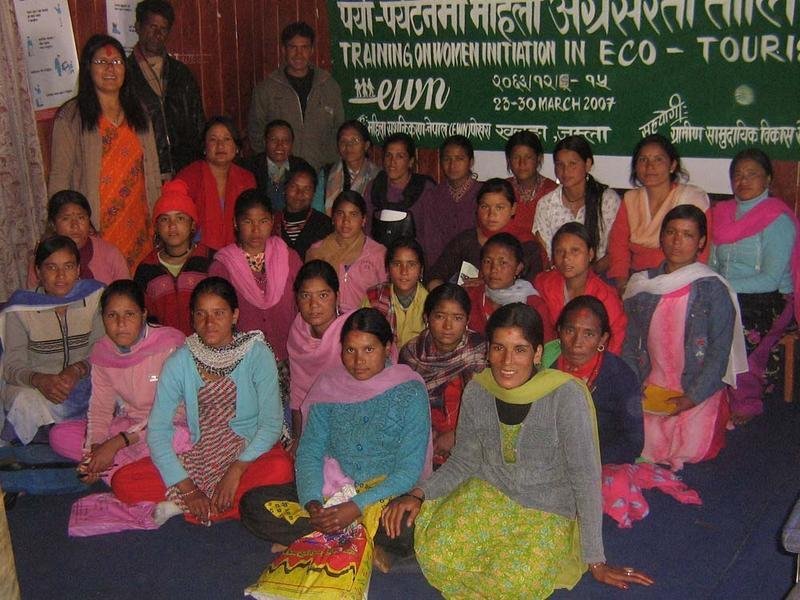
Lucky joined and led the Jumla – Rara Lake Trek, addressing issues on health and ecotourism, both important topics for the local people. Since 2003, EWN has been working in west Nepal on health concern awareness programs. We have been involved in Jumla & Mugu by providing them with training programs based on the theme of Women’s Initiation in Eco Tourism. These areas will improve their health and by becoming involved in eco-tourism, they can earn cash-earning opportunities in the local communities in Jumla – Mugu.
There are many development programs working for poverty alleviation in these remote areas, but nevertheless we need to reach out to the women there to share our feelings and experiences. Many programs are working for the people, but not listening to them. Our presence will show them that we want to listen to what they have to say and allow a proper exchange of views, instead of telling them what we think they should do. During my interaction with local women they considered us different to them. They feel helpless and hopeless. I believe that just financial and other materialistic help will not be enough for these people unless we personally interact with the local community. They need the chance to talk about their feelings and discuss the opportunities available to them so that they can form possible actions for improvement.
Jumla ~ Mugu falls in the Karnali zone, an area where the culture has remained untouched by modern day civilization. People need development help, but little development work has been done there. There are no proper schools or classrooms. Sanitation is very poor and there is a basic lack of hygiene knowledge. They do not know how to wash their hands properly. They hardly ever brush their teeth and wash their face. They are ignorant about disease and do not realize that they can spread disease through lack of good hygiene with the result that even simple injuries and easily cured illnesses can take their lives. They do have a health post, but this is just somewhere where they can get medicine and is not staffed by medical personnel. There is no medical aid available when the people are in need. Only in the district capital is there a hospital, but it also lacks doctors and nurses. In order to get any medical treatment they must go to Nepalganj, a 45-minute flight away.
The people are unaware about child and mother’s health. According to our research, we found that 80% of children living in this area are suffering from malnutrition. We also discovered that it is not because they do not get enough food to eat, but because they do not know how to eat. All the healthy cereals such as maize, buckwheat, millet and so on are grown here, but they do not use these cereals in the right amount.
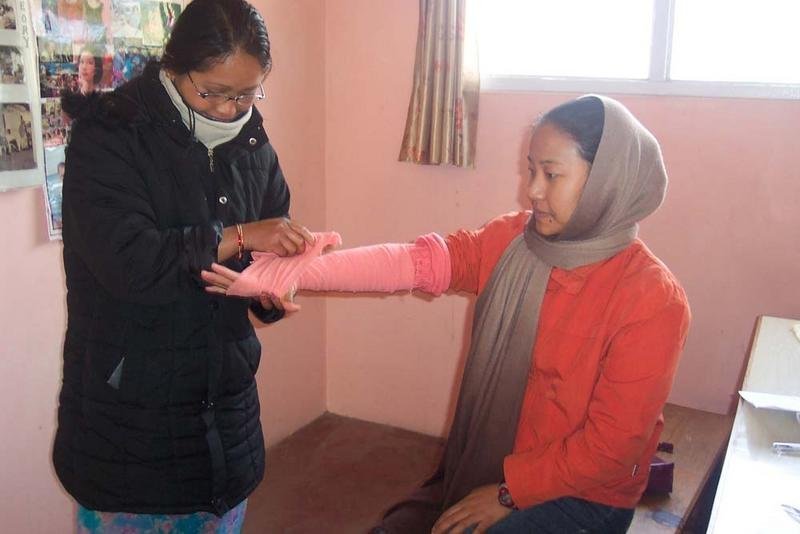
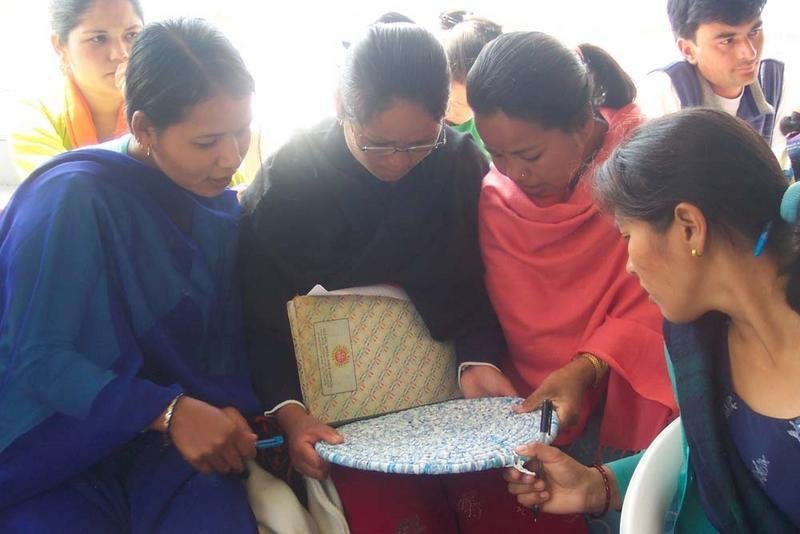
Our group used drama to teach the basics of childbirth, health and hygiene. We gave out delivery kits and also distributed medicine at the health post. We also taught them how to wash their hands and later distributed soap and nail cutters.
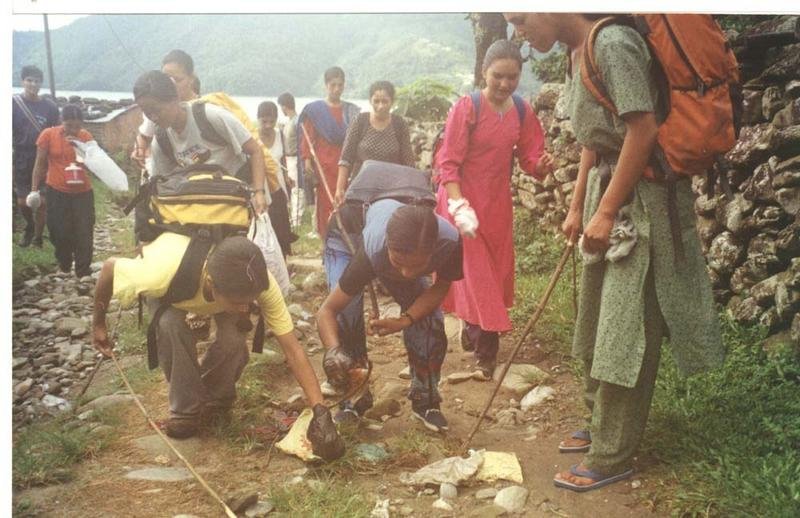
During our trek we were welcomed by many communities with cultural programs. Experiencing such warm welcomes, despite the obvious poverty, brought tears to many trekkers’ eyes.
Conclusion
This trek was very fruitful for locals as well as for us. Each day and moment was a lesson for all of us. Introducing ecotourism by looking at the communities' needs not only encourages tourism development, but also gives hope for the future to the locals. Hand washing and nail cutting were very simple things to share but also very important ones for their daily lives to be healthy. Safe motherhood gives them an idea of how to take care of pregnant women and ensure a safe delivery. It also makes them aware that a clean environment is needed for a healthy life. This program inspired women’s groups to work for saving by providing a small donation. Many locals got jobs as porters which brought cash to their villages. They got a chance to walk with women from other countries, sharing many things. Currently trekking companies who organize treks in west Nepal take all supplies and staff with them, with the result that little or no money is brought into the area. EWN and 3 Sisters are starting a new system of buying and hiring locally. This camping trek put the new system successfully into practice, showing how it should be done as a model for other companies to follow. We are optimistic that we can continue with training and trekking in this area. This area is ideal as a future responsible tourism trekking destination, with many possibilities to explore in this, as yet, untouched traveler destination, offering wonderful experiences full of culture and tradition.
Myagdi Trek
Dicky led the Myagdi trek in the Myagdi region, where the main topic of discussion was devoted to women’s leadership.
Here, village life is still some decades away from today’s world. The same old ways of irrigation are used and the daily lives are as our grandmothers used to have with the same lack of education and opportunities. Girls are deprived of further education and women are still bound to the house and traditional ways.
There is a saying in Nepali “When a female chicken quakes then it is not good” – this means that being a woman, we should not give our opinion. We should always respect what our elders say even though we are not happy and even if it is not fair. We should always listen to what our mother-in-law, father-in-law or husband says. They believe that the women’s role is to be a good daughter-in-law, loving wife and caring mother. In this rural society if a women does or tries to do something good for society or if she speaks out for her rights, then she is considered to be a witch.
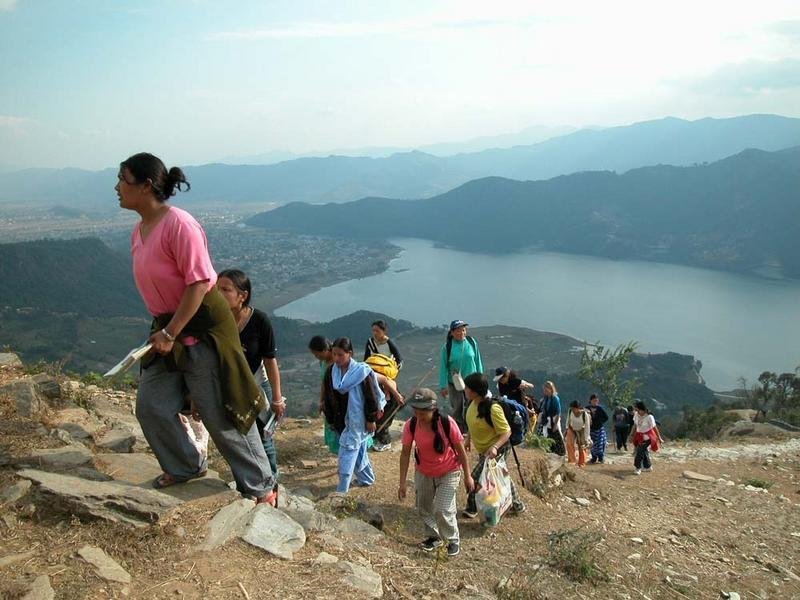
She will be treated very badly. In a male dominated society like ours, it is a challenging job for women to lead the way. We discussed with the local mothers' groups the problems they faced during their periods. They have tried to control the harsh violence against women, but it is very difficult. Hopefully the new Nepal will offer the hope of dignity, equality, and the sharing of wealth for women and marginalized people. Walking off the beaten path for four to six hours every day, the group soon realized that their physical effort was nothing in comparison to the harsh living conditions of the inhabitants of these mountain regions. A lack of essential services, poverty, and constant sickness are a daily reality for 15% of the population of mountain villages in Nepal. We may not be able to immediately change the lives of these people while on this trek, but we can raise awareness and sooner or later we will hopefully see changes in these women’s lives.
Conclusion
This trek was productive for both visitors and locals. Seeing the women porters, guides, community activity moderators and Nepalese journalists were an inspiration to the young villagers encountered along the way, showing them that women have a part to play in society other than the traditional women’s roles.
Project reports on GlobalGiving are posted directly to globalgiving.org by Project Leaders as they are completed, generally every 3-4 months. To protect the integrity of these documents, GlobalGiving does not alter them; therefore you may find some language or formatting issues.
If you donate to this project or have donated to this project, you can receive an email when this project posts a report. You can also subscribe for reports without donating.