By Shanaaz Kapery Randeria (WRHI) | Project Leader and Yezingane Network member
Dear Global Giving donors and valued supporters of the “My Living Positively” project to support the well being of children living with HIV in South Africa.
We would like to showcase one of our Yezingane Network member organizations work involving the “My Living Positively” treatment booklet for children. We would like to thank you again for supporting this project and look forward to your continued support.
By: Shanaaz Kapery Randeria
Wits Reproductive Health & HIV Institute
I have been using the ‘My Living positively’ Handbook for many years with adolescents and younger children. Adolescent open weekly support groups are run on Thursdays and a pre-teen support group is now running very successfully on Tuesdays at the facility I am employed at.
The adolescent weekly support group is available to HIV positive clinic patients (13-21 years old) who have been disclosed to.
The pre-adolescent (9-12 years old) weekly support groups are available to all pre-adolescent HIV positive patients regardless of their knowledge of their HIV status.
The psychosocial programs that I develop and implement are:
- Rights-based
- Developmentally informed
- Child/ youth-friendly
The rights that the pre-adolescent group members are most often aware of are the rights to:
- Basic needs
- Education
- Leisure and play
- Clean environment
- Good health care and services
The accompanying responsibilities of individuals to maximize the benefit from these rights are always discussed.
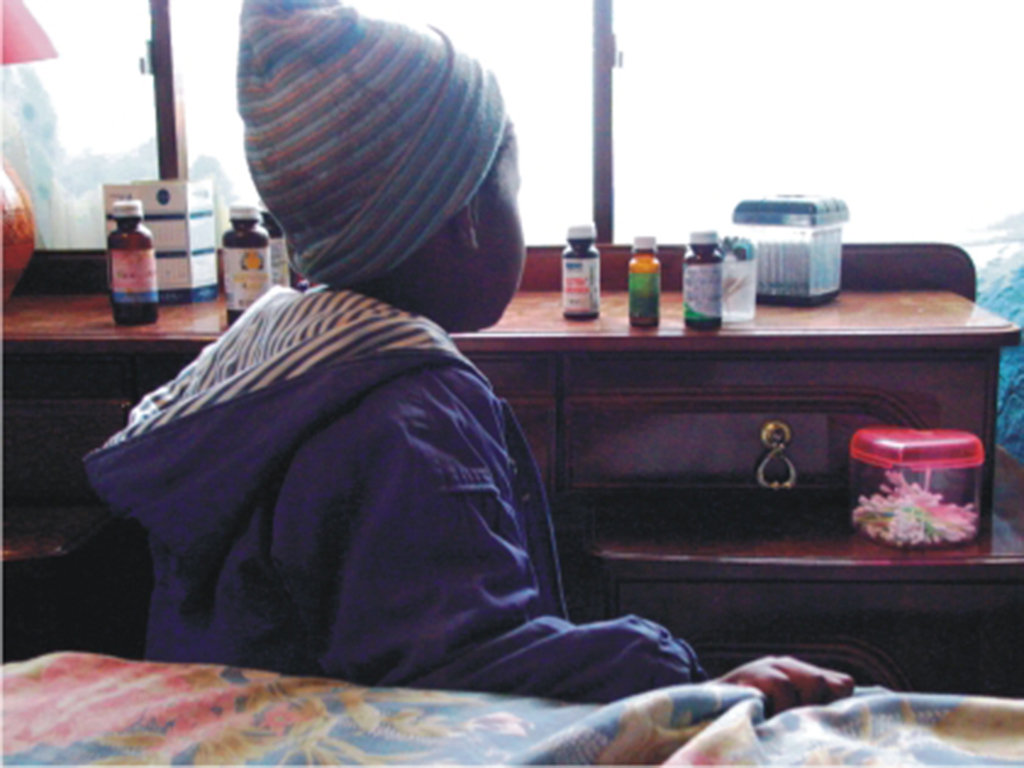
An area of concern, especially with adolescents, is adherence to ARV’s. Developmentally, adolescents are extremely vulnerable to default from their ARV treatment. During the adolescent stage important developmental tasks include: formation of an identity, including a sexual identity, identifying with a peer group, emotional detachment from significant adults, conceptualizing their role in an adult world which includes a career and a family of their own. Adolescence is the stage of sexual debut for most. In addition to being on the threshold of adulthood, which brings with it various adult roles and responsibilities to be fulfilled, adolescents have to accept that their sexuality has come under attack as a result of being HIV positive.
The role of culture in HIV transmission is being acknowledged. The influence of culture is an important and pervasive aspect in the lives of Africans (Hodgson, 1999). Health and ideas about disease and illness are intricately interwoven with our culture. It stands to reason that in order to address HIV/AIDS challenges, that culture should be recognized as an important component of interventions.
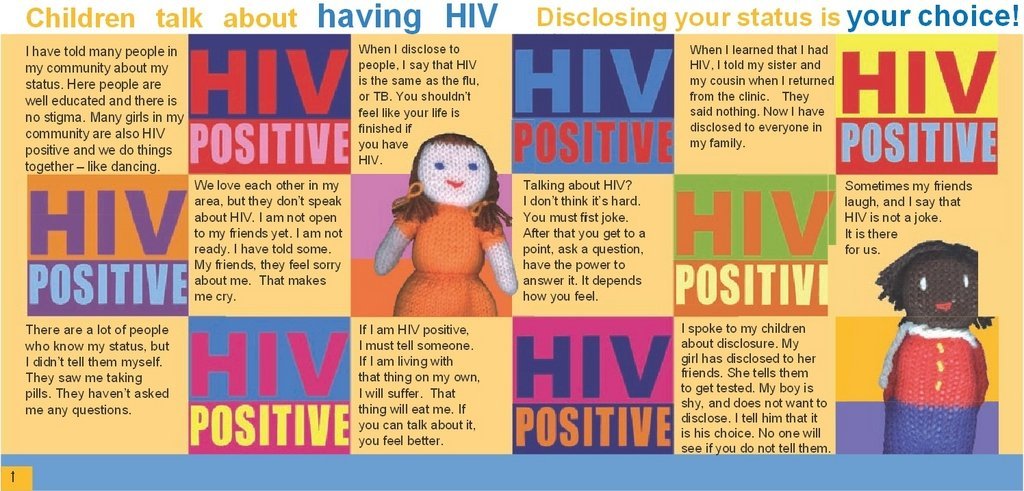
The ‘My Living Positively’ handbook lends itself to a lot of creative uses with children and adolescents.
Specific instances where I have utilized it to stimulate discussion includes
- ‘What happens to my body without help?’ (pp. 22-23)
The adolescent group had to find their own metaphors to depict the relationship between
their health, HIV and ARV’s.
Metaphors by the adolescents:
ARV My health
Airtime Cell phone can be used to make calls
Rain and sunshine Allows flowers to grow
Petrol Allows a car to drive
Food Gives the body and brain energy
Policeman Catching a robber
The pre-adolescent discussion on the role of culture and adherence was introduced with the help of ‘My Living Positively’ handbook (p. 38): the role of traditional healers. Two languages are commonly spoken by support group members viz. Sotho and Zulu. The Sotho word for traditional healer is ‘ngaka’ and the Zulu word is ‘sangoma’. The value of culture in our daily lives and for the functioning of our family was discussed. In addition, the importance of adhering to medication, and not mixing it with traditional medication was discussed. The effects of mixing western and traditional medication in particular were addressed including the effects of doing so.
The pre-adolescent weekly support group is open to all patients at the clinic regardless of whether they are disclosed to or not. HIV and ARV’s are therefore not specifically discussed. In a plight to ‘normalize’ living with HIV as a chronic long-term condition (similar to diabetes for instance), HIV is discussed as a one of many organisms that can make one susceptible to illnesses like TB.
The responsibility of adhering to medication is one of the responsibilities that the group acknowledges as important to give validity to the right to good basic health care. Recognizing the medication children take is one of the ways in which they c Links: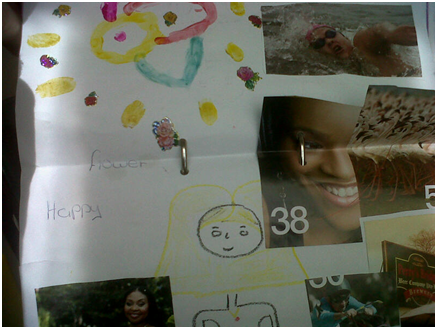 Feelings: Collage of feeling Happy
Project reports on GlobalGiving are posted directly to globalgiving.org by Project Leaders as they are completed, generally every 3-4 months. To protect the integrity of these documents, GlobalGiving does not alter them; therefore you may find some language or formatting issues.
If you donate to this project or have donated to this project, you can receive an email when this project posts a report. You can also subscribe for reports without donating.